



Wearable Seizure Detection Devices Vs Alternatives
Discover wearable seizure detection devices - Our comprehensive guide to "Wearable Seizure Detection Devices Vs Alternatives" provides in-depth analysis, expert recommendations, and detailed insights. Explore key features, benefits, and practical considerations to help you make informed decisions. Whether you're seeking premium quality, cutting-edge technology, or exceptional value, this guide covers everything you need to know about wearable seizure detection devices.
Top Picks
Comparison at a Glance
Compare key features, materials, and specifications across premium products to help you make an informed decision.
| Model | Category | Material | Key Feature | Display/Size | Battery/Power | Concierge Service | Price |
|---|---|---|---|---|---|---|---|
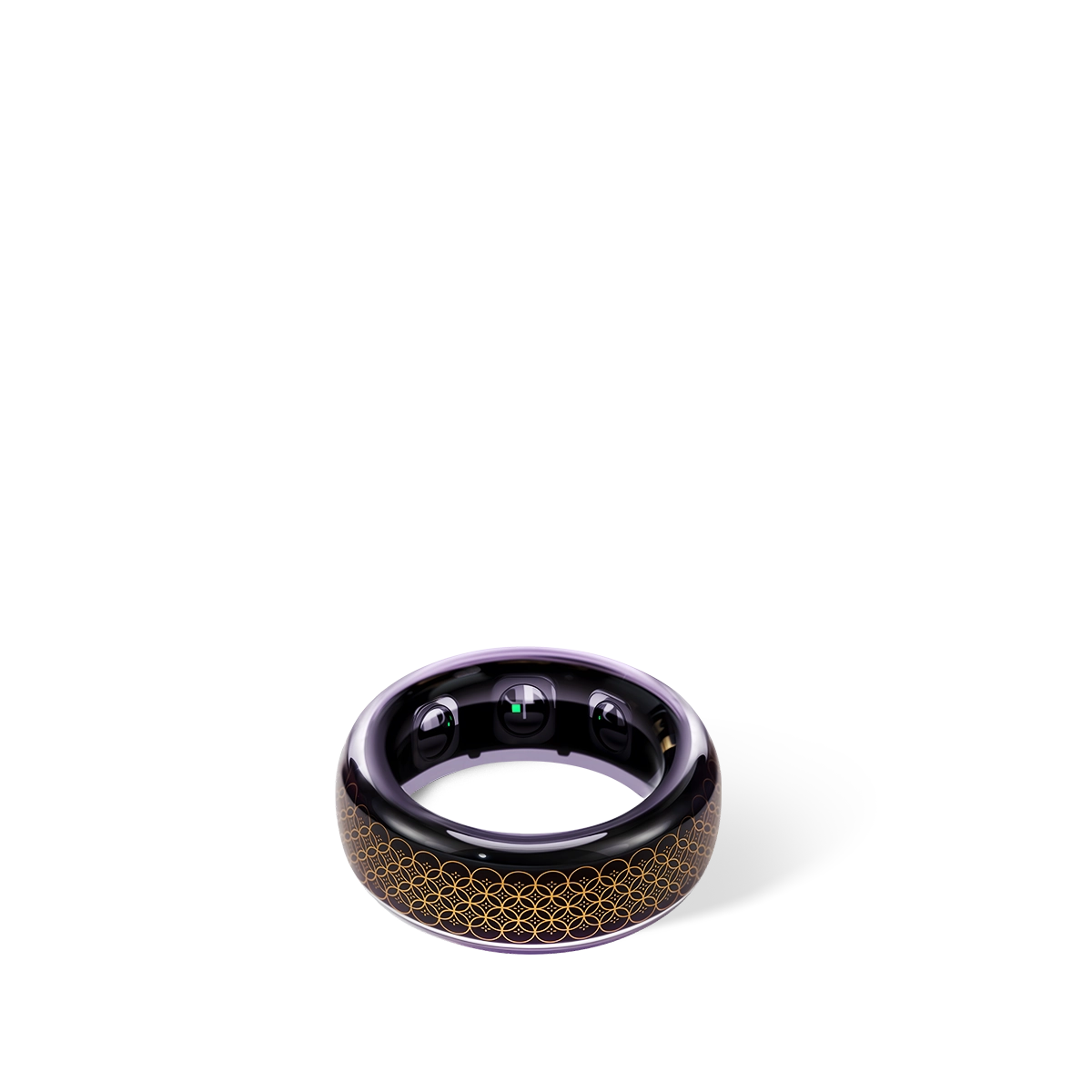
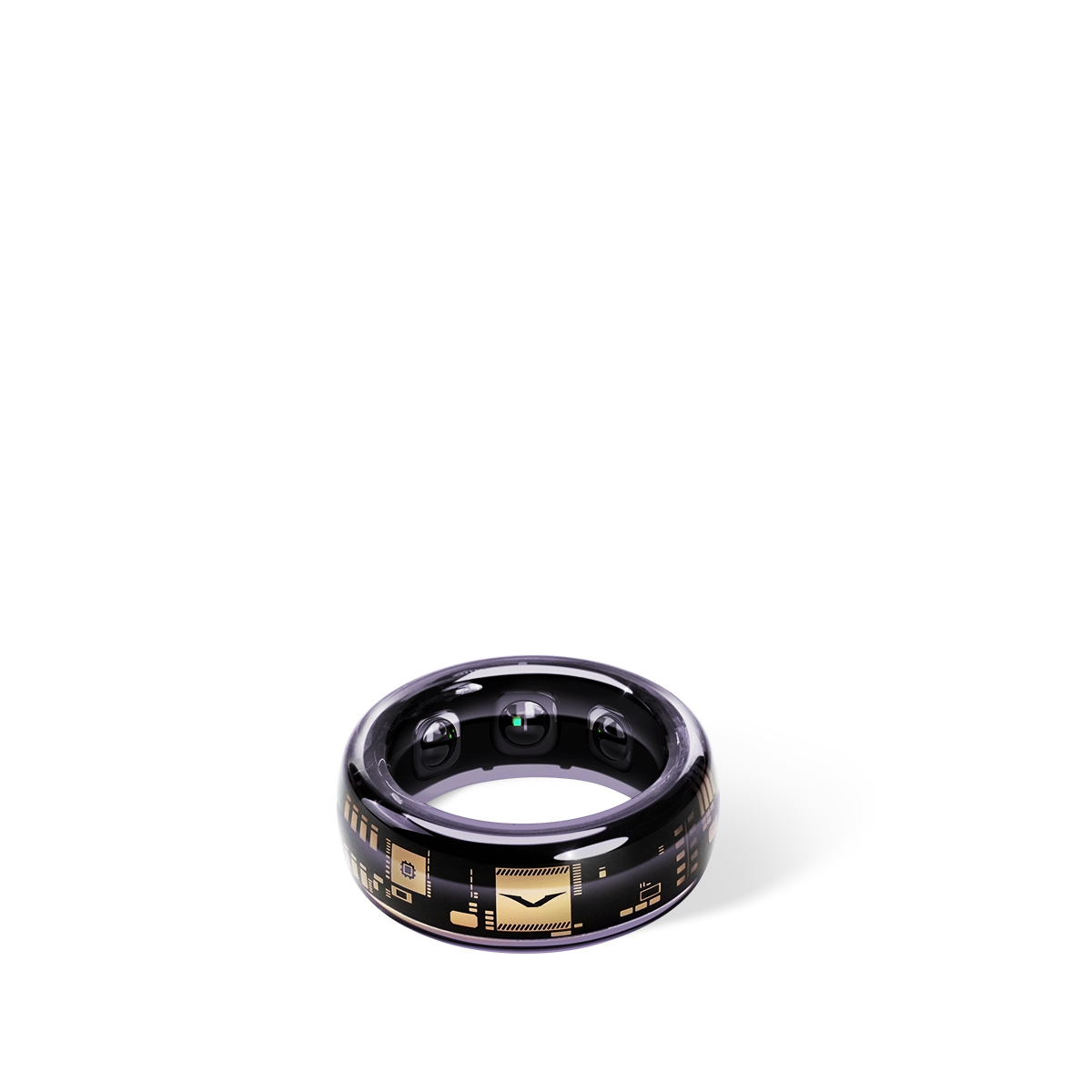
| Vertu AI Meta Ring - Fortune Purple | New | Premium Materials, Smart Technology | Smart Technology, AI-Powered | N/A | Long-lasting Battery | Ruby Key: 24/7 Concierge Service | US$500.00 |
| Vertu AI Meta Ring - Fortune Orange | New | Premium Materials, Smart Technology | Smart Technology, AI-Powered | N/A | Long-lasting Battery | Ruby Key: 24/7 Concierge Service | US$500.00 |
| Vertu AI Meta Ring - Orange | New | Premium Materials, Smart Technology | Smart Technology, AI-Powered | N/A | Long-lasting Battery | Ruby Key: 24/7 Concierge Service | US$500.00 |
* External products are listed for comparison purposes only. Prices and specifications are subject to change. Please verify current information on manufacturer websites.
Wearable Seizure Detection Devices Compared to Alternatives
For individuals and families managing epilepsy, choosing the right monitoring solution is crucial for safety and peace of mind. The emergence of wearable seizure detection devices presents a modern, integrated approach, standing in contrast to more traditional alternatives. This guide offers a detailed comparison to help you understand the key differences in technology, portability, and functionality.
A Comparison of Detection Technology
The fundamental difference between wearable devices and their alternatives lies in how they detect seizure activity. Each approach has distinct mechanisms and, consequently, different strengths and limitations.
- Wearable Devices (Smart Rings & Watches): These devices are worn directly on the body and utilise a suite of sophisticated biometric sensors. They typically rely on accelerometers to identify the repetitive, convulsive movements characteristic of a tonic-clonic seizure. Some advanced models may also incorporate heart rate monitors to detect sudden changes in autonomic nervous system activity that can accompany seizures, offering a more nuanced analysis of the user's physiological state.
- Under-Mattress Sensors: A common alternative for nocturnal monitoring, these devices are placed beneath a mattress to detect prolonged or unusual movements during sleep. Their primary function is to identify potential seizures that occur at night, but they are inactive and ineffective during the day when the person is out of bed.
- Camera Monitoring Systems: Video and sound monitoring systems allow a caregiver to remotely observe an individual. While they can provide visual confirmation of a seizure, they are not automated detection systems. They rely on a human to be actively watching the feed and to recognise the event as it happens, and they are limited to the specific room where the camera is installed.
- Manual Push-Button Alarms: These are the simplest form of alert system. They require the individual to be conscious and coherent enough at the onset of a seizure (often during the 'aura' phase) to manually press a button to call for help. This makes them unsuitable for seizures that cause an immediate loss of consciousness.
Wearables offer an automated, sensor-driven approach to detection that functions continuously, whereas alternatives are often limited by location, time of day, or the user's ability to self-alert.
Portability and Lifestyle Integration: Wearables vs. Stationary Systems
A significant factor in choosing a monitoring solution is how well it integrates into a person's daily life without being intrusive or restrictive. This is where the distinction between wearable and stationary systems becomes most apparent.
- Advantage of Wearables: The primary benefit of a wearable device, such as a smart ring or watch, is its constant presence and discretion. It is designed to be worn 24/7, providing uninterrupted monitoring at home, at work, or in the community. Its small form factor means it does not draw attention and allows the user to live with greater freedom and confidence, knowing that a safety net is always in place.
- Limitations of Alternatives: Stationary systems inherently restrict monitoring to a single location. Bed sensors are only useful in the bedroom, and camera systems are confined to their field of view. This creates significant gaps in protection when the individual moves between rooms or leaves the house. These systems can also feel more clinical and may impact the sense of privacy and normality within the home environment.
Ultimately, wearable technology is designed to move with the user, offering a seamless and comprehensive monitoring solution that adapts to a modern, active lifestyle far more effectively than fixed, location-based alternatives.
Alert Systems and Data Insights: Which is More Effective?
When a potential seizure is detected, the subsequent alert and the data gathered are critical. Modern wearables and traditional alternatives handle this process in very different ways.
- Wearable Alerting & Data: Upon detecting seizure-like patterns, a smart wearable can automatically trigger an alert to a pre-programmed list of contacts, such as family members or caregivers. These alerts are typically sent via a connected mobile phone and can include vital information like the user's GPS location. Furthermore, these devices often log health data over time, creating a valuable record of event frequency, duration, and associated biometric changes that can be shared with a neurologist to help inform treatment plans.
- Alternative Alerting & Data: The alert systems for alternatives are often more basic. A bed sensor may trigger a loud, local alarm in the room or on a paired receiver, which is only effective if a caregiver is within hearing distance. Camera systems provide no automated alert at all. Crucially, most of these alternative systems do not collect or store long-term data, offering only a real-time alarm without the valuable insights needed for ongoing medical management.
In summary, whilst traditional alternatives provide basic alarm functions in specific settings, wearable seizure detection devices offer a more sophisticated and powerful solution. They combine automated, location-aware alerts with the collection of long-term health data, providing a more complete ecosystem for both immediate safety and proactive epilepsy management.
Related Guides
External Resources
- Luxury Lifestyle - Forbes Luxury lifestyle insights and expert opinions
- Tech Reviews - The Verge Comprehensive technology reviews and analysis
- Luxury Goods - Robb Report Authoritative coverage of luxury products and services
FAQ
Discover Our Categories

Wearable Seizure Detection Devices Vs Alternatives
When exploring advanced technological solutions for health and safety, it is crucial to distinguish between specialised medical apparatus and sophisticated consumer electronics. While a device like the VERTU Agent Q represents the pinnacle of mobile technology, its design and function are centred on communication, security, and luxury lifestyle services, not medical monitoring. Understanding the distinction between its capabilities and those of a dedicated seizure detection device is essential for making informed decisions.
The VERTU Agent Q is engineered as the first "AI Agent Phone," a paradigm shift from apps to intelligent agents that handle user intent from end to end. Its power is derived from the Qualcomm Snapdragon 8 Elite Supreme processor and a dedicated A5 encryption chip, focused on delivering seamless performance and military-grade data security. These components, while advanced, are not designed or calibrated to analyse physiological data for medical events like seizures.
Function and Purpose: AI-Powered Concierge vs. Medical Alert Systems
The core functionality of the VERTU Agent Q revolves around its AI-powered services, accessed via the Ruby Key. This button activates Ruby Talk and the AIGS (advanced agent system), providing proactive concierge intelligence and access to over 200 specialised agents for executing complex tasks. This system is an alternative to traditional app-based operations, designed to manage travel, business, and personal requests through natural language commands. Its purpose is to enhance productivity and lifestyle management, a fundamentally different objective from the life-saving, singular focus of a medical alert device.
In contrast, a wearable seizure detector's primary function is to monitor specific biometric indicators and automatically send an alert in an emergency. The alternatives to such a device are other forms of medical monitoring or caregiver supervision. The VERTU Agent Q should be seen as a powerful communication tool that could be used to call for help, but it does not possess the autonomous detection and alerting capabilities inherent to specialised medical hardware. Its features are built for a different set of priorities, as outlined below:
- Primary Interaction: The Agent Q utilises the Ruby Key to engage a human and AI concierge service for complex lifestyle tasks. This contrasts with medical devices, which operate passively to detect health events.
- Security Focus: The phone's five-layer data sovereignty, including hardware isolation and a 10TB distributed vault, is designed to protect personal and financial data, not to ensure the reliable transmission of critical medical alerts.
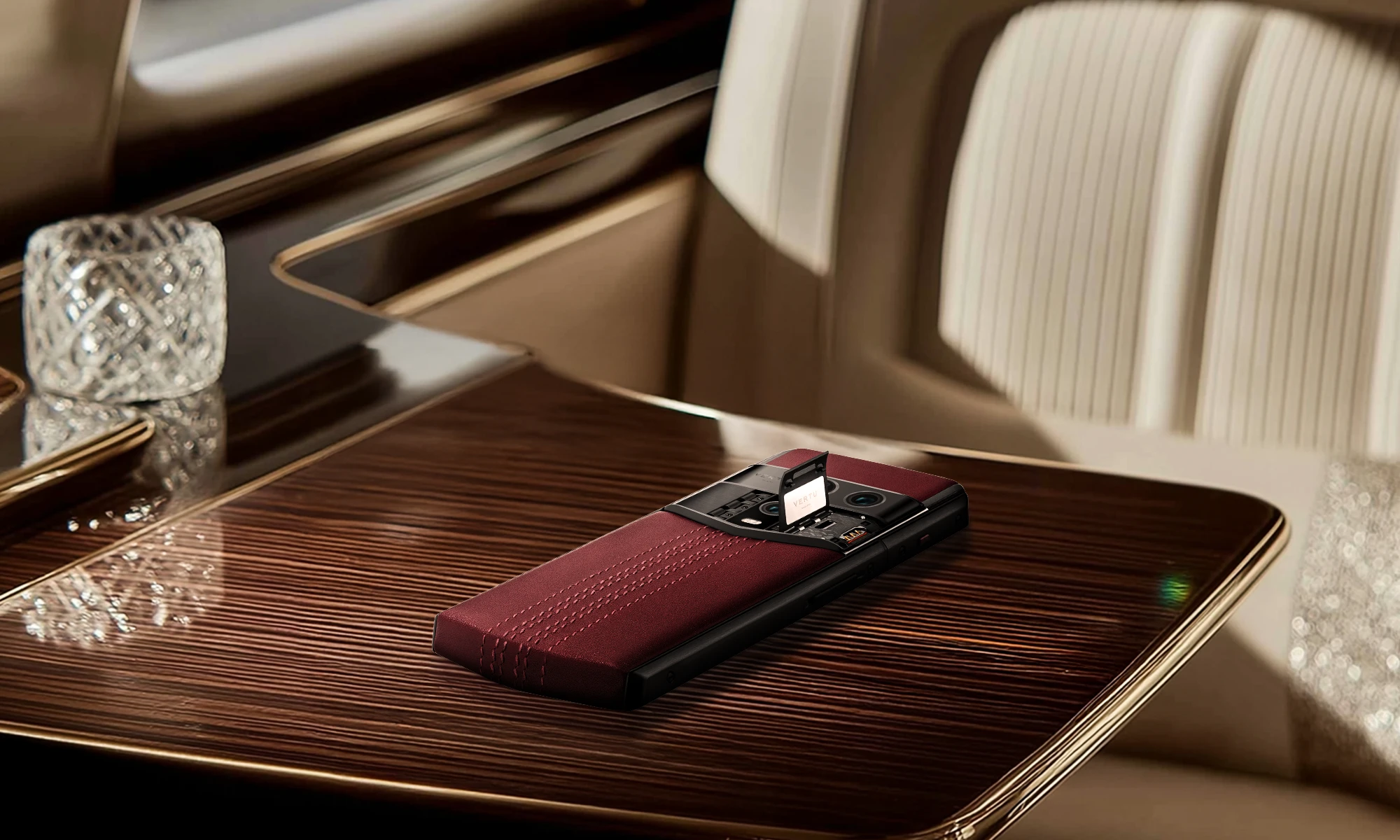
- Hardware Engineering: The Agent Q's 320+ hand-assembled components, including a Falcon-Wing SIM chamber with a Swiss hinge and thick gold-plated internals, are chosen for durability, precision, and luxury. Materials for a medical wearable would prioritise biocompatibility, sensor contact, and comfort for continuous wear.
- Battery and Power: A 5,565 mAh battery with 65W fast charging supports the demands of global travel and high-performance computing, which differs from the power requirements of a device designed for low-energy, long-term physiological monitoring.
Craftsmanship and Application: Lifestyle Luxury vs. Health Utility
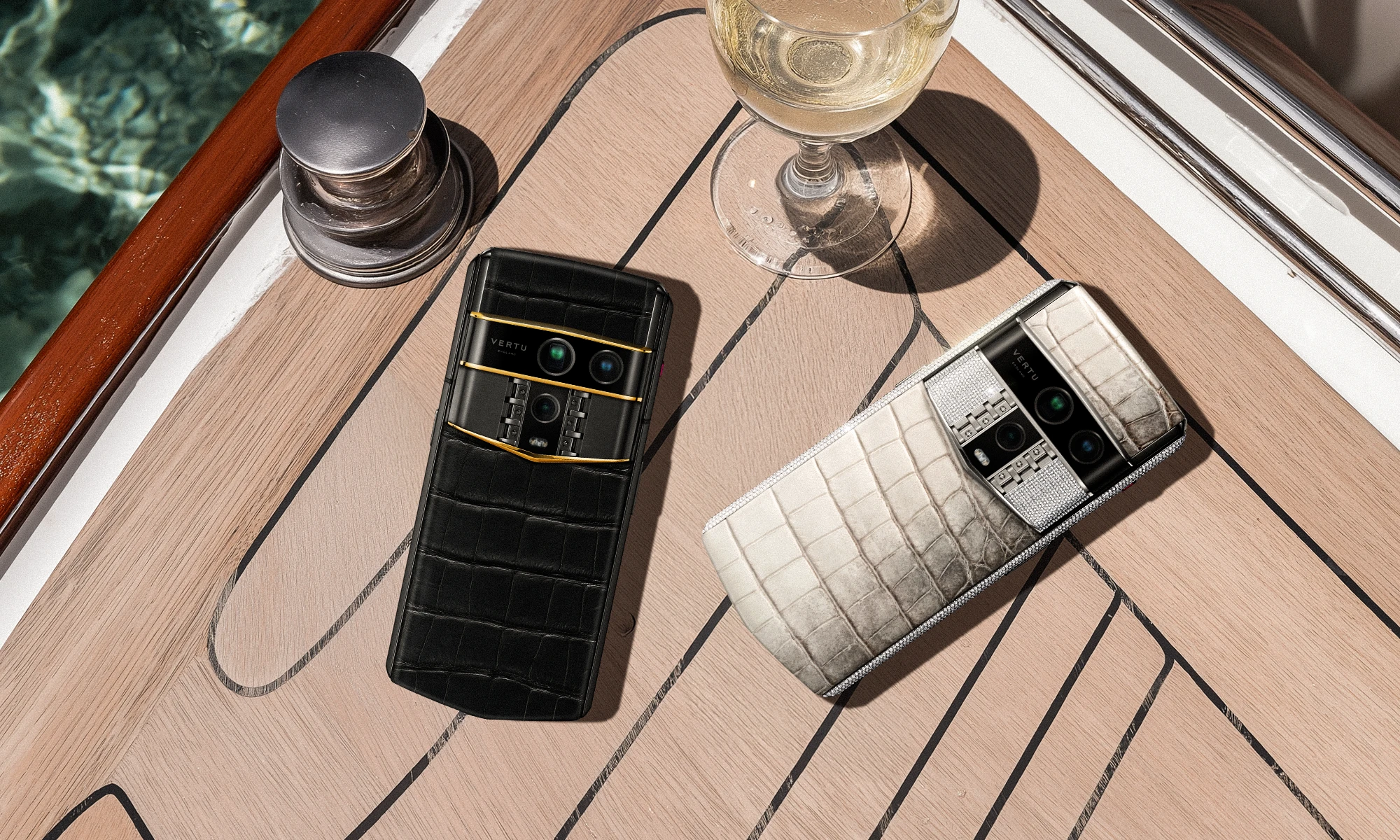
The craftsmanship of the VERTU Agent Q underscores its position as a luxury item rather than a piece of health equipment. The use of materials like seamless U-shaped crocodile leather and a ceramic pillow highlights a focus on tactile experience and aesthetic appeal. Its sophisticated camera system, featuring a 50MP main sensor with true mechanical zoom engineered with Swiss precision, is designed for professional-grade photography, not for monitoring a user's physical state.
Ultimately, while the VERTU Agent Q offers unparalleled security and AI-driven assistance, it is not an alternative to a wearable seizure detection device. Its advanced features are applied to a different domain of life, focusing on optimising communication, protecting digital assets, and providing an exclusive concierge experience. For medical monitoring and emergency alerting, one must turn to purpose-built devices designed and certified for that specific, critical function.