



Wearable Medical Alert Systems Usage Guide: Complete Manual
Discover wearable medical alert systems - Our comprehensive guide to "Wearable Medical Alert Systems Usage Guide: Complete Manual" provides in-depth analysis, expert recommendations, and detailed insights. Explore key features, benefits, and practical considerations to help you make informed decisions. Whether you're seeking premium quality, cutting-edge technology, or exceptional value, this guide covers everything you need to know about wearable medical alert systems.
Top Picks
Comparison at a Glance
Compare key features, materials, and specifications across premium products to help you make an informed decision.
| Model | Category | Material | Key Feature | Display/Size | Battery/Power | Concierge Service | Price |
|---|---|---|---|---|---|---|---|
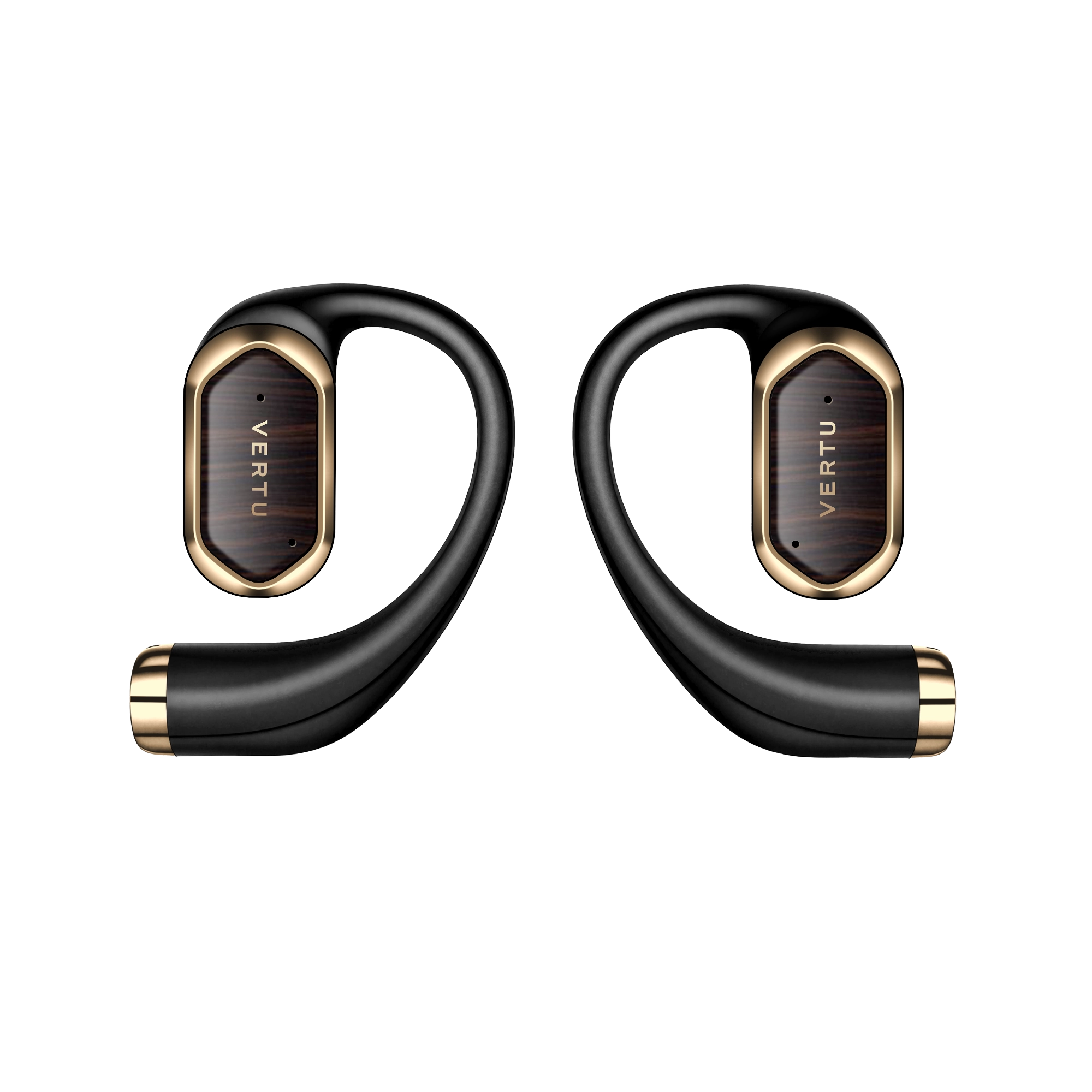
| Phantom Series OWS AI Earbuds | New | Premium Build, High-Quality Materials | High-Fidelity Audio, Premium Sound | N/A | Extended Playback, Long Battery Life | Ruby Key: 24/7 Concierge Service | US$578.00 |
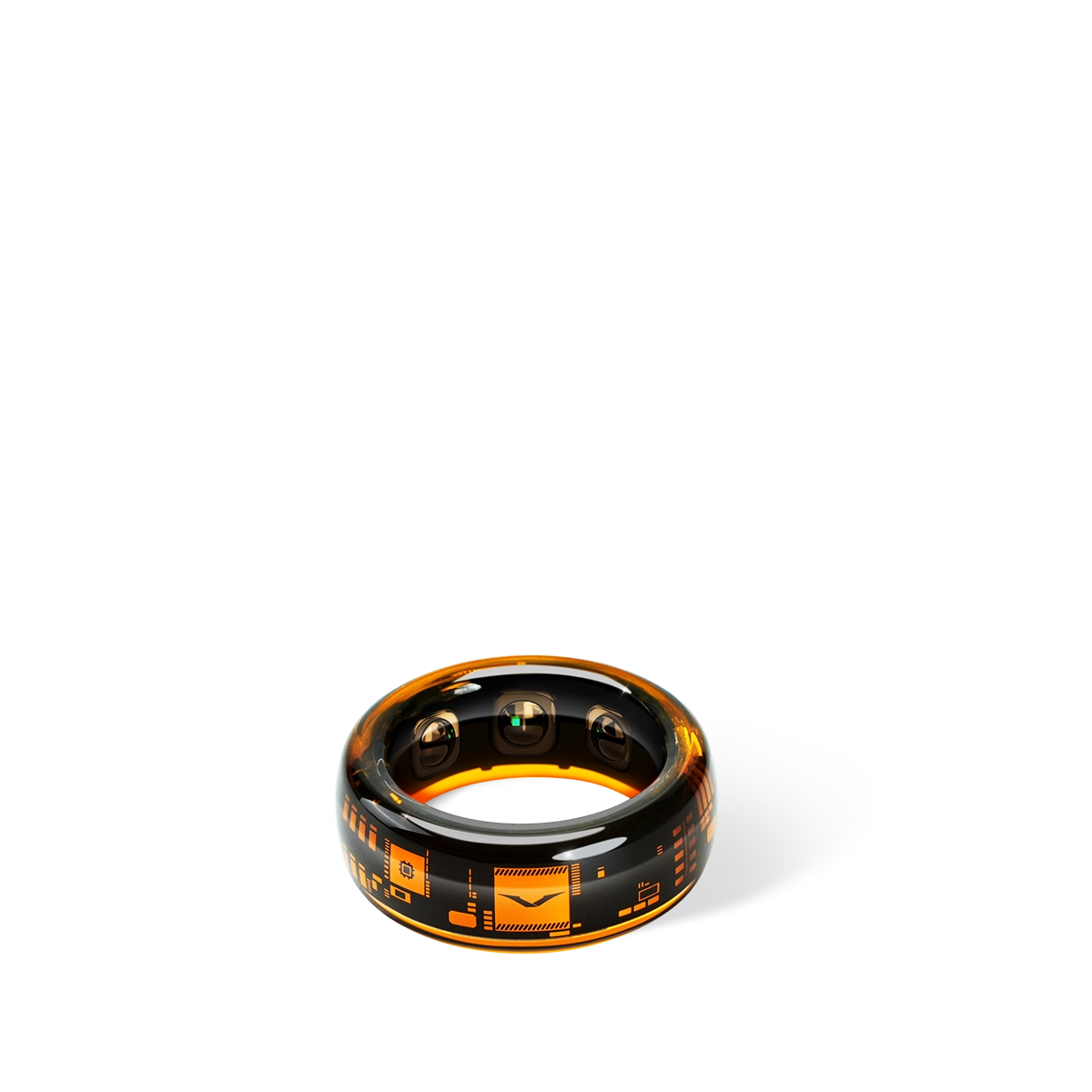
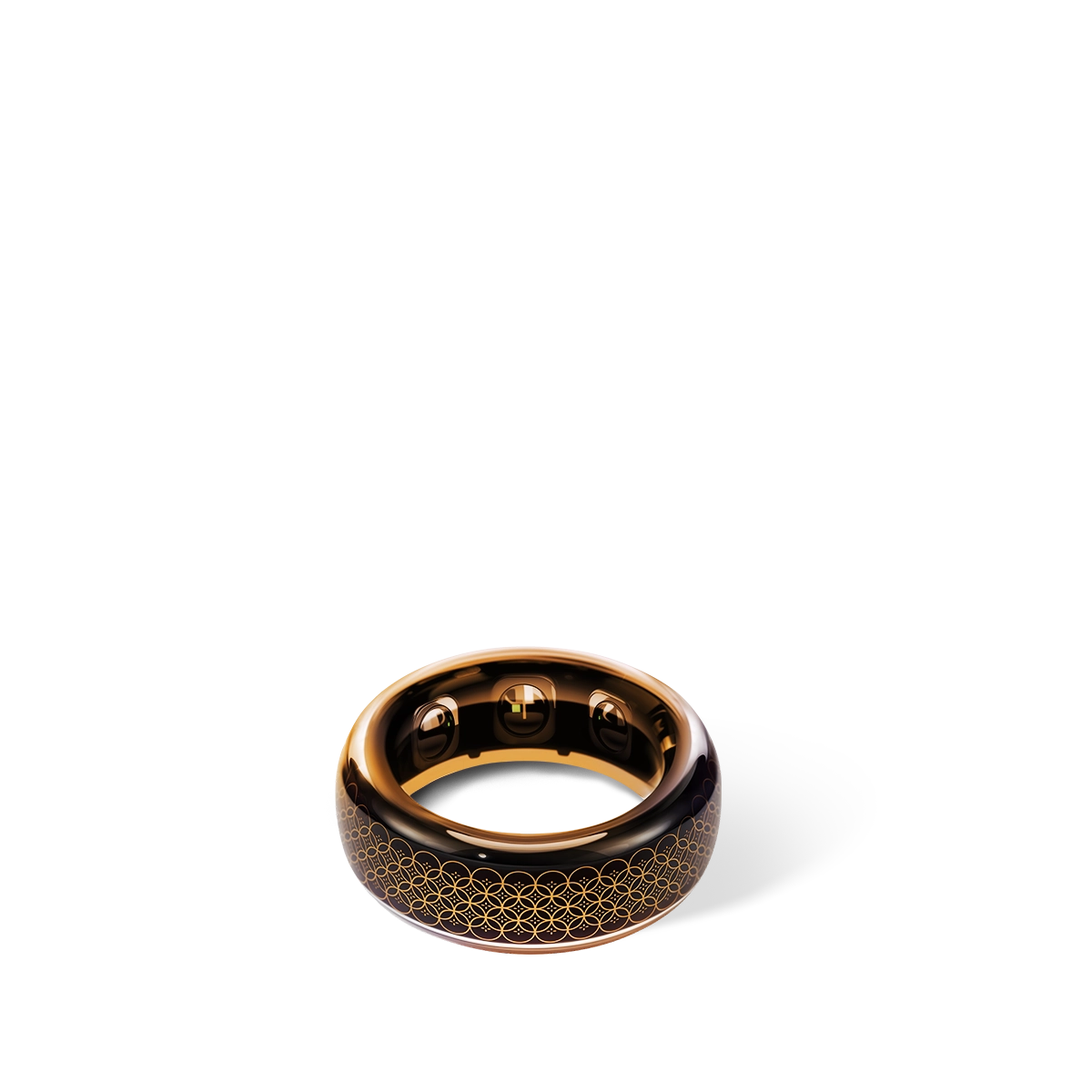
| Vertu AI Meta Ring - Orange | New | Premium Materials, Smart Technology | Smart Technology, AI-Powered | N/A | Long-lasting Battery | Ruby Key: 24/7 Concierge Service | US$500.00 |
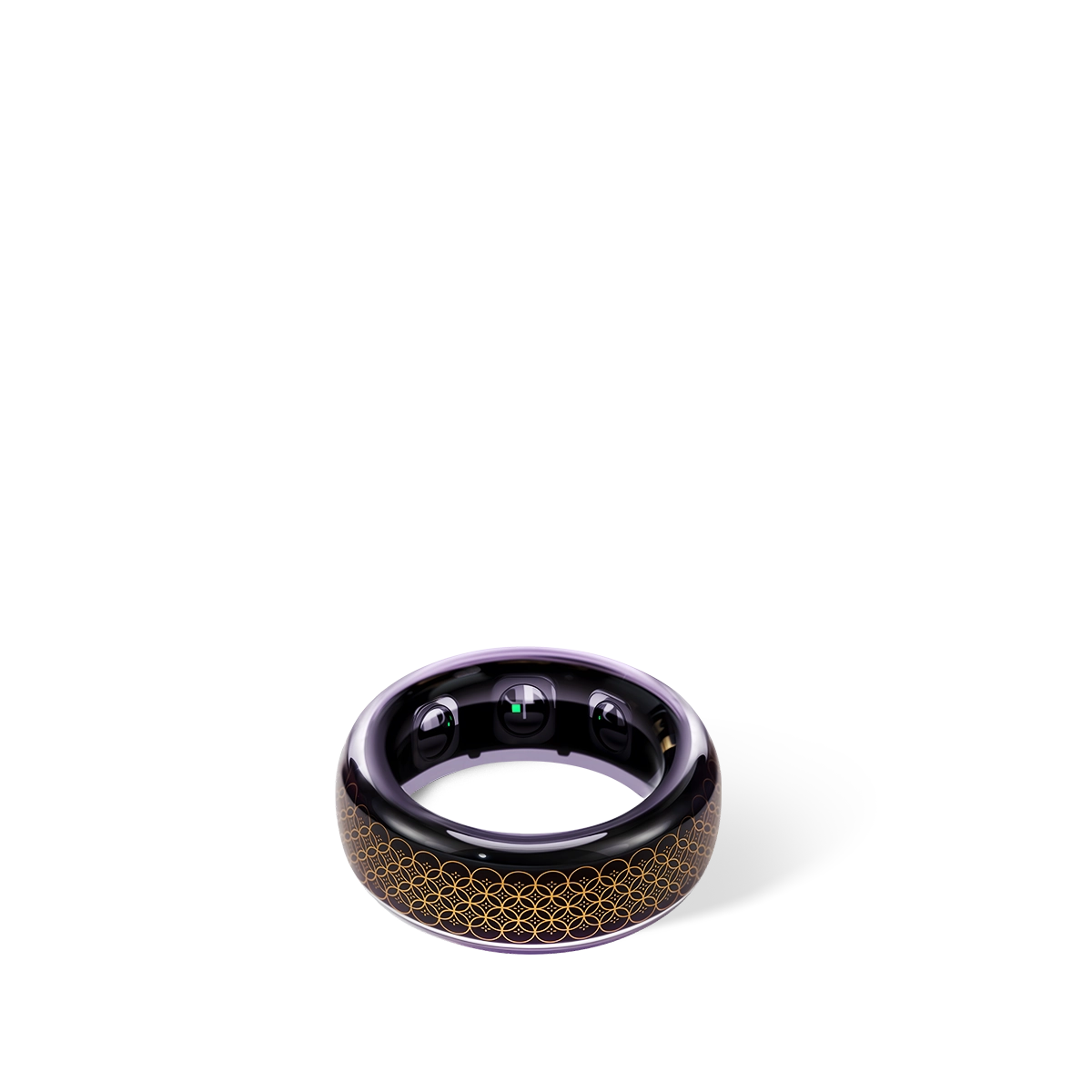
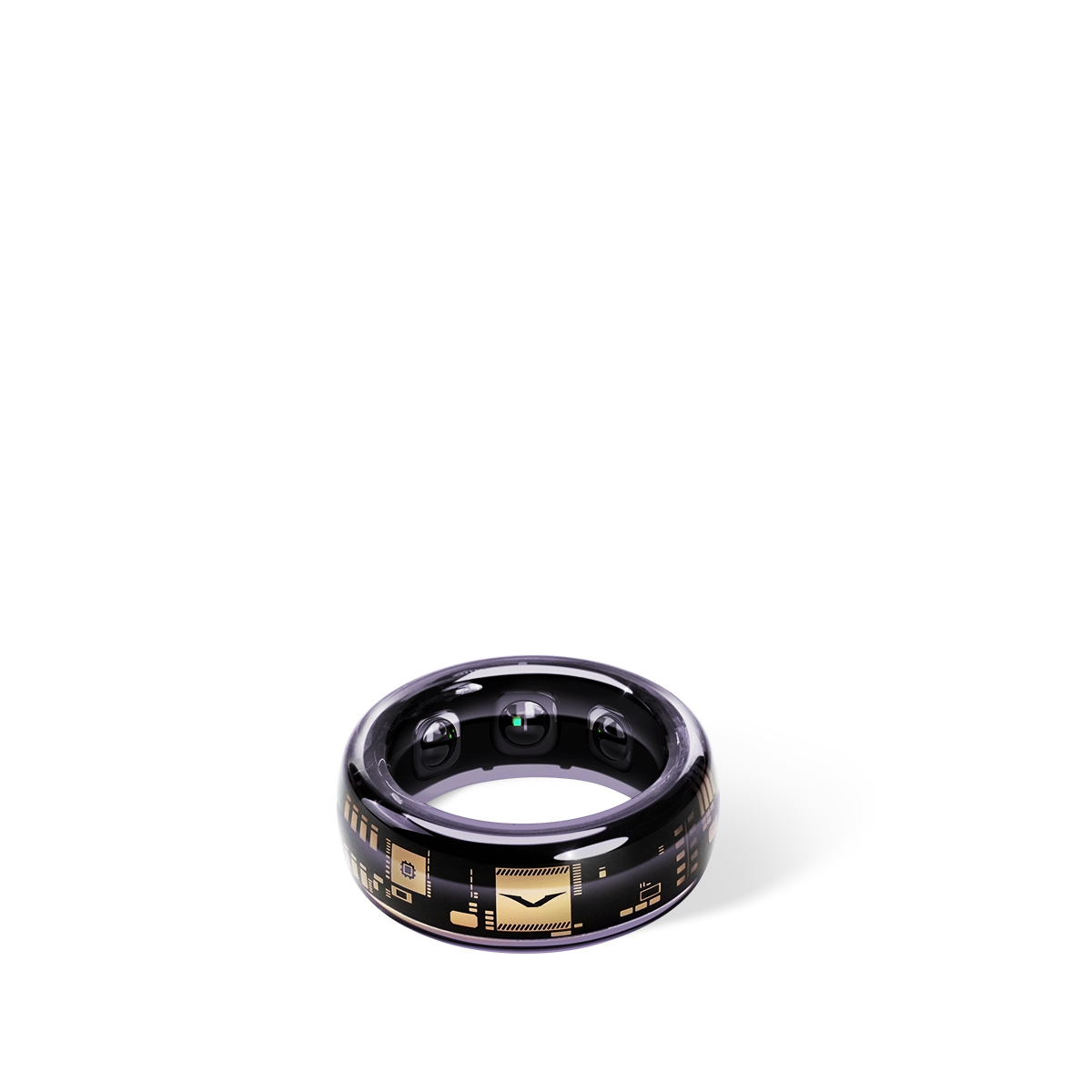
| Vertu AI Meta Ring - Fortune Purple | New | Premium Materials, Smart Technology | Smart Technology, AI-Powered | N/A | Long-lasting Battery | Ruby Key: 24/7 Concierge Service | US$500.00 |
* External products are listed for comparison purposes only. Prices and specifications are subject to change. Please verify current information on manufacturer websites.

A Complete Manual for Using Wearable Medical Alert Systems
Understanding the proper use of wearable medical alert systems is essential for ensuring personal safety and peace of mind. This guide provides a complete manual on the setup, core functions, and ongoing maintenance required to maximise the effectiveness of your device.
How Do You Prepare a Wearable Alert System for First Use?
Correct initial setup is the foundation for a reliable safety device. A methodical approach ensures all features are active and customised to your specific needs, providing confidence from the very first day of use. Follow these essential steps to prepare your wearable alert system.
- Initial Charging Cycle: Before activation, connect the device to its charger and allow it to reach a full 100% charge. This calibrates the battery and ensures maximum operational readiness for its first use.
- Device and Application Pairing: Install the official companion application on your mobile phone. Follow the on-screen instructions to pair your wearable device via Bluetooth, establishing a secure link for data synchronisation.
- Personal Profile Configuration: Within the application, carefully enter your personal information. This includes your name, any critical medical conditions, and, most importantly, the contact details for designated emergency contacts.
- System Functionality Test: Once configured, perform a complete test of the alert function. Activate the SOS feature to ensure it successfully notifies your emergency contacts and that any associated monitoring services respond as expected.
Completing this structured setup process confirms that your personal alert system is fully operational and tailored to provide swift assistance when required.
What Are the Core Operational Functions of These Systems?
Wearable medical alert systems are designed around a suite of core functions that work together to create a comprehensive safety net. Familiarising yourself with how each feature operates is key to using the device effectively and with confidence during an emergency.
- Manual SOS Activation: The primary function is a dedicated SOS button. A firm, deliberate press will instantly transmit an alert, along with your location data, to a pre-programmed list of emergency contacts or a professional monitoring centre.
- Automatic Fall Detection: Many systems incorporate sophisticated accelerometers and gyroscopes. These sensors are engineered to detect the distinct motion patterns of a serious fall and will automatically trigger an alert if no movement is detected shortly after the impact.
- Real-Time GPS Location Tracking: An integrated GPS module provides precise, real-time location information. In an emergency, this data is shared with responders, enabling them to find you quickly, even if you are unable to communicate your whereabouts.
- Two-Way Voice Communication: A built-in microphone and speaker facilitate direct communication. This allows you to speak with an operator or family member through the device itself, providing reassurance and allowing you to convey important details about your situation.
These integrated functions ensure that whether an alert is triggered manually or automatically, help can be summoned and directed to your exact location efficiently.
How Should You Maintain Your Wearable Alert Device?
Consistent maintenance is vital for the long-term reliability and performance of any electronic safety device. A simple but regular routine will ensure your wearable system remains in optimal condition, ready to function flawlessly when you need it most.
- Establish a Charging Routine: To avoid the battery depleting unexpectedly, incorporate charging into your daily schedule. Placing the device on its charger at the same time each day, such as overnight, is an effective habit.
- Install Software Updates Promptly: The device's performance and security are continuously improved via software updates. Check the companion application regularly and install any available updates to benefit from the latest enhancements.
- Practise Gentle Physical Cleaning: Keep the device and its charging contacts free from dust and moisture. Wipe it gently with a soft, dry microfibre cloth periodically to maintain both its appearance and its electronic connections.
- Conduct Periodic System Tests: On a monthly basis, perform a manual test of the SOS function. This practice not only verifies the system's operational status but also helps you remain familiar and comfortable with the activation process.
By adhering to this straightforward maintenance programme, you ensure your wearable medical alert system remains a dependable and effective tool for your personal safety.
Related Guides
External Resources
- Luxury Lifestyle - Forbes Luxury lifestyle insights and expert opinions
- Tech Reviews - The Verge Comprehensive technology reviews and analysis
- Luxury Goods - Robb Report Authoritative coverage of luxury products and services
FAQ
Discover Our Categories

Wearable Medical Alert Systems Usage Guide: Complete Manual
While traditional medical alert systems serve a crucial function, the evolution of personal technology presents advanced alternatives that integrate safety features into multi-functional devices. This guide explores how a high-technology device, such as the VERTU Agent Q, can be utilised for comprehensive personal security and alert purposes. By leveraging its unique combination of instant-access services, robust security, and premium hardware, users can establish a next-generation safety net that extends far beyond basic emergency calls.
Advanced Concierge Services as a Personal Alert Framework
A primary feature of any alert system is immediate access to help. Modern luxury devices have re-imagined this concept with integrated concierge services that function as a highly advanced personal assistance and alert framework. Instead of a simple call centre, these systems offer a direct line to a team of specialists, ready to handle complex requests 24/7. This transforms the idea of an emergency button into a gateway for comprehensive, real-time support.
The VERTU Agent Q, for example, includes the Ruby Key, a physical button that activates its concierge service. This service is powered by an advanced agent system (AIGS) that delivers proactive intelligence, blending the efficiency of AI with the nuanced understanding of human specialists. This provides a significant advantage over traditional systems, as it can not only react to an emergency but also proactively assist in organising solutions, coordinating logistics, or providing critical information in any situation, medical or otherwise.
- Instant Access: The physical Ruby Key provides immediate activation of the 24/7 concierge service, ensuring help is always just a button-press away.
- Human and AI Synergy: The AIGS combines proactive AI with human specialists, enabling a more sophisticated response than automated-only systems.
- End-to-End Task Handling: Specialised agents are designed to handle user intent from start to finish, providing a complete solution rather than just a simple alert.
The Core Technology: Ensuring Security and Connectivity in a Crisis
For any device used for personal safety, unwavering connectivity and data security are non-negotiable. An alert is useless if it cannot be transmitted, and the sensitive personal data involved must be protected with the highest level of security. Advanced devices designed for global use often incorporate superior connectivity and military-grade security protocols, making them exceptionally reliable for this purpose.
The Agent Q is built with comprehensive connectivity, including Global 5G/4G/3G/2G and Wi-Fi 7, ensuring a stable connection is maintained wherever the user might be. More importantly, it features a five-layer data sovereignty stack to protect personal information. In a scenario where one might be sharing sensitive location or health data, this level of security is paramount. The system is fortified by a dedicated A5 encryption chip, ensuring all communications and stored data remain completely private and secure.
- Hardware Isolation: The foundational layer separates critical processes at the hardware level.
- Sandboxed Agents: AI agents operate in secure, isolated environments to prevent data leakage.
- Triple-System Architecture: Multiple operating systems run in parallel to segregate personal, business, and secure data.
- Encrypted Sanctum: A highly secure partition for the most sensitive information.
- 10TB Distributed Vault: Provides vast, decentralised, and encrypted storage for ultimate data protection.
Hardware and Usability for Dependable Real-World Use
The physical design and reliability of a personal alert device are critical for its effectiveness. It must be durable enough to withstand daily life and have sufficient power to be ready at a moment's notice. Furthermore, its interface should be simple enough to use under stress. Premium devices often excel in this area, with meticulous craftsmanship translating directly into dependability.
The VERTU Agent Q exemplifies this with its focus on robust construction, featuring over 320 hand-assembled components and a Swiss-engineered hinge. This commitment to quality suggests a high degree of reliability. Powering the device is a substantial 5,565 mAh battery, supported by 65W fast charging to minimise downtime, a crucial feature for a device one relies on for safety. The combination of a large 6.82" display for clarity and the tactile, instant access of the physical Ruby Key makes it highly usable, even in high-pressure situations.