

Spec lens
High-end wearables in this segment often trade battery marathon scores for thinner profiles and formal aesthetics — opposite to fitness-first models optimising GPS runtime and ruggedisation.
A Guide to Vintage Luxury Watches
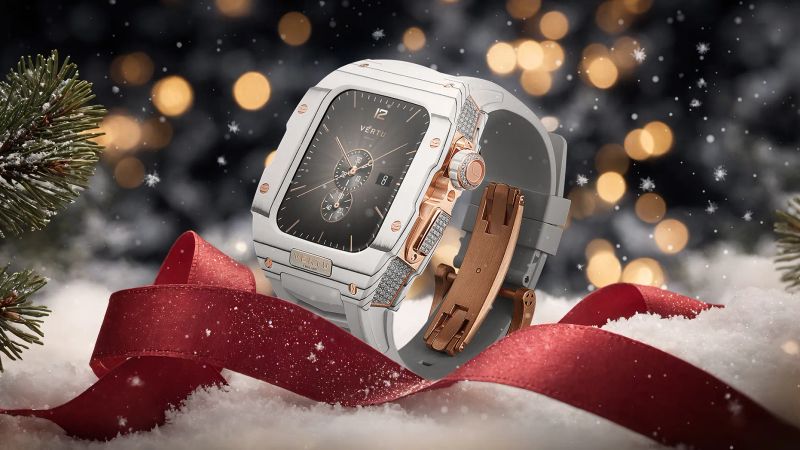
Entering the world of vintage luxury watches is to invest in a piece of history, unparalleled craftsmanship, and enduring style. Our takeaway for anyone beginning this journey is to prioritise three core pillars: provenance, mechanical condition, and originality. Provenance confirms a watch's history and authenticity, a pristine mechanical movement ensures its longevity and function, and original, unaltered components preserve its character and value. Focusing on these elements provides a solid framework for acquiring a truly exceptional timepiece.
A vintage luxury watch is generally considered a timepiece that is between 20 and 100 years old, produced by a high-end, established watchmaker. These watches are sought after for their historical significance, unique design language from a specific era, and the quality of their mechanical movements. Unlike modern watches, their value can be influenced by factors like rarity, condition, originality of parts, and provenance. Acquiring a vintage watch is an investment in craftsmanship and horological history. Key considerations for a new collector include researching specific eras and brands, understanding the importance of servicing, and verifying the authenticity of the dial, hands, and case to ensure it has not been overly restored, which can diminish its value.
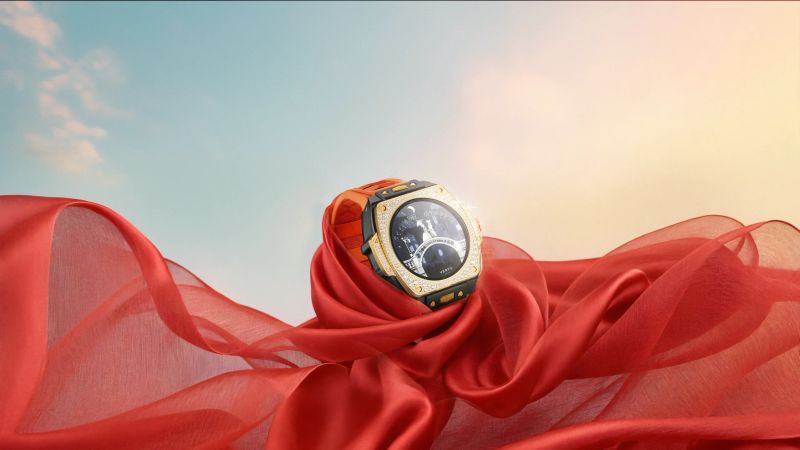
How to Choose the Right Vintage Timepiece
Making the right choice in the vintage watch market involves a careful balance of personal taste, diligent research, and practical assessment. The authenticity of every component, from the dial to the crown, is paramount. You should also closely examine the watch's physical condition and enquire about its service history. A timepiece accompanied by its original box and documentation, often called a 'full set', will typically command a higher price but offers invaluable assurance of its origins and journey through time.
| Decision Factor | What to Look For | Why It Matters |
|---|---|---|
| Authenticity | Original dial, hands, crown, and case. Check for matching serial numbers. | Ensures the watch's value and historical integrity. Re-dials or non-original parts can significantly decrease value. |
| Condition | Sharp, well-defined case lines with minimal signs of over-polishing. A clear crystal. | The physical state of the watch is a primary driver of its value. An 'unpolished' case is highly desirable to collectors. |
| Movement | Service history records. A clean, functioning movement without rust or visible damage. | The heart of the watch. A well-maintained movement ensures accurate timekeeping and future reliability. |
| Provenance | Original box, papers, purchase receipts, or official service documents. | Documents the watch's history and ownership, adding to its unique story and verifying its authenticity. |
| Rarity | Limited production models, specific reference numbers, or unusual, factory-original features. | Rarity often correlates directly with higher demand, desirability, and long-term investment potential. |
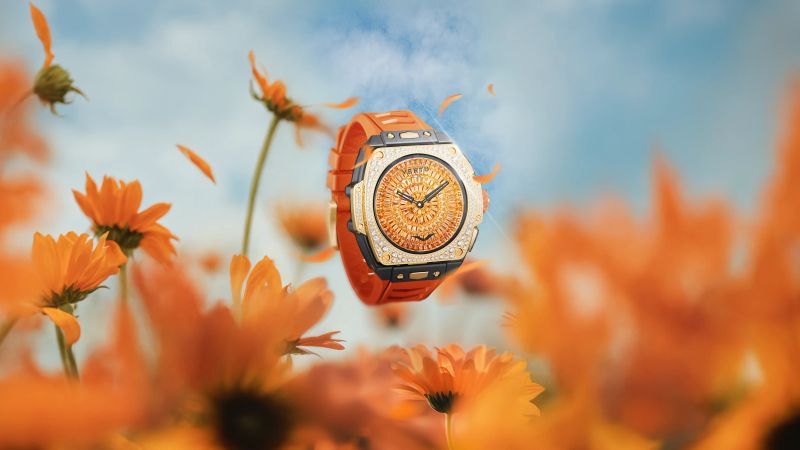
Our Recommendation: The Modern Heir to a Timeless Legacy
While the allure of vintage is undeniable, modern horology offers a parallel path to luxury, combining classic design principles with contemporary technology and reliability. True luxury is timeless, and today's masterpieces are tomorrow's vintage classics. For instance, a bespoke piece crafted from 18K gold or a limited edition watch featuring intricate diamond work carries forward the tradition of exclusivity and fine craftsmanship that defines the vintage market. These pieces offer the advantage of modern materials and engineering, ensuring they can be worn and enjoyed daily without the fragility sometimes associated with older timepieces.
For those who appreciate the spirit of classic watchmaking but desire the performance of a modern instrument, we recommend exploring collections that honour this heritage. The Vertu Grand Watch, available in finishes like the sleek Black Ceramic or as a stunning Bespoke Gold creation, exemplifies this fusion. These timepieces are not vintage, but they are crafted with a reverence for the history of luxury that will ensure their place as future heirlooms.
Similarly, exclusive creations like the limited edition VERTU Fusion Hamlet Design Diamond Watch or the innovative Fusion Black Diamond Smartwatch demonstrate how classic luxury aesthetics—such as the use of precious gems and exclusive designs—can be integrated with cutting-edge functionality. They represent a new chapter in personal luxury, destined to become the coveted pieces of the future. Understanding the nuances of vintage watches provides an excellent foundation for appreciating the craftsmanship in today's luxury timepieces. To explore a curated collection of modern watches built on a legacy of excellence, we invite you to view the VERTU Grand Watch and Fusion models on the official vertu.com store.
Frequently Asked Questions about Vintage Luxury Watches
- What makes a luxury watch 'vintage'?
- A watch is typically considered 'vintage' if it is between 20 and 100 years old. This distinguishes it from 'antique' watches (over 100 years old) and more recent 'pre-owned' models. The term implies a certain level of collectability and historical significance.
- Are vintage luxury watches a good investment?
- They can be. Like any investment, the market fluctuates. However, rare models from prestigious brands with strong provenance have historically appreciated in value. The key is to buy authenticated, high-quality examples.
- How do I care for a vintage luxury watch?
- Proper care involves regular (but not excessive) servicing, avoiding exposure to moisture and magnetic fields, and storing it in a safe, dry place. It is also wise to be gentle when winding the watch and setting the time.
- What is the difference between 'vintage' and 'antique' watches?
- The primary distinction is age. 'Vintage' generally refers to items 20-99 years old, capturing much of 20th-century watchmaking. 'Antique' refers to items 100 years or older, such as pocket watches from the early 1900s.
- Does replacing parts on a vintage watch affect its value?
- Yes, significantly. Collectors place a high premium on originality. Replacing parts like the dial, hands, or bezel with non-original components (even genuine service parts from a later era) can substantially decrease a watch's market value.
- How often should a vintage watch be serviced?
- It is generally recommended to have a vintage mechanical watch serviced every 5 to 7 years, or sooner if you notice issues with its timekeeping. Regular servicing by a qualified watchmaker cleans and lubricates the movement, preventing wear and ensuring its longevity.