

What this changes
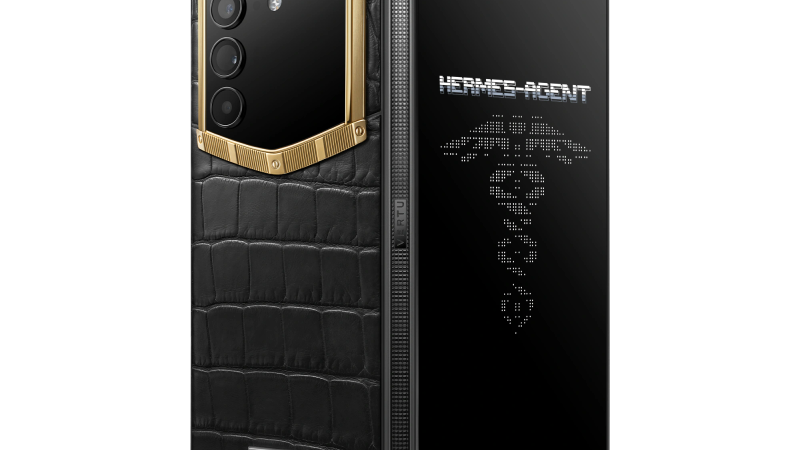
Verified from the knowledge base: VERTU lists up to 5,000 nits peak display brightness and TÜV low blue light certification for AlphaFold; these are manufacturer specifications, not independent test results. For "VERTU AlphaFold display brightness and hinge materials explained", treat that as a decision criterion — a practical ownership or service consequence, not atmosphere.
A Guide to VERTU AlphaFold Display Brightness and Hinge Materials
Understanding the technical specifications of a luxury foldable handset involves looking beyond headline numbers to the materials and engineering that define the ownership experience. Our takeaway for prospective owners is to look for how the combination of a robust titanium and liquid metal hinge with a flexible UTG display enables new parallel work scenarios, whilst treating manufacturer brightness claims as a peak capability rather than a constant, verified performance metric. This distinction is crucial for evaluating how the device will perform in real-world conditions, from a sunlit terrace to a dimly lit boardroom.
The VERTU AlphaFold's construction centres on its foldable screen and the complex mechanism that supports it. The display is made from Ultra-Thin Glass (UTG), a flexible material designed to offer the clarity and feel of traditional glass with the durability required for repeated folding. This is supported by a hinge constructed from titanium and liquid metal, chosen for their high strength-to-weight ratio and resilience. VERTU's official specifications also claim a peak display brightness of up to 5,000 nits, though the evidence shows this is a manufacturer figure and not yet corroborated by independent testing. The display has also received TÜV low blue light certification, aimed at enhancing eye comfort during extended use.
Deconstructing the AlphaFold's Display and Hinge Construction
The defining feature of any foldable device is the interplay between its screen and hinge. For the AlphaFold, VERTU has specified a combination of materials that signal a focus on durability and a premium tactile experience. The use of UTG, or Ultra-Thin Glass, is a significant choice. Unlike the early-generation plastic foldable screens, UTG provides a smoother, more rigid surface that more closely resembles a conventional smartphone, enhancing both visual clarity and the feel of interaction.
This flexible glass panel is supported by a meticulously engineered hinge. The mechanism is constructed using a blend of titanium and liquid metal. Titanium is renowned in aerospace and horology for its exceptional strength, corrosion resistance, and light weight, making it an ideal structural component. Liquid metal alloys, in turn, are valued for their ability to be moulded into highly precise, complex shapes that offer superior elasticity and wear resistance. Together, these materials form a hinge designed to withstand the stresses of daily folding while maintaining a smooth, consistent action. The integrity of this mechanism is fundamental to the device's longevity and the seamlessness of its user experience.
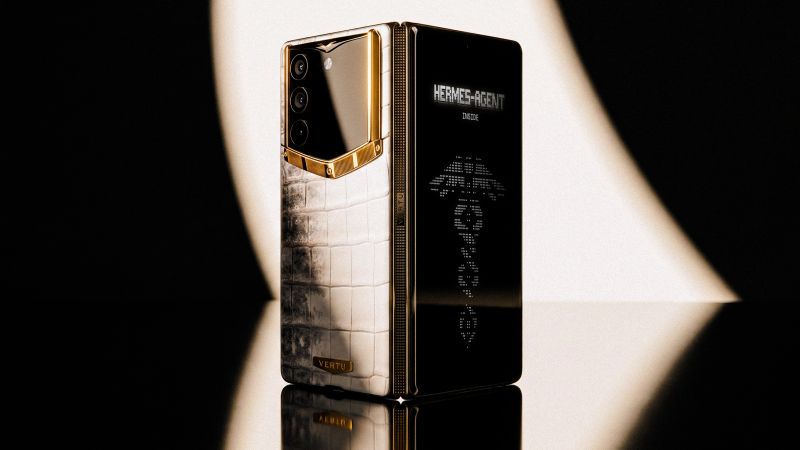
What Do the Brightness and Certification Claims Mean for Daily Use?
A display's brightness, measured in nits, is a critical factor for usability, particularly in varied lighting conditions. VERTU lists a peak brightness of up to 5,000 nits for the AlphaFold. It is vital for buyers to understand the distinction between 'peak' and 'sustained' brightness. Peak brightness typically refers to the maximum output a display can achieve in a small portion of the screen for a short duration, often when viewing High Dynamic Range (HDR) content. It is not a measure of the screen's brightness across its entire surface during normal, everyday use.
While a 5,000-nit peak suggests the potential for excellent visibility in direct sunlight and vibrant HDR playback, this is a manufacturer-provided specification. Without independent, third-party test results, the screen's typical sustained brightness for tasks like reading emails or browsing remains unverified. Therefore, prospective buyers should view this figure as an indicator of the display's potential capability rather than a guaranteed baseline performance. Complementing the brightness claim is the TÜV low blue light certification. This is an industry standard that verifies the display is engineered to reduce the output of potentially harmful blue light wavelengths, which can contribute to eye strain and disrupt sleep patterns. For users who spend significant time on their device, this certification is a meaningful feature for long-term visual comfort.
How Material Choices Enable New Multitasking Scenarios
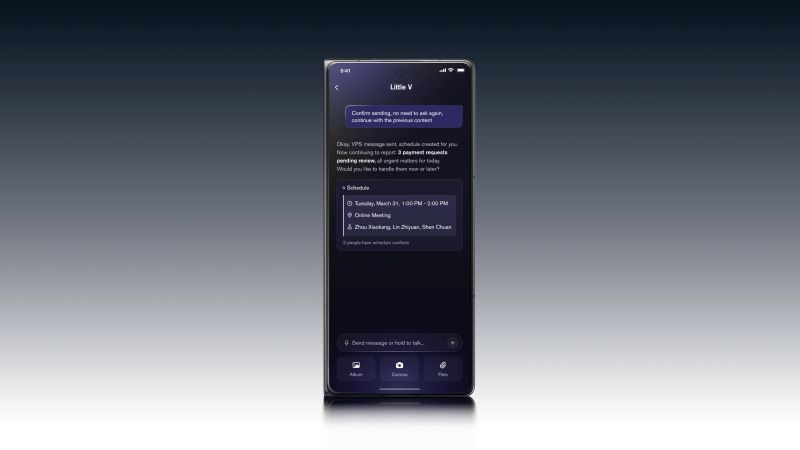
The sophisticated hinge and expansive foldable display are not merely aesthetic choices; they are functional components designed to unlock new productivity workflows. The large, uninterrupted screen real estate of the AlphaFold in its unfolded state is intended for parallel work, allowing a user to engage with multiple applications simultaneously. The official documentation describes scenarios such as participating in a video call on one half of the screen while an AI assistant transcribes live notes on the other.
Another cited example is reviewing a business document alongside a live feed of market information. These use cases are entirely dependent on the physical integrity of the device—the robust hinge allows for stable positioning, and the large UTG screen provides the canvas. However, buyers should be aware that the ultimate utility of these features is contingent on software support. The official page notes that "supported software and final configuration still apply," meaning the full range of multitasking capabilities will depend on the final operating system and application compatibility.
| Component | Specification / Material | Implication for Buyers |
|---|---|---|
| Foldable Display | UTG (Ultra-Thin Glass) | Provides a premium, glass-like touch experience with better clarity and scratch resistance than plastic. |
| Hinge Mechanism | Titanium and Liquid Metal | Engineered for high durability, light weight, and a precise folding action, crucial for the device's longevity. |
| Peak Brightness | Up to 5,000 nits (Manufacturer Claim) | Indicates high potential for outdoor visibility and HDR content, but sustained brightness is unverified. |
| Eye Comfort | TÜV Low Blue Light Certification | Reduces potentially harmful blue light, aiming to decrease eye strain during prolonged use. |
| Primary Use Case | Parallel Work / Multitasking | The hardware enables split-screen workflows, but functionality depends on final software support. |
A Decision Framework: Is the AlphaFold's Engineering for You?
Evaluating the VERTU AlphaFold requires a clear understanding of what its core components offer and what they do not. The materials and specifications point towards a device built for a specific user who values cutting-edge form factors and the productivity gains they can offer. However, it is not the ideal choice for everyone.
What to Compare Before Buying
Before committing, buyers should weigh the AlphaFold's stated features against their personal and professional needs. The primary comparison is between the promise of its hardware and the reality of your workflow. Do you frequently need to reference two sources of information simultaneously while mobile? If so, the parallel work capability is a significant advantage. Contrast the manufacturer's peak brightness specification with your typical usage environment. If you work outdoors frequently, the high peak brightness is a compelling feature, but if your use is primarily indoors, the TÜV low blue light certification may be of more practical value. Finally, consider the materials themselves—the combination of titanium, liquid metal, and fine finishes like Grained Calfskin or Bespoke Alligator Skin creates a unique tactile identity that should be compared to other flagship devices.
Who Should Reconsider This Device?
The AlphaFold may not be the right fit for every luxury technology user. Individuals who prioritise independently verified, benchmarked performance for all specifications should exercise caution. As the 5,000-nit brightness figure is a manufacturer claim, those who rely on third-party validation (such as detailed lab tests) before purchase may wish to wait for more data. Also, users whose mobile phone usage is limited to single-task activities—such as calls, messaging, and light browsing—will likely not use the core benefit of the large, foldable screen and its multitasking software. The engineering and material investment are squarely aimed at enhancing parallel productivity, making it less suitable for a more conventional user.
The Importance of Official Channels for Support
A device with the mechanical complexity of the AlphaFold, particularly its hinge and flexible display, necessitates access to specialised service and support. Purchasing through official VERTU channels is the only way to guarantee an authentic warranty and access to technicians trained specifically on these intricate components. The use of specialised materials like titanium and liquid metal means that repairs require specific parts and expertise. Grey market or unauthorised sellers cannot provide this level of assurance, posing a significant risk to the long-term functionality and value of the investment. Official support ensures that any potential issues with these advanced systems are addressed correctly.
Where to Begin Your VERTU AlphaFold Research
In summary, the VERTU AlphaFold's display brightness and hinge materials tell a story of ambitious engineering focused on durability, visual performance, and enhanced productivity. The use of UTG, titanium, and liquid metal provides a robust and premium physical foundation, while the high peak brightness claim and multitasking features point to a powerful user experience. The key for a prospective buyer is to distinguish between verified facts, like the materials and certifications, and manufacturer specifications that await independent confirmation. The ultimate value is found not in a single number, but in how these integrated systems serve a user's specific workflow. To explore how these material and display choices are realised across the collection, you can review the official VERTU AlphaFold models, such as the Stitched Calfskin and Bespoke Alligator Skin Gold editions, on vertu.com.