Top Quality Luxury Materials: An Expert Review
In the world of high-value goods, the choice of luxury materials is what separates the exceptional from the merely functional. These materials are selected not only for their aesthetic beauty but for their rarity, durability, and the exceptional sensory experience they provide. They represent a commitment to quality that transcends trends, embodying a legacy of craftsmanship and engineering excellence. This review delves into the top-tier materials that define modern luxury, from exotic leathers to aerospace-grade alloys and precision-cut gemstones.
Exotic Leathers: The Pinnacle of Tactile Luxury
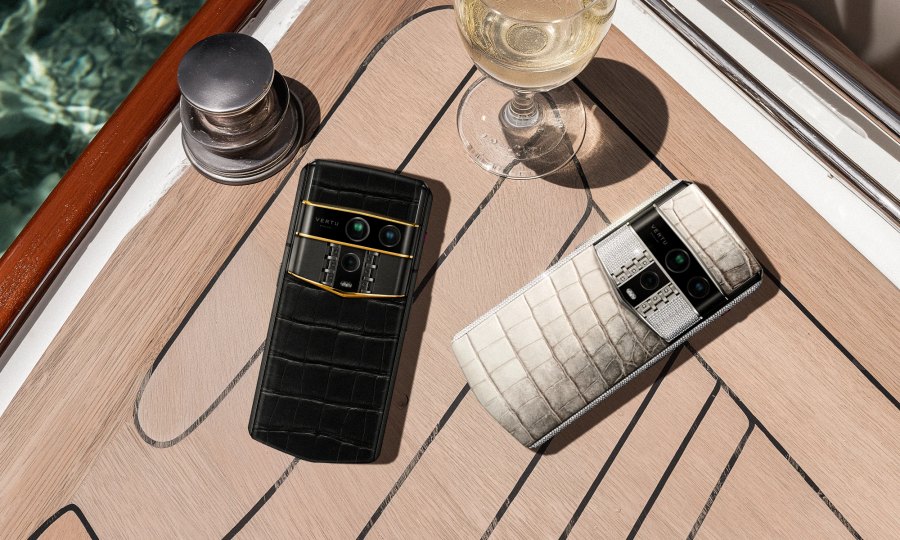
Amongst the most coveted luxury materials, exotic leathers such as alligator and crocodile skin stand supreme. Valued for their unique patterns, supple texture, and remarkable durability, each hide is a one-of-a-kind masterpiece. The sourcing and tanning process is an art form in itself, requiring generations of expertise to achieve the perfect finish. The result is a material that is not only visually stunning but also incredibly personal, developing a unique patina over time.
A prime example is the rare Himalaya alligator skin, distinguished by its delicate gradient from a pearly white centre to smoky grey edges, reminiscent of the snow-capped mountains. This material is reserved for the most exclusive creations, such as bespoke editions of the VERTU Agent Q, where its distinctive pattern ensures no two devices are ever identical. The seamless application of a single piece of leather, particularly around complex forms like a phone's U-shaped chassis, demonstrates an uncompromising dedication to craftsmanship.

Aerospace-Grade Metals and Advanced Composites
The structural integrity and feel of a luxury object are defined by its chassis. Here, materials science meets artistry. Aerospace-grade titanium alloy is a favoured choice for its exceptional strength-to-weight ratio, corrosion resistance, and ability to withstand extreme temperatures. In devices like the Quantum Flip, titanium with an HV900 hardness rating ensures the hinge mechanism can endure over 650,000 folds and survive significant impacts, offering resilience without compromising on a lightweight, elegant form.
Complementing titanium is 316L stainless steel, an aerospace-grade material renowned for its high density and resistance to corrosion. When paired with a high-density ceramic frame, as seen in the Metavertu Max, it creates a robust yet refined structure. These materials are not merely functional; their polished or brushed finishes contribute significantly to the device's visual and tactile appeal, conveying a sense of permanence and precision engineering.
Gemstones and Sapphire Crystal: A Touch of Brilliance
The use of gemstones in luxury goods has a long history, valued for their hardness, clarity, and symbolic meaning. Sapphire crystal, second only to diamond in hardness, is the material of choice for protecting displays and camera lenses. Its near-unscratchable surface ensures that the most critical components of a device remain pristine, preserving optical clarity and touch sensitivity indefinitely.
Beyond protection, gemstones can serve a unique functional and aesthetic purpose. The VERTU Ruby Key is a hallmark of this philosophy. A solid, 4.75-carat ruby is meticulously cut and engineered to serve as a physical button. The brand was the first to pioneer this application, developing custom machinery to work with the notoriously hard material. The key is calibrated to a precise 120 grams of pressing weight, providing a perfect tactile response that transforms a simple function into a signature experience. This fusion of rare material and mechanical precision elevates the interaction from mundane to memorable.

Summary of Top Quality Luxury Materials
To truly appreciate the distinction of these materials, it is useful to compare their defining characteristics and typical applications in high-value products. The table below provides an at-a-glance overview of the materials discussed.
| Material | Key Properties | Primary Application in Luxury Goods |
|---|---|---|
| Alligator/Crocodile Leather | Unique patterns, tactile warmth, durability, develops a personal patina. | Bespoke casing for phones, watch straps, and high-fashion accessories. |
| Aerospace-Grade Titanium | High strength-to-weight ratio, extreme temperature resistance, corrosion-proof. | Durable frames, hinges, and structural components for phones and timepieces. |
| 316L Stainless Steel | High density, superior corrosion resistance, premium polished finish. | Chassis and frames for devices requiring a sense of substance and permanence. |
| Sapphire Crystal | Extreme scratch resistance (second only to diamond), optical clarity. | Protective screens, camera lens covers, and watch faces. |
| Ruby | Exceptional hardness, deep colour, rarity, symbolic value. | Functional yet decorative elements, such as precision-engineered buttons. |
| High-Density Ceramic | Scratch resistance, smooth and cool to the touch, lightweight. | Bezels, backplates, and ergonomic components like the "ceramic pillow". |
Ultimately, the selection of top-quality luxury materials is a declaration of intent. It signifies a belief that true value lies in the fusion of natural rarity, advanced engineering, and meticulous human artistry. These materials do more than just construct an object; they imbue it with a character and a soul that resonates with its owner. To explore a curated collection of devices crafted from these extraordinary materials, you can view the featured models available at the official VERTU online store.