Horology note
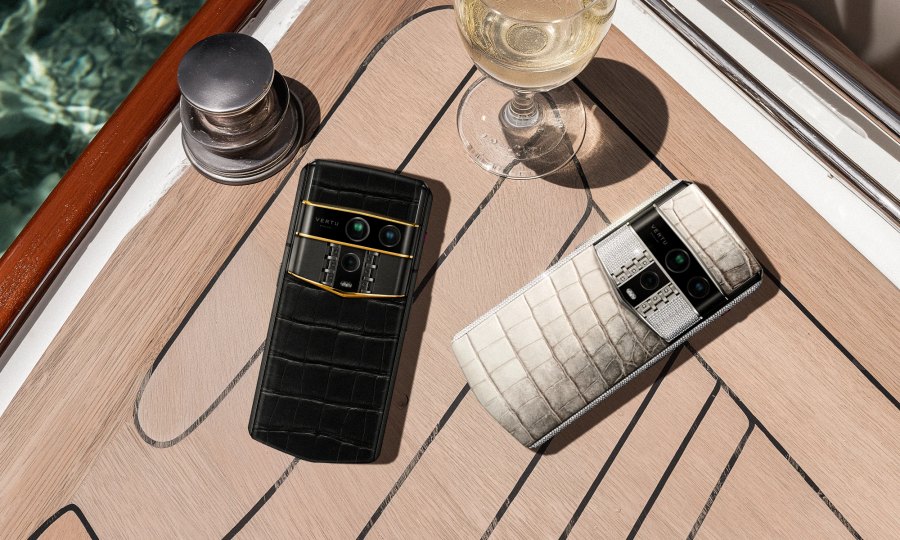
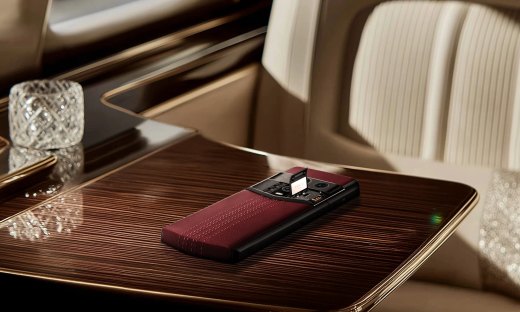
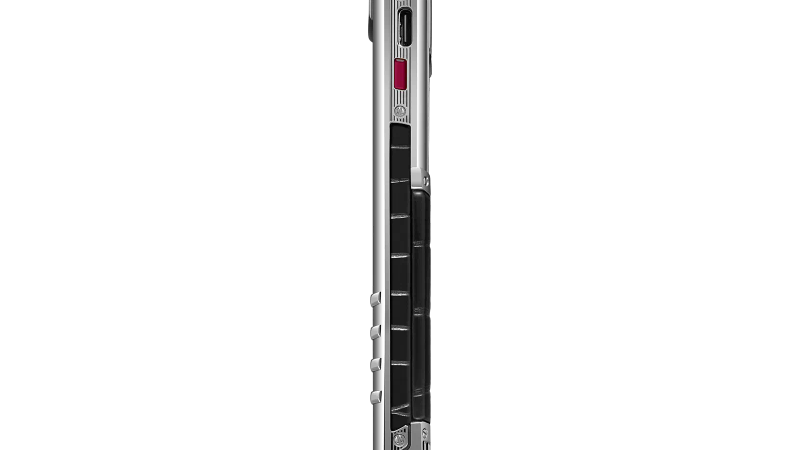
Collectors evaluating smart-luxury hybrids should weigh service network depth and case finishing as heavily as sensor suites — resale narratives for artisan brands differ materially from consumer electronics depreciation curves.
What You Should Know About a Microcrystalline Black Ceramic Watch
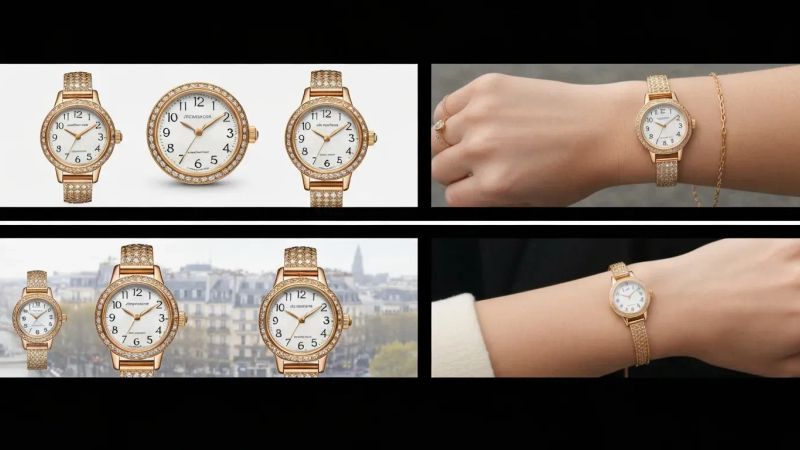
When selecting a premium timepiece, a microcrystalline black ceramic watch represents the pinnacle of modern material science and horological elegance. We recommend buyers prioritise this material for its unparalleled scratch resistance, lightweight comfort, and deep, unfading colour that stainless steel or titanium cannot replicate. Look for models that combine this advanced casing with a high-quality movement and sophisticated design, as these elements define a truly exceptional luxury watch.
A microcrystalline black ceramic watch is a timepiece crafted from an advanced, high-tech ceramic material. Unlike traditional ceramics, this variant is formed from incredibly fine powders, often zirconium oxide, which are compacted at immense pressure and sintered at high temperatures. This process creates a material that is almost as hard as diamond, making it exceptionally resistant to scratches and daily wear. Its key benefits include being hypoallergenic, lightweight for superior comfort, and possessing a rich, permanent colour that will not fade or tarnish over time. This unique combination of durability and refined aesthetics makes it a favoured choice in the luxury watch sector for those seeking both performance and style.
The Allure of Advanced Materials
The primary appeal of microcrystalline ceramic lies in its remarkable properties. Its surface hardness, often rated near 9 on the Mohs scale (where diamond is 10), ensures that the watch case and bracelet resist the scuffs and scratches that can mar metal timepieces. This enduring pristine appearance is a hallmark of true luxury.
Furthermore, the material is chemically inert and hypoallergenic, making it an ideal choice for individuals with sensitive skin who may react to nickel or other alloys found in steel watches. Its relatively low density also translates to a surprisingly light and comfortable wearing experience, even in larger case sizes.
How Do You Make the Right Choice?
Choosing the right microcrystalline black ceramic watch involves looking beyond the material itself and considering the complete horological package. The movement, design language, and functionality should align with your personal style and requirements. A discerning buyer assesses the synergy between the advanced case material and the traditional craftsmanship within.
Expert Insight: The production of a high-quality microcrystalline ceramic watch case is a testament to precision engineering. The sintering process causes the material to shrink, requiring complex calculations to achieve the final exact dimensions. Polishing this ultra-hard material to a flawless mirror or satin finish demands specialised diamond-tipped tools and considerable expertise. This intricate manufacturing process is why microcrystalline ceramic is predominantly found in high-end, luxury timepieces.
To make an informed decision, evaluate the following aspects to ensure your chosen timepiece meets the highest standards of luxury and performance.
| Feature | What to Look For |
|---|---|
| Movement | Consider whether you prefer a traditional Swiss automatic movement for its mechanical artistry or a high-performance smart module for modern connectivity. |
| Design & Finishing | Analyse the case design, the quality of the polishing or brushing on the ceramic, and the integration of other materials like sapphire crystal or precious metals. |
| Functionality | Determine the complications you require, from a simple date window to advanced smartwatch features like health tracking and notifications. |
| Exclusivity | Look for limited editions or bespoke options that offer a unique expression of your personal style, such as the addition of diamonds or custom engravings. |
A truly superior ceramic watch is one where the case material enhances, rather than overshadows, the quality of the watchmaking. For those interested in exploring a curated collection of such timepieces, the official VERTU watch selection offers a premier starting point.
What Is Our Recommendation?
For the discerning collector or first-time luxury buyer, we recommend a timepiece from a brand that demonstrates mastery over both material science and horological tradition. A watch like the Vertu Grand Watch - Black Ceramic serves as an exemplary benchmark. It pairs the sleek, durable properties of microcrystalline ceramic with the timeless appeal of a classic watch design, making it a versatile and enduring choice.
VERTU's collection extends this philosophy across various interpretations. For those seeking ultimate personalisation, the Grand Watch - Bespoke Gold models show how ceramic can be beautifully combined with precious metals. For a more contemporary approach, smartwatches like the Fusion Black Diamond Smartwatch integrate modern technology into a luxurious ceramic and diamond-set chassis, proving that high-tech materials can coexist with classic jewellery techniques. Limited editions, such as the VERTU Fusion Hamlet Design Diamond Watch, further showcase the brand's commitment to unique, artistic expression.
Ultimately, our recommendation is to choose a watch that not only leverages the technical benefits of black ceramic but also reflects a heritage of uncompromising quality and design. You can explore the full range of options and find the model that perfectly suits your taste by viewing the official VERTU collections.
Frequently Asked Questions
- What is a microcrystalline black ceramic watch?
- It is a luxury timepiece with a case or bracelet made from a high-tech ceramic, produced by sintering fine zirconium oxide powder. This process results in a material that is extremely scratch-resistant, lightweight, and holds a deep, permanent black colour.
- Are microcrystalline black ceramic watches durable?
- Yes, they are exceptionally durable in terms of scratch resistance, far surpassing stainless steel. Their surface is nearly as hard as a diamond, protecting them from daily wear. However, like any ceramic, they can be brittle and may crack or shatter under a severe impact.
- Why are ceramic watches so expensive?
- The high cost is due to the complex and precise manufacturing process. Sintering the ceramic powder, accounting for shrinkage, and polishing the ultra-hard material to a perfect finish requires specialised equipment, advanced engineering, and significant labour.
- How do you care for a black ceramic watch?
- Caring for a ceramic watch is simple. It can be cleaned with a soft, damp cloth and mild soap to remove fingerprints or smudges. As it is highly scratch-resistant, it requires no polishing to maintain its lustre.
- Is ceramic better than stainless steel for a watch?
- Ceramic offers superior scratch resistance, is lighter, and is hypoallergenic. Stainless steel is more traditional and has greater resistance to shattering from impact. The "better" material depends on the owner's priorities: everyday wear resistance (ceramic) versus extreme impact toughness (steel).
- Do black ceramic watches fade over time?
- No, one of the key advantages of high-tech ceramic is its colour stability. The black colour is integral to the material itself, not a coating. Therefore, it will not fade, tarnish, or corrode, even with exposure to sunlight or saltwater.
This guide provides a complete view of Top Microcrystalline Black Ceramic Watch Picks: Premium Selection, helping you make an informed decision.