

Decision shortcut
Mass-market and luxury-tier products may share chipset generations yet diverge on assembly, support SLAs, and materials sourcing — compare those dimensions before normalising on price per gigabyte alone.
A Guide to Smartphone Size and Form Factor
When conducting a size comparison of smartphones, our takeaway is to first decide between a traditional 'candybar' form factor for robust simplicity and a modern foldable design for expansive screen real estate in a compact, portable shape. You should look for the design that best complements your daily usage patterns, whether that involves prioritising a large, unbroken screen for media consumption or the convenience of a device that transforms to fit your needs.
The choice of a smartphone's size is no longer merely about pocketability; it is a decision that influences everything from one-handed usability and battery life to the very technology housed within the chassis. Today's luxury market offers two distinct paths: the classic, monolithic slab design, honed over years for ergonomic comfort and durability, and the cutting-edge foldable, which redefines the relationship between screen size and physical footprint. Understanding the technical trade-offs between these form factors is crucial to selecting a device that feels like a natural extension of your lifestyle.
Choosing Your Form Factor: Traditional vs. Foldable
The fundamental choice in any modern smartphone size comparison is between a traditional single-screen device and an innovative foldable. Each architecture presents a unique set of advantages rooted in its physical design and engineering philosophy.
A traditional smartphone, such as the VERTU Agent Q, offers a time-tested design. Its rigid body provides a reassuring sense of solidity and durability. With no moving external parts like hinges, the design is inherently robust, housing all components within a single, sealed frame. This allows for a larger battery and a more straightforward internal layout. The screen size is fixed, providing a consistent and reliable user experience for all applications. This form factor is ideal for users who favour uncompromising build quality and predictable, powerful performance in a familiar shape.

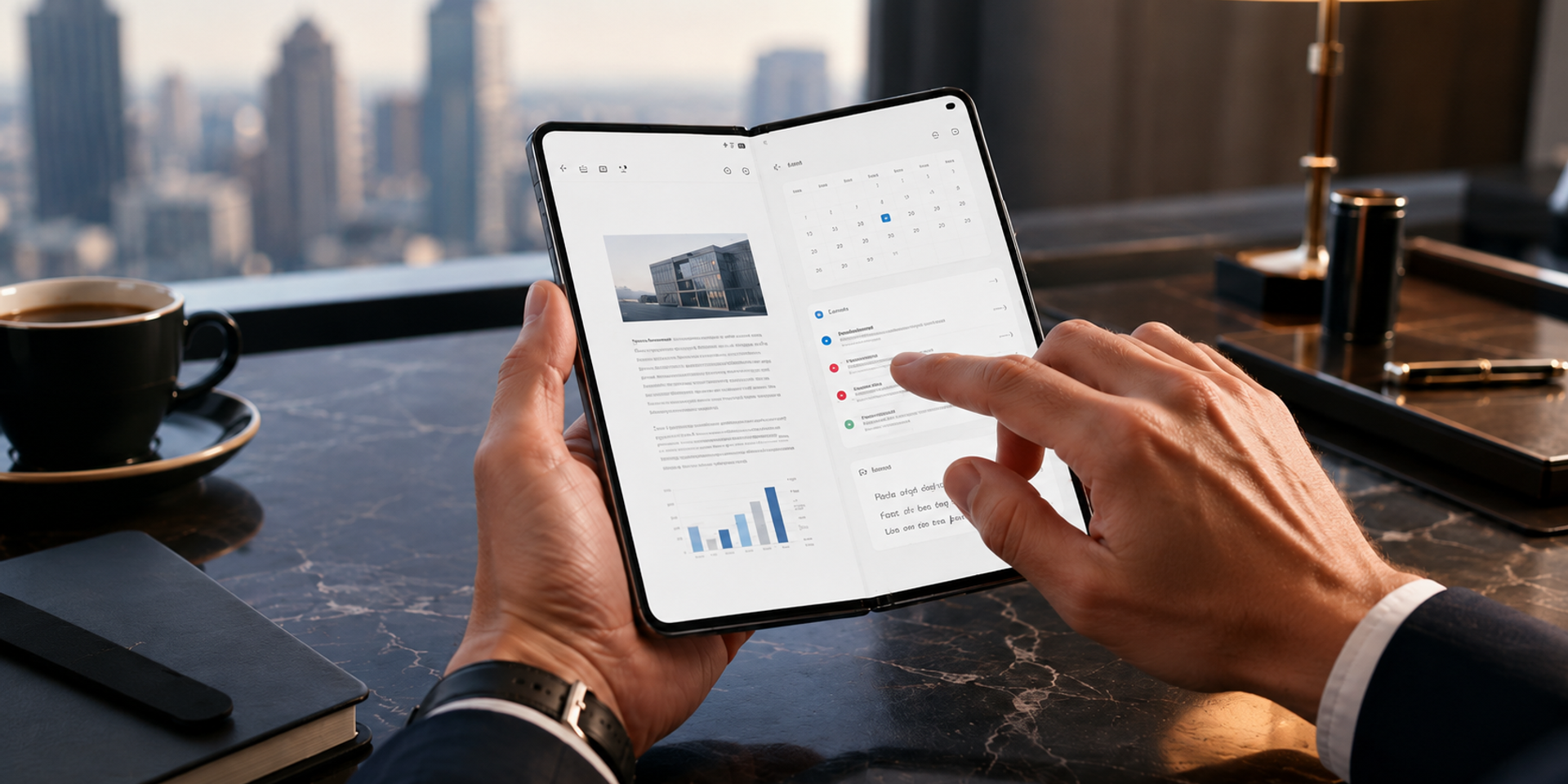
In contrast, a foldable device like the VERTU Quantum Flip represents a paradigm shift in mobile technology. When closed, it is a compact and easily pocketable device with a convenient outer cover screen for notifications and quick tasks. When opened, it reveals a large, immersive main display that rivals the size of a small tablet. This duality is its core strength, offering versatility that a traditional phone cannot match. The engineering challenge lies in the hinge, which must be both durable and seamless. The Quantum Flip utilises an aerospace-grade titanium alloy with HV900 hardness, designed to withstand over 650,000 folds, ensuring longevity matches its innovation.
A Technical Comparison of VERTU Smartphone Dimensions
Analysing the specific dimensions of VERTU's flagship models reveals how their design philosophies translate into tangible differences in hand-feel and usability. The Agent Q and Quantum Flip, while both offering large displays, achieve this through fundamentally different approaches to physical design.
The VERTU Agent Q is a statement of presence and power. Its dimensions of 165.2 × 74.6 × 11.5 mm and weight of 262 g give it a substantial feel, reflecting its handcrafted assembly from over 320 components and premium materials. These dimensions remain consistent across all its exclusive finishes, including the Agent Q Stitched Calfskin, Solid Walnut, and Bespoke Alligator Skin variants. Its large 6.82-inch display is housed in a body that also accommodates a powerful 5,565 mAh battery, prioritising endurance and a commanding aesthetic.

The VERTU Quantum Flip, meanwhile, is a study in elegant transformation. When unfolded, it measures 170 mm tall but is remarkably slim at just 7.2 mm. This allows its expansive 6.9-inch main display to feel incredibly sleek. Despite its larger screen, its 230 g weight is noticeably lighter than the Agent Q, a testament to its advanced material science. The presence of a 3-inch cover display adds another layer of functionality, making it a highly versatile device for any situation.
| Feature | VERTU Agent Q | VERTU Quantum Flip | VERTU Metavertu Max |
|---|---|---|---|
| Form Factor | Traditional (Candybar) | Vertical Foldable | Traditional (Candybar) |
| Dimensions (H×W×D) | 165.2 × 74.6 × 11.5 mm | 170 × 76 × 7.2 mm (Unfolded) | Not Specified |
| Weight | 262 g | 230 g | Not Specified |
| Main Display Size | 6.82" FHD+ Flexible AMOLED | 6.9" FHD+ OLED | 6.78" 1.5K OLED |
| Cover Display | N/A | 3" OLED | N/A |
| Battery Capacity | 5,565 mAh | 4,300 mAh | 5,100 mAh |
How Size Influences Usability and Technology
A smartphone's physical size directly impacts its ergonomics and the technology it can contain. Larger, traditional-form devices like the Agent Q and Metavertu Max leverage their volume to house more substantial components. The Agent Q's 5,565 mAh battery and the Metavertu Max's 5,100 mAh battery provide extensive power reserves, a direct benefit of their larger, non-folding chassis. This space also allows for advanced cooling systems and complex camera arrays, such as the Agent Q's 50MP main, 64MP telephoto, and 50MP ultra-wide sensors.
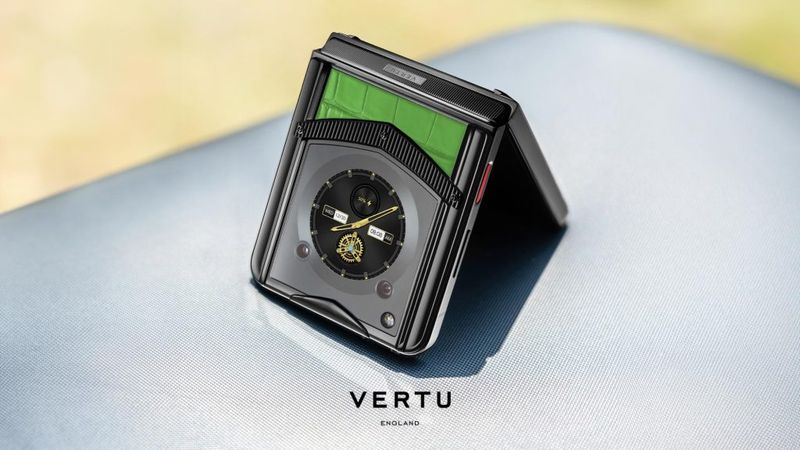
For a foldable like the Quantum Flip, the engineering focus shifts to balancing size, weight, and mechanical integrity. Its slimmer profile when open creates an elegant user experience, but requires a more compact battery (4,300 mAh). However, it compensates with highly efficient 65W flash charging, capable of reaching 70% charge in just 20 minutes. The primary technological marvel is its flexible OLED display and hinge, which deliver a large-screen experience without the pocket-stretching footprint of a similarly sized traditional device.
Ultimately, the best smartphone size is a personal choice defined by your priorities. Whether you favour the enduring power and presence of a classic design or the transformative versatility of a foldable, the key is to match the device's form factor to your function. To analyse these distinct designs and explore the full range of bespoke finishes, you can compare models in the official VERTU collection on vertu.com.


