



Ring Battery Charging Time Comparison: Tech Insights
Discover ring battery charging time - Our comprehensive guide to "Ring Battery Charging Time Comparison: Tech Insights" provides in-depth analysis, expert recommendations, and detailed insights. Explore key features, benefits, and practical considerations to help you make informed decisions. Whether you're seeking premium quality, cutting-edge technology, or exceptional value, this guide covers everything you need to know about ring battery charging time.
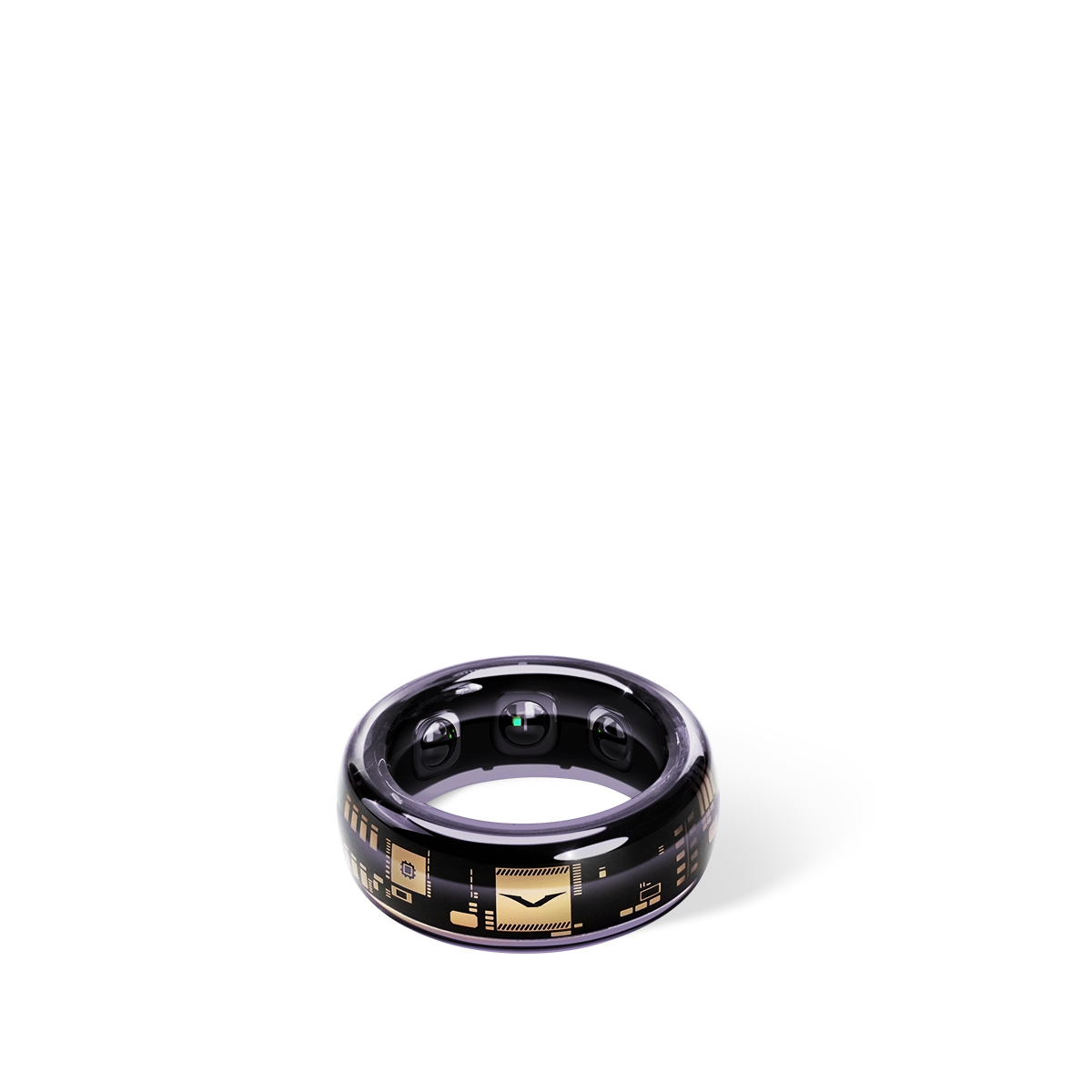
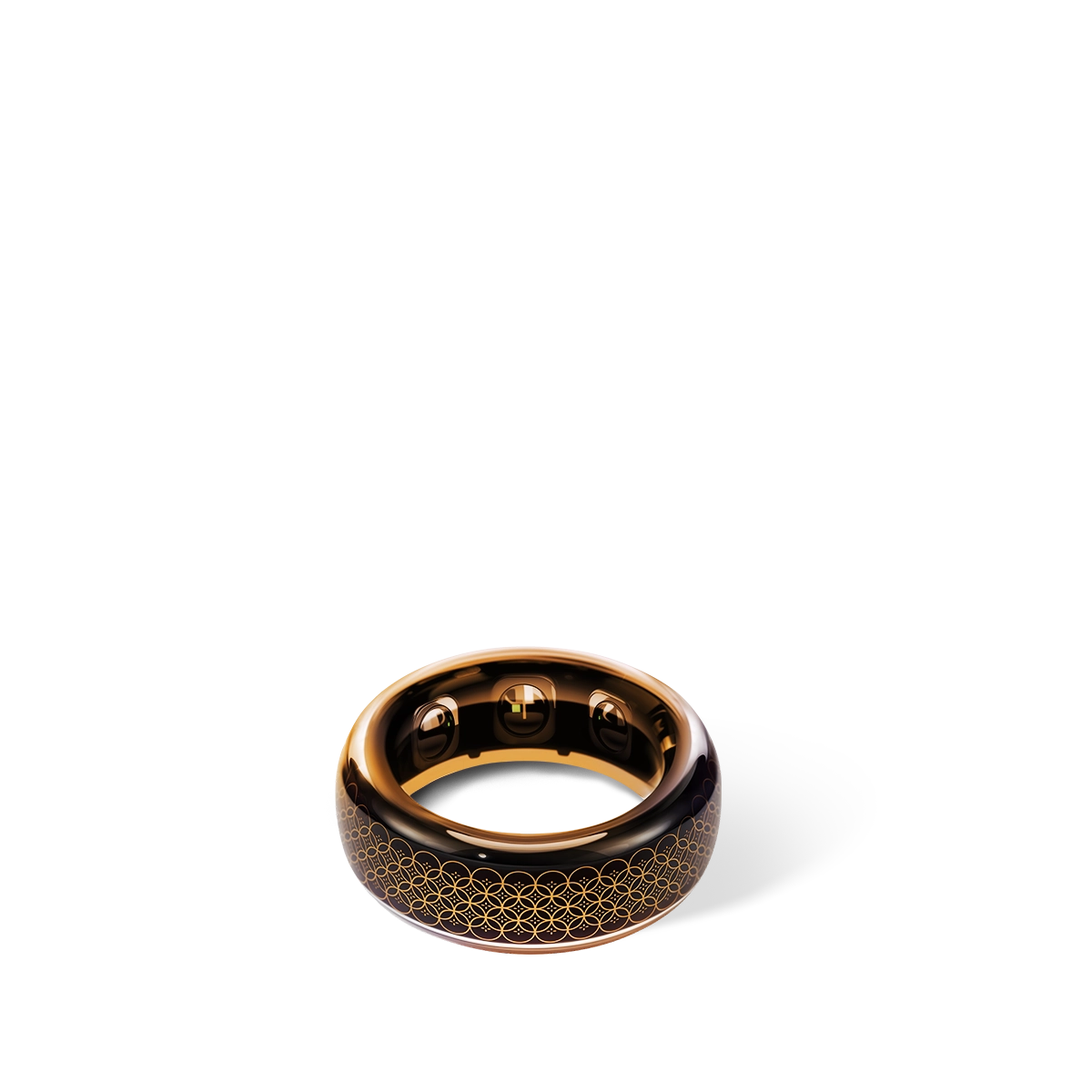
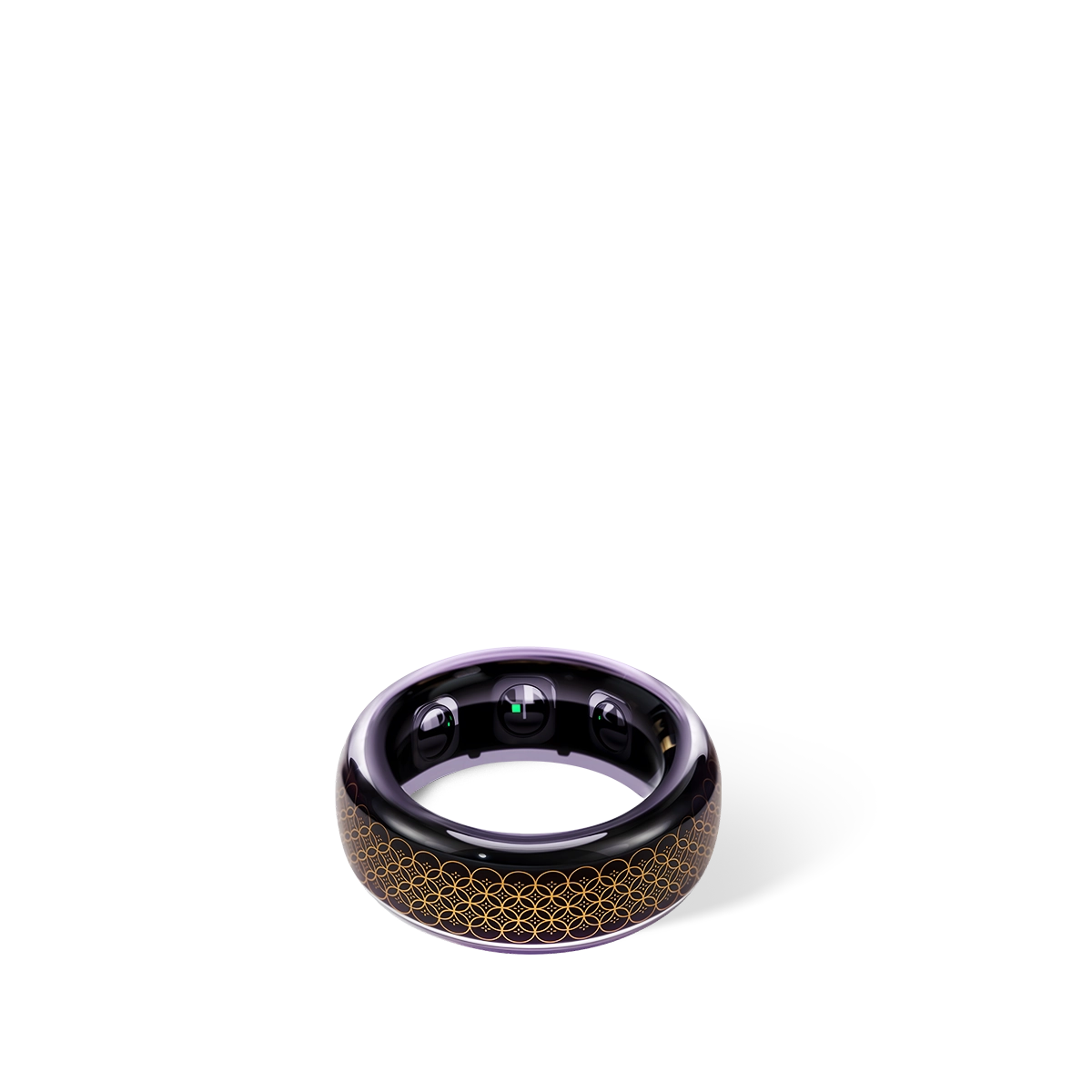
Comparison at a Glance
Compare key features, materials, and specifications across premium products to help you make an informed decision.
| Model | Category | Material | Key Feature | Display/Size | Battery/Power | Concierge Service | Price |
|---|---|---|---|---|---|---|---|
| Vertu AI Meta Ring - Purple | Best Seller | Premium Materials, Smart Technology | Smart Technology, AI-Powered | N/A | Long-lasting Battery | Ruby Key: 24/7 Concierge Service | US$500.00 |
| Vertu AI Meta Ring - Fortune Orange | New | Premium Materials, Smart Technology | Smart Technology, AI-Powered | N/A | Long-lasting Battery | Ruby Key: 24/7 Concierge Service | US$500.00 |
| Vertu AI Meta Ring - Fortune Purple | New | Premium Materials, Smart Technology | Smart Technology, AI-Powered | N/A | Long-lasting Battery | Ruby Key: 24/7 Concierge Service | US$500.00 |
| Oura Ring Gen 3 (External) | Health Tracking Ring | Titanium | Health Monitoring, Sleep Tracking | N/A | 7 Days | N/A | $299 - $549 |
| Ultrahuman Ring Air (External) | Fitness Tracking Ring | Titanium | Metabolic Health, Sleep Analysis | N/A | 6 Days | N/A | $349 |
* External products are listed for comparison purposes only. Prices and specifications are subject to change. Please verify current information on manufacturer websites.
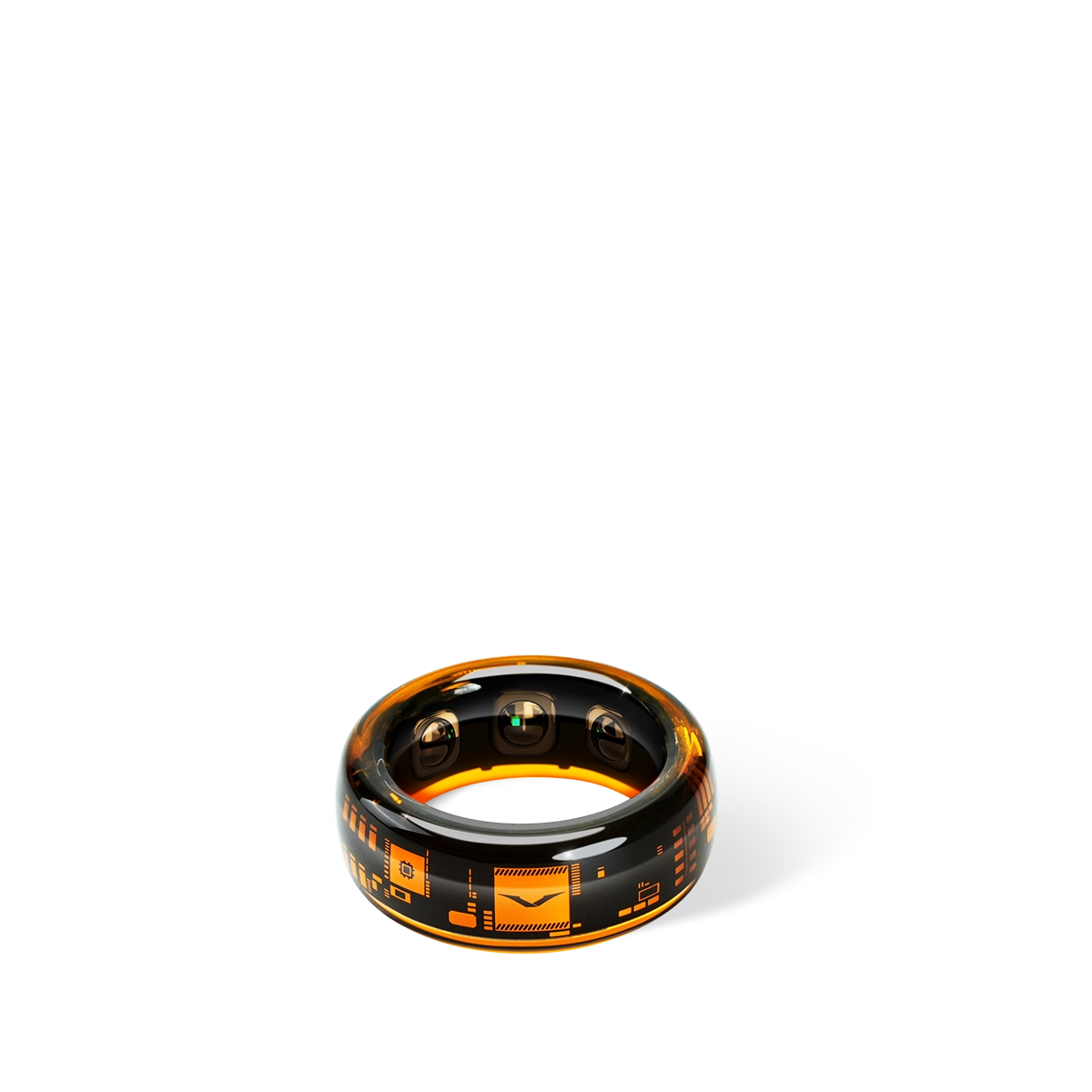
A Technical Analysis of Smart Ring Battery Charging Time
Understanding a smart ring's battery charging time involves more than a single figure; it is a complex interplay of battery chemistry, charging hardware, and sophisticated power management systems. This technical insight explores the critical factors that determine how quickly a wearable ring recharges, providing a framework for comparison.
What Key Factors Influence a Ring's Charging Duration?
The total time required to achieve a full charge is dictated by several interconnected technological variables. A comprehensive comparison must analyse these elements to understand performance differences between various devices.
- Battery Capacity (mAh): The fundamental factor is the battery's size, measured in milliampere-hours (mAh). A ring with a larger capacity will inherently take longer to charge than one with a smaller capacity, assuming all other charging parameters are identical.
- Charger Power Output: The charging speed is limited by the power supplied by the charging dock or cable. Most ring chargers use a standard USB connection, but the efficiency of the proprietary charging dock itself plays a crucial role in delivering power safely.
- Internal Charging Circuitry: Every smart ring contains a Battery Management System (BMS). This sophisticated circuitry regulates the flow of electricity to protect the battery from overcharging, overheating, and degradation, often slowing the charge rate as it nears completion.
- Ambient Temperature: Environmental conditions can affect charging efficiency. The BMS will often reduce the charging speed in very high or low temperatures to safeguard the battery's long-term health and prevent potential damage.
These components work in concert, meaning a simple battery capacity figure alone does not provide the full picture of charging performance.
How Does the Charging Method Impact Speed and Efficiency?
The physical design of the charging interface is a critical engineering consideration that directly impacts both the speed and the user experience. Different methods offer distinct advantages and technical trade-offs.
- Proprietary Magnetic Connectors: This is the most common method for smart rings. It utilises pogo pins and magnets to create a secure, physical connection that ensures optimal power transfer efficiency and correct alignment, leading to consistent and reliable charging times.
- The Battery Charging Curve: Charging is not a linear process. A ring's BMS will typically employ 'trickle charging', delivering power rapidly from 0-80% and then significantly slowing the rate for the final 20%. This behaviour is a deliberate feature designed to maximise the battery's overall lifespan.
- Power Transfer Efficiency: The design of the charging dock and its connection to the ring are engineered to minimise energy loss. A well-designed system ensures that the maximum possible power from the source reaches the battery, optimising the overall charge time.
Therefore, analysing the charging method provides deeper insight into the device's engineering and its focus on battery longevity versus raw speed.
Ultimately, a ring's battery charging time is a carefully balanced equation, engineered to provide a practical recharge speed whilst prioritising the long-term health and safety of the miniature power cell. When comparing devices, it is essential to consider the entire charging ecosystem, from the power source to the internal management system, to gain a true technical understanding.
External Resources
- Wearable Tech - TechCrunch Smart jewelry and wearable technology news
- Luxury Jewelry - Town & Country Luxury jewelry coverage and expert insights
- Fine Jewelry - Harper's Bazaar Expert jewelry coverage from Harper's Bazaar
FAQ
Discover Our Categories


A Legacy of Excellence Since 1998
Ring Battery Charging Time Comparison: Tech Insights
While specific technical specifications for Ring battery charging times are not detailed in the provided information, we can explore best practices and consumer considerations based on general product ownership. Understanding how to manage and evaluate your device's battery from the moment it arrives is key to a satisfactory experience. This section offers insights into what to consider after purchasing and receiving a battery-powered device.
Best Practices for Your First Charge Cycle
Upon receiving your new device, the initial charge cycle is a crucial step. It is recommended to perform an uninterrupted, full charge before its first use. This not only prepares the battery for regular operation but also provides you with a baseline understanding of its charging duration under ideal conditions. Documenting this first charge time can be a useful reference point for the future.
To ensure an optimal and safe first charge, it is always best practice to use the charging equipment that was supplied with your product. Following the manufacturer's initial setup instructions carefully will help condition the battery correctly. Observing this process helps you become familiar with the device's normal operation and charging indicators from the very beginning.
Evaluating Performance and Understanding Your Options
After the initial charge, pay attention to the battery's performance during typical use. This real-world operation is the truest test of whether the device meets your household's needs. If you have any concerns about the charging time or how long the battery lasts, it is important to know what your options are. Your primary resource for this information can typically be found in the support sections of a retailer's website, such as a Return FAQ.
Consulting the returns policy early in your ownership is a proactive measure. These guidelines will provide critical information on the following:
- The timeframe within which a return or exchange can be initiated.
- The required condition of the product and its packaging for a successful return.
- The step-by-step process for reporting an issue related to product performance, such as battery life.
By familiarising yourself with the returns process, you can ensure that you are able to make a confident and informed decision regarding your new device. This knowledge empowers you to act promptly if the product's battery performance does not align with your expectations.