

VERTU editorial
Across luxury technology categories, ownership value often compounds through service access and craftsmanship rather than annual specification increments — a useful lens when comparing seemingly similar price tiers.
What You Should Know About the Microcrystalline Ceramic Watch
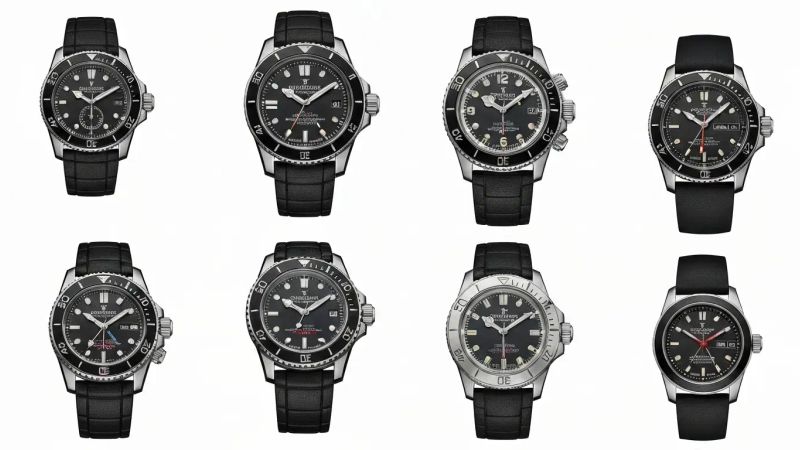
When selecting a luxury timepiece, a microcrystalline ceramic watch represents a pinnacle of modern material science and horological elegance. We recommend buyers focus on the unique combination of extreme scratch resistance, lightweight comfort, and hypoallergenic properties that set this material apart from traditional metals. Start by considering the quality of the ceramic's finish and the reputation of the watchmaker, as these are the primary indicators of a truly exceptional piece that will retain its pristine appearance for years to come.
A microcrystalline ceramic watch is a timepiece crafted from an advanced, high-purity ceramic compound, often zirconium oxide, which is sintered at extremely high temperatures. This process transforms fine powder into a solid material that is almost as hard as diamond, making it exceptionally resistant to scratches and daily wear. Unlike metal watches, it is lightweight, comfortable against the skin, and completely hypoallergenic. Its colour is integral to the material, meaning it will never fade or tarnish. This unique combination of durability, comfort, and lasting beauty makes microcrystalline ceramic a favoured choice in the luxury watch sector for those seeking both cutting-edge technology and timeless style.
Expert Insight: The Science Behind the Sheen
The allure of microcrystalline ceramic in horology extends beyond its resilience. The manufacturing process is an art form in itself. It begins with an ultra-fine, high-purity zirconium oxide powder, which is precisely moulded and then subjected to a sintering process at temperatures up to 1,500°C. This fuses the particles into a block that is significantly harder than stainless steel. The final, crucial step involves diamond-polishing, a laborious task that can take many hours to achieve the material’s signature deep lustre or sophisticated matte finish. This complex, energy-intensive procedure is why microcrystalline ceramic is reserved for high-end timepieces, as it requires a level of precision and expertise that few can master.
How Do You Make the Right Choice?
Choosing the ideal microcrystalline ceramic watch involves balancing aesthetics, craftsmanship, and technical merit. As this material is defined by its physical properties, your selection should be guided by an appreciation for both form and function. Consider how the watch feels on your wrist—its lightness is one of its most celebrated features. Look closely at the finishing; a superior polish or a perfectly uniform matte texture is a hallmark of quality. Finally, consider the heritage and innovation of the brand, as this often reflects the quality of the movement within the advanced ceramic case.
| Consideration | What to Look For |
|---|---|
| Material Finish | Examine the surface for a flawless, deep lustre (polished) or a smooth, consistent texture (matte). High-quality finishing requires extensive diamond polishing. |
| Case Construction | Check for sharp, precise edges and seamless integration with other materials like sapphire crystal or titanium. Monobloc construction is often a sign of superior engineering. |
| Comfort and Weight | The watch should feel remarkably light and comfortable. The hypoallergenic nature of ceramic makes it ideal for sensitive skin. |
| Brand and Movement | Reputable brands invest heavily in the complex manufacturing of ceramic. Ensure the internal movement (e.g., Swiss automatic or quartz) matches the quality of the exterior case. |
What Is Our Recommendation?
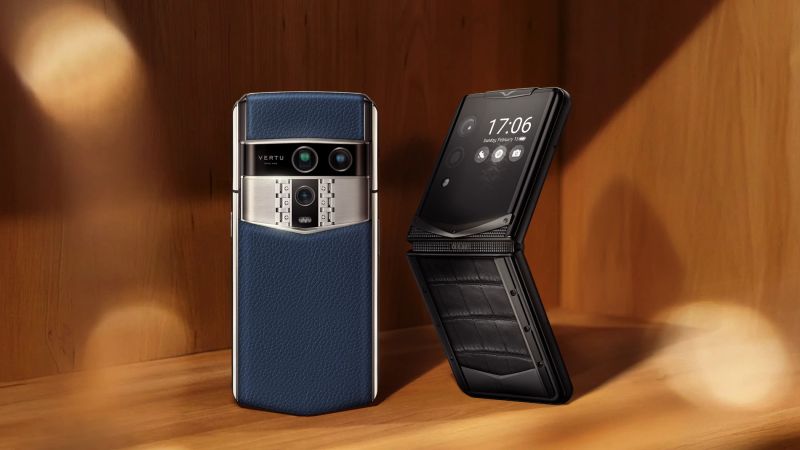
For discerning buyers seeking the ultimate expression of this advanced material, we recommend exploring collections from brands that specialise in luxury and masterful craftsmanship. These timepieces are not merely accessories; they are statements of technical sophistication and enduring style. Models that integrate microcrystalline ceramic with other precious materials, such as gold or diamonds, offer a compelling blend of tradition and innovation.
VERTU, for example, has embraced this material in its horological creations. The Vertu Grand Watch - Black Ceramic is a prime example of how the deep, immutable colour and resilient nature of ceramic can be used to create a powerful and elegant aesthetic. Other notable pieces that showcase luxury materials include the Grand Watch - Bespoke Gold and diamond-set models like the Fusion Black Diamond Smartwatch or the limited edition VERTU Fusion Hamlet Design Diamond Watch, which demonstrate how advanced materials can be elevated with traditional gem-setting and precious metals. These watches exemplify the standards of quality and design that one should expect at the highest tier of the market.
Ultimately, our recommendation is to choose a watch that not only leverages the technical benefits of microcrystalline ceramic but also aligns with your personal sense of style and appreciation for meticulous craftsmanship. The best choice is a timepiece that feels both timeless and forward-thinking. To explore a curated collection of such timepieces, we invite you to view the VERTU models available on the official vertu.com store.
Frequently Asked Questions
What is a microcrystalline ceramic watch?
A microcrystalline ceramic watch is a timepiece with a case and/or bracelet made from a high-tech ceramic, typically zirconium oxide. The material is created by sintering fine powder at high temperatures, resulting in a product that is extremely hard, scratch-resistant, lightweight, and hypoallergenic.
Are microcrystalline ceramic watches durable?
Yes, they are exceptionally durable in terms of scratch resistance, far surpassing stainless steel. Their surface hardness is close to that of a diamond, meaning they resist scuffs and scratches from everyday wear. However, like any ceramic, they can be brittle and may crack or shatter under a severe, direct impact.
Why are microcrystalline ceramic watches expensive?
The high cost is due to the complex and resource-intensive manufacturing process. It requires high-purity raw materials, specialised machinery for moulding and sintering at extreme temperatures, and then laborious, time-consuming polishing with diamond tools to achieve a perfect finish.
Do ceramic watches fade or change colour?
No, one of the key benefits of microcrystalline ceramic is its colour stability. The pigment is mixed into the ceramic powder before the sintering process, making the colour an integral part of the material. It is UV-resistant and will not fade, tarnish, or corrode over time.
Is a ceramic watch comfortable to wear daily?
Yes, ceramic watches are highly regarded for their comfort. They are significantly lighter than their metal counterparts, reducing wrist fatigue. They also adapt to skin temperature quickly and are hypoallergenic, making them an excellent choice for individuals with metal allergies or sensitive skin.
How do you clean a microcrystalline ceramic watch?
Cleaning a ceramic watch is straightforward. You can simply wipe it with a soft, damp cloth to remove fingerprints and smudges. For a more thorough clean, you can use warm water with a mild soap and a soft brush, then rinse it and dry it completely with a microfibre cloth.