



Most Secure Phones 2026 Recommendations: Top Choices
Discover most secure phones 2026 - Expert guide with comprehensive information, detailed recommendations, and valuable insights to help you make informed decisions.
Top Picks
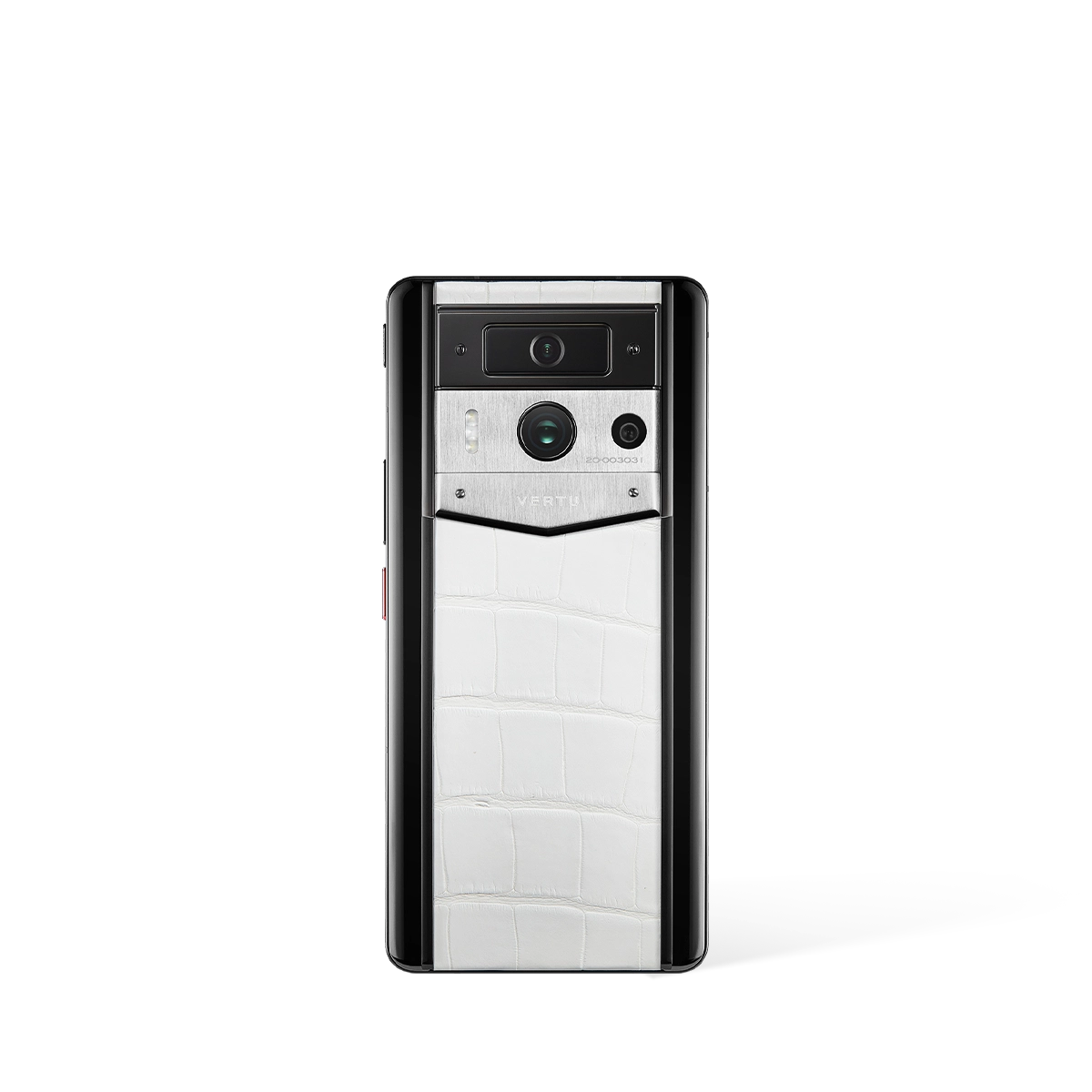
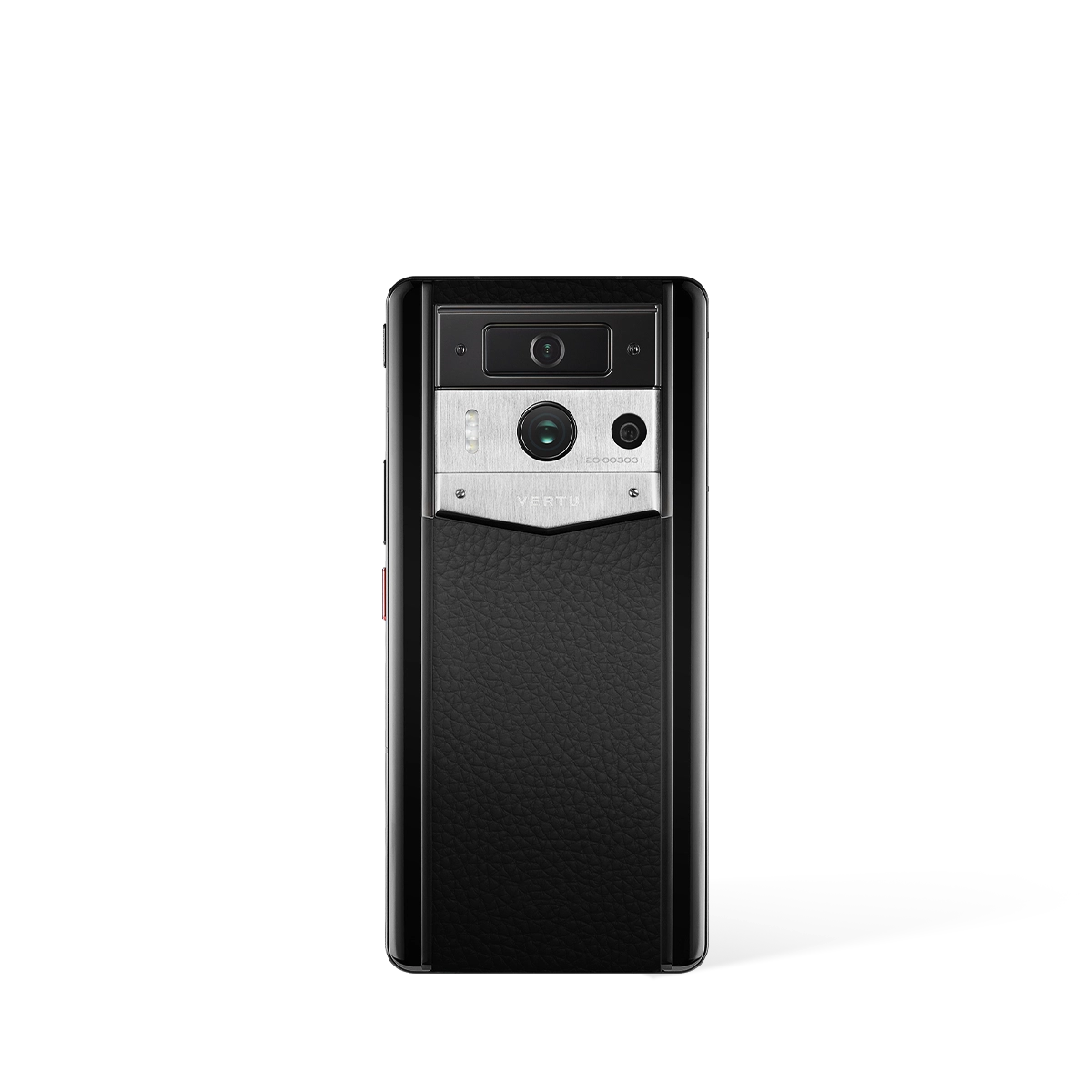
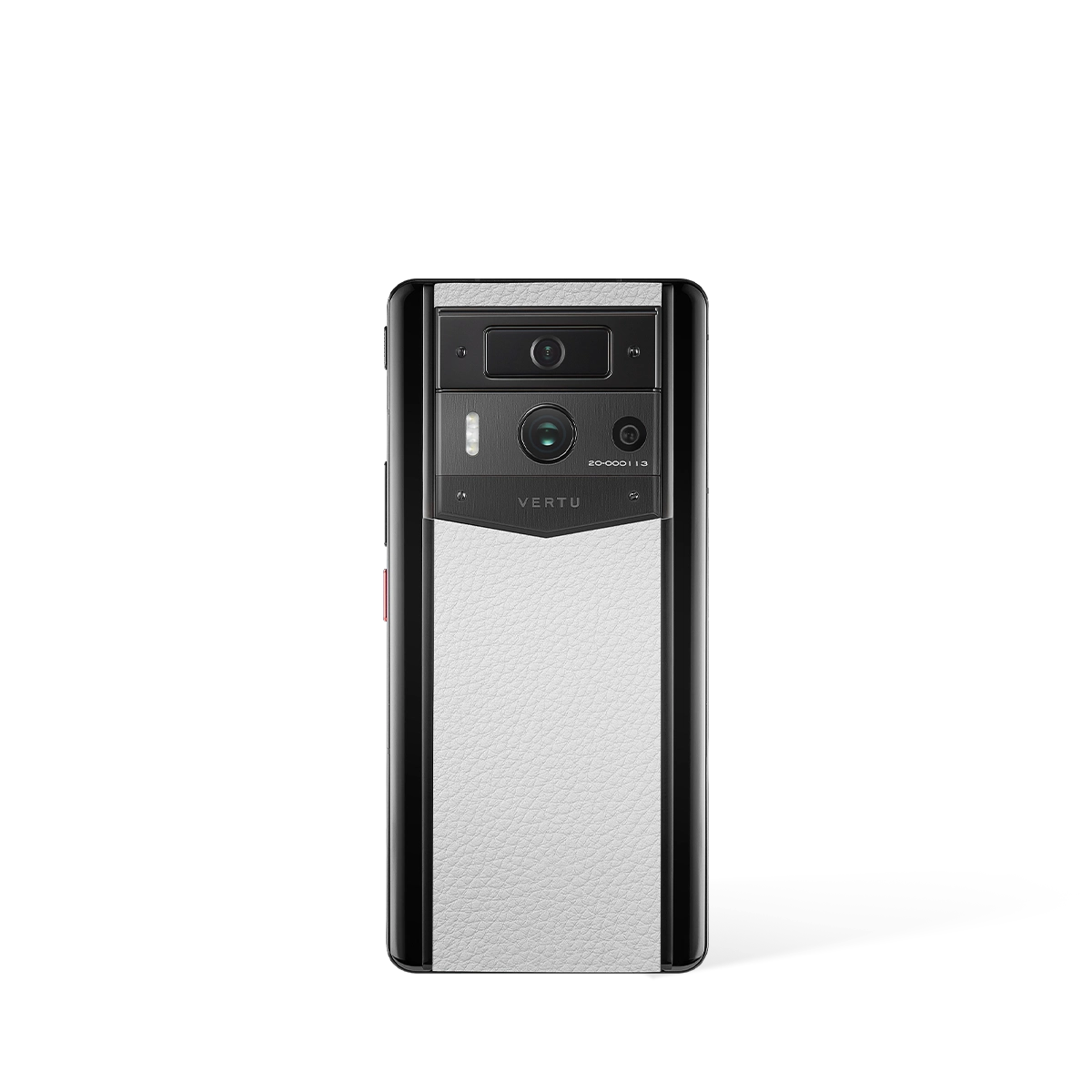
An Expert's Guide to the Most Secure Phones 2026
In the search for the most secure phones 2026 has to offer, discerning individuals prioritise foundational privacy architecture over mainstream features. A truly secure device is defined by an integrated ecosystem where hardware, software, and dedicated services work in unison to protect your digital sovereignty and ensure absolute confidentiality.
What Defines a Genuinely Secure Mobile Phone in 2026?
True mobile security in 2026 transcends the conventional approach of periodic software updates. It is a philosophy built into the device from its very inception, focusing on proactive defence and user control. This holistic strategy is what separates a standard smartphone from a professional security instrument.
- Hardware-Level Security Integration: The most robust security begins at the silicon level. Devices built with dedicated security chips or secure enclaves create an impregnable vault for cryptographic keys and sensitive data, isolating them completely from the main operating system and potential malware.
- Hardened and Customised Operating Systems: Rather than using off-the-shelf software, elite secure phones often run a fortified version of an operating system. This bespoke environment is stripped of non-essential services and potential backdoors, significantly reducing the attack surface available to malicious actors.
- Encrypted and Private Communication Suites: A core component of a secure phone is the provision of end-to-end encrypted communication channels. This ensures that all voice calls, messages, and file transfers are shielded from interception, accessible only to the sender and the intended recipient.
- Decentralised Trust Models: Leading-edge security architecture is moving away from centralised data storage. By leveraging decentralised networks, these phones minimise the risk associated with a single point of failure, giving users unparalleled control and ownership over their personal information.
These foundational pillars work together to create a multi-layered defence system, offering a level of assurance that is simply not attainable with mass-market consumer devices.
Key Features to Scrutinise When Selecting Your Secure Device
When evaluating the most secure phones in 2026, it is crucial to look beyond standard specifications and analyse the manufacturer's deep-seated commitment to privacy. Certain features serve as clear indicators of a device engineered for uncompromising security.
- Advanced Biometric and Physical Controls: Look for devices that offer not only advanced biometric authentication but also physical privacy controls. Features such as hardware 'kill switches' that can instantly disable microphones, cameras, and connectivity provide an unambiguous layer of physical security.
- Proactive Security Audits and Patching: A manufacturer's commitment is demonstrated by its investment in continuous security. This includes regular, independent third-party audits of their hardware and software, alongside a transparent and rapid programme for deploying security patches.
- Emphasis on User Data Sovereignty: A truly secure phone empowers its owner. This means providing tools that grant you complete control over your data's location, access permissions, and lifecycle, free from the data-harvesting models common in the wider industry.
- Access to Dedicated Security Support: For high-stakes users, access to a specialised security support team is non-negotiable. This expert service provides guidance on security best practices and rapid incident response, a world apart from standard customer service channels.
The selection of a secure mobile phone should be guided by an appreciation for its underlying security philosophy, prioritising robust architecture and dedicated support over fleeting performance metrics.
Why Mainstream Phones May Not Meet Elite Security Standards
Whilst popular consumer smartphones offer a degree of security, their fundamental business models and architecture can present inherent conflicts for those whose privacy is paramount. The distinction lies in the core purpose for which the device was designed.
- Business Models Based on Data Monetisation: Many mainstream technology companies operate on a model that involves collecting and analysing user data. This creates a fundamental conflict of interest when it comes to guaranteeing absolute user privacy.
- Widespread and Standardised Software: The universal nature of mass-market operating systems makes them a larger and more attractive target for cybercriminals. A vulnerability discovered in such a system can potentially affect billions of users simultaneously.
- Fragmented and Delayed Security Updates: In mainstream ecosystems, critical security updates can be subject to delays as they pass through carriers and manufacturers, leaving devices vulnerable for extended periods. In contrast, secure phones often receive updates directly and immediately.
For individuals handling sensitive communications or whose digital privacy is a critical asset, investing in a specialised, secure device is not a luxury but a fundamental necessity for operating with confidence in 2026.
Comparison at a Glance
Compare key features, materials, and specifications across premium products to help you make an informed decision.
| Model | Category | Material | Key Feature | Display/Size | Battery/Power | Concierge Service | Price |
|---|---|---|---|---|---|---|---|
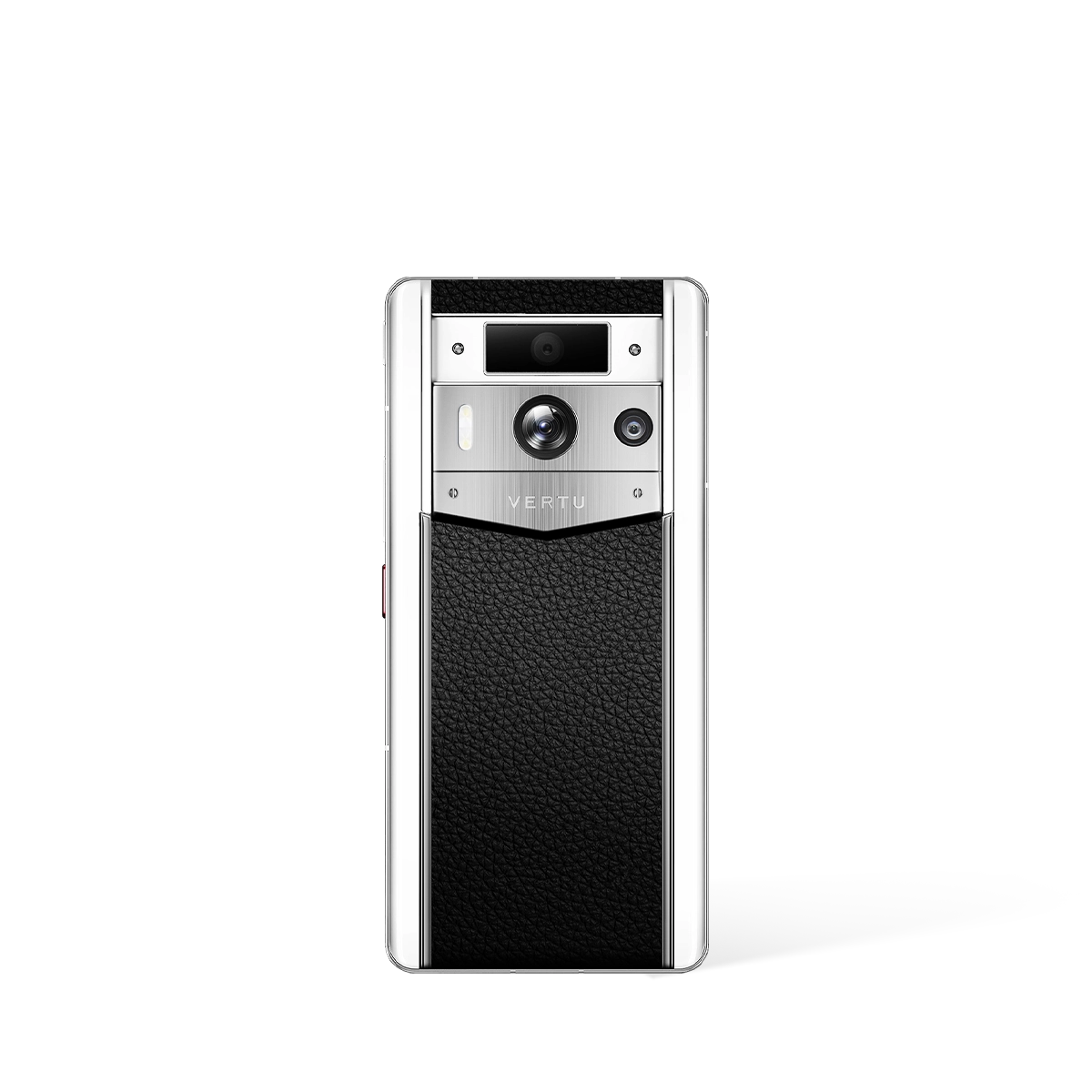
| Metavertu Max Alligator Black Ceramic Frame Silver Plate | Phones | Aerospace 316L Stainless Steel, Ceramic Frame, Sapphire Lens | Triple-System Architecture, Dedicated Security Chip, One-Key Destruction | 6.78" 1.5K OLED, 120Hz | 5,100 mAh, 55W Charging, 10TB Distributed Storage | Ruby Key: 24/7 Concierge Service | US$11,550.00 |
| Metavertu Max Calfskin Black Ceramic Frame Silver Plate | Phones | Aerospace 316L Stainless Steel, Ceramic Frame, Sapphire Lens | Triple-System Architecture, Dedicated Security Chip, One-Key Destruction | 6.78" 1.5K OLED, 120Hz | 5,100 mAh, 55W Charging, 10TB Distributed Storage | Ruby Key: 24/7 Concierge Service | US$6,400.00 |
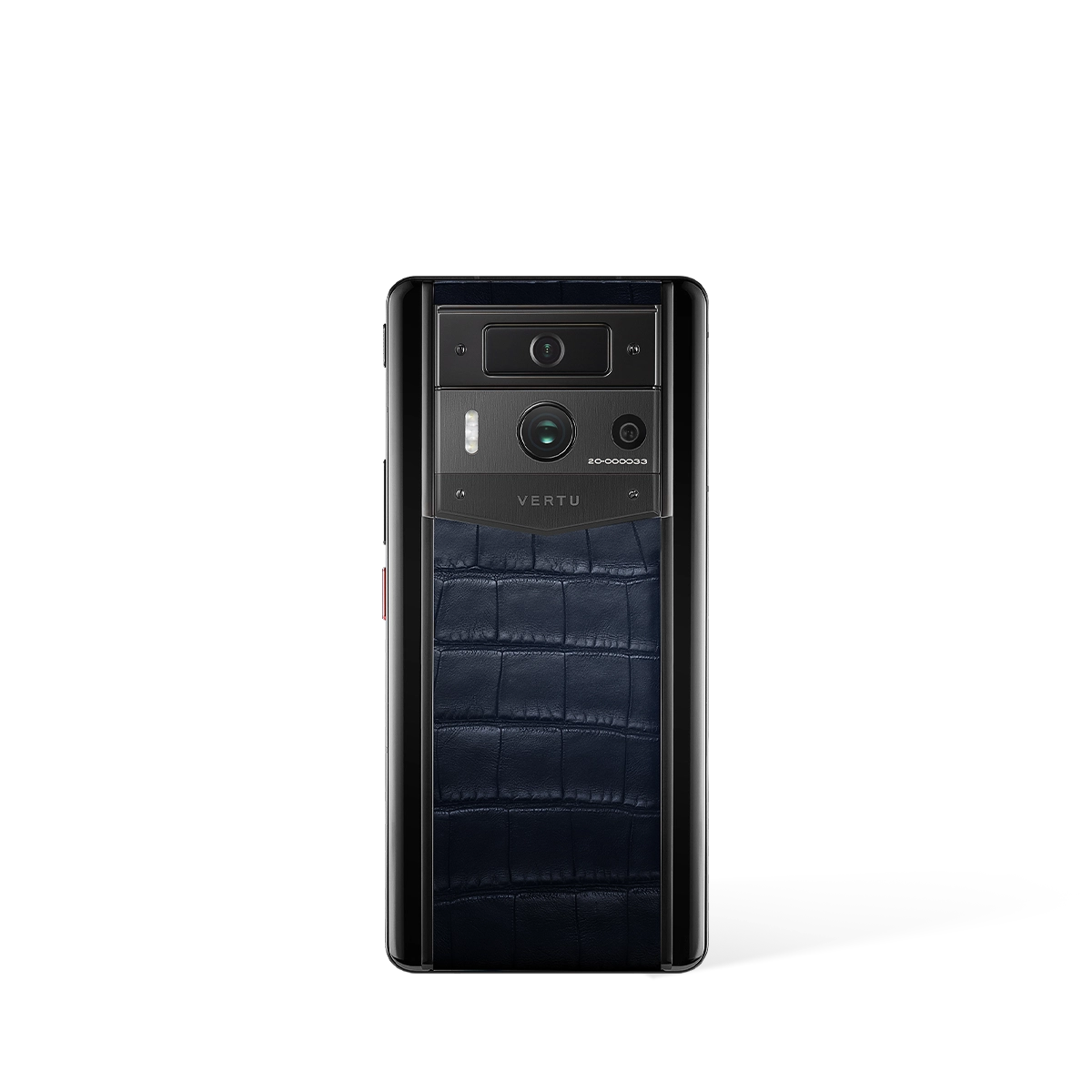
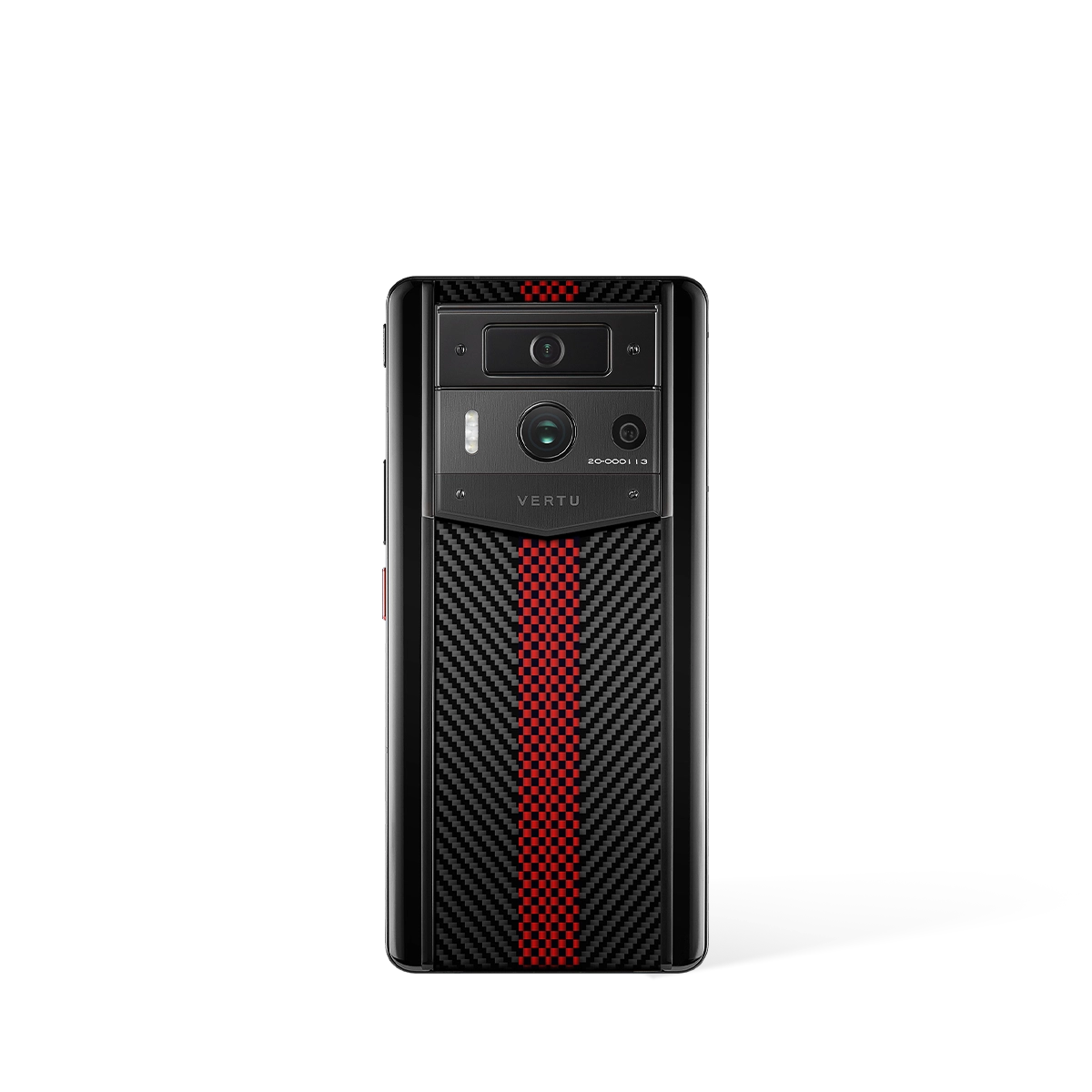
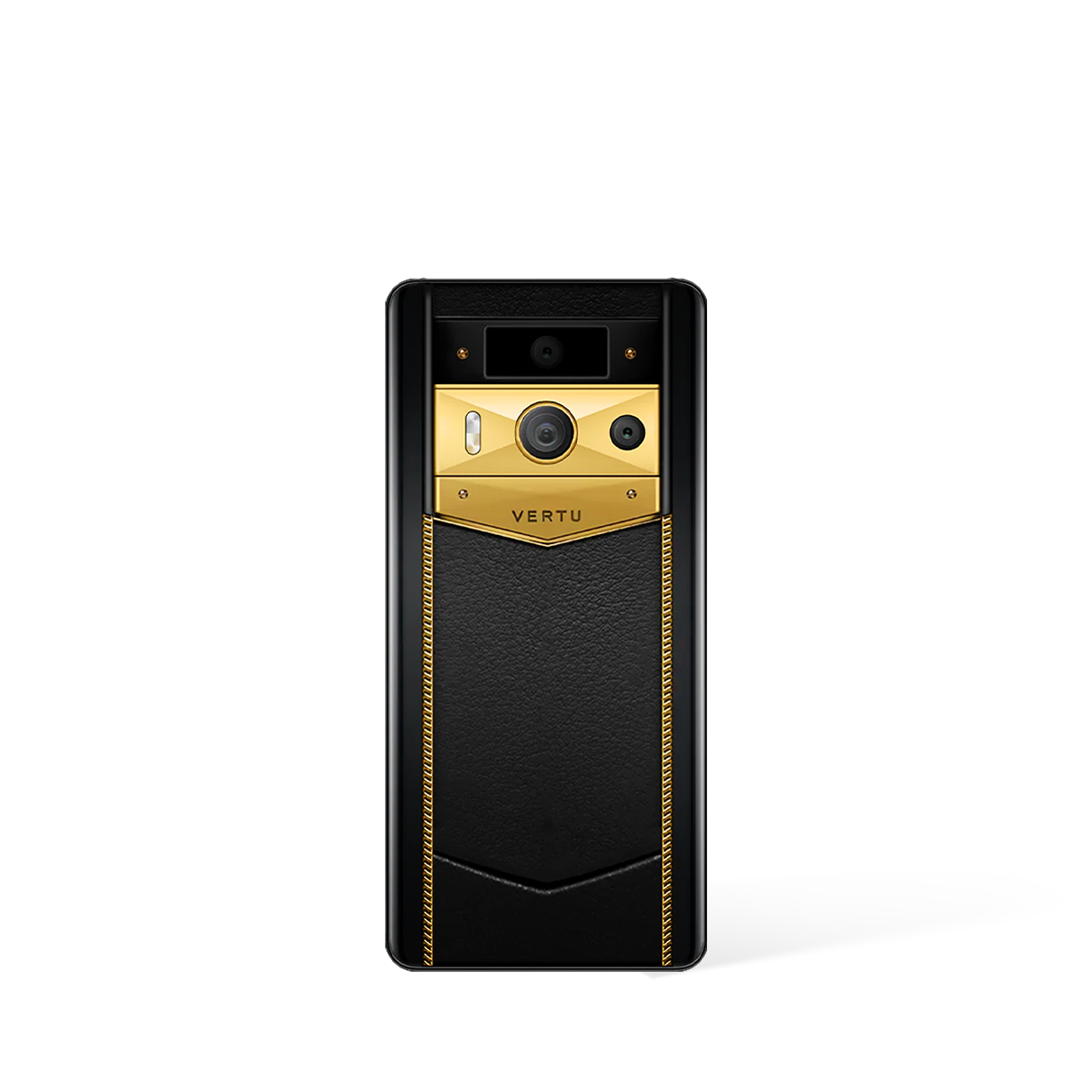
| Metavertu Max Calfskin Black Ceramic Frame Black Plate | Phones | Aerospace 316L Stainless Steel, Ceramic Frame, Sapphire Lens | Triple-System Architecture, Dedicated Security Chip, One-Key Destruction | 6.78" 1.5K OLED, 120Hz | 5,100 mAh, 55W Charging, 10TB Distributed Storage | Ruby Key: 24/7 Concierge Service | US$6,300.00 |
| iPhone 17 Pro Max (External) | Flagship Smartphone | Titanium Frame | Face ID, Secure Enclave, iOS 19 Security | 6.9" Super Retina XDR | 4,900 mAh | N/A | $1,199 - $1,599 |
| Xiaomi 15 Ultra (External) | Premium Android Phone | Ceramic Back, Titanium Frame | Snapdragon 8 Gen 4, Leica Camera System | 6.73" LTPO AMOLED, 120Hz | 5,300 mAh, 120W Fast Charging | N/A | $899 - $1,199 |
| Sony Xperia 1 VI (External) | Professional Camera Phone | Gorilla Glass Victus 2 | Zeiss Optics, 4K 120fps Video, Pro Camera | 6.5" 4K OLED, 120Hz | 5,000 mAh | N/A | $1,199 - $1,399 |
* External products are listed for comparison purposes only. Prices and specifications are subject to change. Please verify current information on manufacturer websites.
References
-
0
(2025). Mobile Device Security Guidelines. National Institute of Standards and Technology. Mobile Device Security Guidelines
-
1
(2025). The Future of Smartphone Technology. MIT Technology Review. The Future of Smartphone Technology
-
2
(2024). Mobile Security and Privacy Research. IEEE Communications Magazine. Mobile Security and Privacy Research
External Resources & Further Reading
Mobile Security Best Practices - NIST
National Institute of Standards and Technology guidelines on mobile device security
Smartphone Technology Trends - MIT Technology Review
Latest research and analysis on smartphone technology from MIT
Mobile Device Privacy Study - Stanford University
Academic research on mobile device privacy and data protection

Related Guides
External Resources
- Mobile Reviews - Wired In-depth mobile technology analysis and reviews
- Smartphone Reviews - TechCrunch Latest smartphone technology news and reviews
- Phone Reviews - TechRadar Expert smartphone reviews and buying guides
FAQ
About This Guide
This comprehensive guide has been meticulously researched and compiled by VERTU's expert team to provide you with authoritative information about Most Secure Phones 2026 Recommendations: Top Choices. Our content is regularly reviewed and updated to ensure accuracy and relevance.
Last Updated:
Additional Resources
For further reading and authoritative information, we recommend exploring these trusted resources:
- Mobile Security Best Practices - NIST (NIST)
- Smartphone Technology Trends - MIT Technology Review (MIT Technology Review)
- Mobile Device Privacy Study - Stanford University (Stanford University)