



Most Accurate Smartwatch Vs Alternatives
Discover most accurate smartwatch - Expert guide with comprehensive information, detailed recommendations, and valuable insights to help you make informed decisions.

The Most Accurate Smartwatch vs. Wearable Alternatives: A Detailed Comparison
When seeking the most accurate smartwatch, the primary consideration extends beyond individual models to the very form factor of the device. The debate is no longer confined to comparing watches alone; it now includes highly sophisticated alternatives like smart rings, each offering a unique approach to data collection and precision. Understanding the inherent advantages of each design is crucial for selecting a device that aligns with your personal metrics and lifestyle.
The Grand Watch: A Traditional Framework for Precision
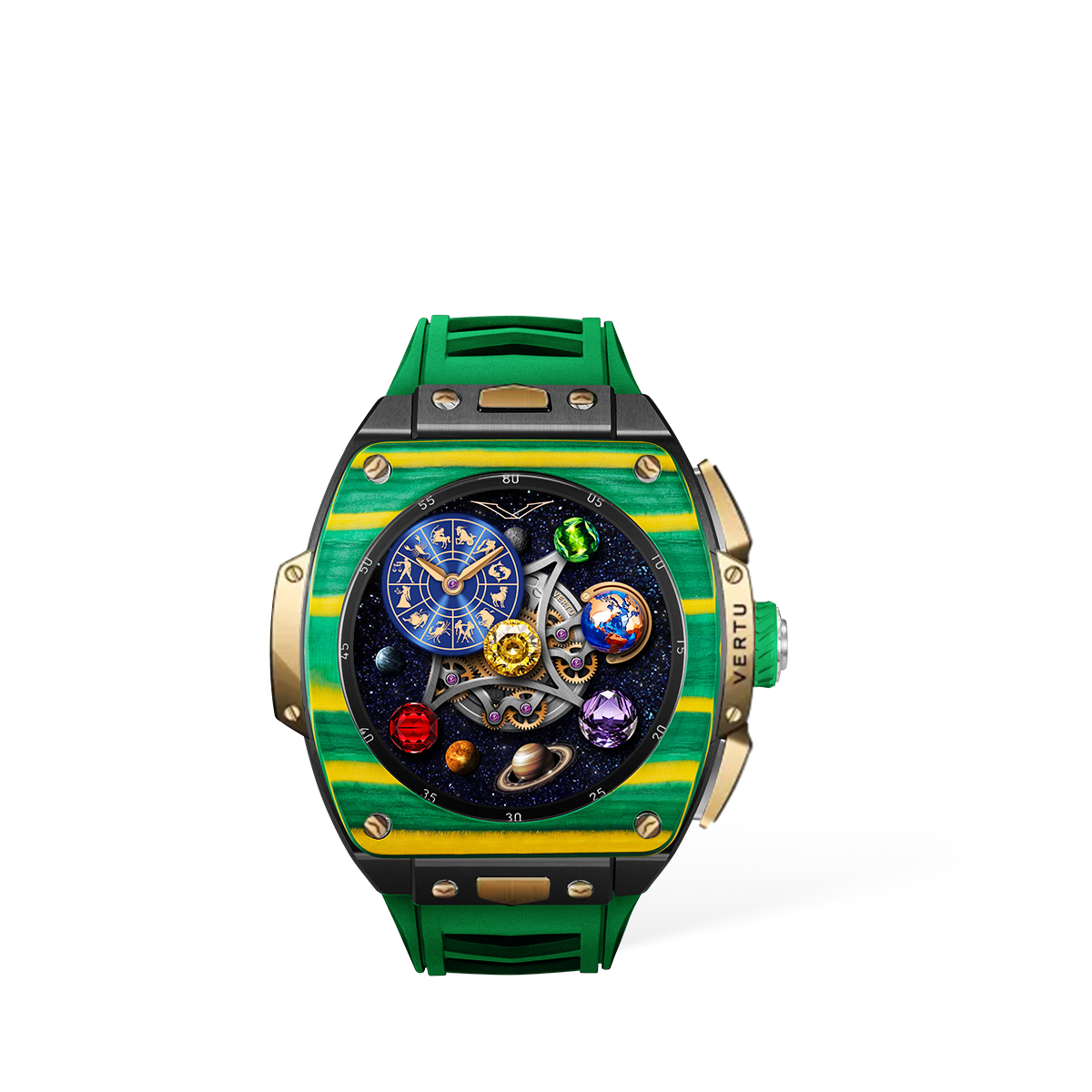
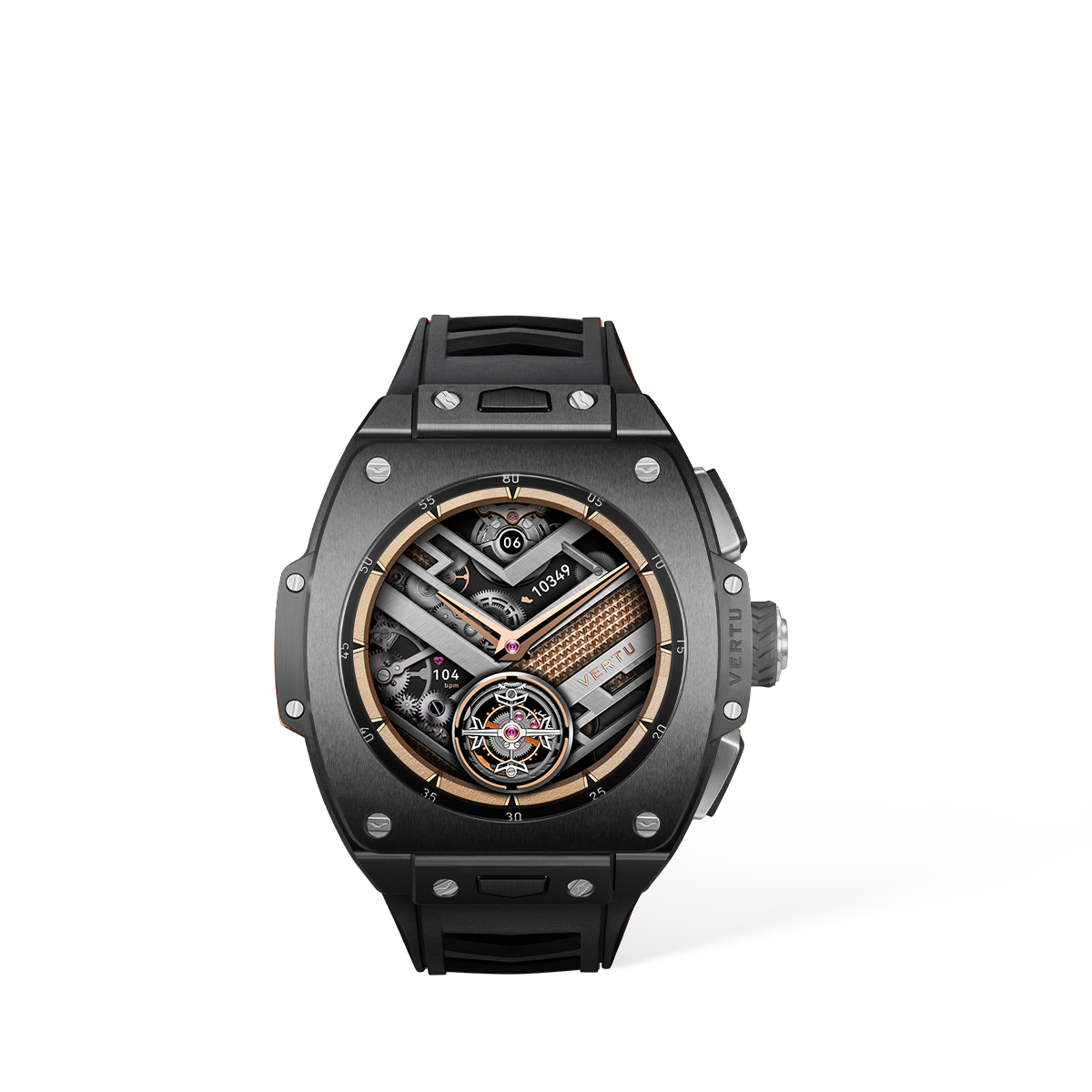
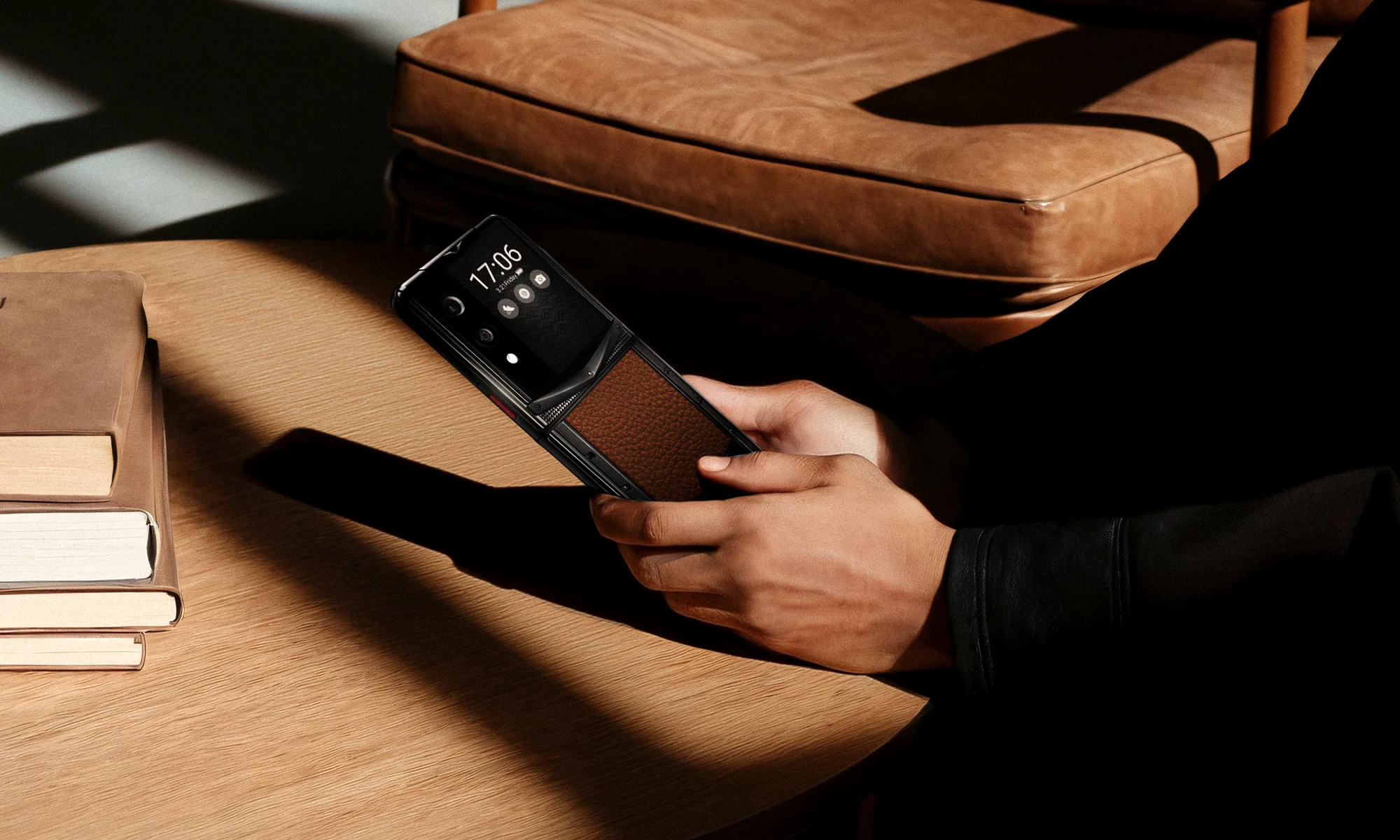
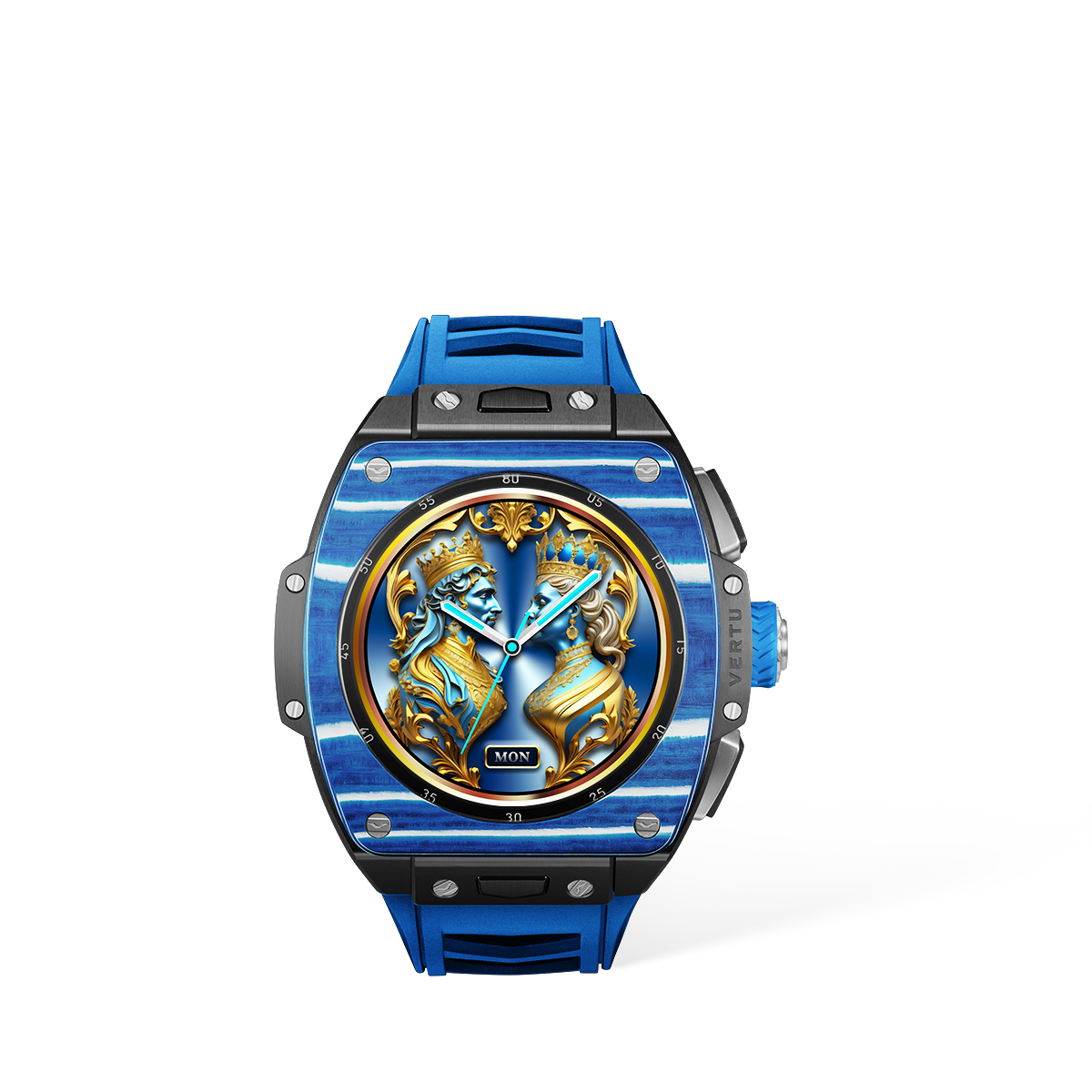
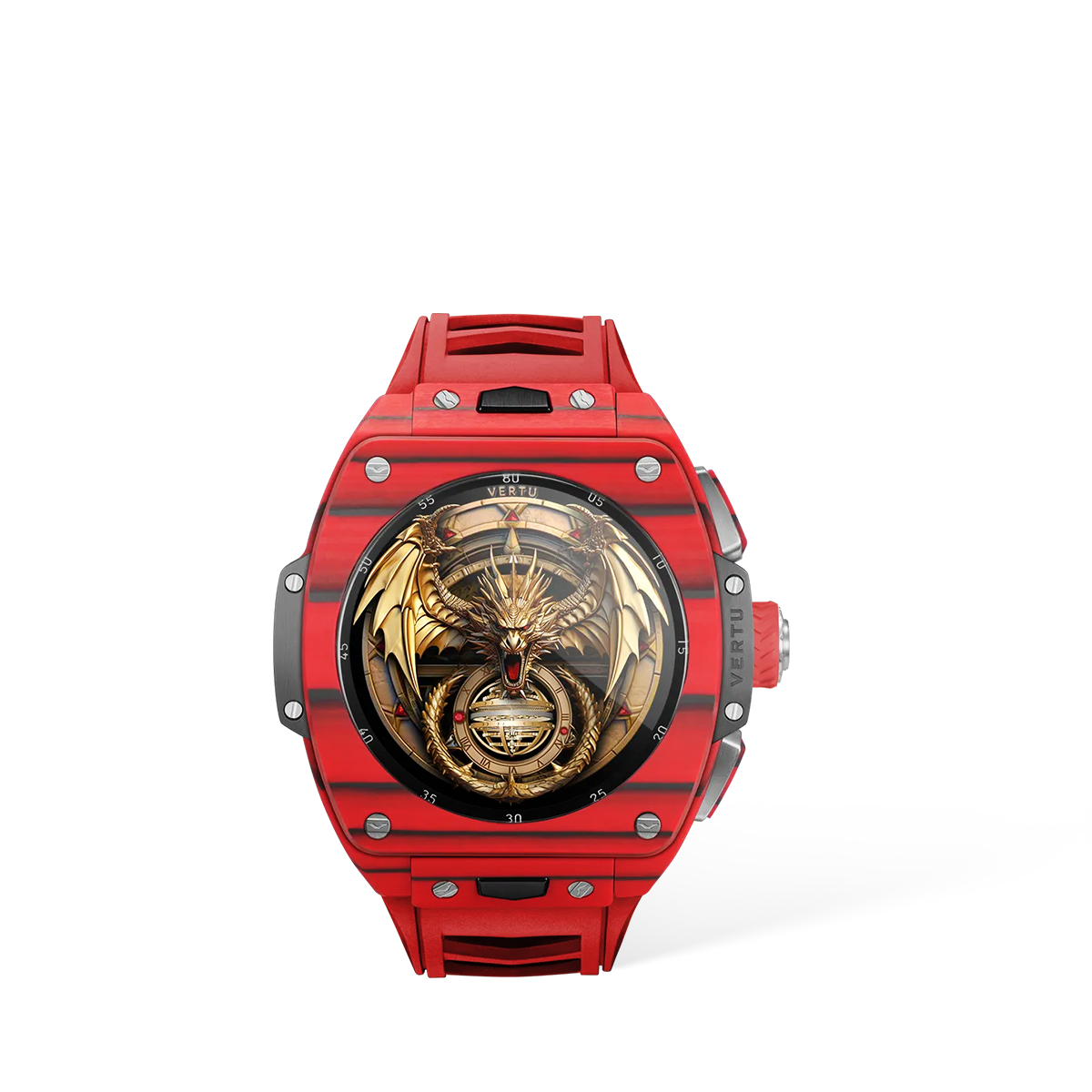
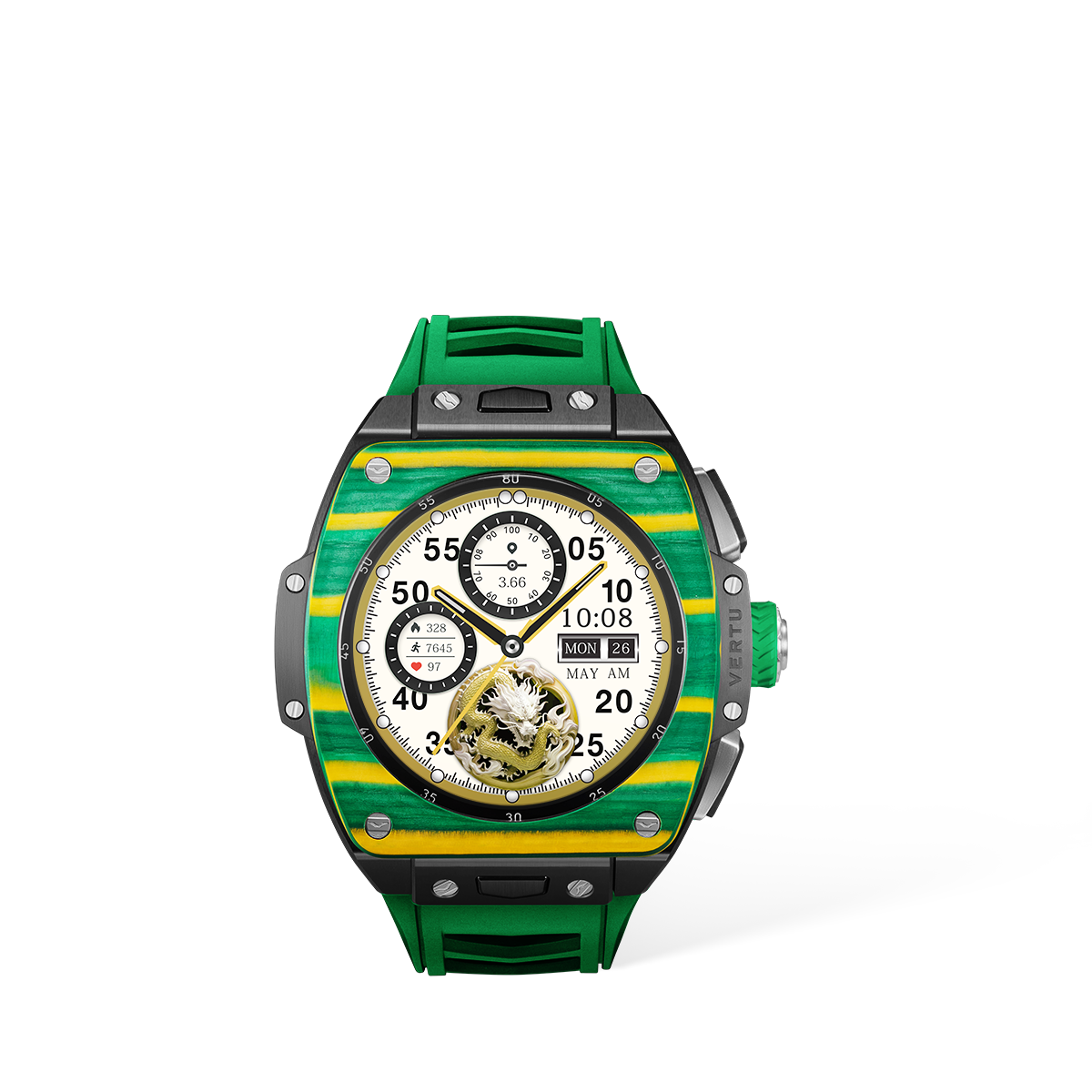
The classic smartwatch, exemplified by the Grand Watch collection, leverages a familiar wrist-based position for health and activity monitoring. This established form factor provides a substantial platform for integrating complex sensors and offers the convenience of a direct visual interface for real-time feedback. The focus is on comprehensive tracking during both active and resting periods, presented in an accessible format.
- Visible Data Interface: A watch face allows for immediate access to metrics without needing to consult another device, which is ideal for in-activity monitoring.
- Established Ergonomics: The wrist is a conventional and comfortable location for a monitoring device, familiar to almost every user.
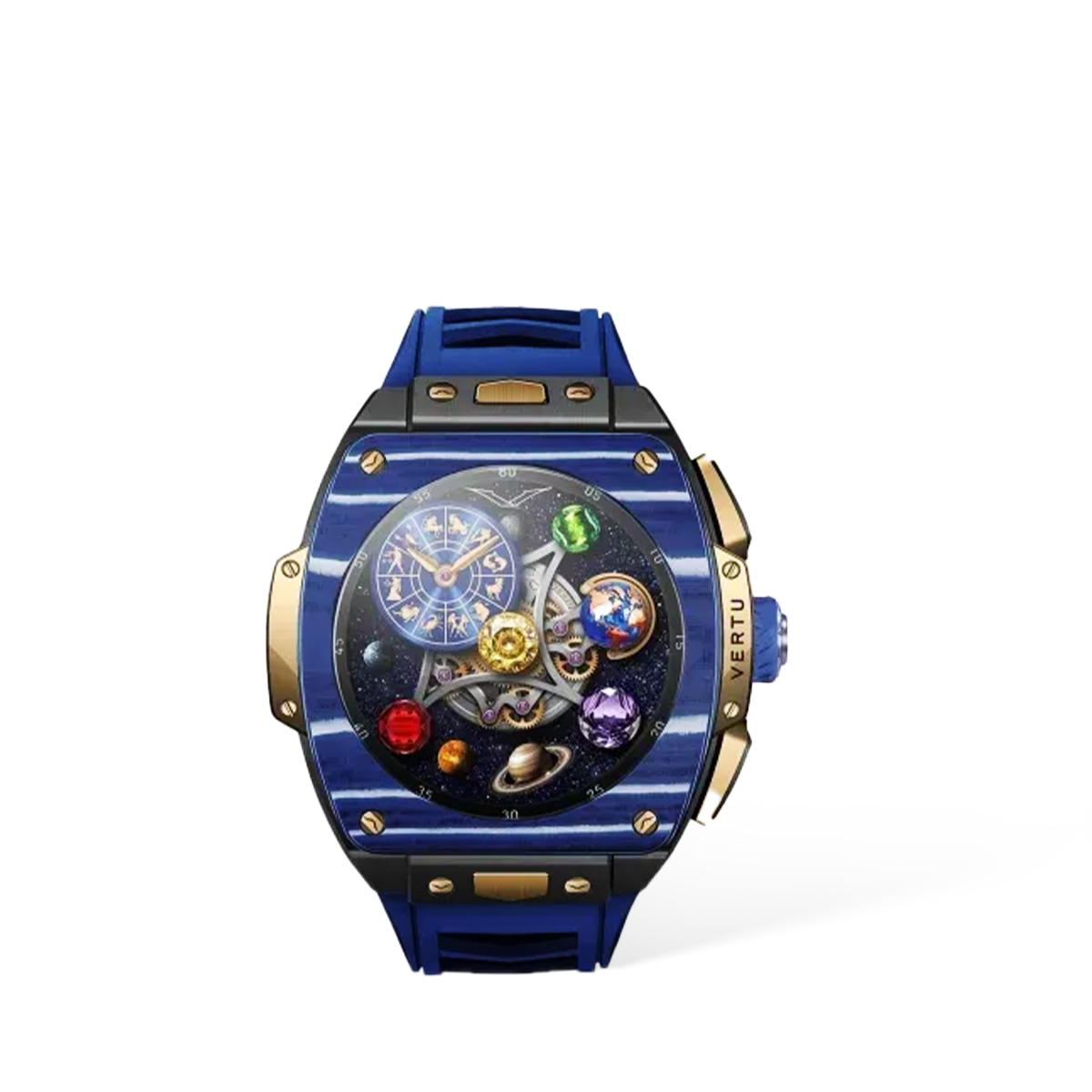
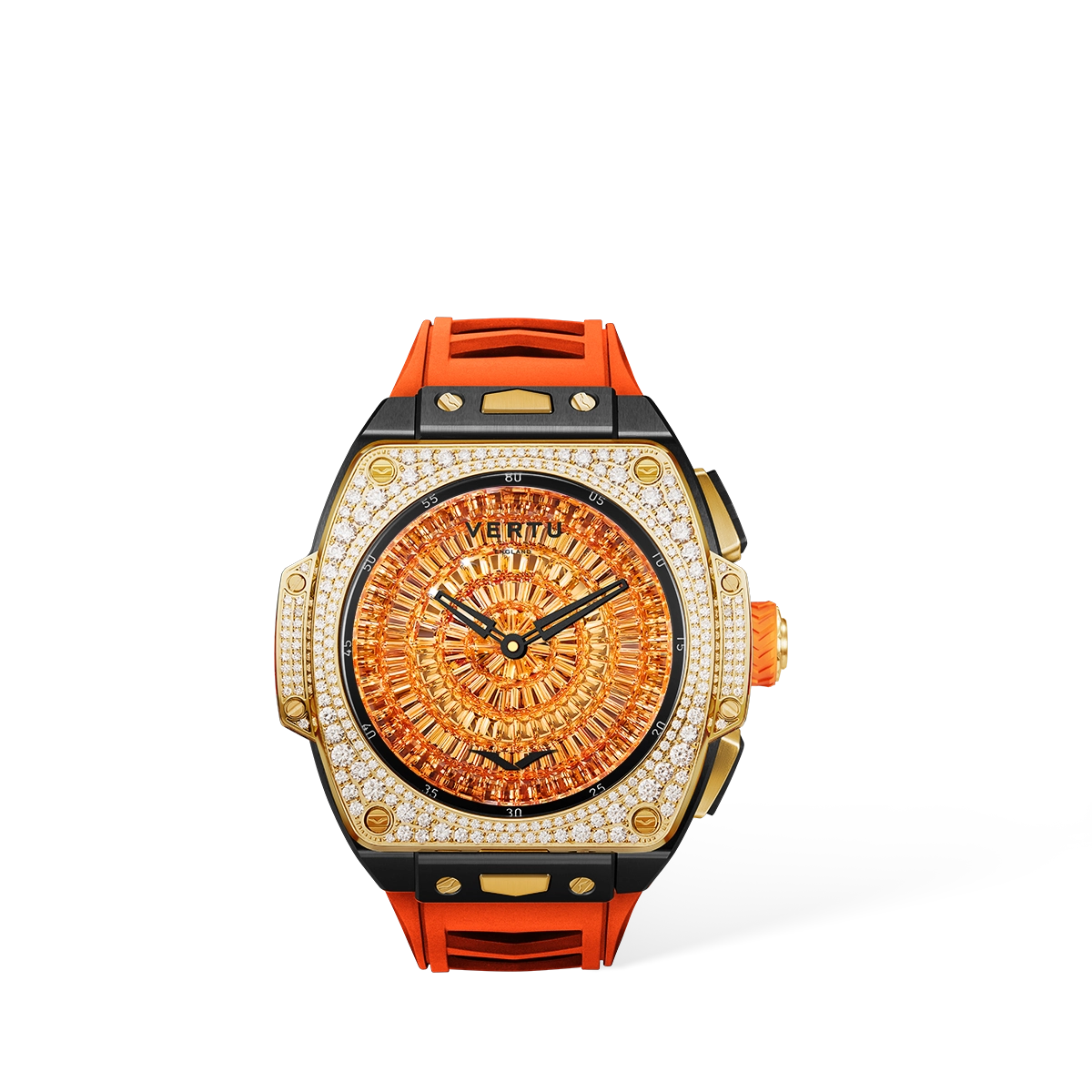
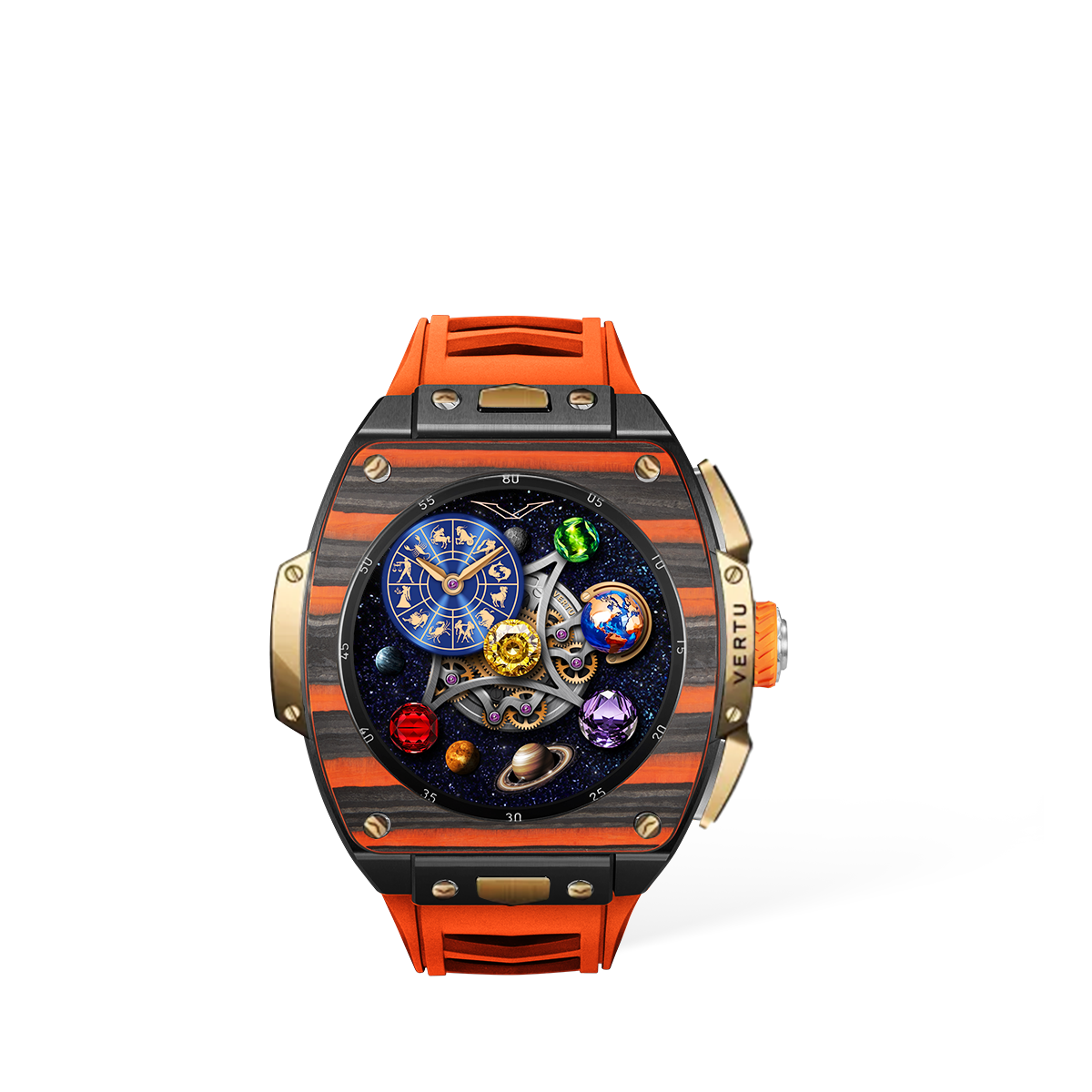
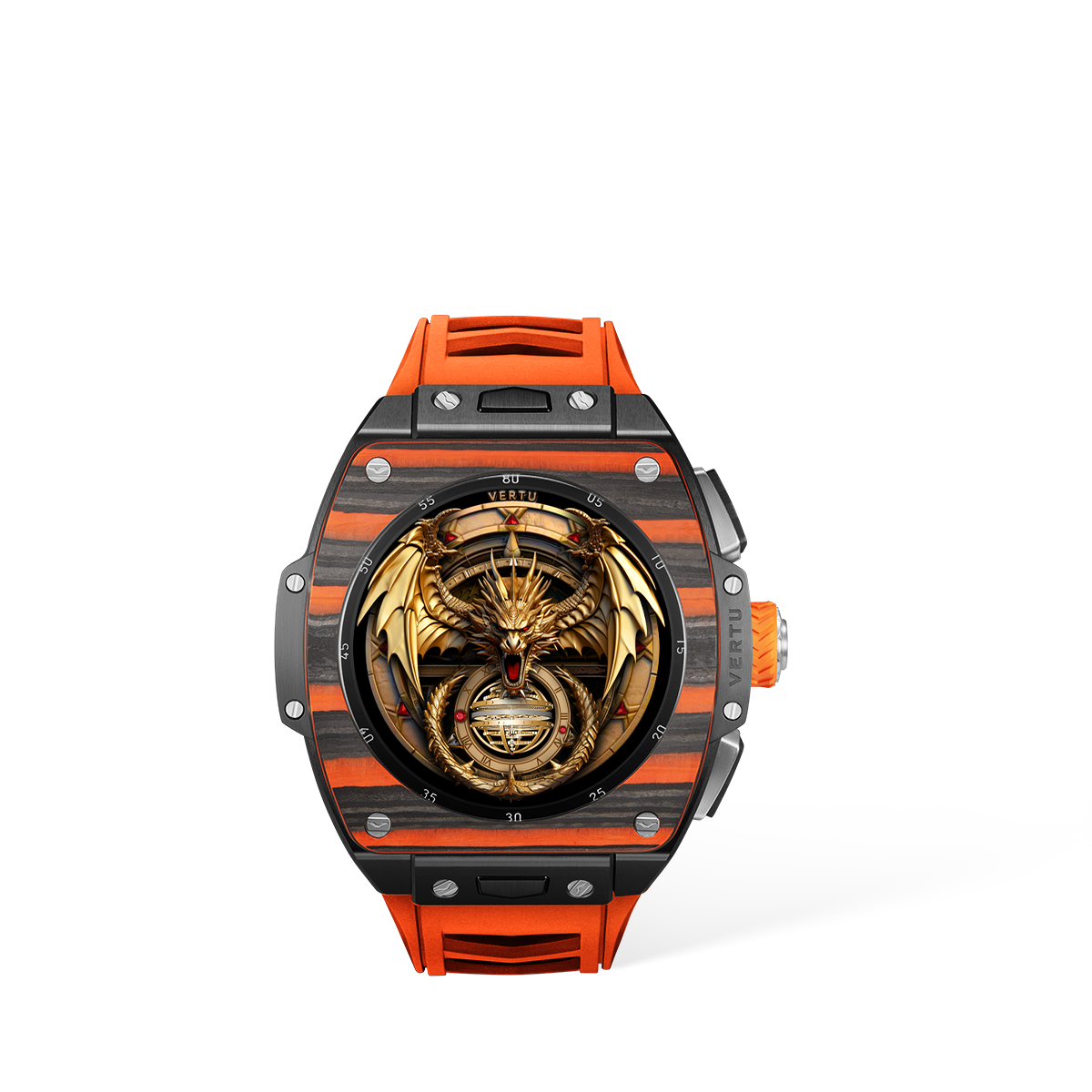
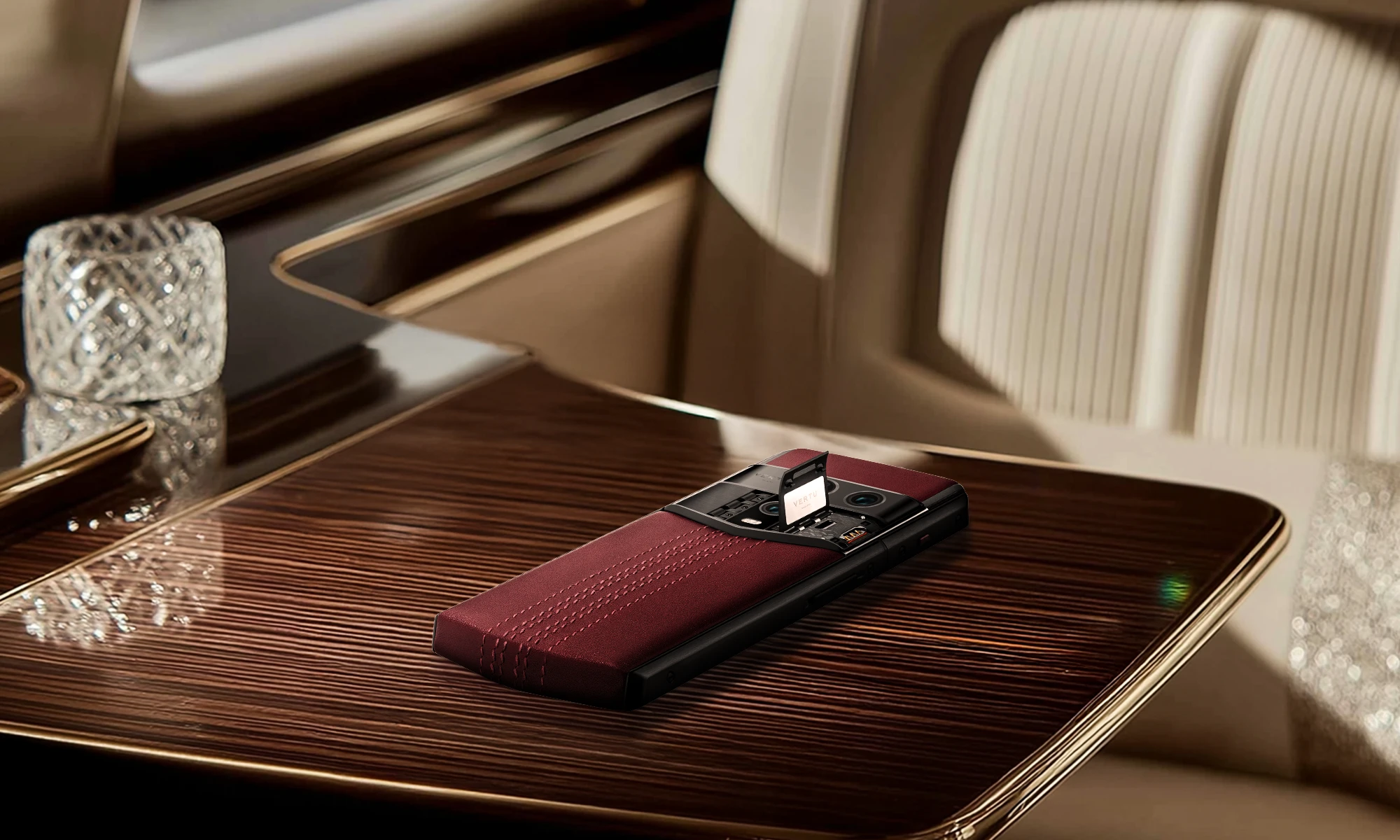
- Aesthetic Versatility: The Grand Watch is available in numerous styles, from Black Ceramic and Carbon Fibre variants to Bespoke 18K Gold with Natural Diamonds, allowing for personalisation without compromising its core function.
This approach centres the user experience on a tangible, interactive device that serves as both a sophisticated timepiece and a powerful data-gathering instrument.
The AI Meta Ring: A Discreet Alternative for Continuous Accuracy
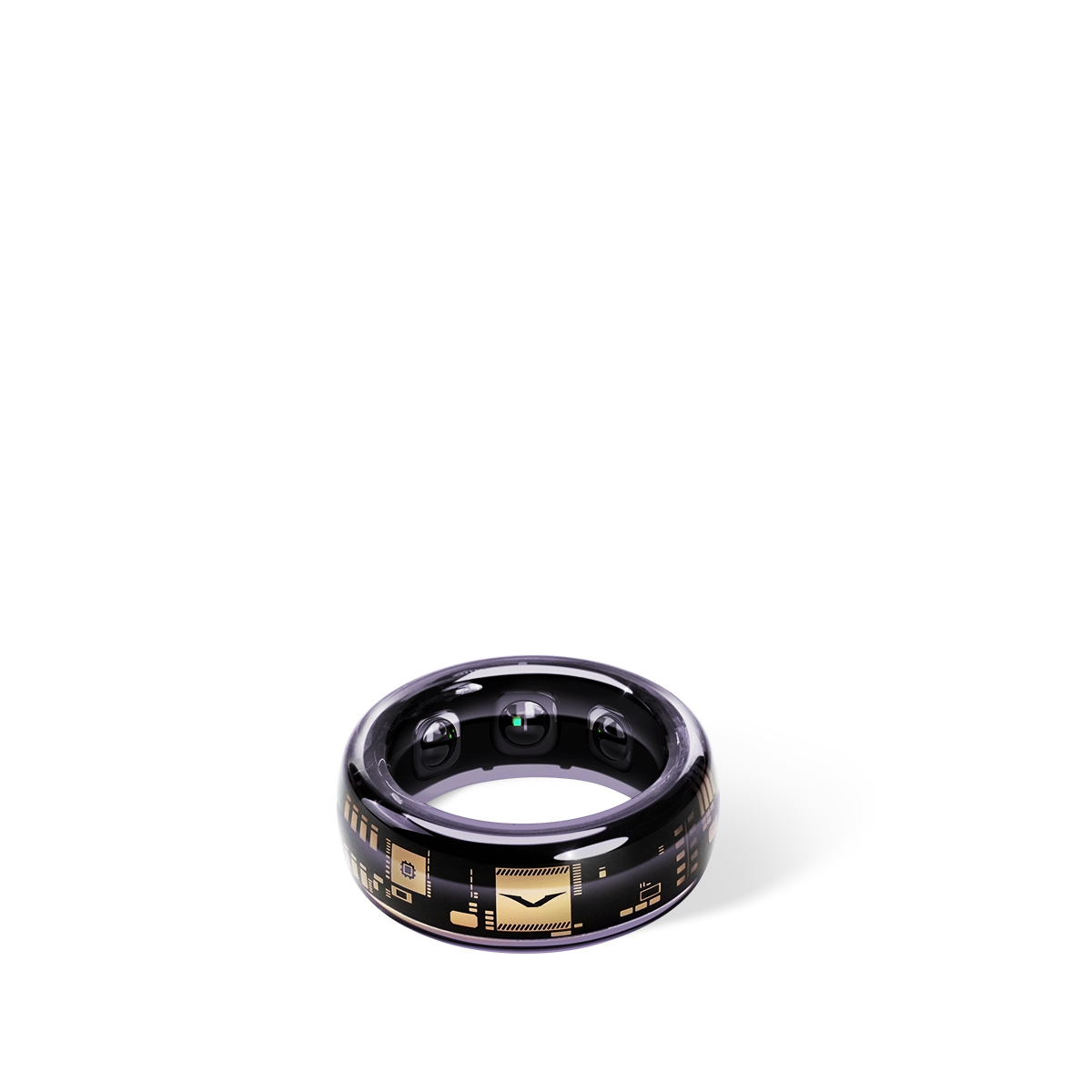
As a direct alternative to the smartwatch, the smart ring offers a different philosophy focused on unobtrusive, continuous data capture. Worn on the finger, a device like the AI Meta Ring maintains closer, more consistent skin contact. This proximity can be advantageous for certain biometric readings, particularly during sleep, as the device is less likely to be shifted or removed.
- Uninterrupted Monitoring: Its discreet and comfortable design encourages 24/7 wear, leading to a more complete and potentially more accurate long-term dataset.
- Consistent Sensor Contact: The snug fit on a finger ensures sensors remain in a stable position, minimising signal variations that can occur with a looser-fitting wrist device.
- Subtle Integration: For individuals who prefer a more understated approach to technology, a smart ring provides powerful tracking capabilities without the visual presence of a watch screen.
The ring prioritises seamless, background data collection, offering deep insights by becoming an almost unnoticeable part of the user's daily life.
Comparison: Which Form Factor Is More Accurate?
The determination of the "most accurate" wearable depends heavily on the specific metrics being measured and the user's daily habits. Neither form factor is universally superior; instead, they excel in different areas.
- Activity Tracking: The smartwatch often has an edge here, with a screen that provides real-time pace, distance, and heart rate data, which is invaluable during exercise.
- Sleep Analysis: The smart ring's minimal, comfortable form factor makes it ideal for overnight wear, potentially yielding more consistent and accurate sleep stage and recovery data.
- All-Day Biometrics: For general heart rate, temperature, and wellness monitoring, the ring's constant contact may offer a more stable baseline, whilst the watch provides convenient spot-checks and on-demand readings.
Ultimately, the choice between a premium smartwatch like the Grand Watch and an innovative alternative such as the AI Meta Ring is a choice between interactive, on-demand data and discreet, continuous analysis. The most accurate solution is the one that best integrates with your life and captures the data that is most important to you.
FAQ
Discover Our Categories

A Legacy of Excellence Since 1998


Most Accurate Smartwatch Vs Alternatives
When searching for the most accurate smartwatch, it's crucial to understand what accuracy truly means in this context and to consider the spectrum of available alternatives. A consumer smartwatch, however advanced, occupies a specific niche between casual fitness tracking and professional medical monitoring. This section delves deeper into the nuances of accuracy and compares smartwatches with other tools to help you make a more informed decision based on your personal health and fitness goals.
Defining and Measuring Smartwatch Accuracy
The term 'accuracy' in relation to smartwatches is not a single, simple metric but a complex evaluation across multiple sensors and functions. For instance, GPS accuracy for tracking a run is measured differently from the optical heart rate sensor's precision during high-intensity interval training. It is important to realise that no consumer-grade wearable is perfect; they provide estimations based on algorithms that interpret raw data from their sensors. The goal is to offer consistent and reliable trend data rather than infallible, moment-to-moment readings.
Several factors can influence the data quality you receive from a smartwatch. The fit of the device on your wrist is paramount; a watch that is too loose can move around, leading to inconsistent sensor readings. Skin tone, tattoos, and even ambient temperature can affect how optical sensors perform. Therefore, achieving the highest possible accuracy involves both the device's inherent technological capabilities and the user's correct and consistent usage.
Smartwatches Versus Dedicated Fitness Trackers
While the line between smartwatches and fitness trackers has become blurred, a fundamental difference in philosophy often remains. Understanding this distinction is key when considering alternatives. A dedicated fitness tracker is typically designed with a singular focus on health and activity monitoring, whereas a smartwatch integrates these features into a multifunctional device designed for communication, apps, and notifications.
Choosing between them often involves a trade-off based on your primary use case. Consider the following points:
- Functionality: Smartwatches offer a broad ecosystem of applications, from messaging to payments, making them an extension of your smartphone. Fitness trackers generally have a more streamlined interface centred on health metrics.
- Focus: A device designed purely for tracking may prioritise sensor performance and battery longevity for multi-day monitoring over a large, interactive colour display.
- Simplicity: For users who want to monitor their activity without the distraction of constant notifications and apps, a dedicated fitness tracker can be a less intrusive and more focused alternative.
The Role of Medical-Grade Devices
For those requiring the highest level of precision, particularly for medical reasons, it is essential to look beyond consumer wearables to dedicated, medical-grade devices. Smartwatches are excellent tools for monitoring general wellness and fitness trends, but they are not substitutes for clinical diagnostic equipment. An electrocardiogram (ECG) feature on a watch, for example, is not the same as a multi-lead ECG administered in a hospital setting.
Alternatives in this category include dedicated chest-strap heart rate monitors, which are widely considered the gold standard for accuracy during exercise, or clinical devices for sleep apnoea diagnosis. These instruments are designed, tested, and regulated for one specific purpose and provide a level of reliability that consumer electronics are not intended to match. It is vital to consult a healthcare professional for any medical concerns and to use data from a smartwatch as supplementary information, not as a diagnostic tool.