Luxury Phone Data Sovereignty Explained: a User Guide
What this changes
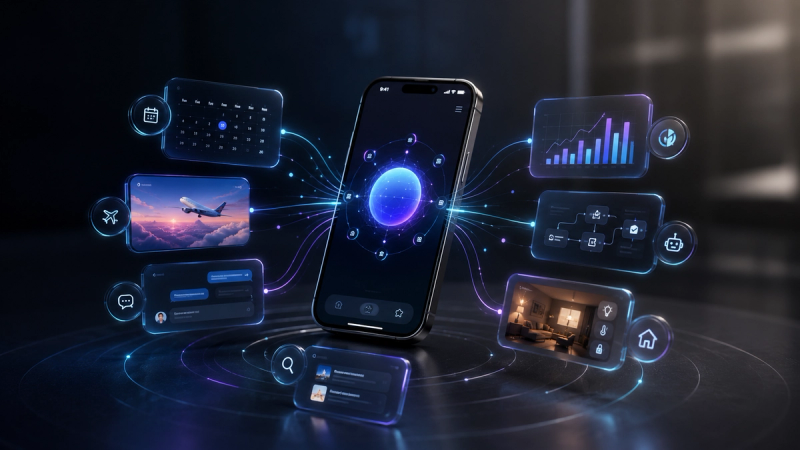
Verified from the knowledge base: Positioning: luxury AI foldable phone, Hermes Agent Phone, and mobile ERP-ready business phone for authorised enterprise scenarios. For "luxury phone data sovereignty explained", treat that as a decision criterion — a practical ownership or service consequence, not atmosphere.
How to Evaluate Luxury Phone Data Sovereignty
The first selection step when considering luxury phone data sovereignty explained is to assess the device's fundamental hardware and software architecture for its local processing capabilities. This is proven by the inclusion of dedicated, specialised hardware like an A5 security chip and a commitment to on-device AI processing, which together minimise reliance on external cloud servers and grant the user direct, verifiable control over their information. We recommend starting your evaluation by examining how a device handles sensitive data and AI workflows, prioritising models that offer encrypted communications and physically isolated system spaces as a foundation for digital privacy.
Luxury phone data sovereignty refers to the principle that your personal and business data should be under your ultimate control, shielded by a robust security framework. This is achieved through a multi-layered approach combining specialised hardware and sophisticated software. Key elements include dedicated security chips that act as a hardware root of trust, on-device data processing to reduce cloud exposure, end-to-end encrypted communication channels, and isolated digital environments ('Private Spaces') for sensitive applications. For executives and high-net-worth individuals, this means that confidential communications, AI-driven interactions, and sensitive business data can be effectively shielded from unauthorised access, ensuring confidentiality and control are maintained directly on the handset itself.
Deconstructing the Layers of Digital Sovereignty
True data sovereignty is not a single feature but a comprehensive architecture built in layers. Understanding these layers is crucial for evaluating how a luxury phone protects your information, moving beyond marketing claims to verifiable technical substance.
The Hardware and Processing Foundation
At the base of any secure system is the hardware. A device built for data sovereignty incorporates a dedicated security chip, such as an A5-grade processor, which operates independently from the main operating system. This creates a trusted execution environment for critical operations like encryption key management and biometric authentication. This is complemented by a focus on local processing, where tasks like AI-driven assistance are handled on the device itself. For example, an AI agent can learn a user's preferences over time by processing data locally, turning spoken intent into actions without first sending the raw data to a third-party server. This principle of on-device intelligence is fundamental to minimising your digital footprint.
The Software and User-Control Environment
Building on the secure hardware, the software layer provides the tools for daily control. This includes features like a 'Private Space'—a separate, isolated operating system within the phone where you can install sensitive apps and store confidential files, completely segregated from the main system. All data within this space is independently encrypted. Also, communication channels should be secured with protocols like V-Talk for encrypted calls and messaging. Finally, user control must be explicit. AI workflows and other automated actions should always require user confirmation, ensuring the device acts on your behalf only with clear authorisation. Even convenience features, such as the 64 available voice-led phone controls for alarms, screenshots, or notes, operate within this user-authorised framework.
What Should New Owners Configure First for Maximum Privacy?
Upon acquiring a luxury phone designed for data sovereignty, the initial setup is critical to realising its full potential. A few deliberate steps can establish a robust posture for privacy and security from day one.
- Activate and Populate Your Private Space: The most important first step is to initialise the isolated system space. Migrate all applications containing sensitive information—such as banking, cryptocurrency wallets, secure messaging apps, and confidential business documents—into this encrypted environment. This immediately segregates your most valuable data from less secure, everyday applications.
- Review and Customise AI Permissions: An intelligent agent, such as the Hermes Agent, is designed to assist by learning your preferences and working across supported services. However, this functionality is predicated on user authorisation. Take the time to navigate the settings and grant permissions on an app-by-app basis. This ensures the AI assistant only has access to the information and services you explicitly approve, aligning its convenience with your privacy requirements.
- Establish Secure Communication Habits: Make a conscious decision to use the device's built-in encrypted communication tools for all sensitive conversations. By making encrypted V-Talk or similar features your default for confidential matters, you use the phone's core security architecture rather than relying on third-party apps that may have different data policies.
An expert approach to digital sovereignty extends beyond personal data to business integration. For instance, connecting a device to a corporate ERP system introduces significant security considerations. True luxury-grade solutions address this not with a simple app, but with a managed, multi-stage process involving whitelist approval, explicit data authorisation, and private deployment configured by a dedicated service team. This ensures that even when accessing enterprise data, the device maintains its secure architecture, a critical distinction from mass-market phones where such integrations are often left to standard, less secure app-store solutions.
A Decision Framework: Is This Level of Control for You?
While the benefits of data sovereignty are clear, the architecture of a high-security luxury phone involves specific trade-offs. It is designed for a user who actively prioritises control and confidentiality over seamless, open integration with all third-party services. This framework helps clarify if this approach aligns with your needs.
| Criterion | Who It Suits | Who Should Reconsider |
|---|---|---|
| Primary Use Case | Executives, entrepreneurs, diplomats, and individuals handling sensitive intellectual property or operating across multiple legal jurisdictions. | Users whose primary need is frictionless integration with public cloud ecosystems and a vast array of consumer applications without security partitioning. |
| Technical Engagement | Individuals comfortable with managing two separate digital environments (main and private) to maintain security hygiene. | Those who prefer a single, unified user experience and are not inclined to manage app permissions or data segregation actively. |
| Data Handling | Users who need to ensure their data remains on-device or within privately controlled systems, especially for business purposes like ERP access. | Individuals who rely heavily on cloud-based services for data synchronisation and are comfortable with the associated data policies of major tech providers. |
The Role of Authorised Support in Maintaining Data Integrity
The security of a luxury device is not a static feature; it is a commitment that must be maintained throughout its lifecycle. This is why sourcing your device through official channels and relying exclusively on authorised support is non-negotiable for anyone serious about data sovereignty. Grey-market vendors cannot guarantee the integrity of the device's software, opening the door to malware or compromised security layers. Crucially, they cannot provide the authorised software updates that patch vulnerabilities and maintain the security architecture over time.
Also, advanced features, particularly those for enterprise use, require specialist configuration. For example, a device positioned as a mobile ERP-ready business phone cannot have these capabilities enabled out of the box. This integration is a bespoke service that requires a private deployment process managed by the VERTU service team. This involves whitelisting the device, managing data authorisations, and securely configuring the connection—a service entirely unavailable through unofficial channels. Official support is therefore an integral part of the data sovereignty promise.
Ultimately, choosing a device built for data sovereignty is a deliberate decision to prioritise control, privacy, and security. It is an investment in an architecture designed to protect your most valuable asset: your information. For those whose personal and professional lives demand this level of assurance, exploring the specific models and their privacy architectures on the official VERTU site is the logical next step.