


In-Depth Analysis of Android Phone with Qwerty Keyboard


In-Depth Analysis of the Android Phone with QWERTY Keyboard
In the contemporary smartphone market dominated by touchscreens, the search for an Android phone with a QWERTY keyboard signifies a preference for tactile precision, efficiency, and a distinct professional aesthetic. These devices cater to a discerning user who values the accuracy and speed of physical keys for communication and productivity. This analysis explores the modern iteration of this classic design, examining the features and benefits that define its unique position in 2026.
The Enduring Appeal: Why Professionals Favour a Physical Keyboard
The preference for a physical keyboard on a mobile phone is rooted in tangible benefits that a flat glass screen cannot replicate. For professionals who frequently compose long emails, edit documents, or engage in rapid-fire messaging, the tactile feedback of a QWERTY keyboard is unparalleled. It reduces typographical errors, increases typing speed, and allows for 'blind' typing, enabling the user to focus on the screen content rather than the keyboard itself.
This functionality is not merely a nostalgic feature; it is a deliberate choice for enhanced productivity. The distinct separation of keys provides a superior ergonomic experience, minimising the frustration of mistyped characters and autocorrect failures common with on-screen keyboards. This makes it an indispensable tool for business leaders, writers, and security-conscious individuals who demand precision and control.
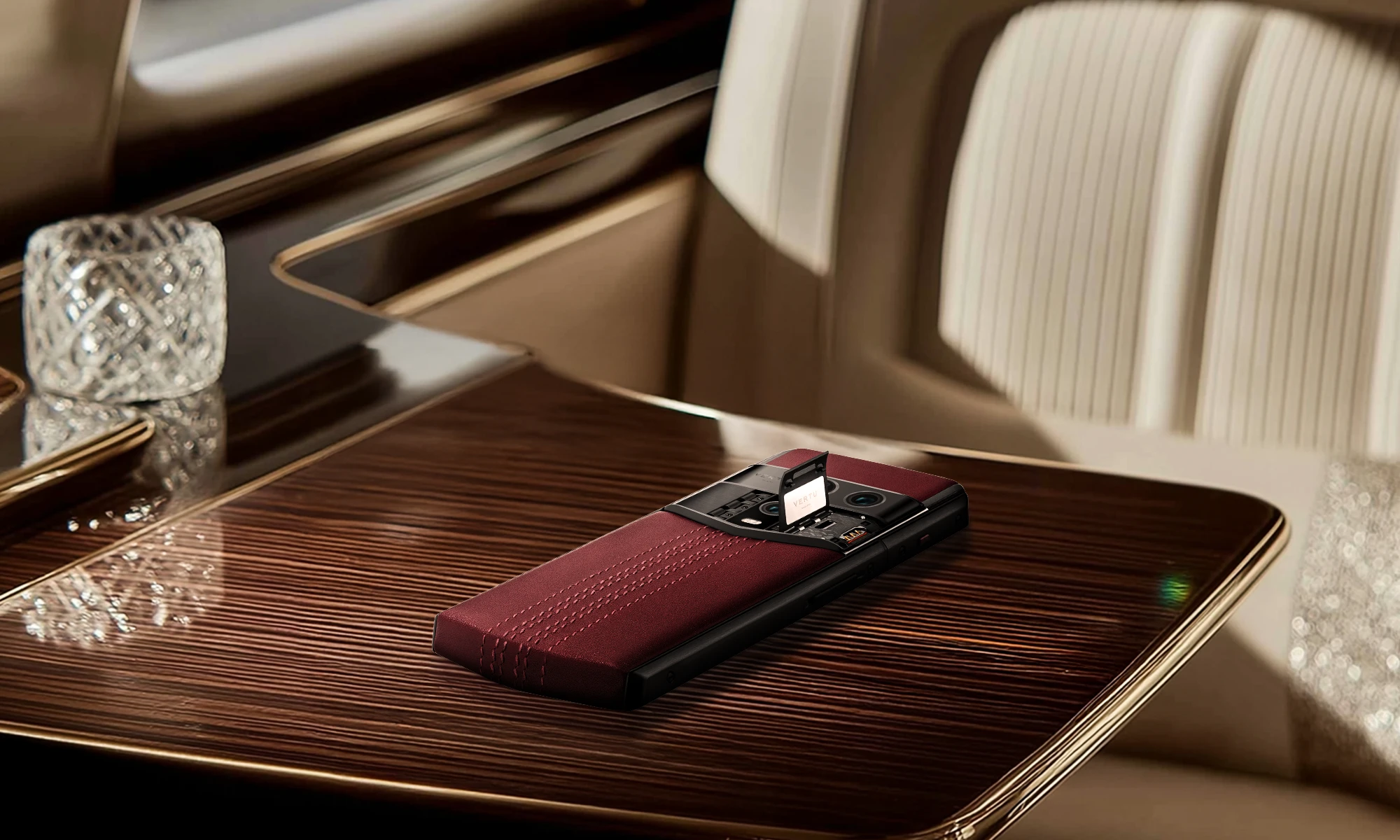
A Modern Interpretation: The Agent Q Case Study
The Agent Q represents a sophisticated fusion of classic design and modern technology, serving as an excellent case study for the contemporary Android phone with a QWERTY keyboard. It moves beyond simple utility to offer a device that is both a powerful communication tool and an object of exquisite craftsmanship. The focus is on providing a seamless and secure user experience, augmented by the physical interface.
Key attributes of a modern QWERTY device like the Agent Q include:
- Tactile Precision: The primary feature is its meticulously engineered physical keyboard, designed for responsive and accurate typing.
- Advanced Security: These devices often incorporate enhanced security protocols, recognising that their user base prioritises data protection and privacy.
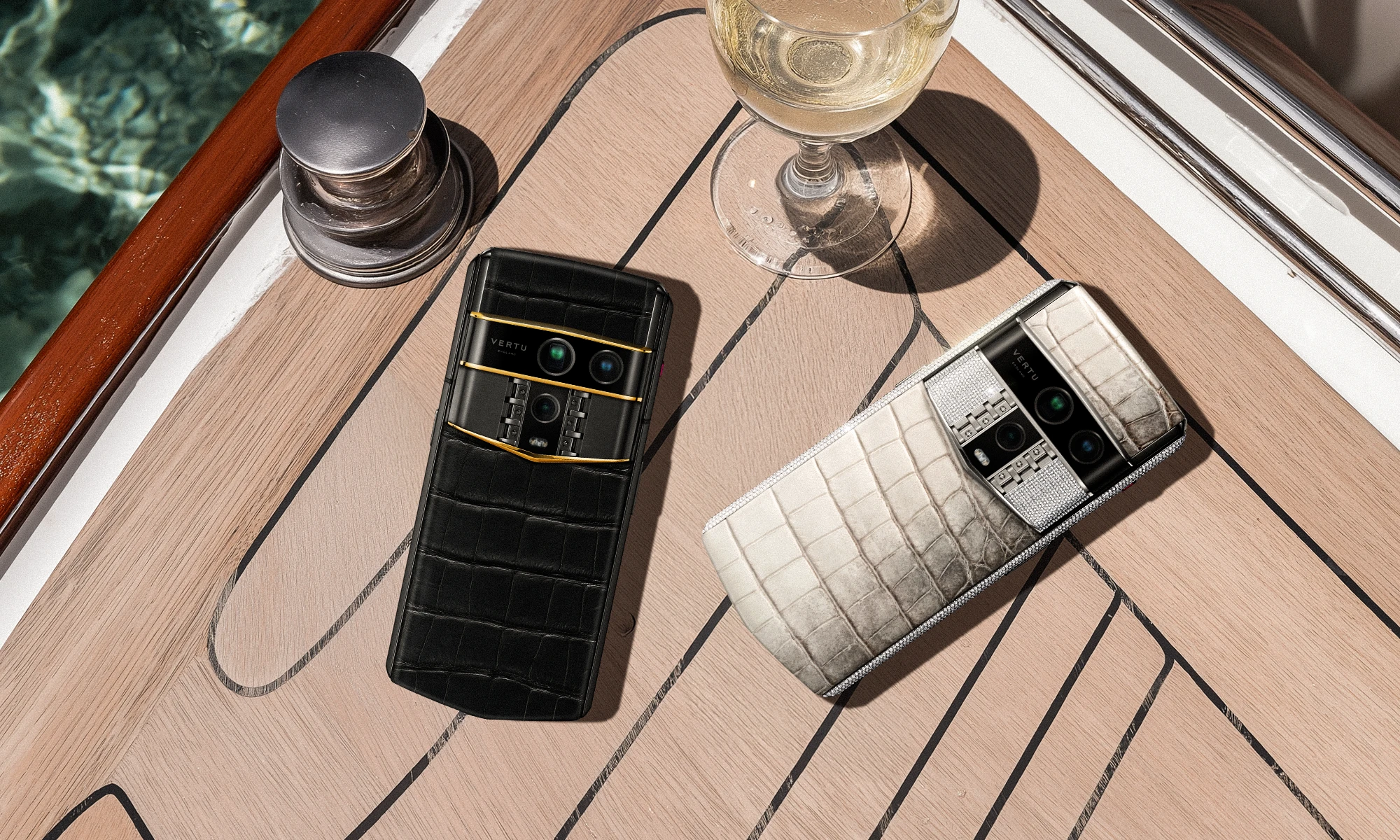
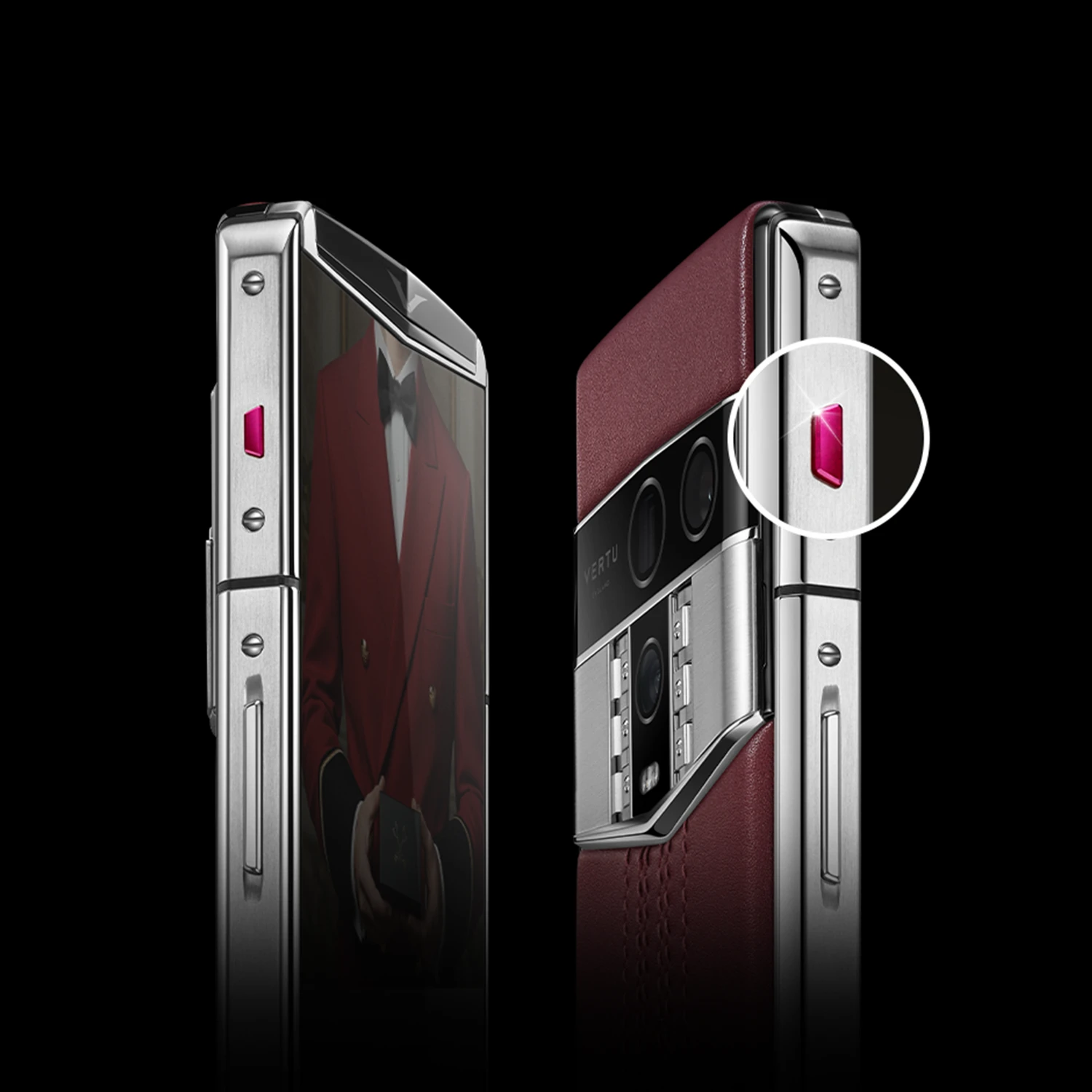
- Premium Materials: The construction frequently involves high-end materials, reflecting the device's status as a premium professional instrument. Options can range from Grained Calfskin and Carbon-Pattern Calfskin to exotic Alligator Skin.
- Bespoke Customisation: Reflecting the discerning nature of its clientele, opportunities for bespoke customisation are common, allowing for a truly personalised device.
- Integrated AI Services: Modern iterations enhance the hardware with sophisticated software. For instance, the Agent Q includes Ruby Talk, an AI-powered concierge service, adding a layer of intelligent assistance to the user experience.
Key Specifications and Features at a Glance
When analysing a modern Android QWERTY phone, it is crucial to look beyond the keyboard itself and consider the complete package. The table below outlines the typical features one might expect, using the Agent Q as a benchmark for what is possible in this specialised category.
| Feature | Details and Professional Significance |
|---|---|
| Keyboard Type | Full physical QWERTY keyboard for superior tactile feedback and typing accuracy. |
| Material Options | A selection of premium finishes, including Solid Walnut, various Calfskin leathers, and exotic Alligator Skin, allowing for personal expression. |
| Bespoke Services | Availability of bespoke options, such as unique Himalaya Alligator Skin with gold and diamond accents, for ultimate personalisation. |
| Integrated AI | Features like Ruby Talk, an AI-powered concierge, demonstrate the integration of modern software to enhance productivity and service. |
| Anniversary Editions | The release of limited editions, such as the 27th Anniversary model, highlights a commitment to heritage and exclusivity within the brand. |
| Protective Accessories | Custom-designed cases, such as the Slip Calf Leather Phone Case, ensure the device is protected without compromising its aesthetic. |
Conclusion: A Niche of Purpose and Prestige
The Android phone with a QWERTY keyboard remains a compelling choice for a specific segment of the market that refuses to compromise on typing efficiency and tactile satisfaction. Far from being an obsolete concept, it has evolved into a sophisticated tool that blends classic functionality with modern Android capabilities, advanced security, and luxury craftsmanship. For the professional who values substance, security, and precision, the physical keyboard is not a feature of the past, but the key to a more productive future.


FAQ
Discover Our Categories

A Legacy of Excellence Since 1998
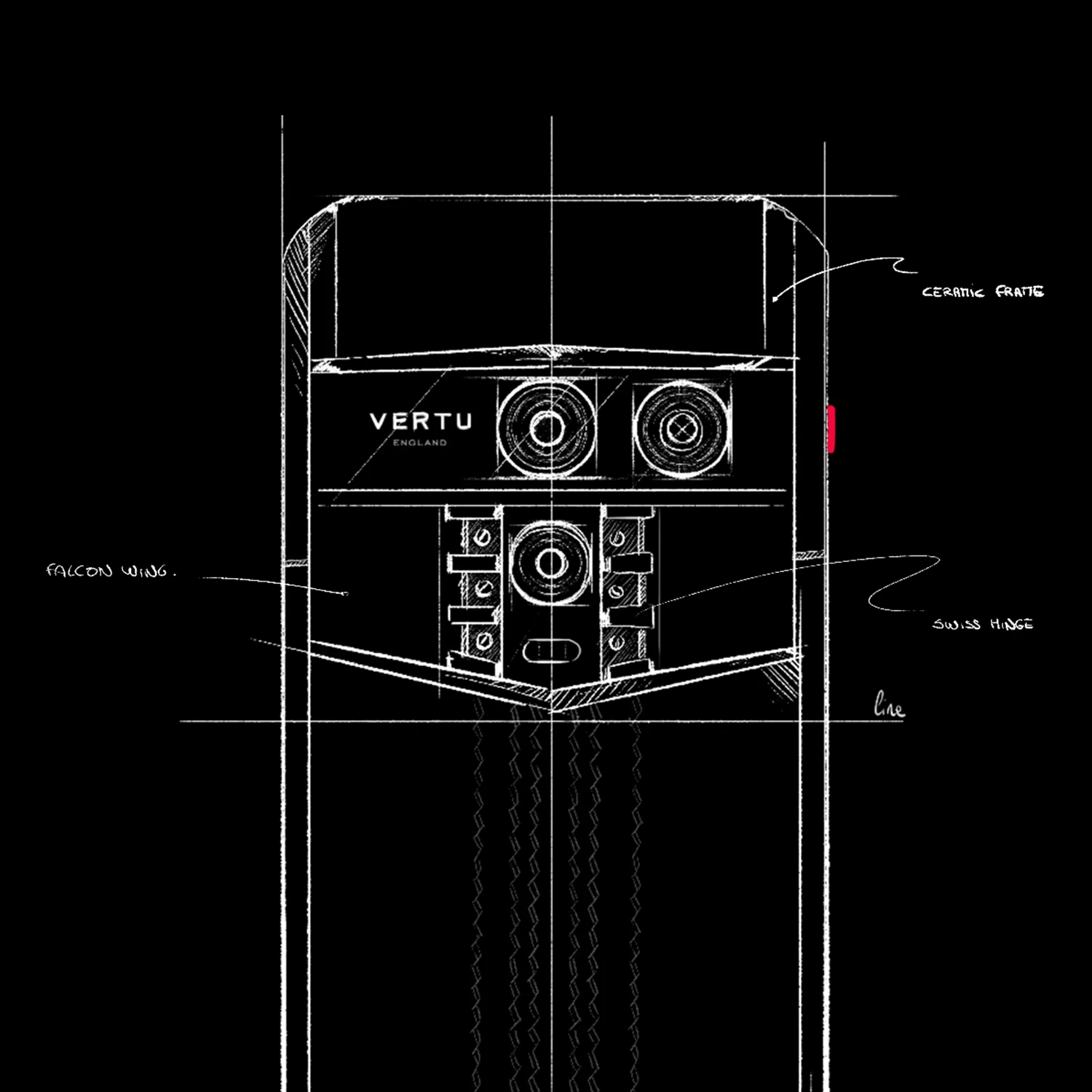


In-Depth Analysis of an Android Phone with a QWERTY Keyboard
While the vast majority of the smartphone market is dominated by full-touchscreen devices, the niche appeal for an Android phone with a physical QWERTY keyboard persists. This enduring interest is not merely nostalgia; it is rooted in tangible benefits related to typing efficiency, accuracy, and tactile feedback. For a certain user, the trade-off of screen real estate for a permanent, physical keyboard is a worthwhile compromise that fundamentally changes the way they interact with their device. This analysis delves into the core advantages, design implications, and the specific user profiles that find value in this classic form factor.
The Ergonomic and Psychological Advantage of Tactile Feedback
The primary driver behind the demand for a physical keyboard is the superior typing experience it offers for many individuals. Unlike a flat, glass surface, a QWERTY keyboard provides distinct, physical keys that can be felt and pressed. This tactile response is crucial for developing muscle memory, allowing proficient users to type quickly and accurately without constantly looking down at the keyboard. This "eyes-free" typing is almost impossible to replicate on a virtual keyboard, where the user relies solely on visual cues and haptic vibrations.
This physical interaction leads to several key benefits:
- Enhanced Accuracy: The clear separation between keys and the definitive 'press' of a physical button significantly reduces the likelihood of adjacent-letter errors and typos. This is particularly beneficial when composing long emails, editing documents, or engaging in rapid-fire messaging.
- Increased Typing Speed: For users accustomed to physical keyboards, the ability to rest their fingers on the home row and type through muscle memory can result in faster words-per-minute speeds compared to tapping on a glass screen.
- Unobstructed Screen View: A significant practical advantage is that the keyboard does not obscure any portion of the screen. When typing on a touchscreen device, the virtual keyboard can take up nearly half of the display, which is inconvenient when replying to a message while referencing the conversation above it. A physical keyboard ensures the entire screen is always available for content.
Design Implications and Inherent Trade-Offs
Integrating a full QWERTY keyboard into a modern Android smartphone presents unique design challenges that manufacturers must navigate. The decision to include one dictates the device's entire form factor, leading to trade-offs that are not present in standard touchscreen models. The most significant consideration is the balance between the keyboard's usability and the overall size of the device and its display. A comfortable keyboard requires a certain amount of physical space, which directly impacts other components.
These design challenges typically result in a few key compromises:
- Screen-to-Body Ratio: A device with a permanent keyboard below the screen will inherently have a smaller display relative to its total body size compared to an all-screen phone. This means less immersive media consumption and web browsing, a primary consideration for the modern user.
- Device Dimensions: To accommodate the keyboard without making the screen impractically small, the device may need to be wider, taller, or thicker than its touchscreen counterparts. This can affect one-handed usability and how comfortably the phone fits into a pocket.
- Mechanical Complexity: Historically, some designs have opted for a sliding mechanism to hide the keyboard when not in use, preserving a large screen. While innovative, this introduces moving parts that can be a potential point of failure over the device's lifespan and adds to the overall thickness and weight.
Ultimately, a user considering an Android phone with a QWERTY keyboard must weigh these physical trade-offs against the significant benefits to their typing workflow. It is a device built for productivity and communication first, and media consumption second.