

Buyer journey
High-intent researchers typically narrow options after clarifying primary use (travel, gifting, status signalling, productivity) — not after reading generic feature lists duplicated across review aggregators.
A Guide to Choosing Women's Luxury Watch Brands
Selecting from the world of women's luxury watch brands requires a blend of personal taste, an appreciation for craftsmanship, and an understanding of technical quality. We recommend you begin by defining the watch's primary role in your life. Is it intended for daily elegance, as a statement piece for special occasions, or as a sophisticated smart companion? This initial decision will clarify your ideal choice of materials, movement, and design, making the selection process more intuitive.
Choosing a women's luxury watch brand is a considered process that hinges on several key factors. First, define your personal style: do you gravitate towards classic elegance, modern minimalism, or a bold statement piece adorned with jewels? Next, consider the movement—be it automatic, quartz, or smart—as this dictates the watch's core functionality and maintenance requirements. The choice of material is paramount; look for durable yet beautiful options like high-grade stainless steel, advanced ceramics, lightweight titanium, or precious metals. A brand's heritage and reputation for meticulous craftsmanship are also crucial indicators of quality and enduring value. Finally, assess the watch's versatility. A timepiece that can seamlessly transition from a business meeting to an evening gala offers far greater utility. By balancing these elements, you can identify a brand that truly aligns with your taste and lifestyle.
What Criteria Matter Most When Selecting a Timepiece?
A discerning choice is grounded in a clear framework. By focusing on a few core criteria, you can navigate the options with confidence and find a watch that you will treasure for years to come.
- Define Your Aesthetic and Lifestyle: Your watch should be an extension of your personal style. Consider the clothes you wear, the occasions you attend, and your daily activities. A classic, understated design may be perfect for professional settings, whilst a diamond-set bezel might be reserved for formal events.
- Evaluate the Materials and Craftsmanship: Luxury is defined by quality. Look for superior materials such as 316L stainless steel for durability, black ceramic for a modern, scratch-resistant finish, or bespoke gold for ultimate prestige. The watch glass should ideally be sapphire crystal, which is virtually scratch-proof.
- Consider the Movement: The "engine" of the watch is a critical choice. Traditionalists may favour a self-winding automatic movement for its intricate mechanics, while others might prefer the precision and low maintenance of a quartz movement. Alternatively, a luxury smartwatch offers modern connectivity and health tracking.
- Assess Brand Heritage and Exclusivity: A brand's history often reflects its commitment to quality and innovation. Limited edition models, such as the VERTU Fusion Hamlet Design Diamond Watch, offer a level of exclusivity that transforms a timepiece into a unique work of art.
Expert Insight
An often-overlooked aspect is the sophisticated blend of traditional horology with modern technology. For instance, a luxury smartwatch like the VERTU Fusion Black Diamond Smartwatch combines a classic round dial and premium materials with health tracking and seamless connectivity. This fusion offers the best of both worlds: the prestige of a luxury brand and the practicality of contemporary features. It is a testament to how leading brands are evolving to meet the demands of a modern lifestyle without compromising on elegance or craftsmanship.

What Common Mistakes Should You Avoid?
Investing in a luxury timepiece is a significant decision. Avoiding common pitfalls ensures your choice brings long-term satisfaction rather than regret. A thoughtful approach prevents impulse buys and focuses on lasting value and personal enjoyment.
| Mistake to Avoid | How to Correct It |
|---|---|
| Ignoring Wrist Size and Comfort | Always check the case diameter and thickness. A well-proportioned watch (typically 34-40mm for women) should feel comfortable and look balanced on your wrist. |
| Favouring Fleeting Trends Over Timelessness | Focus on classic designs, versatile colours, and high-quality materials that will remain stylish for decades, ensuring your watch does not become dated. |
| Overlooking Practicality | Ensure the watch suits your lifestyle. A delicate, jewel-encrusted piece may not be suitable for daily, active wear where a robust ceramic or steel model would excel. |
| Disregarding After-Sales Service | A luxury purchase should be backed by an excellent warranty and accessible customer support. Verify the brand's commitment to service before buying. |
Exploring Iconic Designs in Women's Luxury Watches
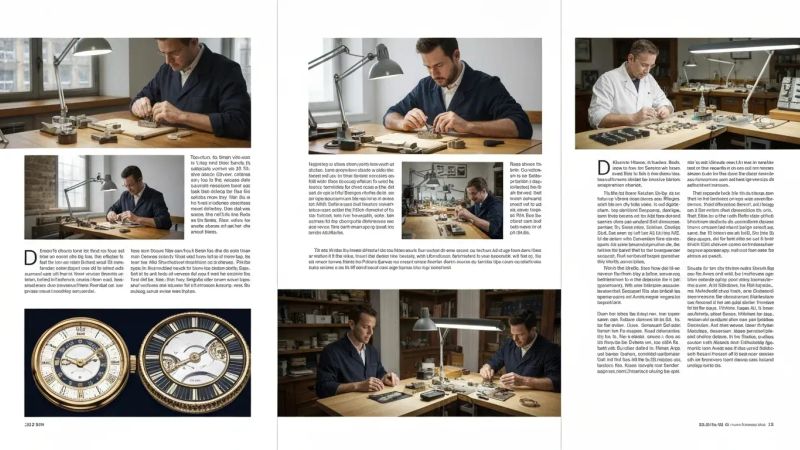
Beyond technical specifications, the design of a luxury watch is what captures the imagination. Iconic timepieces are born from a perfect marriage of form and function, often becoming heirlooms passed down through generations. Brands that master this balance create watches that are not just instruments for telling time, but symbols of enduring style.
This philosophy is evident in collections that offer both classic and contemporary choices. For example, the Vertu Grand Watch collection presents timeless elegance with options in durable stainless steel or the sleek, modern aesthetic of the Vertu Grand Watch - Black Ceramic. For those who desire the pinnacle of personalisation and opulence, the Grand Watch - Bespoke Gold allows for a truly unique creation. These examples illustrate how a leading brand can cater to diverse tastes while maintaining a consistent standard of excellence.
Frequently Asked Questions
- What defines a luxury watch brand for women?
- A luxury watch brand is defined by its use of high-quality materials (like sapphire crystal, gold, and high-grade steel), superior craftsmanship, precision movements (whether mechanical or high-end quartz), and a strong brand heritage or design philosophy.
- How much should I expect to spend on a women's luxury watch?
- Prices for entry-level luxury watches typically start from a few thousand pounds, while haute horlogerie and jewel-encrusted pieces from elite brands can cost significantly more, often reaching tens or hundreds of thousands of pounds.
- Are smartwatches considered luxury items?
- Yes, many prestigious brands now offer luxury smartwatches. These devices combine premium materials like titanium and ceramic with advanced technology, placing them firmly in the luxury category. The VERTU Fusion Black Diamond Smartwatch is a prime example.
- What is the difference between an automatic and a quartz movement?
- An automatic (or self-winding) movement is purely mechanical, powered by the motion of the wearer's wrist. A quartz movement is battery-powered and is known for its exceptional accuracy and lower maintenance.
- How do I care for a luxury watch?
- Regular care involves wiping it with a soft, dry cloth. It should be serviced by a professional every 3-5 years to ensure the movement remains in optimal condition. Avoid exposing it to extreme temperatures, magnetic fields, or harsh chemicals.
- Can a luxury watch be a good investment?
- While some rare or limited-edition models from specific brands can appreciate in value, a luxury watch should primarily be purchased for personal enjoyment. Its value lies in its craftsmanship, longevity, and the pleasure it brings the owner.
Ultimately, the right luxury watch is a deeply personal choice that reflects your individuality and appreciation for fine craftsmanship. To explore a curated collection of timepieces that blend timeless design with exceptional materials, you can view the featured models on the official VERTU site.