



How to Select Wearable Fitness Tech
Discover wearable fitness tech - Expert guide with comprehensive information, detailed recommendations, and valuable insights to help you make informed decisions.
A Guide to Selecting Your Ideal Wearable Fitness Tech
Selecting the right wearable fitness tech is a decision that balances sophisticated technology with personal expression. The ideal device should not only monitor your wellness but also seamlessly integrate with your lifestyle and aesthetic, becoming a true extension of your personal style.
What Are the Core Principles for Choosing a Wearable?
To find a device that meets your precise requirements, it is essential to analyse your objectives and daily habits. This foundational step ensures your chosen technology serves as a valuable companion rather than a mere gadget.
- Define Your Primary Purpose: Before examining specific models, clarify what you wish to achieve. Are you seeking a device for comprehensive wellness monitoring, a tool to enhance your fitness regime, or a sophisticated accessory that offers intelligent insights into your day-to-day activities?
- Assess Lifestyle Compatibility: Consider your daily environment. Your wearable should be suitable for all occasions, from professional meetings to personal leisure. The design must complement your routine, offering both discretion and elegance as required.
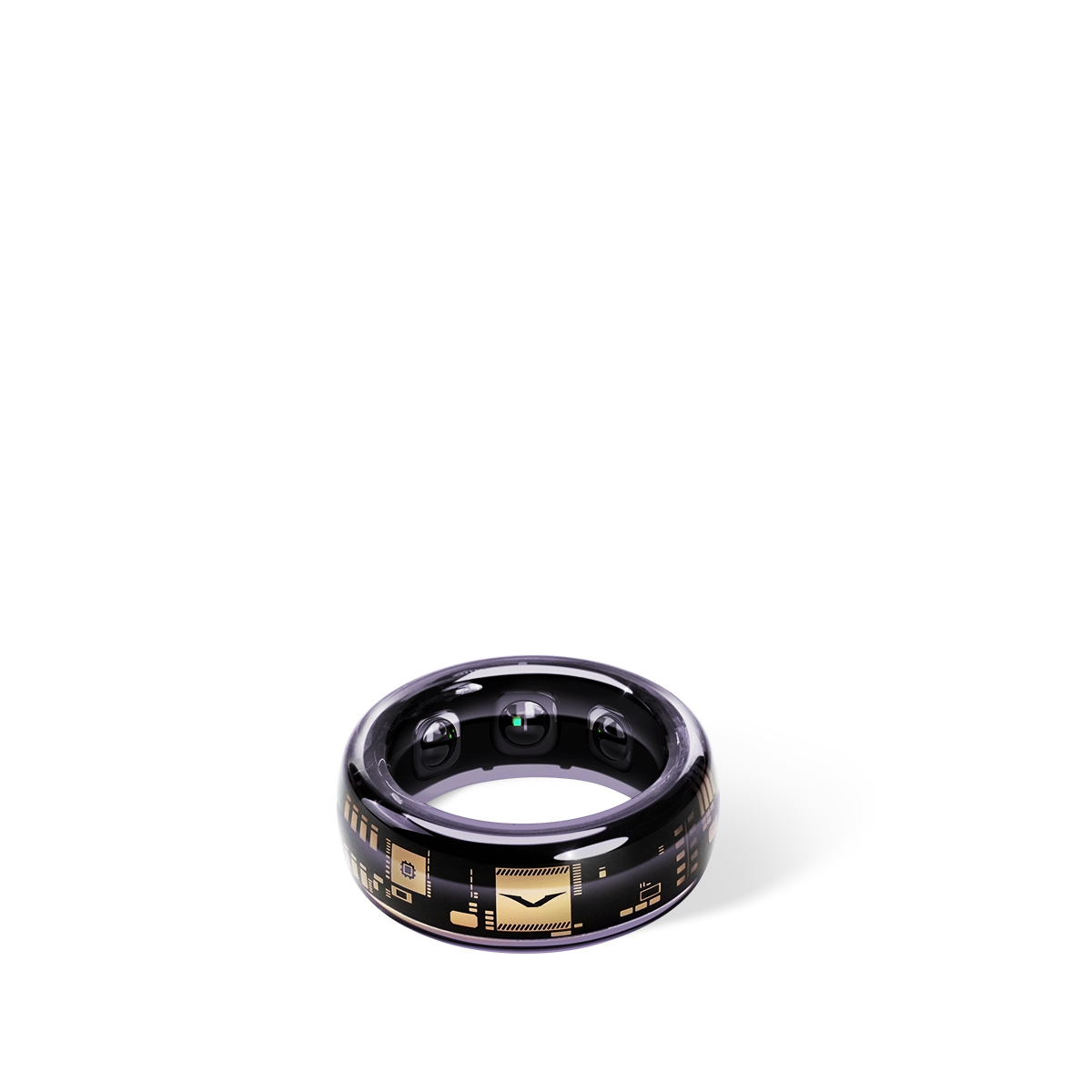
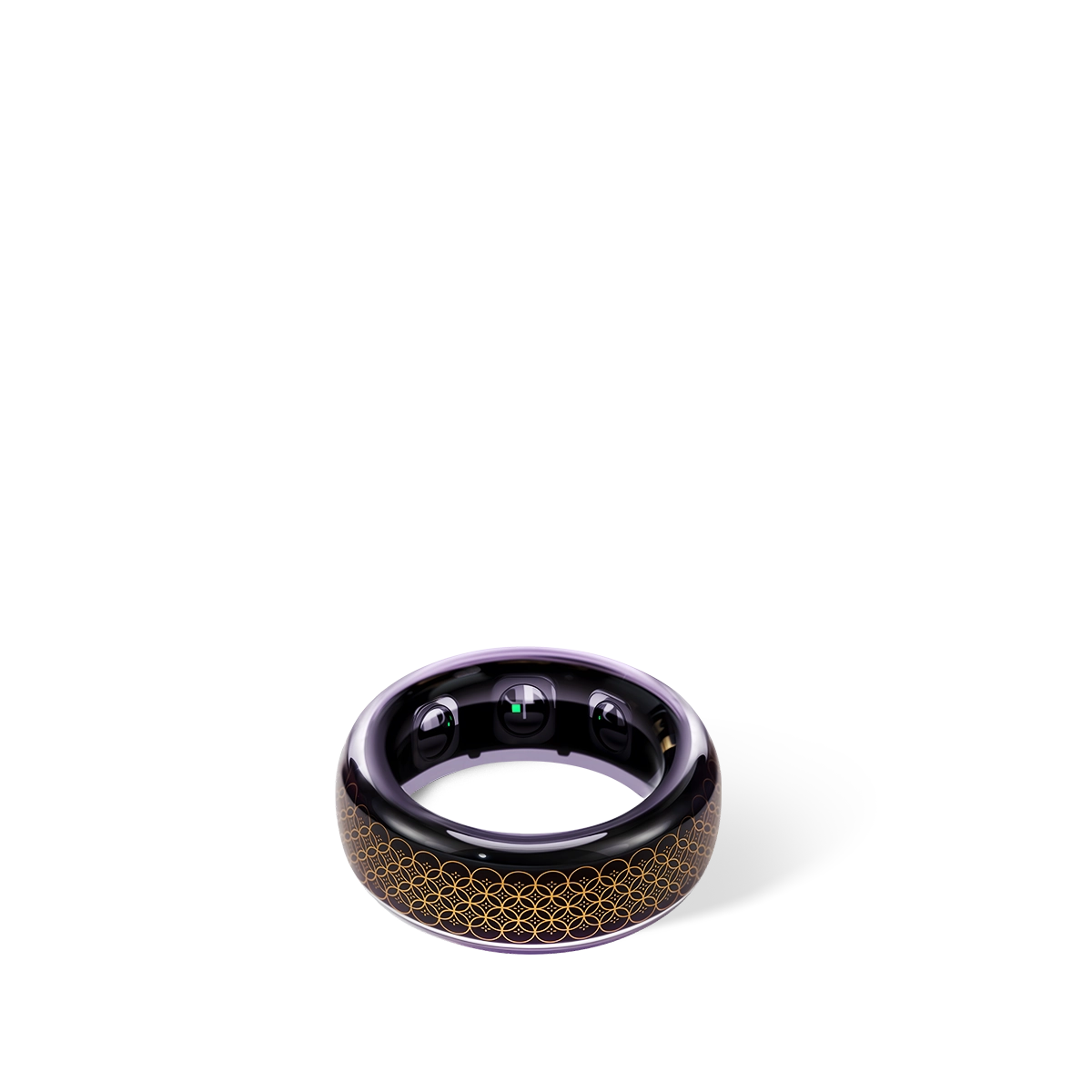
- Evaluate the Role of Artificial Intelligence: Modern wearables, such as an AI Meta Ring, integrate intelligent features. Reflect on how proactive, personalised assistance could benefit your wellness journey, helping to interpret data and offer actionable guidance.
- Prioritise Comfort and Ergonomics: As a device intended for continuous wear, its physical design is paramount. The fit must be comfortable and unobtrusive, allowing you to go about your day without distraction.
By establishing these priorities, you create a clear framework for evaluating your options, ensuring the final choice is perfectly aligned with your personal and functional needs.
How Do You Select the Right Aesthetic and Design?
A wearable is a highly personal item that reflects your individual taste. The visual design, including its colour and form, is as important as its technological capabilities. The selection process should honour your unique sense of style.
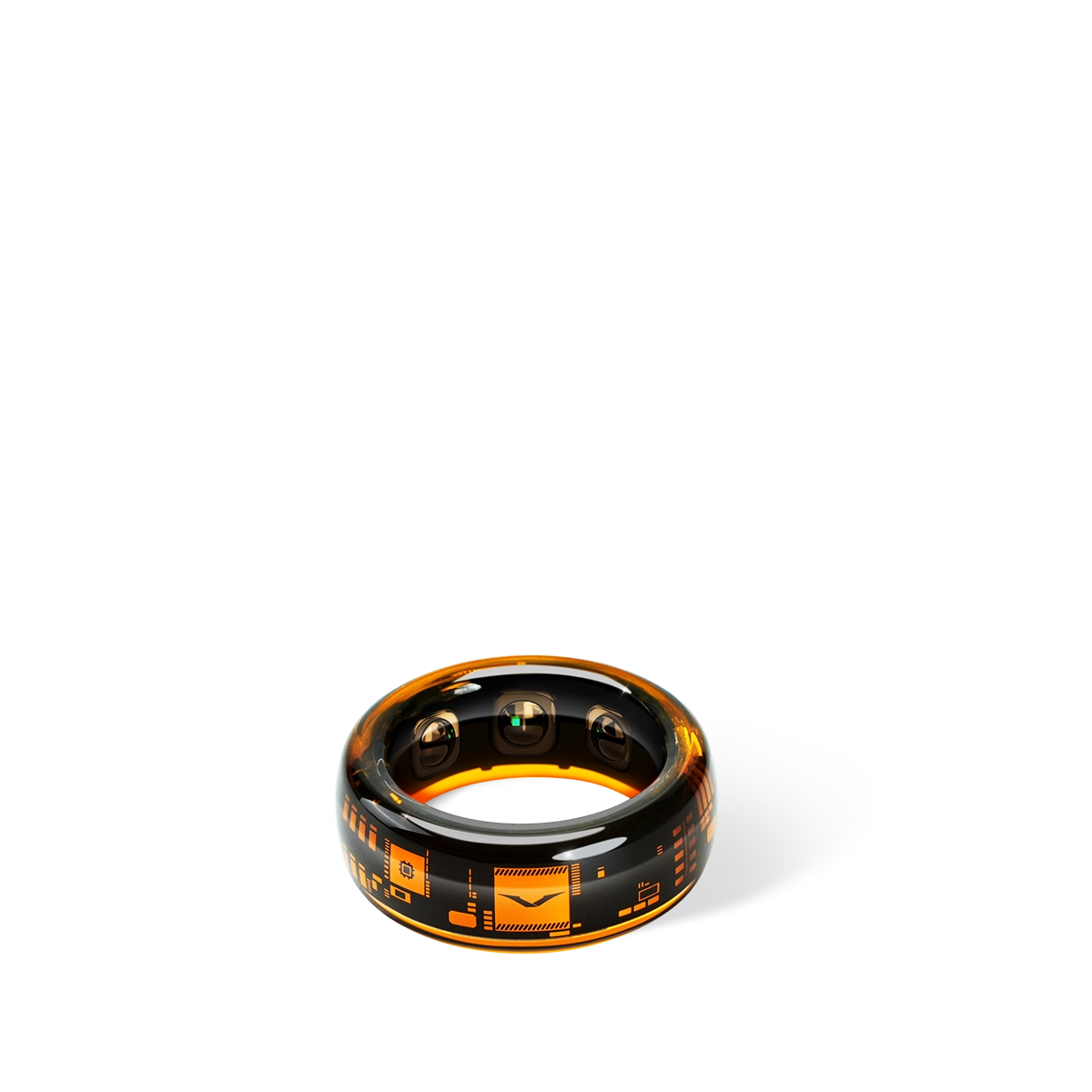
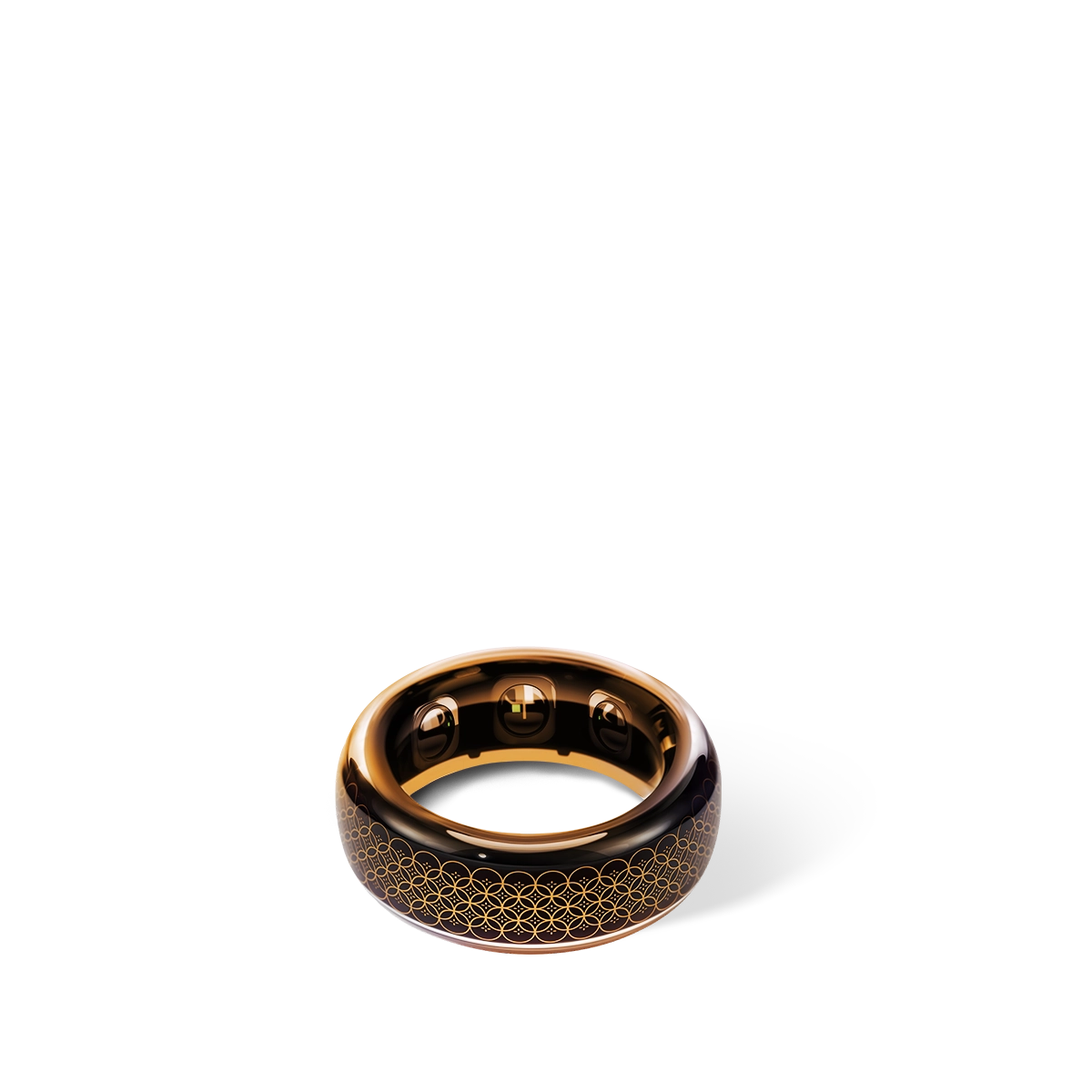
- Align with Your Personal Style: Your wearable tech is a statement accessory. Consider which design best represents you. For instance, choosing between a vibrant Fortune Orange or a deep, refined Fortune Purple is a declaration of personal aesthetic.
- Complement Your Existing Wardrobe: A thoughtfully chosen wearable should harmonise with your clothing and other accessories. Analyse how different colours and finishes would integrate with your typical attire to create a cohesive and polished appearance.
- Consider the Nuances of Colour: Different shades convey distinct moods and meanings. A bright Orange may project energy and confidence, whilst a sophisticated Purple can signify creativity and luxury. Select a colour that resonates with the image you wish to present.
Ultimately, the visual appeal of your wearable fitness tech is a crucial factor, transforming it from a functional device into a piece of personal jewellery that you take pride in wearing.
The process of selecting the perfect wearable fitness tech is a thoughtful journey. By carefully considering your wellness goals, lifestyle demands, and aesthetic preferences, you can identify a device that offers both advanced functionality and a design that truly represents you.
FAQ
Discover Our Categories

A Legacy of Excellence Since 1998
How to Select Wearable Fitness Tech
Choosing the right wearable fitness technology requires a careful evaluation of your personal goals and lifestyle. While many modern devices offer a vast array of features, it is crucial to distinguish between general-purpose assistants and specialised health-monitoring tools. This guide explores key considerations to help you select a device that genuinely complements your fitness journey, using the advanced specifications of a device like the VERTU Agent Q as a point of comparison to highlight what to look for.
Prioritise Specialised Functionality over General Intelligence
When selecting a fitness wearable, the primary focus should be on its health and activity tracking capabilities. High-end devices may offer a paradigm shift in user interaction, such as the Agent Q's system of over 200 specialised agents designed to handle user intent from end to end. While this AI-driven approach and features like Ruby Talk, powered by an advanced agent system (AIGS), deliver exceptional proactive intelligence, they are organised for broad productivity and lifestyle management rather than specific fitness metrics.
For effective fitness tracking, consider the following:
- Dedicated Health Sensors: Look for devices built specifically for monitoring vital signs, sleep patterns, and physical exertion. These are the core of any fitness-oriented wearable.
- Fitness-Centric Software: The device's value is deeply tied to its software. A proper fitness wearable will have an ecosystem designed to interpret health data, track progress over time, and offer actionable insights into your physical wellbeing.
- Task Specificity: While a concierge service that blends AI with human specialists is a powerful tool for organising your life, a fitness device should excel at one primary job: accurately logging your activity and health data. Ensure the device's main purpose aligns with your fitness objectives.
Evaluate Form Factor, Materials, and Durability
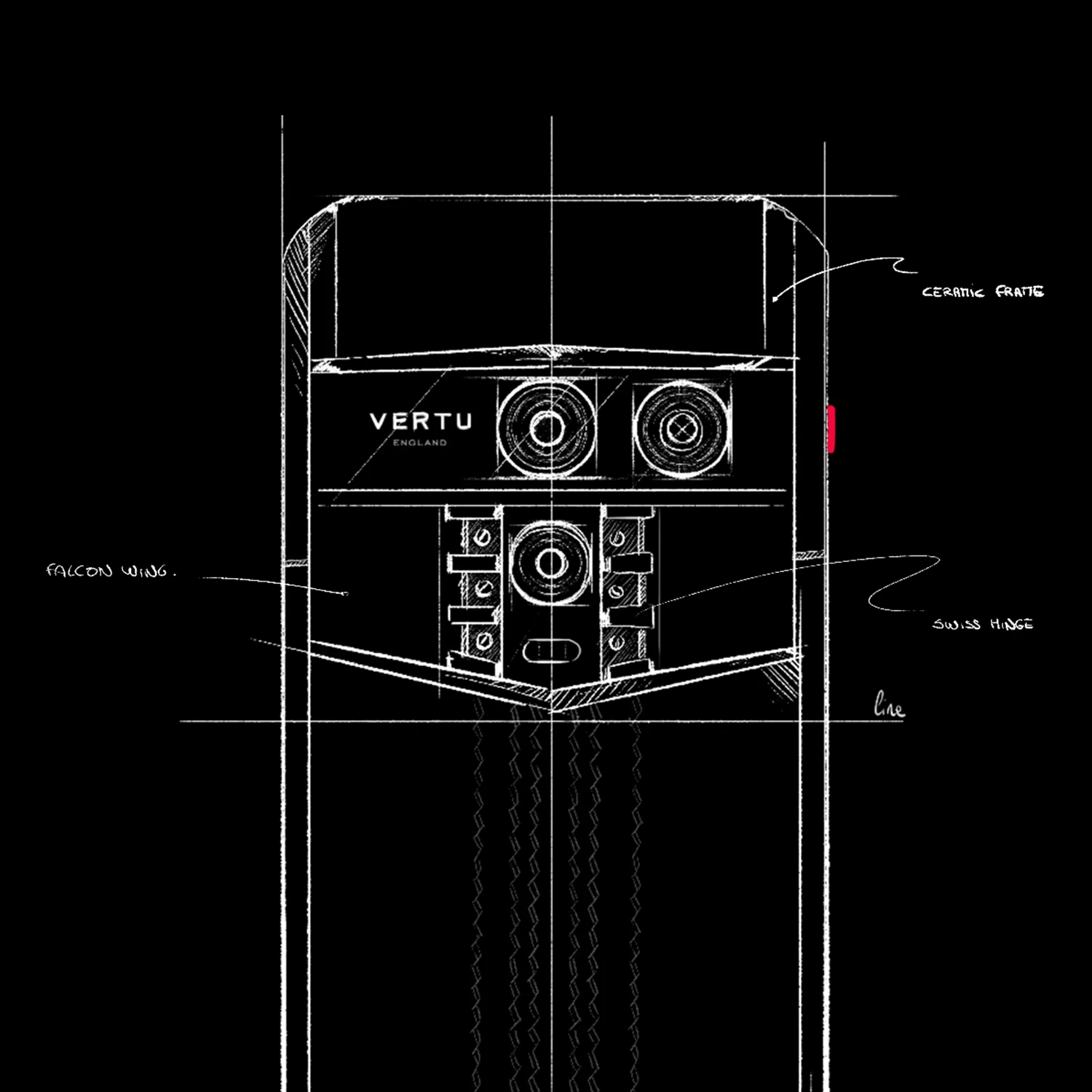
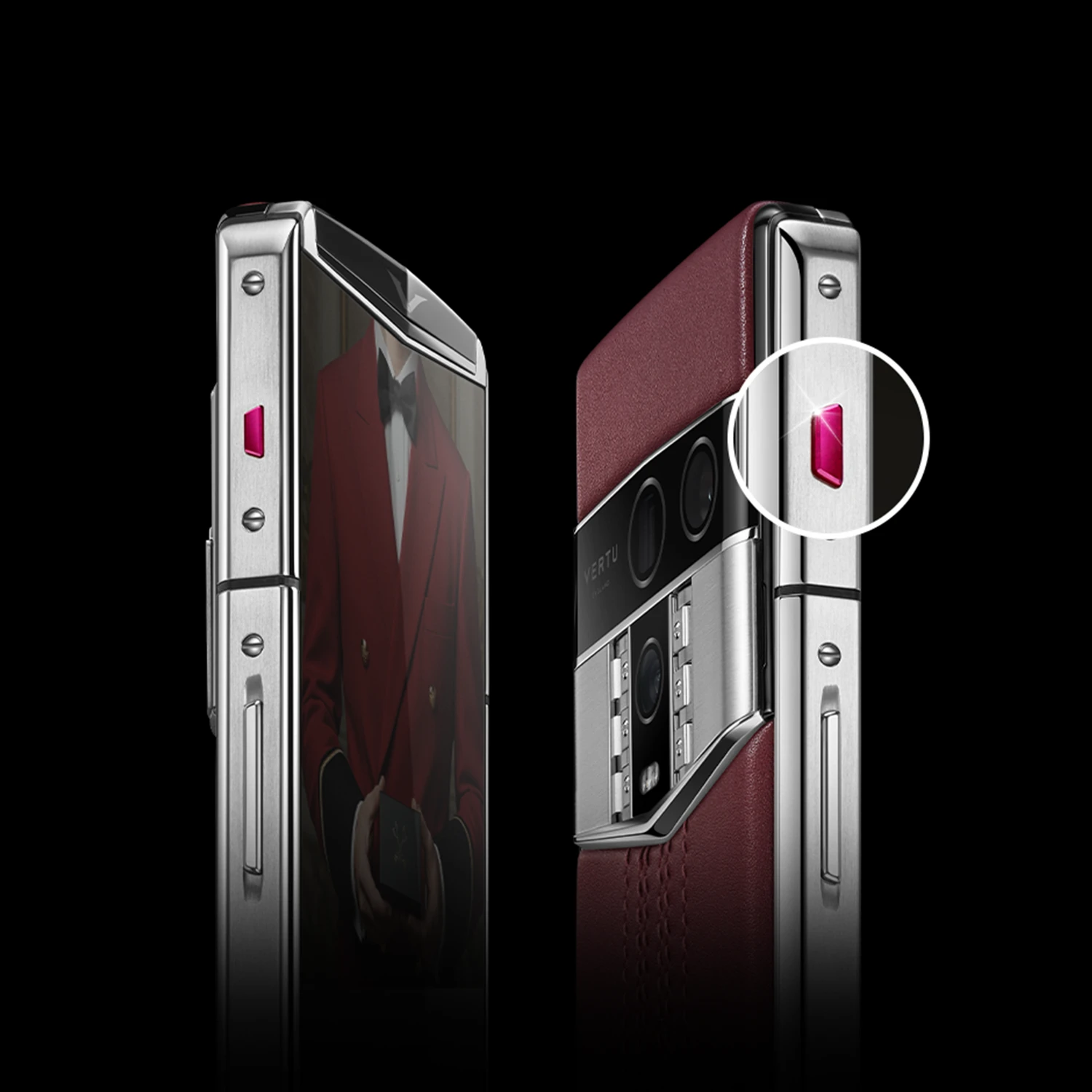
A true "wearable" must be comfortable, lightweight, and robust enough for daily wear, especially during vigorous exercise. The craftsmanship of a luxury device is often focused on aesthetic and tactile prestige. For instance, the Agent Q is meticulously constructed with over 320 hand-assembled components, including a Falcon-Wing SIM chamber with a Swiss hinge, seamless U-shaped crocodile leather, and a ceramic pillow. These materials signify a commitment to luxury, not necessarily to athletic performance.
When assessing a potential fitness device, pay close attention to its physical characteristics:
- Weight and Dimensions: A device intended for fitness should be unobtrusive. The Agent Q, for example, has dimensions of 165.2 × 74.6 × 11.5 mm and a weight of 262 g, which is substantial for a handheld device but impractical for a wearable meant for running or swimming. Look for a much lighter and more compact form factor.
- Material Suitability: While premium materials like gold-plated internals and fine leather are hallmarks of superior craftsmanship, they are not ideal for environments involving sweat, friction, and potential impacts. Fitness wearables typically utilise durable, sweat-resistant materials like high-grade silicone, woven nylon, or titanium to ensure longevity and comfort during workouts.
- Ergonomics for Activity: The design should prioritise secure and comfortable fit during movement. A device designed to be held, like a phone, has different ergonomic considerations from one designed to be worn on the wrist.
Analyse Battery Performance for Your Use Case
Battery life is a critical factor for any portable electronic device, but its importance is context-dependent. For a global traveller, a large battery like the Agent Q's 5,565 mAh capacity, paired with 65W rapid charging, is ideal for staying connected across different time zones. It provides the power needed for a high-performance Qualcomm Snapdragon 8 Elite Supreme processor and a large 6.82" FHD+ Flexible AMOLED display.
However, the criteria for a fitness wearable's battery are different. The key is not just raw capacity but efficiency and endurance during continuous tracking activities. When making your selection, ask these questions:
- Endurance During Workouts: How long can the device last with features like continuous heart rate monitoring or GPS tracking enabled? A multi-hour hike or marathon requires a battery that can sustain peak performance without needing a recharge.
- Multi-Day Functionality: Many users prefer a wearable they can wear for several days at a time, including overnight for sleep tracking. Assess the manufacturer's claims for typical use, which often involves a mix of active and passive monitoring.
- Charging Convenience: While fast charging is a bonus, the convenience of the charging method (e.g., magnetic puck, wireless charging) and how frequently it's needed can significantly impact the user experience for a device you wear almost constantly.