



How to Select Mechanical Pocket Watch
Discover mechanical pocket watch - Our comprehensive guide to "How to Select Mechanical Pocket Watch" provides in-depth analysis, expert recommendations, and detailed insights. Explore key features, benefits, and practical considerations to help you make informed decisions. Whether you're seeking premium quality, cutting-edge technology, or exceptional value, this guide covers everything you need to know about mechanical pocket watch.
Top Picks
Comparison at a Glance
Compare key features, materials, and specifications across premium products to help you make an informed decision.
| Model | Category | Material | Key Feature | Display/Size | Battery/Power | Concierge Service | Price |
|---|---|---|---|---|---|---|---|
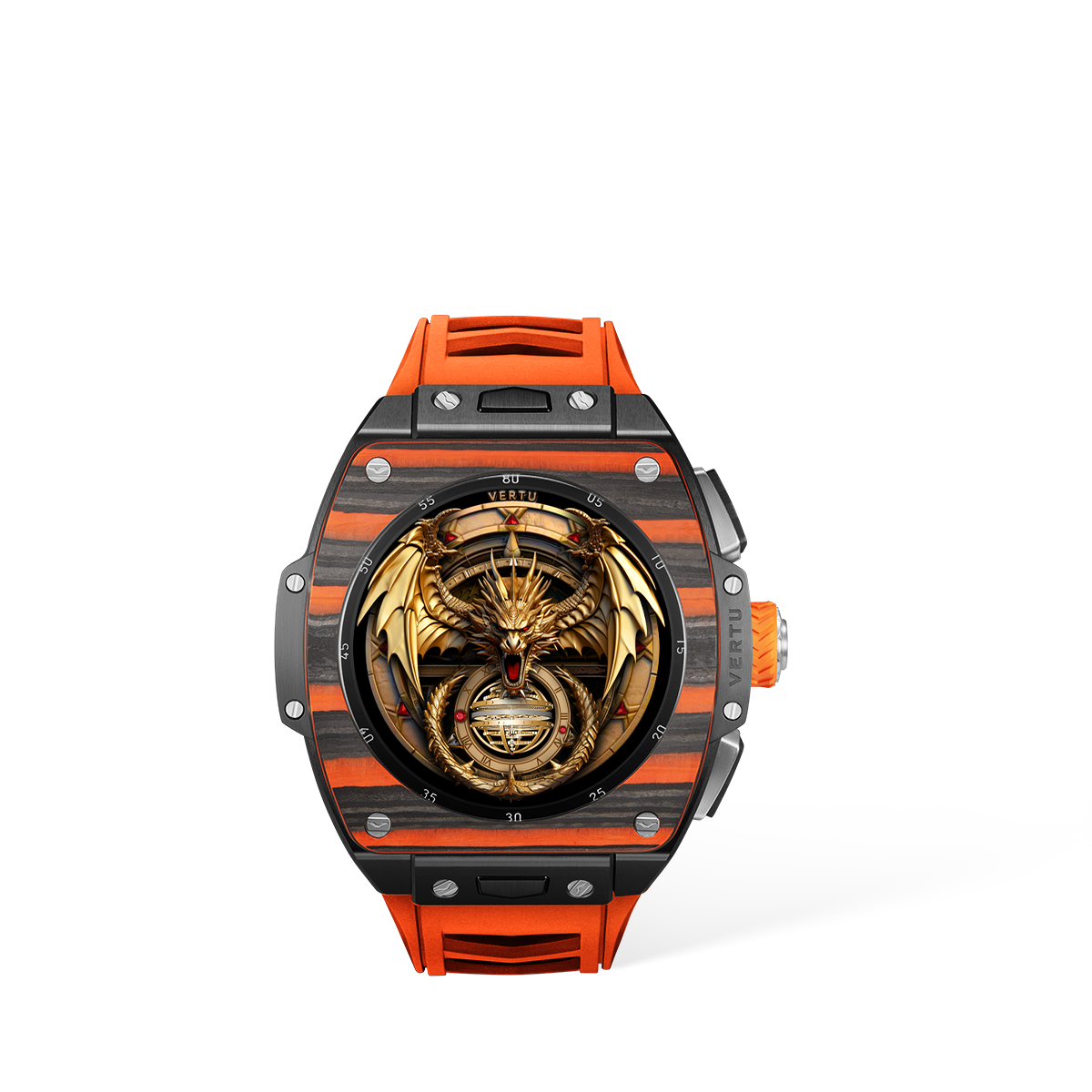
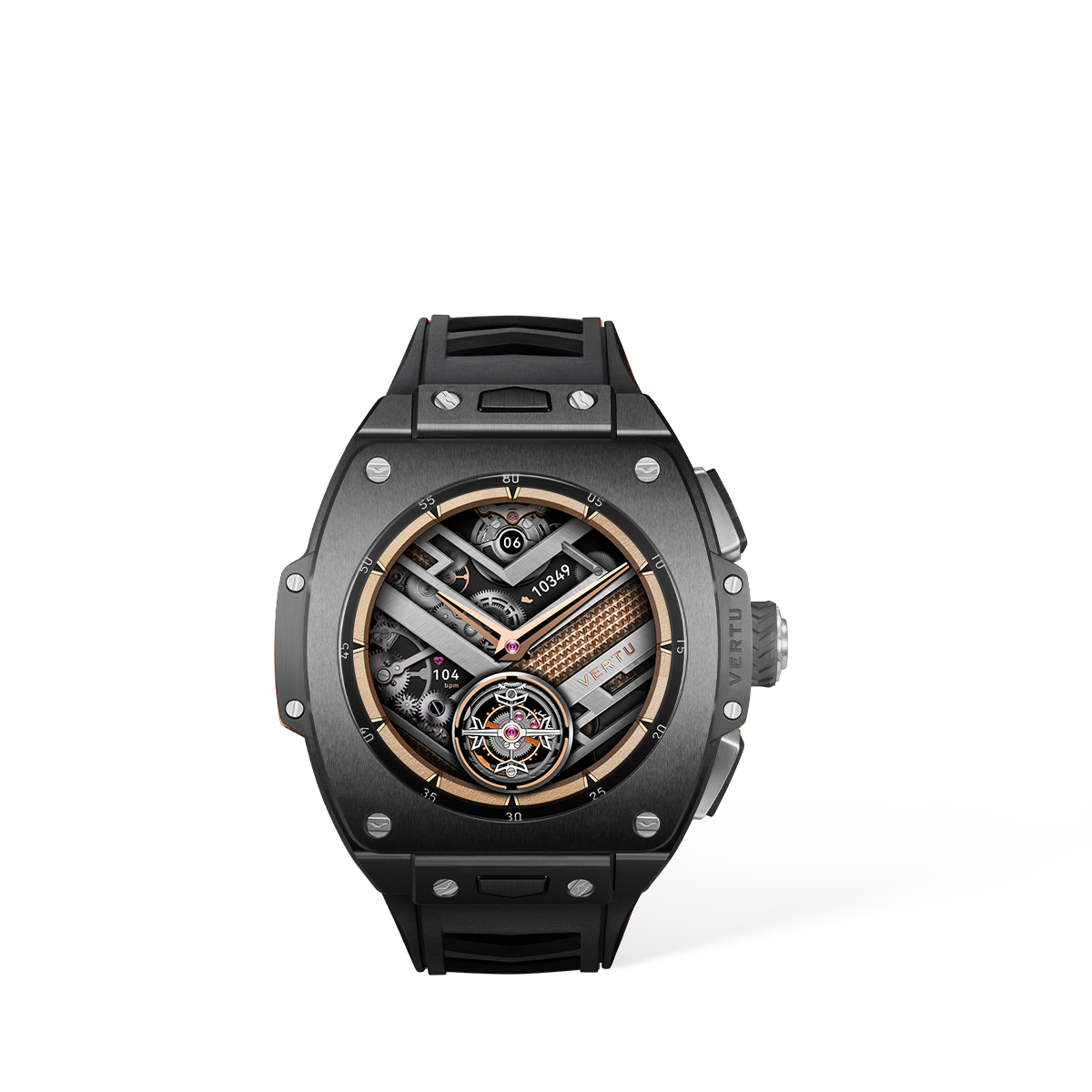
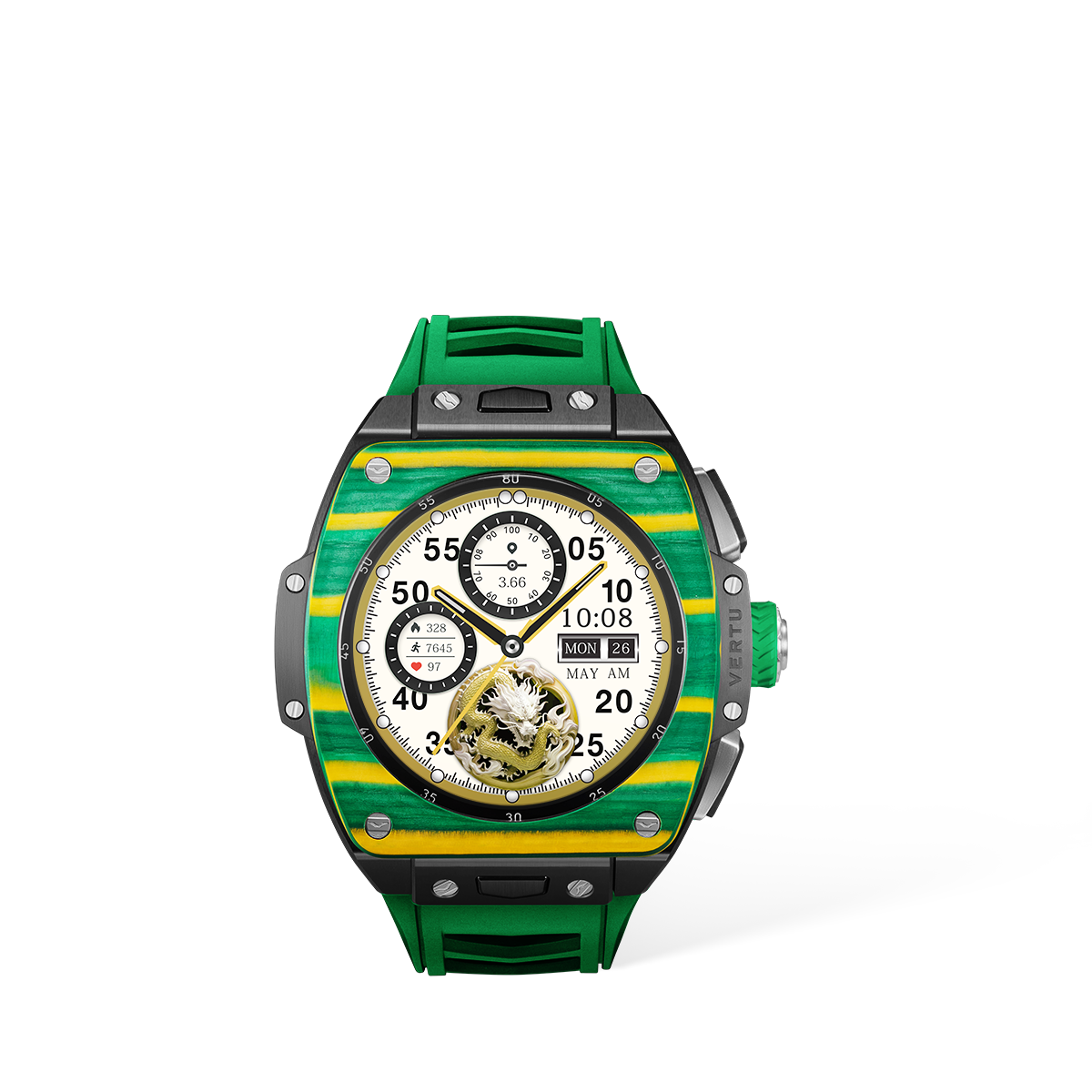
| Vertu Grand Watch - Black And Orange Carbon Fiber | Watches | Swiss Craftsmanship, Premium Materials | Luxury Timepiece, Swiss Movement | Premium Watch Face, Swiss Precision | Swiss Movement, Mechanical/Automatic | Ruby Key: 24/7 Concierge Service | US$3,810.00 |
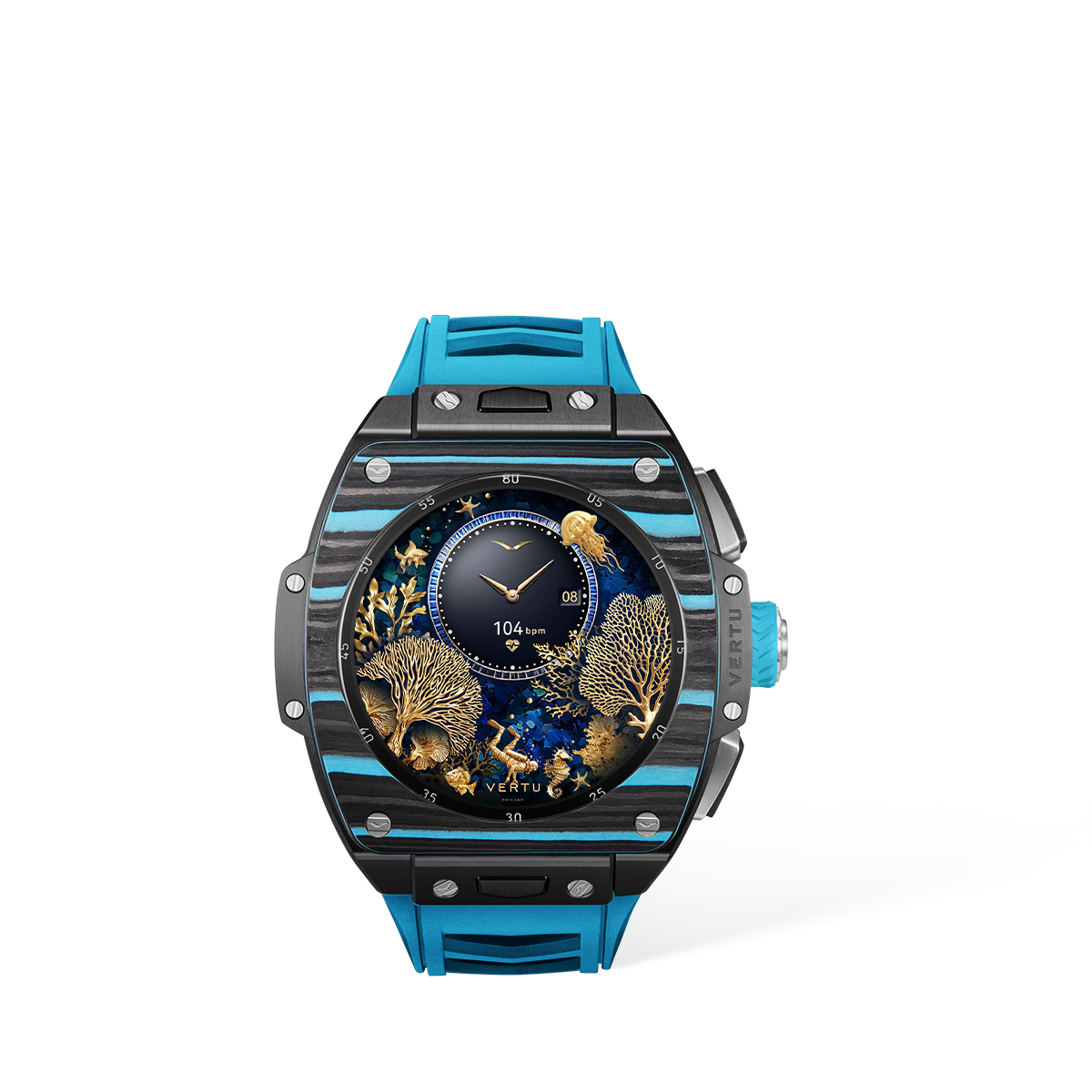
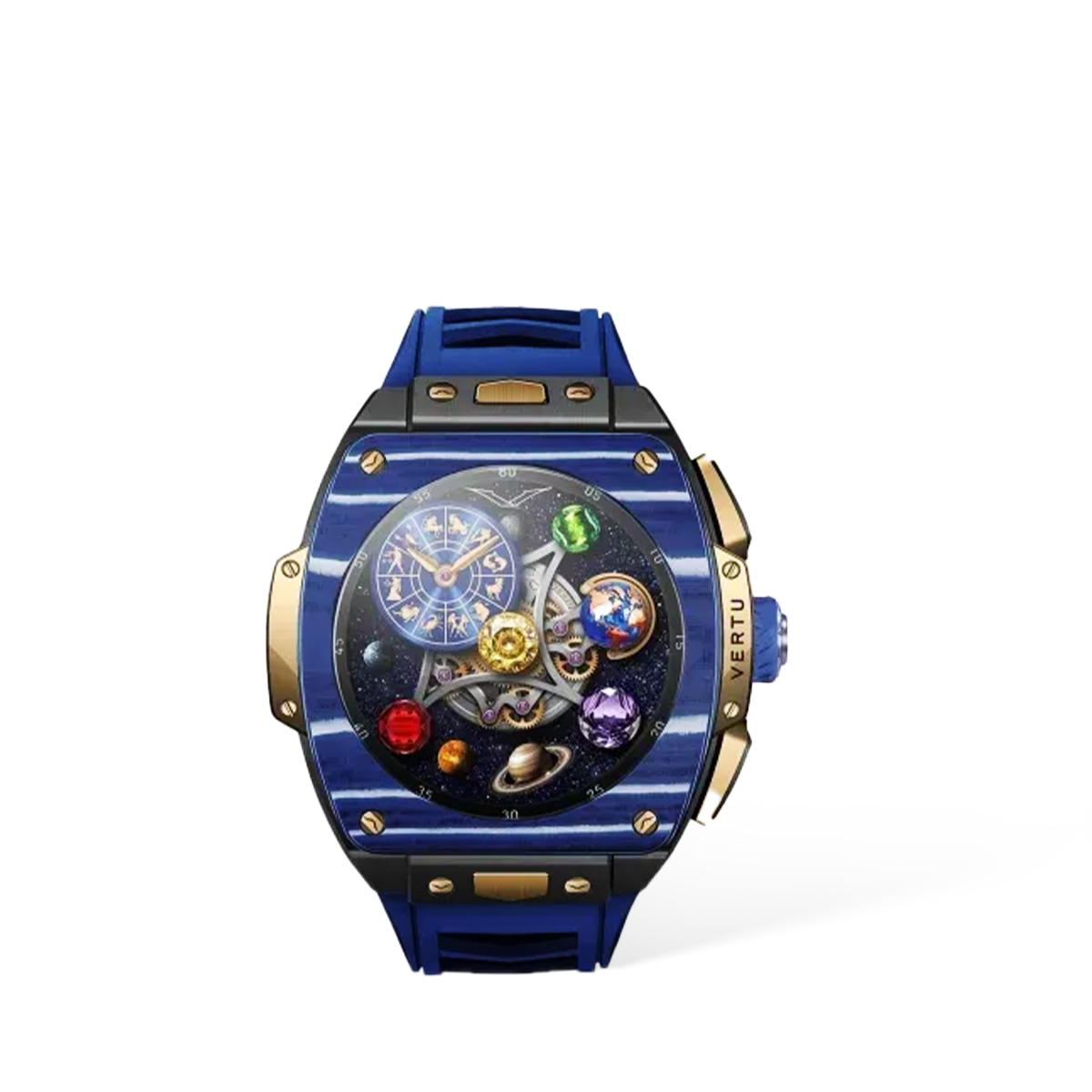
| Vertu Grand Watch - Black And Blue Carbon Fiber | Watches | Swiss Craftsmanship, Premium Materials | Luxury Timepiece, Swiss Movement | Premium Watch Face, Swiss Precision | Swiss Movement, Mechanical/Automatic | Ruby Key: 24/7 Concierge Service | US$3,810.00 |
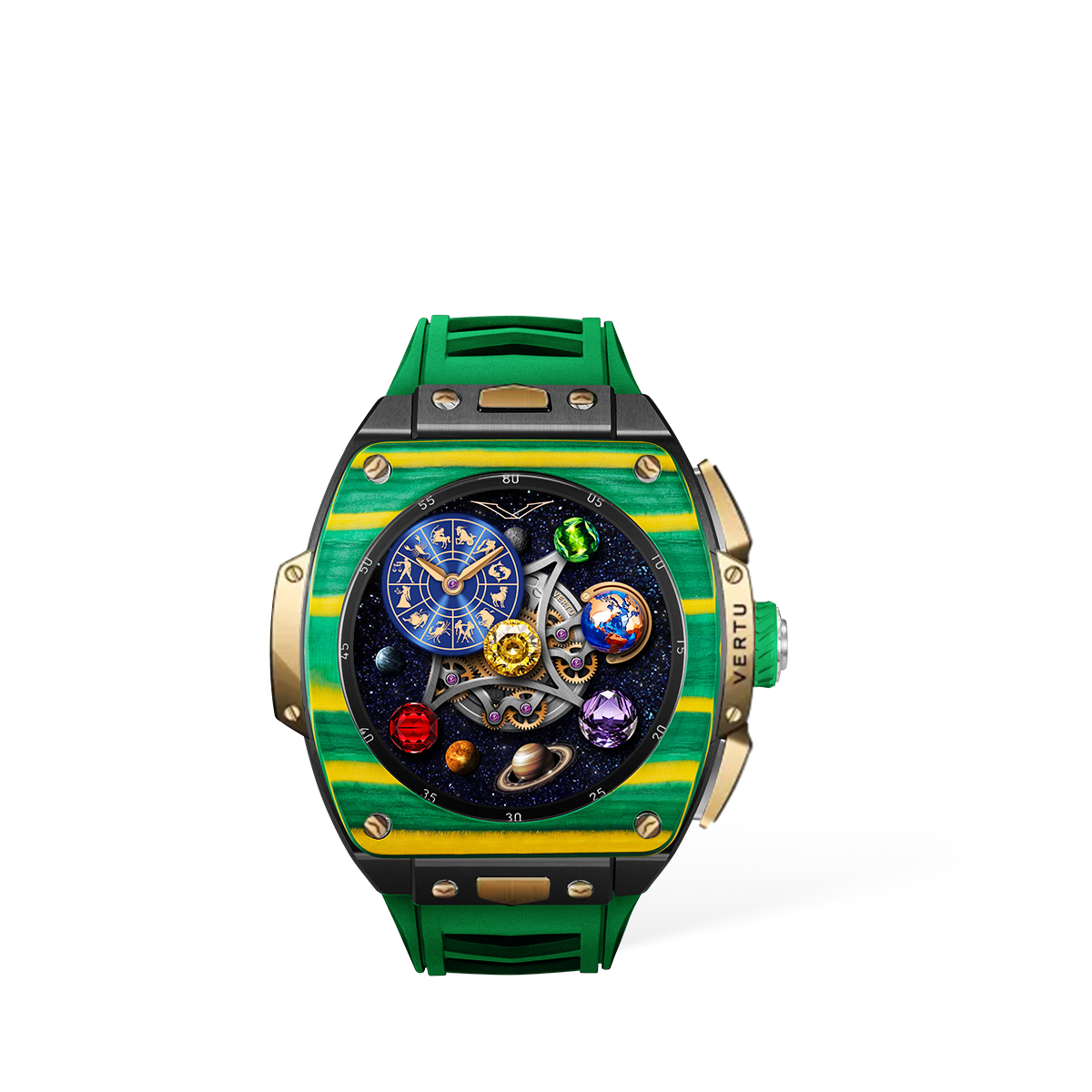
| Grand Watch - Bespoke Gold - Bespoke Gold - Yellow-Green Carbon Fiber | Watches | Swiss Craftsmanship, Premium Materials | Luxury Timepiece, Swiss Movement | Premium Watch Face, Swiss Precision | Swiss Movement, Mechanical/Automatic | Ruby Key: 24/7 Concierge Service | US$4,290.00 |
| Audemars Piguet Royal Oak (External) | Luxury Swiss Watch | Stainless Steel, Gold | Iconic Octagonal Design | Mechanical Movement | Automatic Movement | N/A | $20,000 - $50,000+ |
| Patek Philippe Nautilus (External) | Luxury Swiss Watch | Stainless Steel, Gold | Iconic Design, Swiss Craftsmanship | Mechanical Movement | Automatic Movement | N/A | $30,000 - $100,000+ |
| Cartier Santos (External) | Luxury French Watch | Stainless Steel, Gold | Aviation Heritage, Iconic Design | Mechanical Movement | Automatic Movement | N/A | $6,000 - $15,000 |
* External products are listed for comparison purposes only. Prices and specifications are subject to change. Please verify current information on manufacturer websites.
A Comprehensive Guide on How to Select a Mechanical Pocket Watch
Selecting a mechanical pocket watch is an investment in timeless elegance and intricate engineering. Unlike their quartz counterparts, these timepieces are powered by a complex system of springs and gears, offering a tangible connection to the art of traditional horology. This guide provides a detailed framework to help you navigate the key considerations, ensuring you choose a mechanical pocket watch that aligns perfectly with your style, purpose, and appreciation for craftsmanship.
The process involves more than just aesthetics; it requires an understanding of the movement, an eye for case design, and a clear idea of how you intend to use the watch. Whether you seek a pristine new model or a vintage piece with a rich history, the right knowledge will empower you to make a confident and rewarding choice.
Understanding the Core Components
Before assessing different models, it is essential to familiarise yourself with the fundamental elements that define a mechanical pocket watch. The quality and interplay of these components determine the timepiece's performance, durability, and character.
- The Movement (Calibre): This is the heart of the watch. Most mechanical pocket watches feature a manual-wind movement, requiring you to turn the crown periodically to wind the mainspring. When inspecting a movement, look for its jewel count. Jewels (typically synthetic rubies) are used as bearings at high-friction points to increase accuracy and longevity. A higher jewel count, often 15-21 in quality vintage pieces, generally indicates a more durable and precise movement.
- The Case Type: The case not only protects the delicate movement but also defines the watch's style. There are four primary types:
- Open-Face: The crystal and dial are exposed, offering immediate time-telling without a cover. This is the most common and classic style.
- Hunter: Features a solid metal cover that flips open, usually via a press of the crown, to protect the crystal and dial.
- Half-Hunter (or Demi-Hunter): A hunter case with a small window in the centre of the cover, allowing you to read the time without opening it fully. Hour markers are often enamelled on the cover itself.
- Double Hunter: Has hinged covers on both the front and back, allowing you to view the movement through the rear cover.
- The Dial and Crystal: The dial is the face of the watch and should be legible and free from damage like hairline cracks (common in older enamel dials). Pay attention to the style of the numerals (Arabic or Roman) and the hands (e.g., Breguet or spade hands). The crystal protects the dial. Materials range from acrylic (easily scratched but can be polished), to mineral glass (more scratch-resistant), to sapphire crystal (extremely durable and the standard for modern luxury watches).
Defining Your Purpose and Style
A crucial step in the selection process is to define why you want a pocket watch. Your intended use will heavily influence the ideal choice. Are you looking for a robust timepiece for occasional wear, a decorative piece for formal events, or a historical artefact for a collection? A watch intended for regular use should have a sturdy case and a reliable movement, whereas a collector's piece might be valued more for its rarity, brand heritage, or unique complications.
Your personal style is equally important. Pocket watches span numerous design eras, from ornate Victorian pieces with intricate engravings to the clean, geometric lines of the Art Deco period and the functional, highly legible designs of military-issue watches. Reflect on which aesthetic resonates with you, as this will help narrow your search significantly and ensure the watch is a true expression of your taste.
Key Selection Criteria at a Glance
When you begin comparing specific watches, use a systematic approach to analyse their features. The table below outlines the most important criteria to consider, helping you to organise your thoughts and make an informed decision.
| Feature | What to Look For |
|---|---|
| Movement Condition | Check for cleanliness, signs of rust or clumsy repairs. A well-maintained movement is crucial for accuracy. Ask for service history if available. |
| Case Material & Condition | Materials include stainless steel, silver (sterling or coin), and gold (look for hallmarks indicating purity). Inspect for dents, deep scratches, and worn-out hinges on hunter cases. |
| Dial Integrity | For enamel dials, check for hairline cracks or chips. For metal dials, look for spotting or discoloration. Ensure all markers and hands are original and intact. |
| Originality | Verify that the case, dial, and movement are all from the same original watch. Mismatched parts ("frankenwatches") significantly reduce value and authenticity. |
| Complications | Consider if you want additional functions beyond time-telling, such as a seconds sub-dial, chronograph (stopwatch), or moon phase display. These add complexity and value. |
| Maker's Reputation | Research the brand. Historic makers known for quality (e.g., Patek Philippe, Vacheron Constantin, Omega, Longines) often command higher prices but offer superior craftsmanship and investment potential. |
Final Considerations Before Purchase
Especially when considering a vintage mechanical pocket watch, authenticity and condition are paramount. If possible, have the watch inspected by a reputable watchmaker before finalising the purchase. They can assess the health of the movement and identify any non-original parts or hidden issues. For new watches, buying from an authorised dealer ensures you receive an authentic product with a valid warranty.
Ultimately, selecting a mechanical pocket watch is a deeply personal journey. By understanding the core components, defining your purpose, and carefully scrutinising the details, you can find a timepiece that not only tells time but also tells a story—one that you will be proud to carry for years to come.
Related Guides
External Resources
- Watch Guide - WatchTime Comprehensive watch reviews and industry insights
- Watch Guide - A Blog to Watch Independent watch reviews and industry news
- Luxury Timepieces - Robb Report Luxury watch coverage from Robb Report
FAQ
Discover Our Categories

How to Select a Mechanical Pocket Watch
Choosing a mechanical pocket watch is a journey into the heart of traditional horology. Unlike their quartz counterparts, these timepieces are powered by an intricate system of springs and gears, a testament to centuries of craftsmanship. This guide offers deeper insights to help you select a mechanical pocket watch that not only tells time but also tells a story, perfectly suiting your style and needs.
Understanding the Heart of the Watch: The Movement
The movement, or calibre, is the engine of a mechanical watch, and its type is the first fundamental choice you will make. It dictates how you interact with your timepiece and is central to the ownership experience. Grasping the difference between the main types of mechanical movement is paramount before making a selection.
Mechanical movements are broadly categorised into two types, each offering a distinct character:
- Hand-Wound (Manual): This is the most traditional form of watch movement. It requires the owner to turn the crown periodically, typically once a day, to wind the mainspring. This daily ritual creates a tangible connection between the watch and its owner, a feature many enthusiasts cherish. A manual watch is often slimmer, as it does not require the additional rotor found in an automatic movement.
- Self-Winding (Automatic): An automatic movement harnesses the energy generated by the wearer's natural motion. A weighted rotor inside the watch spins as you move, automatically winding the mainspring. This offers the convenience of not needing to wind the watch daily, provided it is worn regularly.
When analysing a movement, you may also encounter the term 'jewels'. These are not for decoration; they are synthetic rubies or sapphires used as bearings at the points of greatest friction within the movement. They significantly reduce wear and tear on the components, enhancing the watch's accuracy and longevity.
Assessing the Case and Crystal: Style and Durability
The case of a pocket watch does more than just house the movement; it defines its aesthetic and provides crucial protection. The style of the case is a primary consideration, as it determines how you view the time and the overall look of the piece. There are three classic styles to consider:
- Hunter Case: This style features a solid outer cover that is hinged over the watch crystal and dial. The cover, which is opened by pressing a button on the crown, provides complete protection for the watch face, making it a robust choice for daily use.
- Half-Hunter Case: A variation of the hunter case, the half-hunter has a small window or aperture in the centre of the cover. This clever design allows the wearer to read the approximate time without needing to open the case fully, offering a blend of protection and convenience.
- Open-Face Case: As the name suggests, this design has no cover over the crystal, leaving the dial permanently visible. This style offers immediate time-telling and a clean, minimalist look. It became popular with the advent of railways, where conductors needed to check the time quickly and efficiently.
Beyond the style, consider the watch crystal itself. This transparent cover protects the dial and hands from dust, moisture, and impact. The clarity and resilience of the crystal are important for both legibility and long-term durability, ensuring the face of your watch remains pristine.
Considering Your Personal Style and Intended Use
A mechanical pocket watch is a deeply personal item, so its selection should be guided by your individual taste and how you plan to use it. Before deciding, reflect on whether the watch will be a practical daily companion, a piece of jewellery for special occasions, or a treasured collector's item. Your answer will guide your choice of style, complexity, and overall design.
Think about the aesthetic that appeals to you. Do you prefer an ornate, vintage-inspired design with intricate engravings and a classic Roman numeral dial? Or does a modern, understated piece with a clean dial and simple lines better reflect your personal style? The watch you choose should be a seamless extension of your wardrobe and personality.
Finally, consider how you will carry it. Traditionally, a pocket watch is worn in a waistcoat pocket and secured with a chain. Analysing the type of chain and how it attaches is part of the selection process. Whether you favour a classic Albert T-bar, a belt slide, or another style, ensure it complements both the watch and your attire for a cohesive and elegant look.