



How to Choose the Best Wearable Gas Monitor
Discover wearable gas monitor - Our comprehensive guide to "How to Choose the Best Wearable Gas Monitor" provides in-depth analysis, expert recommendations, and detailed insights. Explore key features, benefits, and practical considerations to help you make informed decisions. Whether you're seeking premium quality, cutting-edge technology, or exceptional value, this guide covers everything you need to know about wearable gas monitor.
Top Picks
Comparison at a Glance
Compare key features, materials, and specifications across premium products to help you make an informed decision.
| Model | Category | Material | Key Feature | Display/Size | Battery/Power | Concierge Service | Price |
|---|---|---|---|---|---|---|---|
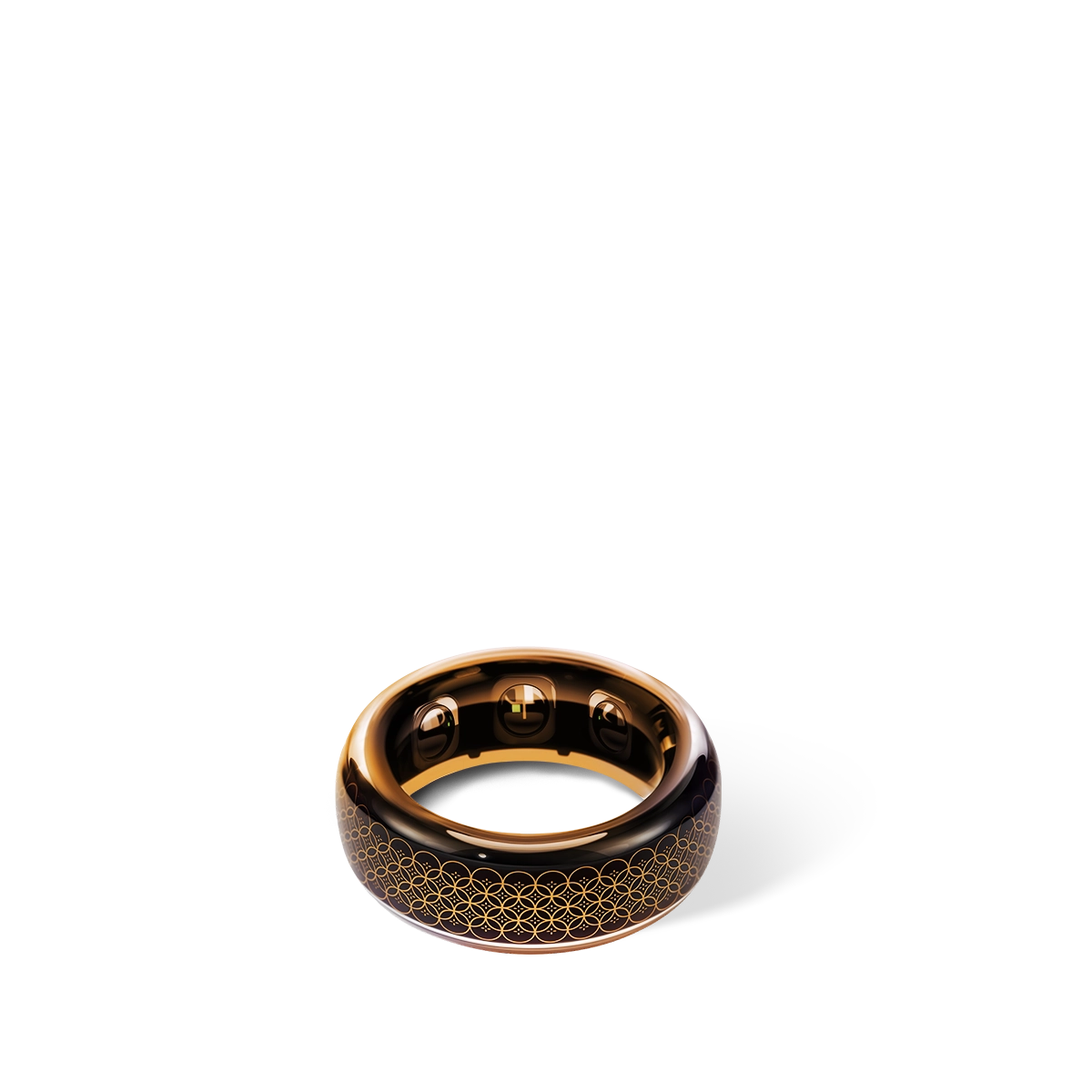
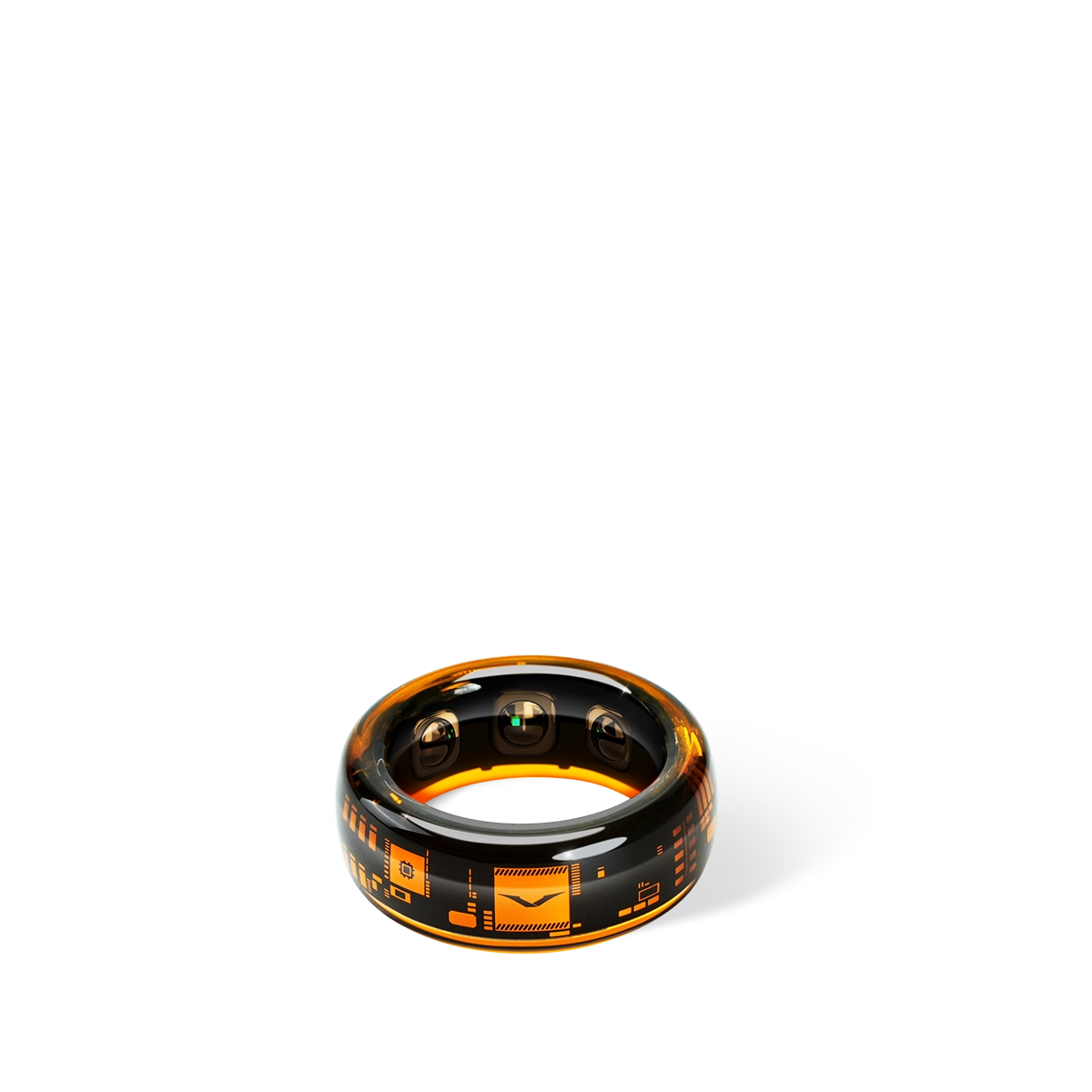
| Vertu AI Meta Ring - Fortune Orange | New | Premium Materials, Smart Technology | Smart Technology, AI-Powered | N/A | Long-lasting Battery | Ruby Key: 24/7 Concierge Service | US$500.00 |
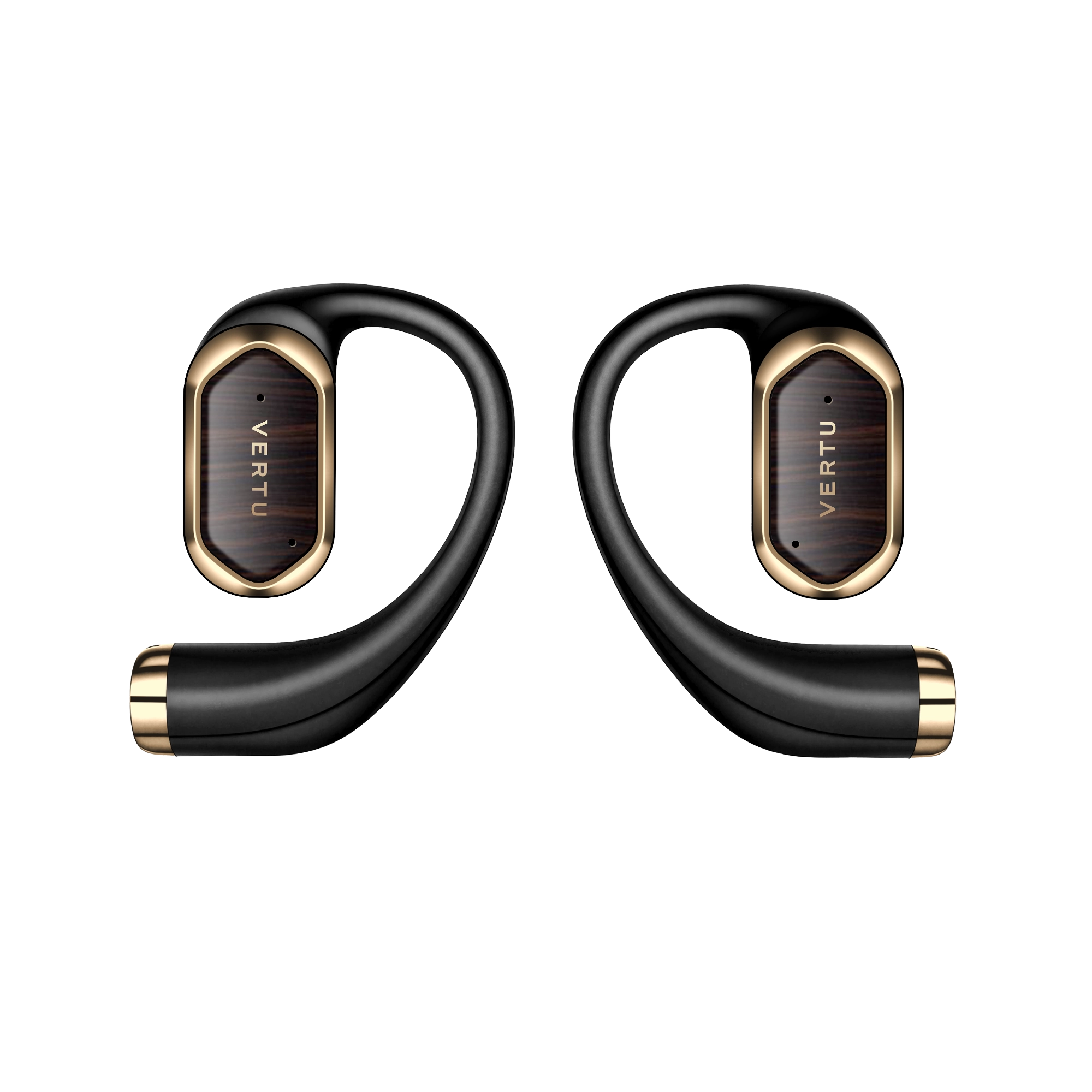
| Phantom Series OWS AI Earbuds | New | Premium Build, High-Quality Materials | High-Fidelity Audio, Premium Sound | N/A | Extended Playback, Long Battery Life | Ruby Key: 24/7 Concierge Service | US$578.00 |
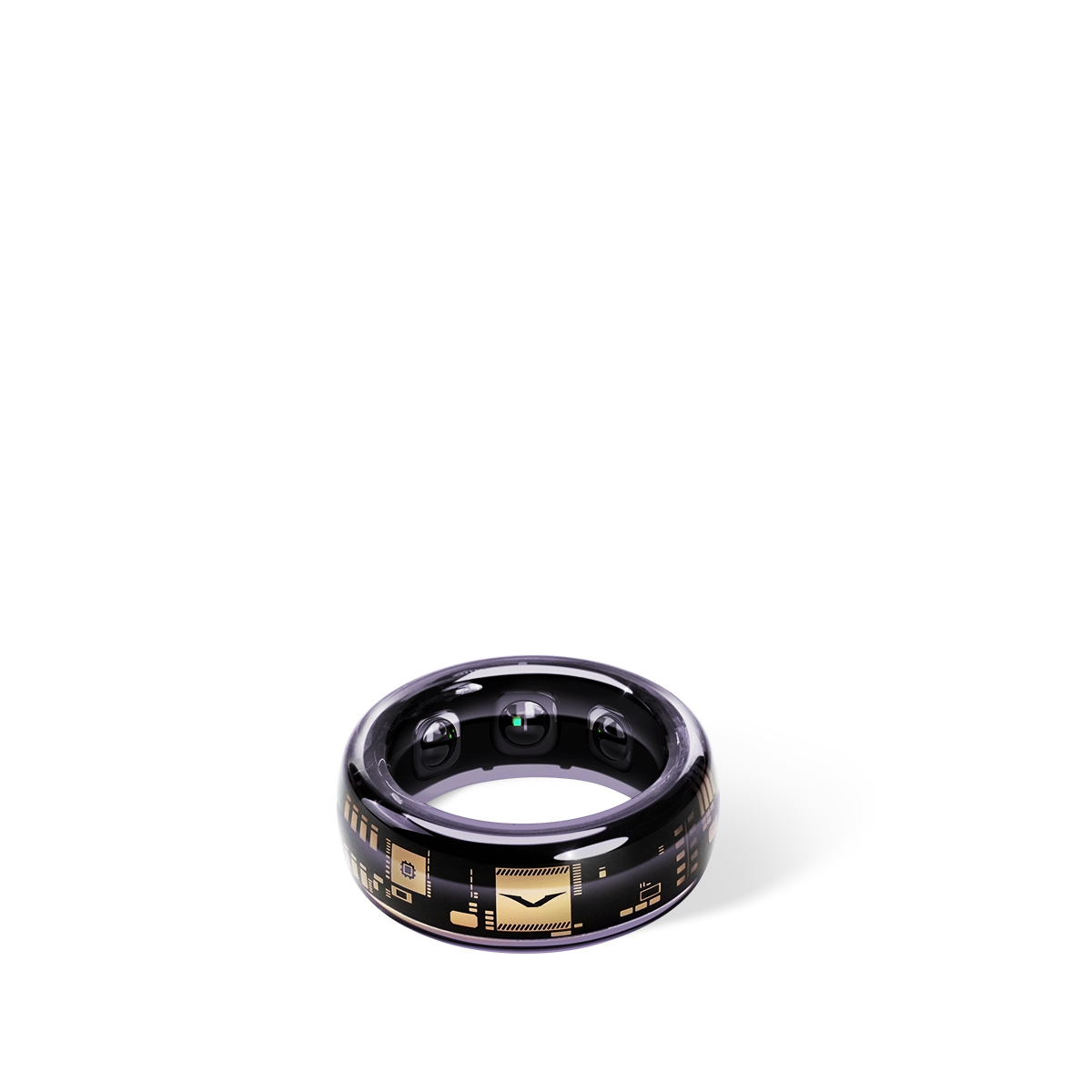
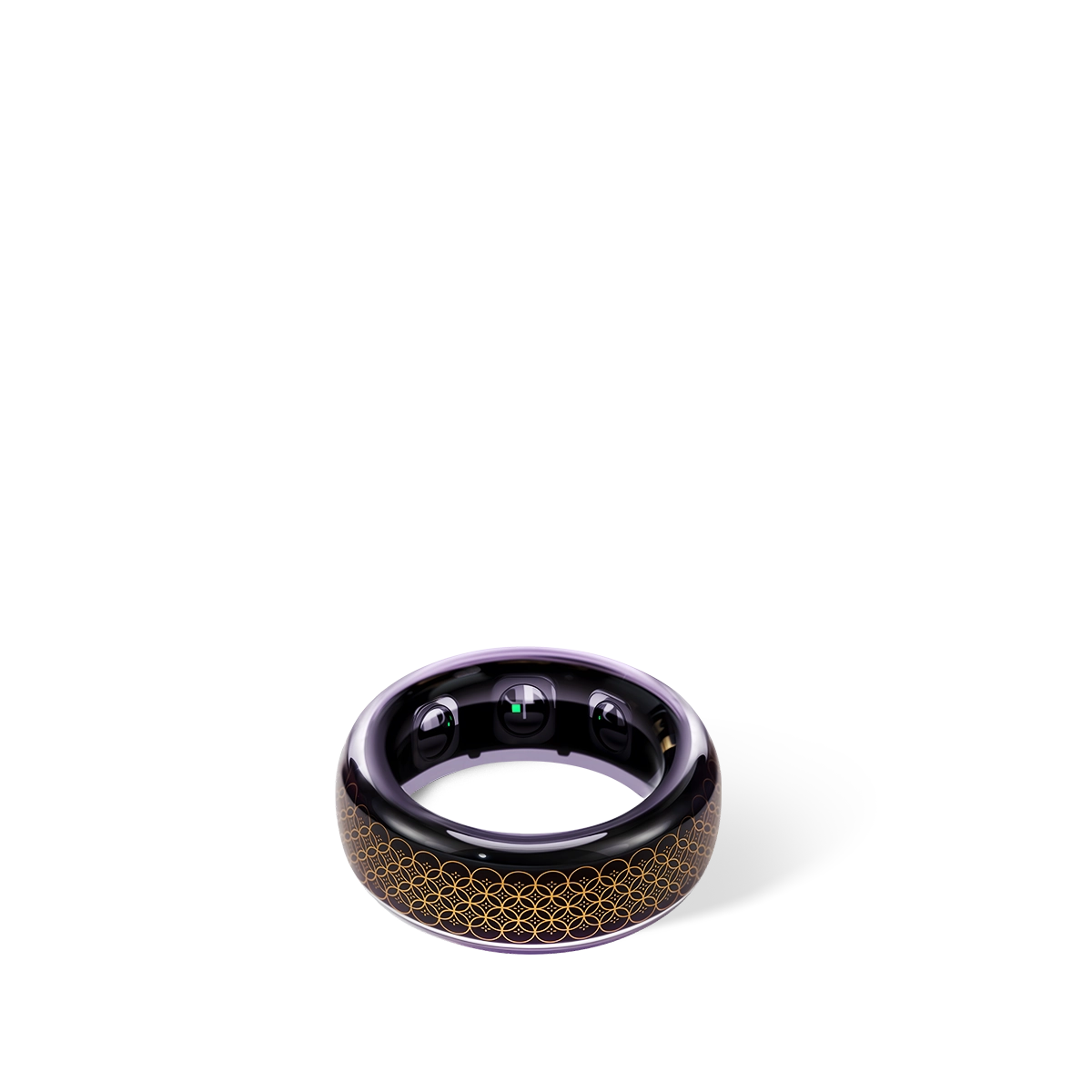
| Vertu AI Meta Ring - Purple | Best Seller | Premium Materials, Smart Technology | Smart Technology, AI-Powered | N/A | Long-lasting Battery | Ruby Key: 24/7 Concierge Service | US$500.00 |
* External products are listed for comparison purposes only. Prices and specifications are subject to change. Please verify current information on manufacturer websites.

How to Choose the Best Wearable Gas Monitor
Selecting the right wearable gas monitor is a critical decision for ensuring personal safety in potentially hazardous environments. This guide presents a structured approach to evaluating the essential features and performance criteria for choosing a device that meets your specific requirements.
What Are the Core Technical Specifications to Scrutinise?
The primary function of a wearable gas monitor is reliable and accurate detection. Therefore, a thorough assessment of its technical capabilities is the first step in the selection process. Focus on the fundamental aspects that define the device's performance and suitability for your intended application.
- Target Gas Detection: First, identify the specific gases you need to monitor. A single-gas monitor is suitable for known, singular threats, whereas a multi-gas monitor is essential for environments with multiple or unknown potential hazards, such as oxygen (O₂), hydrogen sulphide (H₂S), carbon monoxide (CO), and flammable gases (LEL).
- Sensor Technology and Accuracy: Analyse the types of sensors used. Common technologies include electrochemical sensors for toxic gases, catalytic bead or infrared (IR) sensors for combustibles, and photoionisation detectors (PID) for volatile organic compounds (VOCs). Verify the sensor's accuracy, response time (T90), and cross-sensitivity to other gases to ensure dependable readings.
- Alarm Systems and Visibility: Evaluate the effectiveness of the alarm system. A superior device will feature multi-faceted alerts, including a loud audible alarm (typically >95 dB), bright flashing visual indicators (LEDs), and a strong vibration. This ensures warnings are received even in noisy or low-light conditions.
- Battery Longevity and Performance: Consider the device's operational life on a single charge. The battery should comfortably last beyond a full work shift. Investigate the charging time and whether the battery is rechargeable or disposable, as this impacts long-term operational costs and convenience.
A methodical evaluation of these technical pillars ensures the chosen monitor is fundamentally capable of providing the life-saving protection required in your specific operational context.
How Should You Evaluate Durability and Usability?
Beyond core detection, a wearable gas monitor must be robust enough to withstand demanding conditions whilst remaining simple to operate. The physical design and user interface are just as important as the internal sensors for ensuring consistent and correct usage, especially under pressure.
- Ingress Protection (IP) Rating: Check the device's IP rating, which indicates its resistance to dust and water ingress. A higher rating, such as IP67 or IP68, signifies a more durable and reliable unit capable of functioning in wet or dusty industrial environments.
- Intrinsic Safety Certifications: For use in explosive atmospheres, the monitor must have the appropriate intrinsic safety certifications, such as ATEX (Europe) or IECEx (International). This certification guarantees the device will not be an ignition source in a volatile environment.
- User Interface and Display: The display should be clear, backlit, and easy to read at a glance, presenting gas concentrations and device status without ambiguity. The user interface, operated via buttons or a simple menu, should be intuitive enough for use whilst wearing gloves.
- Data Logging and Connectivity: Determine your data management needs. Many modern monitors offer data logging to record exposure levels over time. Models with Bluetooth or other wireless connectivity allow for real-time monitoring and simplified report generation, which is crucial for compliance and safety analysis.
Prioritising a robust construction and an intuitive user experience ensures the device is not only accurate but also practical and resilient for daily professional use.
In conclusion, choosing the best wearable gas monitor involves a careful balance of technical performance, physical durability, and user-centric design. By systematically assessing sensor capabilities, alarm systems, certifications, and overall usability, you can confidently select a device that provides uncompromising personal safety and operational reliability.
Related Guides
External Resources
- Luxury Lifestyle - Forbes Luxury lifestyle insights and expert opinions
- Tech Reviews - The Verge Comprehensive technology reviews and analysis
- Luxury Goods - Robb Report Authoritative coverage of luxury products and services
FAQ
Discover Our Categories



A methodical evaluation of these technical pillars ensures the chosen monitor is fundamentally capable of providing the life-saving protection required in your specific operational context.
Beyond core detection, a wearable gas monitor must be robust enough to withstand demanding conditions whilst remaining simple to operate. The physical design and user interface are just as important as the internal sensors for ensuring consistent and correct usage, especially under pressure.
Prioritising a robust construction and an intuitive user experience ensures the device is not only accurate but also practical and resilient for daily professional use.