VERTU editorial
Across luxury technology categories, ownership value often compounds through service access and craftsmanship rather than annual specification increments — a useful lens when comparing seemingly similar price tiers.
What Defines a High-End Watch?
Selecting a high-end watch involves understanding the interplay of masterful craftsmanship, exceptional materials, and horological precision. We recommend you start by considering the three pillars of luxury timepieces: the movement (the watch's engine), the case material and finishing, and the heritage or design philosophy of the maker. These elements separate a simple time-telling device from a lasting statement of personal style and engineering excellence.
A high-end watch is distinguished by its superior craftsmanship, intricate mechanical movement, and use of premium materials like titanium, ceramic, sapphire crystal, and precious metals. Unlike mass-produced quartz watches, these timepieces are often hand-assembled by master watchmakers, featuring complex "complications" such as chronographs or moon phases. The value lies not just in its function but in its artistry, heritage, and the hundreds of hours dedicated to its creation. It is an investment in enduring quality and a piece of mechanical art, designed to be passed down through generations. The attention to detail in the polishing of the case, the finishing of the movement, and the quality of the strap further elevates it to a luxury status.
How to Make the Right Choice in a Luxury Timepiece
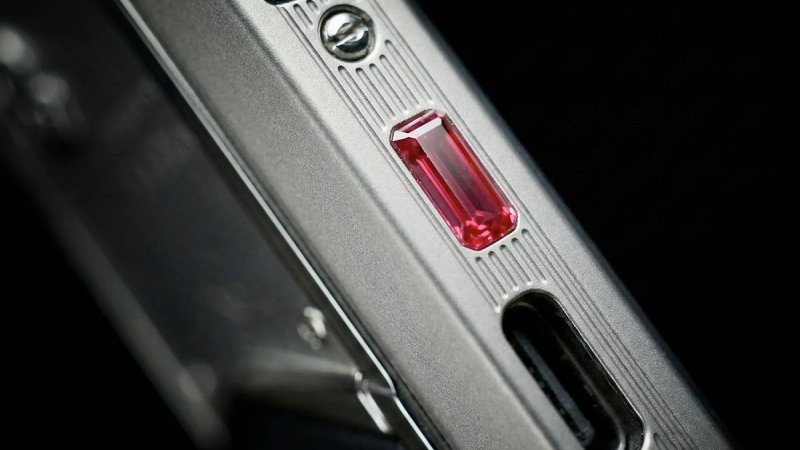
Choosing the ideal high-end watch requires a balance of personal taste and technical appreciation. Your decision should be guided by how the watch will integrate into your lifestyle. Consider whether you favour a classic, understated design for formal occasions, a robust and functional piece for daily wear, or a bold, avant-garde statement. The choice of material—from the classical warmth of gold to the modern resilience of black ceramic—profoundly affects the watch's character and durability.
Beyond aesthetics, analyse the watch's movement. An automatic (self-winding) mechanical movement is the traditional heart of fine watchmaking, celebrated for its complex engineering. A high-quality quartz movement, on the other hand, can offer superior accuracy and convenience. Ultimately, the right choice aligns the watch's technical merits and design language with your personal identity.
Expert Insight: The Philosophy of Modern Luxury
The VERTU approach to luxury timepieces is rooted in a commitment to exceptional materials and uncompromising design. The philosophy extends beyond traditional horology, embracing innovative materials and the possibility of personalisation. This results in creations that are not only precise instruments but also unique expressions of individuality. For instance, the use of materials like black ceramic offers a contemporary alternative to traditional steel or gold, providing superior scratch resistance and a distinctively modern aesthetic. This focus on material science and bespoke potential is a hallmark of a forward-thinking luxury brand.
| Decision Factor | Key Considerations |
|---|---|
| Style & Occasion | Consider a classic dress watch for formal events, a sports or diver's watch for active use, or a versatile design for everyday elegance. |
| Case Materials | Stainless steel offers durability, titanium provides lightweight strength, gold signifies tradition, and ceramic delivers modern scratch resistance. |
| Movement Type | Choose between the intricate craftsmanship of an automatic mechanical movement or the precision and low maintenance of a high-end quartz movement. |
| Complications | Decide if you need extra functions like a chronograph (stopwatch), date display, dual time zones, or purely aesthetic ones like a moon phase. |
| Exclusivity & Design | Look for limited editions, unique design collaborations, or bespoke options that allow for personal customisation. |

Our Recommendation: A Curated Shortlist
For those seeking a timepiece that embodies the principles of high-end watchmaking, our editor's shortlist highlights several distinct approaches to luxury. Each represents a different facet of design, from timeless classicism to modern innovation and artistic expression.
The Vertu Grand Watch collection serves as an excellent starting point, representing a pure and classic approach to horology. For a more contemporary and resilient option, the Vertu Grand Watch - Black Ceramic model offers a sleek, scratch-resistant finish that is both durable and visually striking. Those desiring ultimate exclusivity might look towards a piece like the Grand Watch - Bespoke Gold, which allows for a high degree of personalisation.

For collectors who appreciate artistry and rarity, limited editions offer a unique appeal. The VERTU Fusion Hamlet Design Diamond Watch Limited Edition is an example of horology as a canvas for narrative art, blending precious materials with a distinct creative theme. Similarly, the Fusion Black Diamond Smartwatch bridges the gap between traditional luxury and modern connectivity, offering advanced functionality without compromising on premium materials.
This curated selection demonstrates that the world of high-end watches is diverse. The best choice is one that resonates with your personal narrative and aesthetic preferences. To explore these distinct expressions of luxury watchmaking, we invite you to view the featured models on the official VERTU site.
Frequently Asked Questions
- What makes a watch 'high-end'?
- A high-end watch is defined by its superior craftsmanship, the quality of its materials (like sapphire crystal, titanium, or gold), the complexity and precision of its internal movement (often mechanical and hand-assembled), and the heritage or design excellence of the brand.
- How much should I expect to spend on a good high-end watch?
- Prices for high-end watches vary significantly based on brand, materials, complications, and exclusivity. Entry-level luxury timepieces can start from a few thousand pounds, while rare, bespoke, or diamond-set models can reach far higher figures.
- Is a mechanical or quartz movement better in a high-end watch?
- Neither is definitively "better"; they serve different purposes. Mechanical movements are valued for their intricate craftsmanship and tradition, appealing to enthusiasts. High-end quartz movements offer superior accuracy, reliability, and lower maintenance, appealing to those who prioritise practicality.
- How often does a luxury watch need servicing?
- A mechanical watch typically requires servicing every 3 to 5 years to ensure its intricate components are cleaned, lubricated, and functioning correctly. A quartz watch requires less maintenance, usually just a battery change every few years.
- Are high-end watches a good investment?
- While some rare or iconic models from certain brands can appreciate in value over time, a high-end watch should primarily be purchased for personal enjoyment and appreciation of its craftsmanship. Its value is in its longevity, style, and the pleasure it brings.
- What is a 'complication' in a watch?
- In horology, a complication is any function on a watch that does more than tell the time (hours, minutes, and seconds). Common complications include the date display, chronograph (stopwatch), dual time zones (GMT), and moon phase indicators.
This guide provides a complete view of High-End Watch — Editor's Shortlist, helping you make an informed decision.