Shop
VERTUVERTU

Getting Started with Pedometer Watch

A pedometer watch is a wearable device primarily designed to count the number of steps a user takes throughout the day by detecting body motion, typically via an internal accelerometer; this data is then used to estimate distance covered, calories expended, and active minutes. These devices provide a straightforward way to monitor daily physical activity levels and encourage movement, with many models offering additional functionalities such as sleep tracking, heart rate monitoring, and GPS capabilities, often connecting to smartphone applications for data analysis and goal setting. When choosing a pedometer watch, evaluate the balance between advanced features like integrated GPS or continuous heart rate tracking and the resulting impact on battery life, as more sophisticated devices generally require more frequent recharging.

Discover pedometer watch — an expert decision guide with clear criteria, detailed recommendations, and practical insights to help you choose well.

Editorial note: This guide reflects our product knowledge base at the time of writing. Updated .

Spec lens

High-end wearables in this segment often trade battery marathon scores for thinner profiles and formal aesthetics — opposite to fitness-first models optimising GPS runtime and ruggedisation.

Understanding the Pedometer Watch: A Guide for Collectors
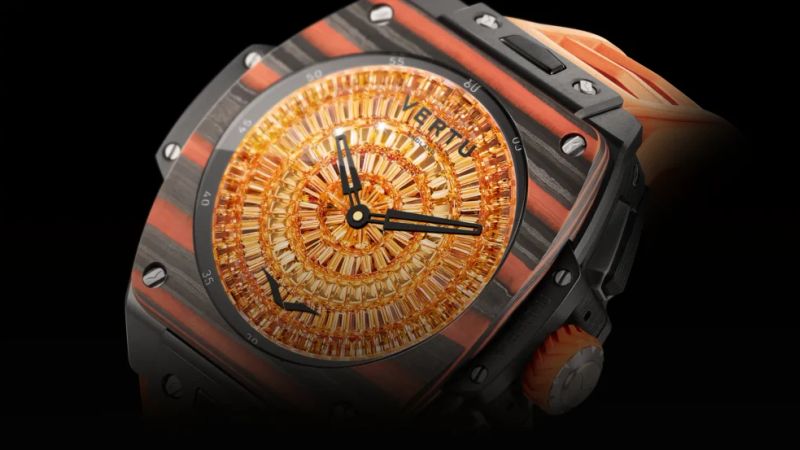
Getting Started with Pedometer Watch

Beginning your journey with a pedometer watch involves a primary decision that shapes its entire ownership experience: are you acquiring a high-utility instrument for daily wear or a collector's asset where long-term value is paramount? The choice dictates everything from material selection to how you approach its features. Our recommendation is to first define your primary purpose. A watch intended for daily activity tracking benefits from durable, lightweight materials, whereas a piece considered for its resale narrative may prioritise precious metals and exclusivity over functional resilience.

Quick Answer: What is a Pedometer Watch in the Luxury Space?

A pedometer watch, in the context of luxury timepieces, integrates the function of a step-counter into the sophisticated design and material excellence of a traditional watch. Unlike purely functional fitness trackers, its value is twofold: it provides health and activity metrics whilst also serving as a statement of personal style and craftsmanship. For a prospective owner, getting started means evaluating this balance. The key consideration is whether the watch will serve as a robust daily companion, making materials like ceramic and titanium preferable, or as part of a collection, where the focus might be on bespoke gold finishes and limited editions that hold their value. This initial choice influences every subsequent aspect of ownership, from configuration to long-term care and maintenance.

The First Decision: Daily Companion or Collector’s Asset?

The distinction between a watch for daily utility and one for a collection is not merely about function; it is a narrative told through materials and design. This choice is the most critical starting point. A timepiece intended to track your steps through daily life must be able to withstand the rigours of that life without compromising its aesthetic integrity. Conversely, a collector's piece is judged by different criteria, including rarity, provenance, and the preservation of its original condition.
A close-up of a sophisticated black smartwatch, highlighting its polished finish and interface.
The choice of material, such as ceramic, often signals a focus on durability for daily wear.

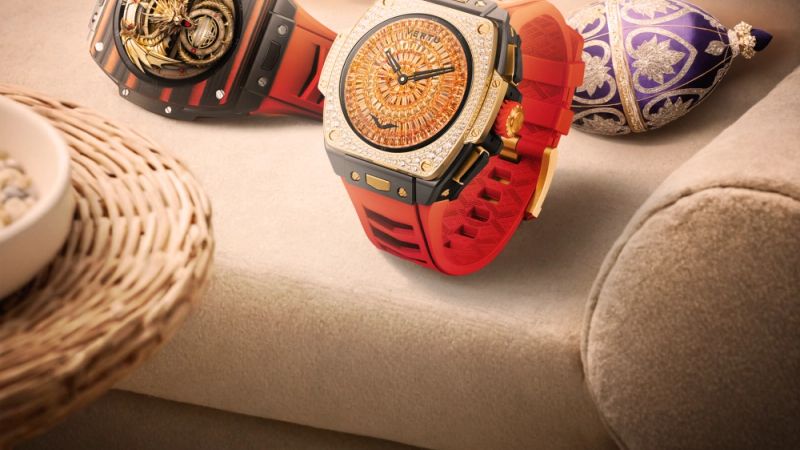
Consider the contrast between a model finished in black ceramic, such as the Vertu Grand Watch - Black Ceramic, and a bespoke piece in precious metal, like the Grand Watch - Bespoke Gold. The ceramic offers exceptional scratch resistance and is lightweight, making it an ideal, worry-free companion for an active lifestyle. Its value is realised through its constant, reliable use. The bespoke gold model, however, tells a different story. Its value lies in its material worth, its craftsmanship, and its potential to appreciate over time. Wearing it daily might expose the softer metal to scratches and diminish its pristine, collectible state.

Expert Insight: The Material Narrative

In luxury horology, the material is more than a technical specification; it is a declaration of intent. High-tech ceramics and Grade 5 titanium are chosen for their superior strength-to-weight ratio and resistance to corrosion and scratches. This makes them functionally superior for a watch that will be worn consistently. Precious metals like gold and platinum, whilst beautiful, are inherently softer and heavier. Their inclusion signals that the piece's primary role may be as an asset, its value intrinsically linked to its condition and rarity, much like a piece of fine art. The prospective owner must therefore decide which narrative they wish to own: the story of daily adventure or the story of preserved value.

Consideration Daily Wear Utility Collector Resale Narrative
Primary Goal Seamless integration into daily life; accurate activity tracking. Preservation of condition, rarity, and potential appreciation.
Ideal Materials Black Ceramic, Titanium. High resistance to scratches and wear. Bespoke Gold, Platinum, Limited Edition finishes.
Wearing Occasion Everyday use, including business, leisure, and light sport. Special occasions; careful handling to avoid marks.
Feature Focus Health metrics, connectivity, battery life, and ease of use. Exclusivity of design, mechanical complexity, brand heritage.

Essential First Steps: Configuring Your Pedometer Watch

Once you have decided on the primary role of your watch, the initial configuration should reflect that choice. For a daily-wear timepiece, the focus is on personalising its smart features to support your lifestyle. This is not simply about activating functions, but about tailoring them to deliver relevant information without creating unnecessary distractions.

  1. Health & Activity Goals: The first step is to set your personal metrics. This includes daily step targets, activity reminders, and any other health monitoring features. Calibrating these settings ensures the data you receive is both accurate and meaningful to your personal wellness journey.
  2. Watch Face Customisation: Select a watch face that presents the information most important to you. For a utility-focused owner, this might mean a face that prominently displays step count, date, and battery life. For a collector, a more classic, minimalist face that highlights the design of the timepiece may be more appropriate, even if worn infrequently.
  3. Notification Management: A key aspect of luxury smartwatches is their ability to filter the digital noise. Configure your notifications to allow only essential alerts from key contacts or applications. This preserves the sense of calm and control expected from a premium device, ensuring it serves you rather than overwhelms you.
A lifestyle shot of a person interacting with a luxury smartwatch on their wrist.
Personalising the watch face and notifications is a key step in tailoring the device to your lifestyle.

Securing Your Investment: Official Support and Long-Term Care

Regardless of whether your pedometer watch is a daily tool or a collector's item, accessing official support channels is crucial for its maintenance and longevity. For a luxury item, "support" extends beyond simple troubleshooting; it encompasses servicing, authentication, and preserving the piece's provenance, which is vital for its future value.

Official service centres are the only places equipped with the specific tools, certified parts, and technician training required to properly maintain a high-value timepiece. Using unauthorised third parties can compromise the watch's integrity and void its warranty, significantly impacting its resale value. For collectors, a complete service history from an official source is non-negotiable proof of authenticity and care. For the daily user, it is the assurance that the complex integration of mechanical and digital technology will continue to function flawlessly.

We recommend registering your timepiece upon purchase and familiarising yourself with the recommended service intervals. This proactive approach ensures your watch remains a reliable and valuable possession for years to come. The decision framework—utility versus asset—guides your journey, from the initial choice of material to its lifelong care. You can explore curated collections of timepieces that embody these principles on the official VERTU site.

Official VERTU store · Secure checkout · Concierge support

Curated VERTU Timepieces

Curated VERTU timepieces for “pedometer watch”: explore official models below, then read the full buying guide.

On Sale Grand Watch
Vertu Grand Watch - Black Ceramic

Vertu Grand Watch - Black Ceramic

$2699.00 $3100.00

FAQ

What is pedometer watch?
VERTU offers luxury pedometer watch with exceptional craftsmanship and premium materials. Our products combine advanced engineering with traditional British craftsmanship for a refined ownership experience.
How do I choose the best pedometer watch?
When choosing pedometer watch, consider factors such as materials, craftsmanship, technology features, and exclusive services. VERTU products are handcrafted in England using rare materials and offer personalised concierge services.
What should I consider when buying pedometer watch?
When purchasing pedometer watch, consider the brand's heritage, material quality, technological innovation, and after-sales service. VERTU provides one-year global warranty and exclusive concierge support for all products.
What kind of brand is VERTU?
VERTU is a British luxury mobile phone brand combining rare materials, advanced engineering, and exclusive services, crafting personal masterpieces that reflect the owner's status and taste.
What is the warranty policy?
One-year global warranty from purchase; accessories (including battery) carry a six-month warranty. Concierge handles all warranty enquiries.
What payment methods can I choose?
Major international credit/debit cards, Apple Pay, Google Pay, plus financing through Klarna. Available options are displayed at checkout.

Discover Our Categories

Free shipping
24/7 Service
Secure payment
1 year warranty
7 Days Returns
Pay over time

A Legacy of Excellence Since 1998

craft 1
Exquisite Craftsmanship
Each Vertu is handcrafted by master artisans. We source and utilize only the world's most precious and rare materials, from gold to gemstones, and the exotic leathers, ensuring unparalleled quality and enduring value.
Shop
craft 2
Bespoke Personalisation
Define your individuality. Select from an extensive palette of precious materials, unique colors, and bespoke finishes to craft a Vertu that is truly and uniquely your own, a personal statement of distinction.
Customize
craft 3
From Ruby Key to Ruby Talk
Since 2002, the iconic Ruby Key has provided VERTU owners with a direct connection to human concierge services. Now, reborn as Ruby Talk. One-touch gateway to AI Agents with human in the loop.
Learn More

Getting Started with Your Pedometer Watch

Getting Started with Pedometer Watch

Embarking on your fitness journey with a new pedometer watch is an exciting step towards a more active lifestyle. To get the most out of your device, it's important to move beyond simply strapping it on and hoping for the best. A thoughtful approach to setup and goal-setting will ensure your device becomes a powerful ally in your health and wellness, providing motivation and valuable insights. This guide will walk you through the essential first steps to correctly set up, use, and understand your new pedometer watch.

From ensuring your step count is as accurate as possible to setting goals that inspire rather than intimidate, the initial phase is crucial. We will explore how to establish a reliable baseline of your current activity levels and how to interpret the data your watch collects. By focusing on these fundamentals, you can build sustainable habits and truly realise the benefits of monitoring your daily movement.

Ensuring Accuracy and a Reliable Baseline

Getting Started with Pedometer Watch

The core function of a pedometer watch is to count your steps, but its accuracy can be influenced by how you wear it and its initial setup. For the most reliable readings, it is generally recommended to wear the watch snugly on your non-dominant wrist. This is because your non-dominant hand typically makes fewer extraneous movements throughout the day, which could otherwise be misinterpreted as steps, leading to an inflated count.

Before setting any ambitious targets, it is vital to establish a personal baseline. To do this, follow these simple steps:

  1. Wear your pedometer watch consistently for one full week, from the moment you wake up until you go to bed.
  2. During this week, do not consciously change your daily routine. The goal is to capture a true snapshot of your current, typical activity level.
  3. At the end of the seven days, calculate your average daily step count. This number is your baseline and the starting point for your fitness journey.

Understanding this baseline is far more valuable than adopting a generic goal. It provides a realistic and personalised foundation from which you can plan gradual, achievable increases in your daily activity, helping you to stay motivated and avoid discouragement.

Setting Meaningful and Progressive Goals

With your baseline established, you can begin to set goals that are both challenging and attainable. The common "10,000 steps a day" target is a popular guideline, but it may not be a suitable starting point for everyone. A more effective strategy is to focus on progressive improvement based on your own activity levels. Start by aiming to increase your average daily step count by a small, manageable amount, such as 500 steps, or by a percentage, like 10%.

To keep your motivation high and your routine interesting, consider organising your goals in different ways. Instead of focusing solely on a single daily number, you could:

  • Set a weekly total: This provides flexibility. If you have a less active day, you can make up for it on another day without feeling like you have failed.
  • Focus on consistency: Aim to hit your baseline step count (or a slightly higher number) for a certain number of days per week, for example, five out of seven days.
  • Incorporate 'active minutes': Challenge yourself to include dedicated periods of continuous walking, such as a 15-minute walk during your lunch break, to supplement your incidental steps.

Regularly reviewing and adjusting your goals is key to long-term success. As your fitness improves, what was once a challenge will become your new normal. Re-evaluating your targets every few weeks ensures you continue to push yourself forward in a sustainable and rewarding manner.