Expert Guide to Selecting Luxury Brand Watches
Navigating the world of luxury brand watches requires an appreciation for more than just timekeeping; it is an exploration of heritage, artistry, and precision engineering. A fine timepiece is a statement of personal style and a testament to enduring craftsmanship. This guide provides a professional analysis of the defining characteristics of a luxury watch, helping you to make a discerning choice.

What Defines a High-Calibre Luxury Timepiece?
The distinction of a luxury watch is found in a combination of tangible and intangible qualities. From the intricate mechanics powering its hands to the legacy of the brand that created it, every element contributes to its value and desirability. An expert evaluation considers several core pillars that separate a truly exceptional timepiece from a mere fashion accessory.
The Movement: The Heart of the Watch
The movement, or calibre, is the internal mechanism that powers the watch. In the realm of luxury, mechanical movements are held in the highest esteem. These are miniature engines, often comprising hundreds of tiny, hand-finished components working in harmony, powered by the energy stored in a wound spring. They can be either manual-wind, requiring the wearer to turn the crown periodically, or automatic (self-winding), powered by the motion of the wearer's wrist. The complexity, precision, and decoration of a mechanical movement are primary indicators of a watch's quality.
Materials and Craftsmanship
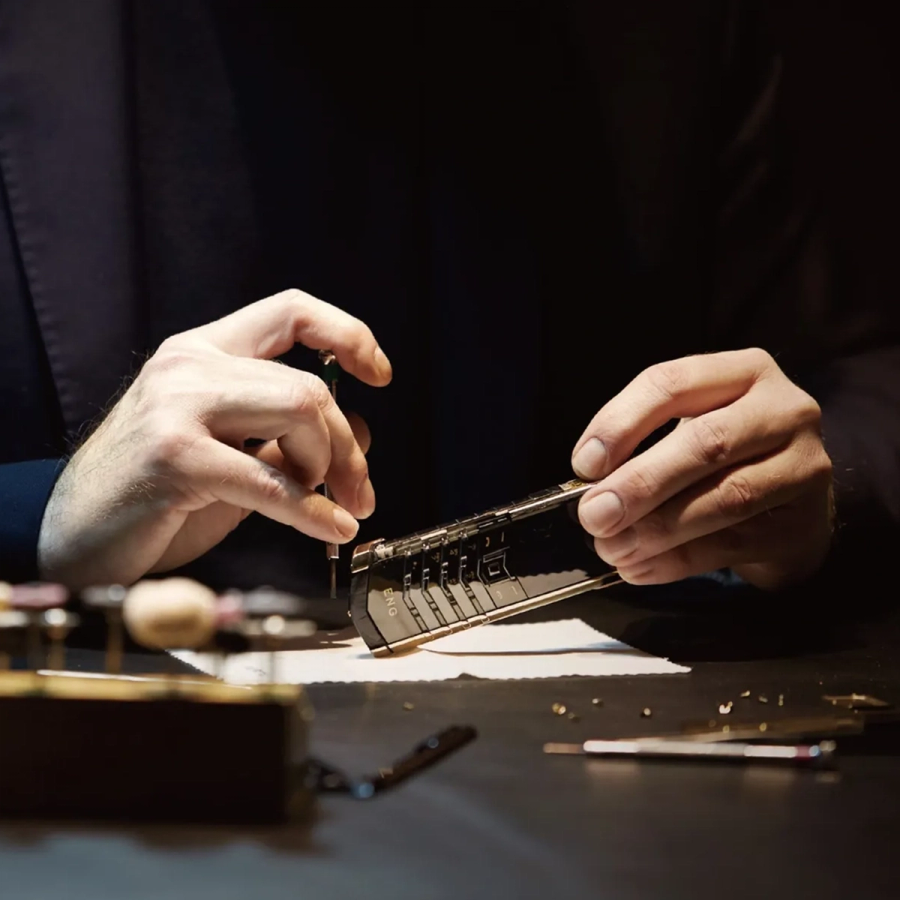
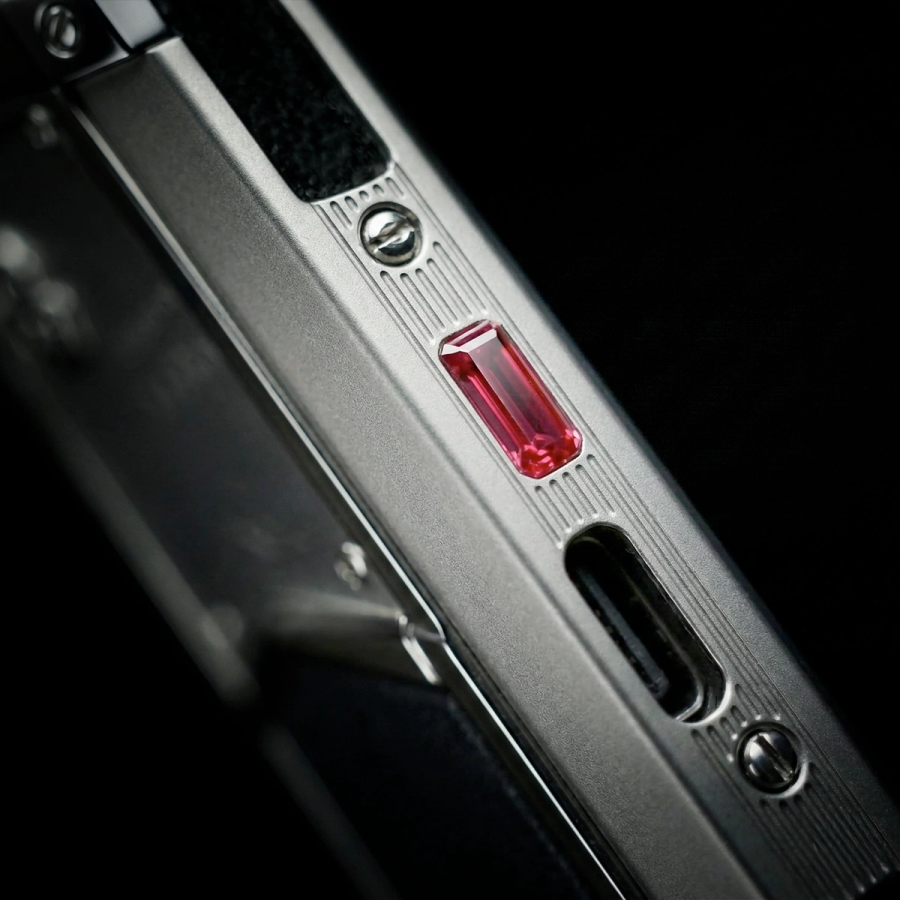
Luxury watchmaking is synonymous with the use of superior materials. Cases are typically crafted from corrosion-resistant 316L or 904L stainless steel, precious metals like gold and platinum, or advanced materials such as titanium and high-tech ceramic. The use of ceramic, as seen in models like the Vertu Grand Watch - Black Ceramic, offers exceptional scratch resistance and a unique, modern aesthetic. The watch 'glass' is almost always sapphire crystal, a synthetic material second only to diamond in hardness, providing outstanding clarity and protection against scratches. Every surface, from the case to the bracelet, is meticulously finished by hand through processes like polishing, brushing, and bevelling.
Design, Heritage, and Exclusivity
A luxury watch is an object of design. It possesses a distinct aesthetic DNA that reflects the brand's history and philosophy. Whether it is a classic dress watch or a robust sports model, the design is timeless and considered. Heritage plays a crucial role; brands with a long history of horological innovation and excellence command respect. Finally, exclusivity, achieved through limited production runs or bespoke services like those offered with the Grand Watch - Bespoke Gold, adds a significant layer of appeal, ensuring the timepiece is a unique expression of its owner.
| Key Consideration | Expert Insight |
|---|---|
| Movement Type | Mechanical movements (automatic or manual) are favoured for their intricate craftsmanship and the skill required to create them. Look for in-house calibres for a higher degree of exclusivity. |
| Case Materials | Consider both aesthetics and lifestyle. Precious metals offer classic luxury, whilst advanced materials like ceramic and titanium provide modern durability and scratch resistance. |
| Crystal | Sapphire crystal is the standard for any high-end watch. An anti-reflective coating is a valuable addition, enhancing legibility in all lighting conditions. |
| Brand Heritage | A brand's history often correlates with its quality and innovation. Research the brand's contributions to watchmaking to understand the legacy you are investing in. |
| Water Resistance | Assessed in metres or atmospheres (ATM), this indicates the watch's suitability for activities involving water. A minimum of 30-50 metres is standard for dress watches, whilst dive watches offer 200 metres or more. |

An In-Depth Analysis of Key Luxury Watch Categories
Understanding the primary categories of luxury timepieces can help refine your selection process, ensuring the watch aligns perfectly with your lifestyle and tastes.
- The Dress Watch: The epitome of elegance and discretion. Characterised by a simple dial, a slim case (often in a precious metal), and a leather strap, the dress watch is designed to slip subtly under a shirt cuff. Its purpose is singular: to tell the time with sophistication.
- The Sports Watch: A broad and popular category encompassing timepieces built for action and durability. This includes dive watches with rotating bezels and high water resistance, chronographs with stopwatch functionality, and pilot's watches designed for maximum legibility. They are typically larger and more robust than dress watches, often featuring steel bracelets and resilient materials.
- The Complicated Watch: This category represents the pinnacle of horological artistry. A 'complication' is any function on a watch that does more than tell the hours, minutes, and seconds. Examples range from a simple date window to highly complex mechanisms like perpetual calendars, tourbillons (which counteract the effects of gravity), and minute repeaters that chime the time on demand.
Choosing a luxury watch is a deeply personal journey. It is an investment in an object of enduring value, mechanical artistry, and timeless style. By considering the movement, materials, design, and heritage, you can select a timepiece that will not only serve you faithfully but also become a cherished heirloom. You are invited to explore the featured collections of fine timepieces on the official VERTU site to find the model that best reflects your standards.