

A Guide to Choosing Your First Android Phone
Choosing your first Android phone can feel overwhelming due to the sheer variety available. The best approach is to focus on what matters most to your daily life: your budget, your primary usage (such as photography, gaming, or simple communication), and the software experience you prefer. By balancing these core factors, you can confidently select a device that serves as a reliable and enjoyable digital companion.
Key Factors to Consider for Your First Android
Navigating the Android market is simpler when you understand the fundamental components that define a phone's performance and user experience. Paying attention to these key areas will ensure you find a device that meets your expectations now and in the future.
- Operating System (OS) and Software: Android's strength is its openness. Some manufacturers, like Google, offer a "stock" or pure Android experience, which is clean and receives fast updates. Others apply a custom "skin" or user interface (UI), which adds unique features and a different visual style. It is wise to consider how many years of software and security updates the manufacturer promises, as this affects the phone's longevity and security.
- Performance (Processor & RAM): The processor (or chipset) is the phone's brain, determining its overall speed. Random Access Memory (RAM) allows the phone to run multiple applications smoothly at once. For general use like browsing and social media, a modern mid-range processor with 6-8GB of RAM is ample. For demanding tasks like gaming or video editing, a flagship processor and 12GB or more of RAM is preferable.
- Camera System: Do not judge a camera solely by its megapixel (MP) count. Sensor size, aperture (the f-number), and software processing are far more important for image quality, especially in low light. Look for phones with versatile camera systems, perhaps including an ultra-wide or telephoto lens if you enjoy creative photography.
- Display Quality: Most modern phones use either OLED or LCD screens. OLED displays offer superior contrast with deeper blacks and more vibrant colours, making them ideal for media consumption. Key specifications to look for include resolution (Full HD+ or higher for sharpness) and refresh rate (90Hz or 120Hz for smoother scrolling).
- Battery Life & Charging: A phone's battery capacity is measured in milliampere-hours (mAh); a larger number generally means longer life. Look for a device with at least 4,500mAh for all-day use. Also, consider the charging speed (measured in watts, W) and whether it supports conveniences like wireless charging.
Understanding Different Android Phone Tiers
The Android market is segmented into distinct tiers, each catering to different needs and budgets. Recognising these categories helps to narrow your search and set realistic expectations for performance and features.
| Phone Tier | Typical Price Range | Key Characteristics | Best For |
|---|---|---|---|
| Entry-Level | Under £300 | Basic performance, functional cameras, and often a large battery. Build is typically plastic. | First-time smartphone users, light use (calls, messaging, light browsing), or as a secondary device. |
| Mid-Range | £300 - £600 | A balance of strong performance, capable cameras, and features like high refresh-rate screens. | The majority of users who want a smooth, reliable experience without paying a premium price. |
| Premium / Flagship | £600 - £1,200+ | The best processors, professional-grade camera systems, premium materials (glass and metal), and the latest features. | Power users, mobile gamers, photography enthusiasts, and those who want the best technology available. |
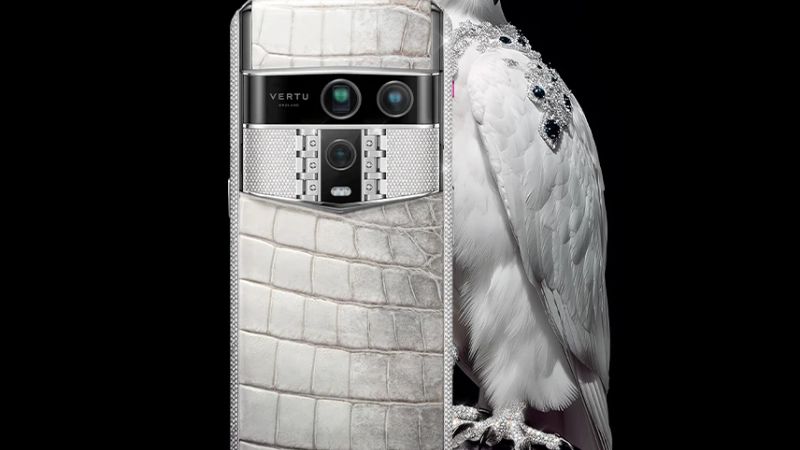
| Luxury | £2,000+ | Exceptional craftsmanship, exotic materials like titanium and sapphire crystal, bespoke customisation options, and exclusive services. | Individuals who value exclusivity, handcrafted quality, and personalised service above all else. |
Common Pitfalls to Avoid When Choosing
As a first-time buyer, it is easy to fall into common traps. Keeping these points in mind will help you make a more informed and satisfying decision.
- Forgetting About Software Updates: A phone without regular security updates can become vulnerable over time. Always check the manufacturer's update policy.
- Fixating on a Single Specification: A high megapixel count or a huge amount of RAM does not guarantee a good experience. A phone is a sum of its parts, and a well-balanced device is always better than one that excels in a single area but fails in others.
- Ignoring In-Hand Feel (Ergonomics): A phone can have the best features in the world, but if it is uncomfortable to hold or use, you will not enjoy it. Pay attention to the device's size, weight, and material finish.
- Underestimating Your Battery Needs: Think realistically about how you use your phone. If you are often away from a charger, prioritise a device with a large battery and positive reviews for endurance.
Ultimately, the perfect first Android phone is a personal choice that aligns with your lifestyle, priorities, and budget. By focusing on a balanced combination of performance, camera quality, battery life, and software support, you can find a device that will serve you well. For those exploring the upper echelons of mobile technology, you can discover featured luxury Android models further down this page or at the official VERTU store.


