



Everything About Phone with Good Gps
Discover phone with good gps - Our comprehensive guide to "Everything About Phone with Good Gps" provides in-depth analysis, expert recommendations, and detailed insights. Explore key features, benefits, and practical considerations to help you make informed decisions. Whether you're seeking premium quality, cutting-edge technology, or exceptional value, this guide covers everything you need to know about phone with good gps.
Comparison at a Glance
Compare key features, materials, and specifications across premium products to help you make an informed decision.
| Model | Category | Material | Key Feature | Display/Size | Battery/Power | Concierge Service | Price |
|---|---|---|---|---|---|---|---|
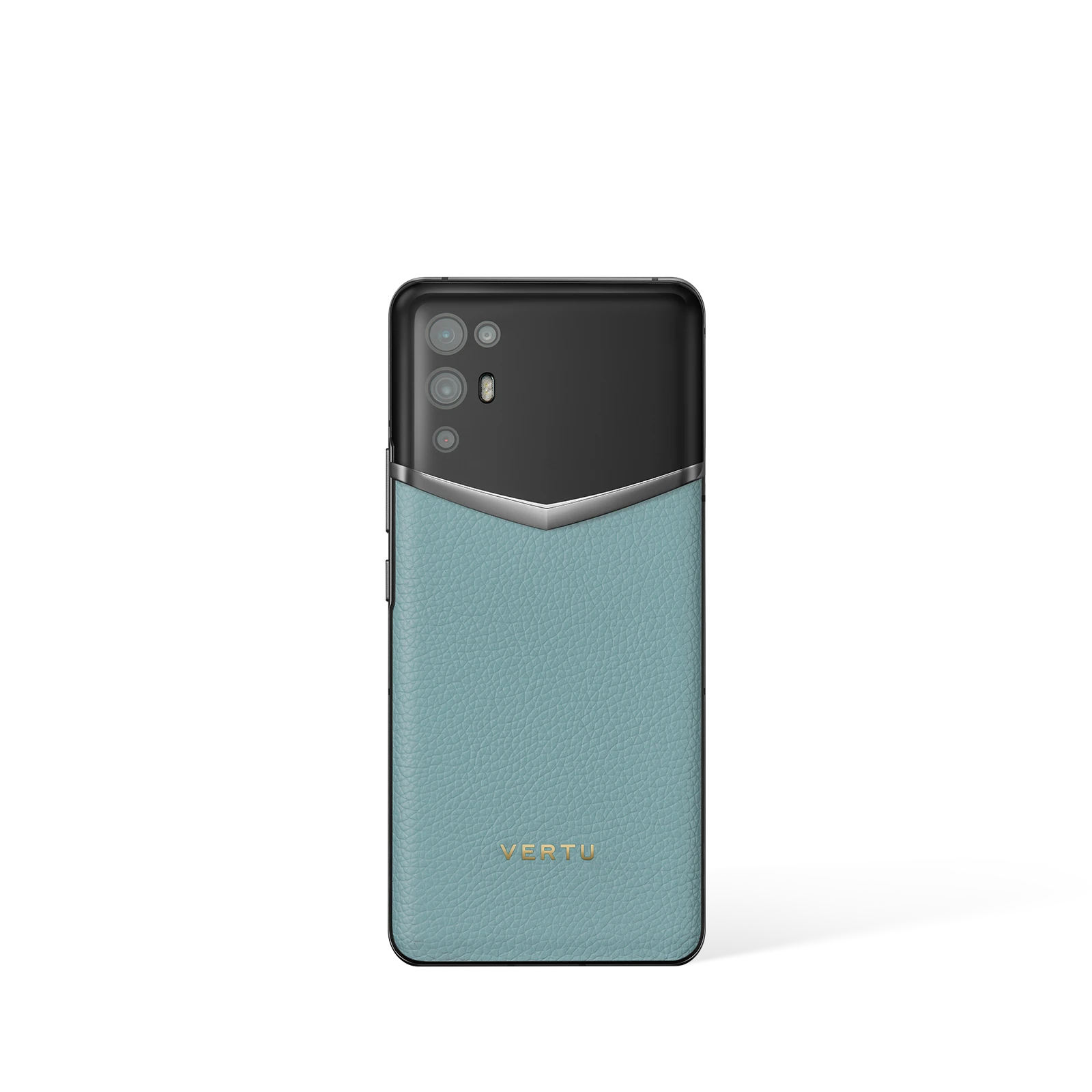
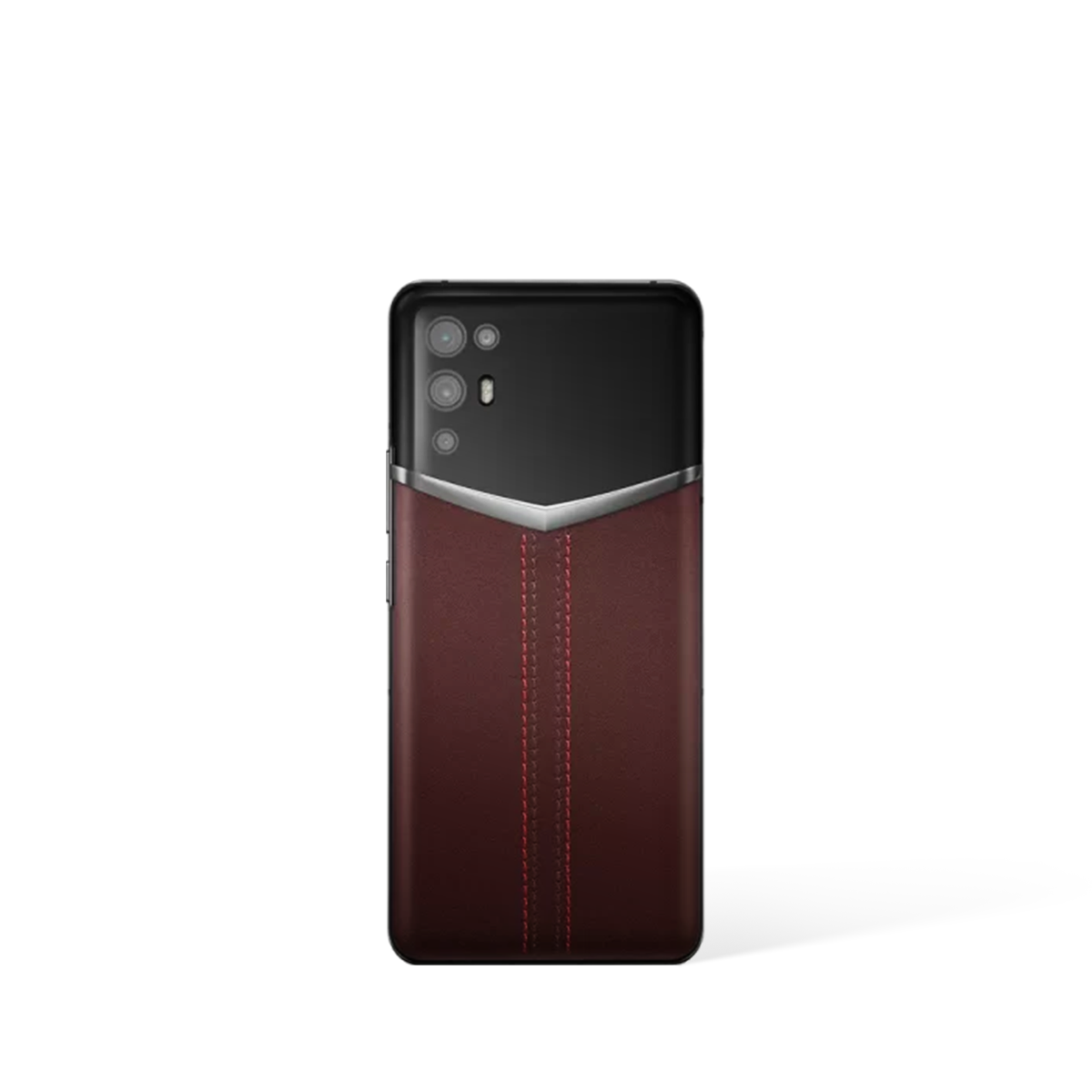
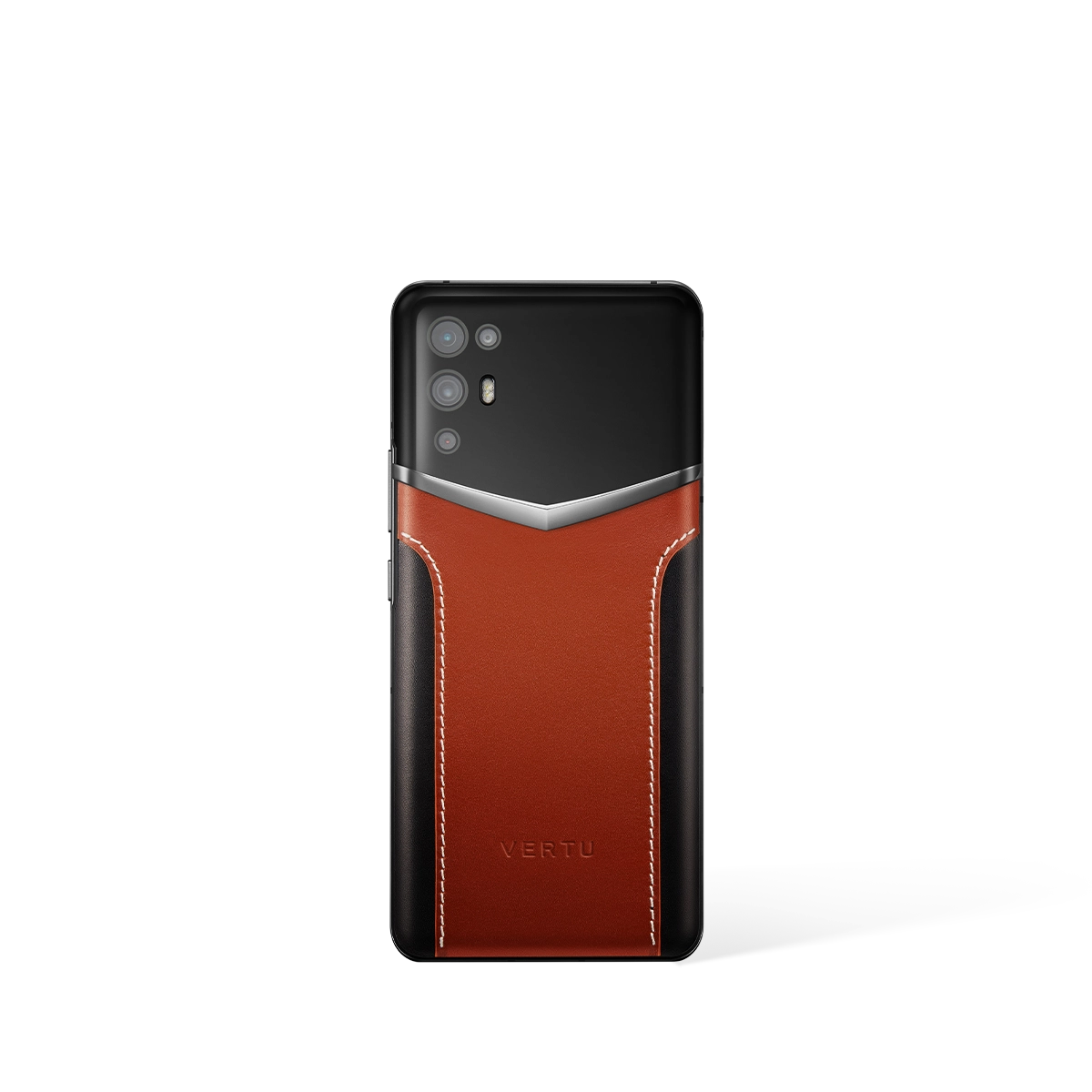
| Ivertu Calfskin 5G Phone – Capri Green | iVertu | Calfskin Leather, Premium Materials | 5G Connectivity, Luxury Design | Premium Display | Long Battery Life, Fast Charging | Ruby Key: 24/7 Concierge Service | US$2,900.00 |
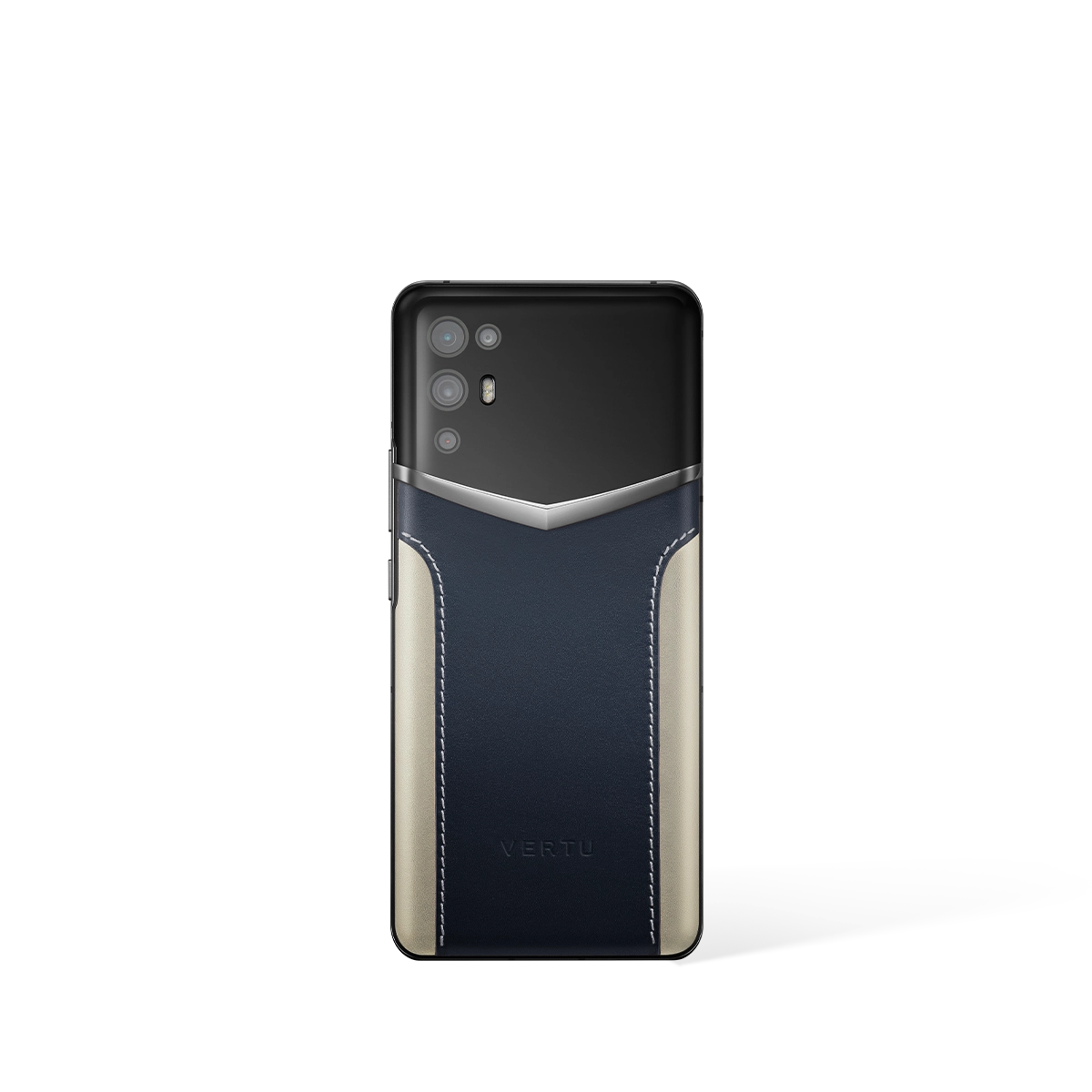
| Ivertu Calfskin Stitching Phone – Blue & Brown | iVertu | Calfskin Leather, Premium Materials | 5G Connectivity, Luxury Design | Premium Display | Long Battery Life, Fast Charging | Ruby Key: 24/7 Concierge Service | US$4,650.00 |
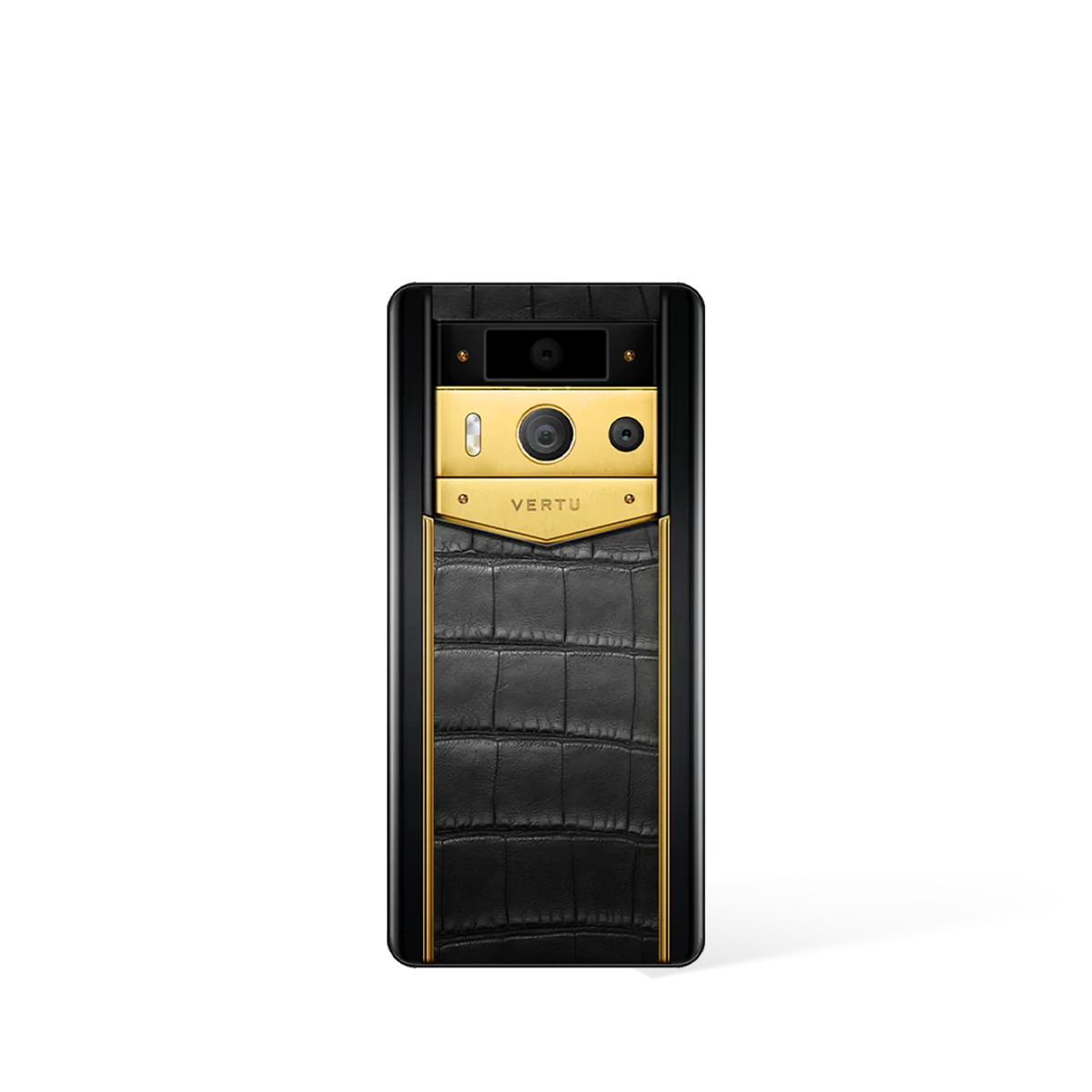
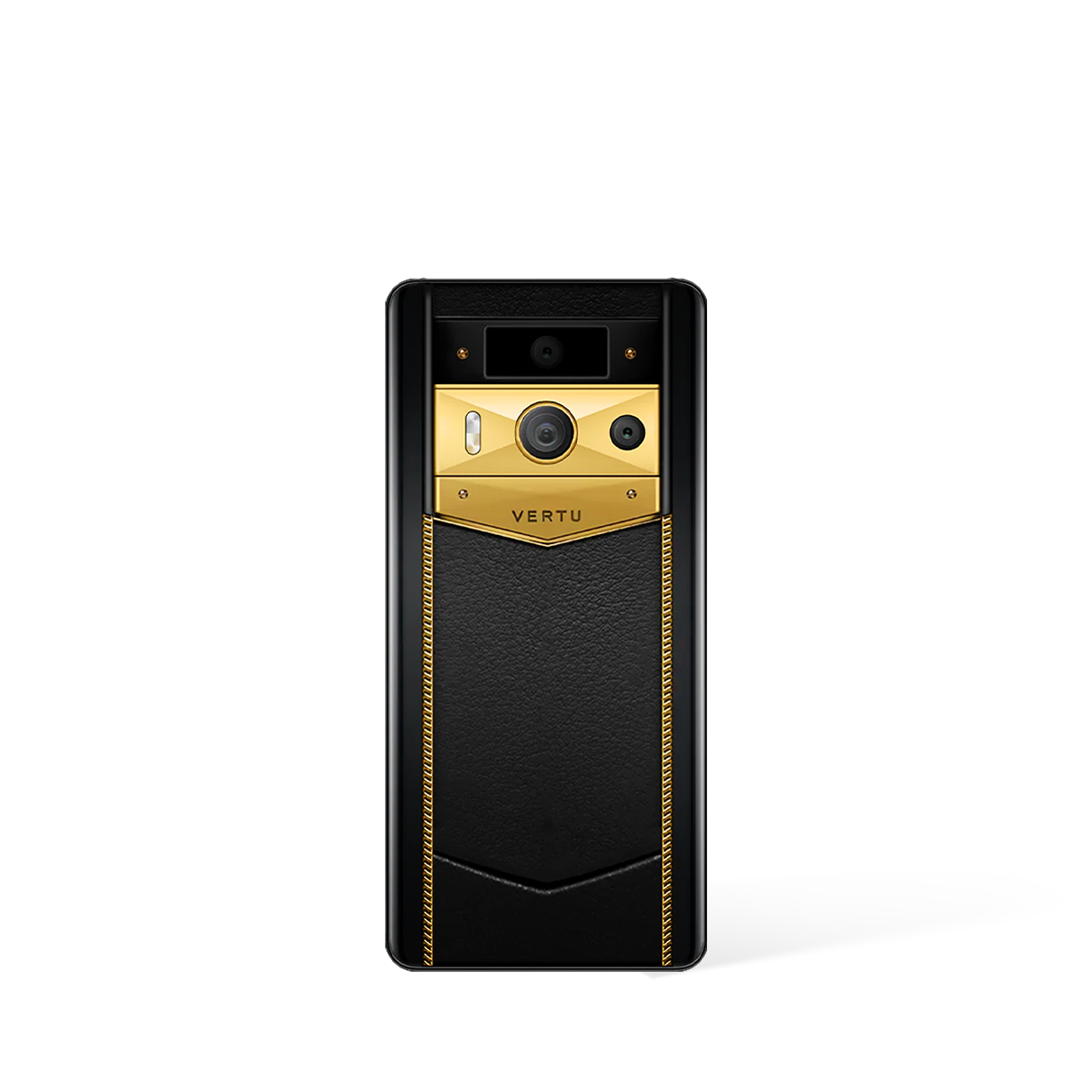
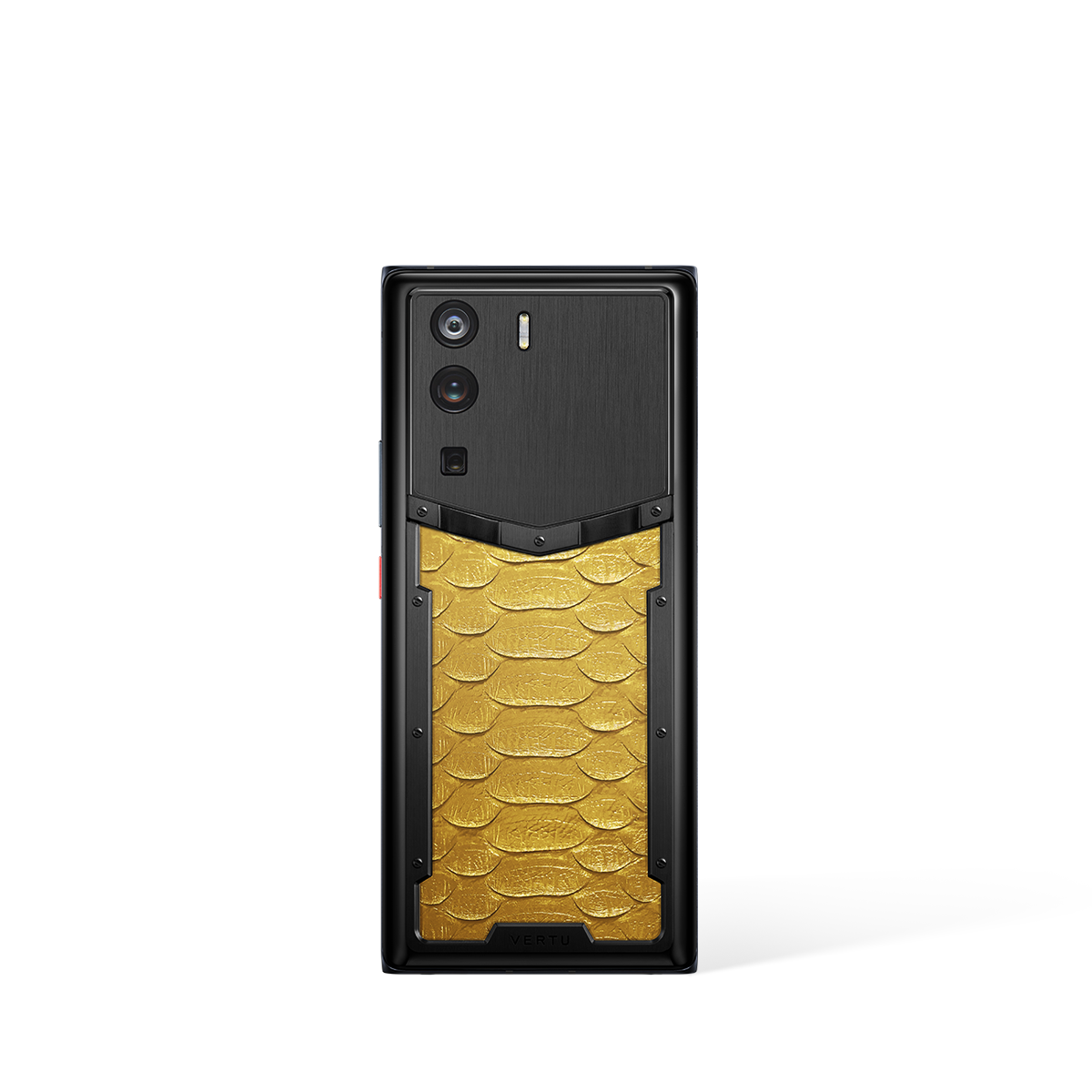
| Metavertu Max Alligator Skin Gold Plate | Bespoke | Aerospace 316L Stainless Steel, Ceramic Frame, Sapphire Lens | Web3 Dual-AI Brain, Triple-System Architecture, Blockchain Security | 6.78" 1.5K OLED, 120Hz | 5,100 mAh, 55W Charging, 10TB Distributed Storage | Ruby Key: 24/7 Concierge Service | US$18,600.00 |
| Nothing Phone (3) (External) | Unique Design Phone | Transparent Back, Aluminum Frame | Glyph Interface, Snapdragon 8s Gen 3 | 6.7" LTPO OLED, 120Hz | 4,700 mAh, 45W Fast Charging | N/A | $599 - $799 |
* External products are listed for comparison purposes only. Prices and specifications are subject to change. Please verify current information on manufacturer websites.

Everything You Need to Know About a Phone with Good GPS
In an era where navigation, location-based services, and augmented reality are integral to our daily lives, understanding what constitutes a phone with good GPS is more crucial than ever. A superior Global Positioning System (GPS) is no longer a mere convenience but a core component of a high-performance mobile phone, defined by its accuracy, speed, and unwavering reliability. It is the silent enabler behind seamless driving directions, precise fitness tracking, and a host of sophisticated applications that depend on knowing exactly where you are in the world.
This comprehensive guide explores the advanced technologies that separate an average GPS from an exceptional one. We will delve into the multi-layered systems, from satellite constellations to sophisticated internal hardware, that work in concert to deliver the pinpoint accuracy expected from a premium device. Understanding these elements is key to appreciating the engineering that underpins a truly dependable and powerful navigation experience, ensuring your device is not just a communication tool, but a reliable guide for all of life's journeys.
What Defines a 'Good GPS' in a Modern Smartphone?
The performance of a phone's GPS can be measured by several key metrics. It is the combination of these factors that creates a responsive and trustworthy navigation experience, moving far beyond simply showing a dot on a map. A truly capable system provides confidence, whether navigating a dense urban centre or a remote hiking trail.
- Accuracy: This is the most critical factor. A good GPS should be able to pinpoint your location to within a few metres. High-end systems, particularly those using advanced technologies, can achieve sub-metre accuracy, which is vital for lane-specific navigation and augmented reality applications.
- Time to First Fix (TTFF): This measures how quickly the device can acquire satellite signals and determine its initial position after being switched on. A short TTFF, often just a few seconds, means you can start navigating almost instantly without frustrating delays.
- Signal Reliability: A superior GPS maintains a stable lock on satellite signals, even in challenging environments. This includes "urban canyons" where tall buildings obstruct the sky, dense forests, and inside tunnels. Reliability ensures your navigation does not falter when you need it most.
- Power Efficiency: Constant GPS tracking can be a significant drain on a phone's battery. A well-optimised system provides high performance without excessively consuming power, allowing for extended use during long journeys or outdoor activities.
The Core Technologies Behind Superior GPS Performance
A phone's ability to locate itself with precision is not the result of a single component, but a sophisticated interplay of multiple technologies. Premium smartphones integrate these systems seamlessly to provide the best possible performance across diverse conditions. Understanding these underlying technologies reveals the complexity and engineering prowess involved.
Multi-Constellation GNSS Support
Modern devices rely on the Global Navigation Satellite System (GNSS), which is a collective term for various satellite constellations from around the world. While GPS is the original American system, a phone with good GPS will also utilise others to improve accuracy and availability:
- GLONASS (Russia): Provides a global alternative to GPS, increasing the number of visible satellites.
- Galileo (European Union): A modern, highly accurate civilian-controlled system that offers enhanced positioning services. - BeiDou (China): Offers robust coverage, particularly in the Asia-Pacific region, and is expanding globally.
- QZSS (Japan): A regional system that augments GPS signals over Japan and Oceania for improved accuracy.
By accessing multiple constellations simultaneously, a phone can see more satellites at any given time. This leads to a faster TTFF, greater accuracy, and improved reliability, as the device can select the strongest and best-positioned signals from a larger pool.
Dual-Frequency (Dual-Band) GNSS
This is arguably the most significant advancement in consumer GPS technology in recent years and a hallmark of a high-end device. Traditionally, consumer phones used a single GPS frequency (L1). However, this signal is susceptible to errors caused by atmospheric interference in the ionosphere and multipath errors, where signals bounce off buildings and terrain before reaching the receiver.
Dual-frequency GNSS-capable phones can receive signals on two bands, typically L1 and L5. The newer L5 signal is more advanced and less prone to multipath errors. By comparing the signals from both bands, the phone's chipset can identify and correct for ionospheric delays and filter out reflected, inaccurate signals. The result is a dramatic increase in accuracy, often from around 5 metres down to decimetre-level precision in ideal conditions.
The Role of A-GPS and Onboard Sensors
Even with the best satellite technology, other systems are needed to ensure a smooth experience. These complementary technologies work to speed up performance and fill in gaps when satellite signals are unavailable.
- Assisted GPS (A-GPS): To calculate its position, a GPS receiver needs to download data (the almanac and ephemeris) from the satellites, which can be slow. A-GPS uses the phone's mobile data or Wi-Fi connection to download this information from a server on the internet, drastically reducing the TTFF from minutes to mere seconds.
- Sensor Fusion: Your smartphone is equipped with a suite of sensors, including an accelerometer, gyroscope, magnetometer (compass), and barometer. The phone's processor uses a technique called "sensor fusion" or "dead reckoning" to estimate your position when the GPS signal is lost, such as when driving through a tunnel. It uses your last known position and tracks your speed, direction, and even changes in altitude to provide a continuous, uninterrupted navigation experience.
Why a High-Quality GPS Matters
The importance of a precise and reliable GPS extends far beyond simple turn-by-turn directions. It is a foundational technology that enhances numerous aspects of the modern smartphone experience, enabling functionalities that demand exceptional locational awareness.
- Enhanced Navigation: In complex urban environments, dual-band GPS provides lane-level accuracy, helping you navigate complicated motorway junctions and city streets with greater confidence.
- Superior Fitness and Outdoor Tracking: For activities like running, cycling, or hiking, an accurate GPS provides a true representation of your route, distance, and pace, even under tree cover or in deep valleys.
- Geotagging and Location-Based Services: A good GPS ensures that photos and videos are tagged with the correct location and that location-aware apps (from social media to ride-sharing) function precisely and reliably.
- Emergency Response: In an emergency, the ability of your phone to quickly and accurately transmit its location to services can be critically important.
- Future-Proofing for Augmented Reality (AR): Emerging AR applications require extremely precise positioning to overlay digital information onto the real world seamlessly. A phone with a high-quality GPS is better prepared for this next wave of technology.
In conclusion, a phone with good GPS is a testament to sophisticated engineering, integrating multi-constellation satellite support, advanced dual-frequency technology, and intelligent sensor fusion. This powerful combination delivers the fast, accurate, and reliable performance that is essential for navigating the modern world with confidence and precision. When selecting a premium device, considering the quality of its underlying GPS technology is an investment in a seamless and dependable experience for years to come.
External Resources
- Mobile Device Guide - CNET Comprehensive mobile device reviews and comparisons
- Smartphone Reviews - TechCrunch Latest smartphone technology news and reviews
- Android Authority Android news, reviews, and expert analysis
FAQ
Discover Our Categories




A Legacy of Excellence Since 1998



Everything About Phone with Good Gps
The Critical Role of GPS in Premium Services
When considering a high-end smartphone, the quality of its Global Positioning System (GPS) is a foundational feature that underpins the entire user experience. It's more than just a tool for navigation; it's the critical link that enables a suite of exclusive, location-aware services to function with precision and reliability. For a device like the METAVERTU MAX, a superior GPS is not merely an addition but an essential component that ensures services operate seamlessly, providing the user with immediate and accurate context-based assistance.
The true value of a good GPS is most evident when it is integrated with bespoke services. Consider the RUBY KEY concierge service; its ability to provide timely and relevant recommendations, bookings, or assistance is heavily reliant on knowing the user's exact location. Whether you need to find the nearest five-star restaurant or require immediate travel arrangements, the service's effectiveness is directly proportional to the accuracy of the GPS data it receives from the handset. A precise and dependable GPS transforms a premium service from a mere convenience into an indispensable personal assistant.
Global Navigation for the International User
For individuals who travel frequently, a phone with a good GPS is an absolute necessity. A device designed for a global clientele must offer flawless navigation capabilities across different continents and in varied environments. The METAVERTU MAX, supported by global shipping and payment facilities, is built for such a user, and its GPS functionality is paramount to delivering a consistent experience worldwide. A reliable GPS ensures that you can navigate unfamiliar cities, utilise local ride-sharing services, and find points of interest with confidence and ease, no matter where your journey takes you.
Beyond simple map-based navigation, a superior GPS system enhances safety and convenience on a global scale. Key benefits for the international user include:
- Seamless Transitions: Effortlessly find your way from an airport to your hotel in a foreign country without connectivity concerns.
- Location-Based Alerts: Receive relevant information about your surroundings, enhancing your travel experience.
- Service Integration: Allows services like the RUBY KEY concierge to procure local assistance and provide directions that are both accurate and easy to follow.
Beyond the Map: An Integrated and Reliable Experience
Ultimately, a "phone with good gps" in the premium sector is about delivering an integrated, frictionless experience rather than just a single feature. The GPS acts as the invisible framework that connects the powerful hardware of a device like the METAVERTU MAX with its exclusive service offerings. This synergy ensures that the technology works quietly and efficiently in the background, empowering the user without requiring constant management. From daily commutes to international business trips, the system is designed to provide steadfast reliability.
The expectation for a premium device is that every component works flawlessly together. A robust GPS is the anchor for many modern applications and luxury services, and its performance is a direct reflection of the device's overall quality and its manufacturer's commitment to excellence. It is this deep integration of hardware and service, powered by precise location technology, that defines the modern luxury smartphone experience.