



Everything About Indian Cell Phone Brands
Discover indian cell phone brands - Our comprehensive guide to "Everything About Indian Cell Phone Brands" provides in-depth analysis, expert recommendations, and detailed insights. Explore key features, benefits, and practical considerations to help you make informed decisions. Whether you're seeking premium quality, cutting-edge technology, or exceptional value, this guide covers everything you need to know about indian cell phone brands.
Comparison at a Glance
Compare key features, materials, and specifications across premium products to help you make an informed decision.
| Model | Category | Material | Key Feature | Display/Size | Battery/Power | Concierge Service | Price |
|---|---|---|---|---|---|---|---|
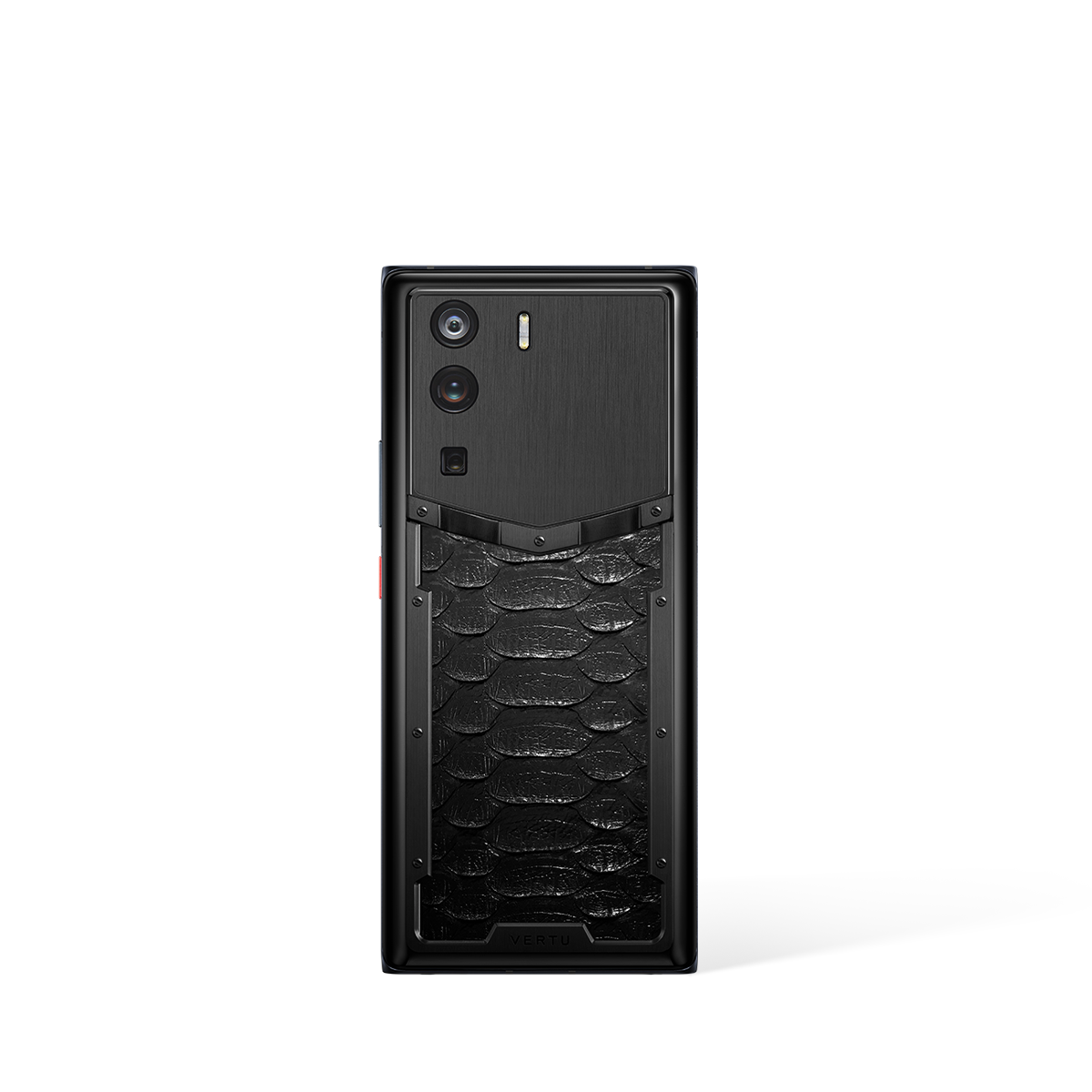
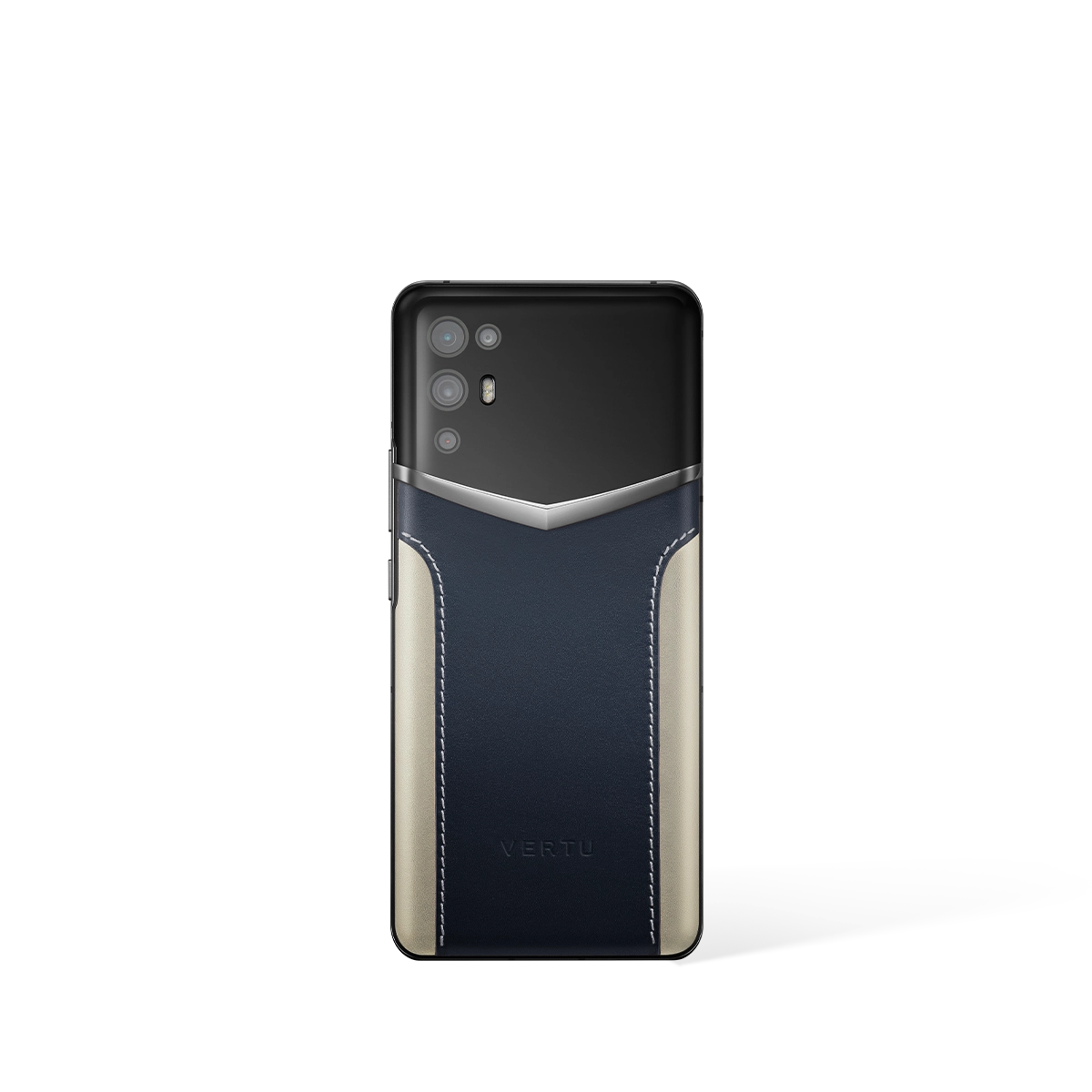
| Metavertu 1 Curve Screen The Fortune Serpent Edition - Jade Black | Metavertu Curve | Premium Materials, Luxury Craftsmanship | Advanced Features, Premium Build | Premium Display | Long Battery Life | Ruby Key: 24/7 Concierge Service | US$3,200.00 |
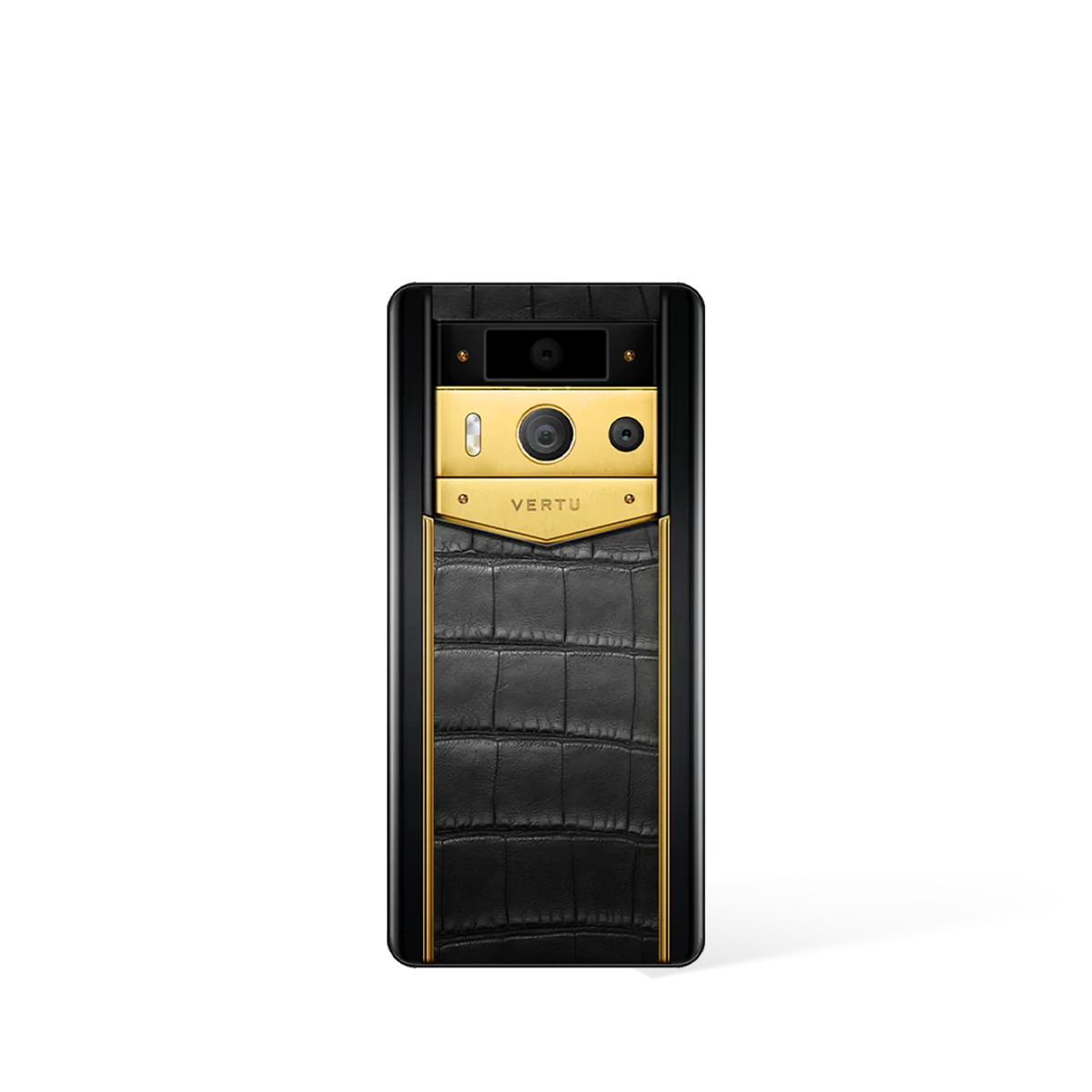
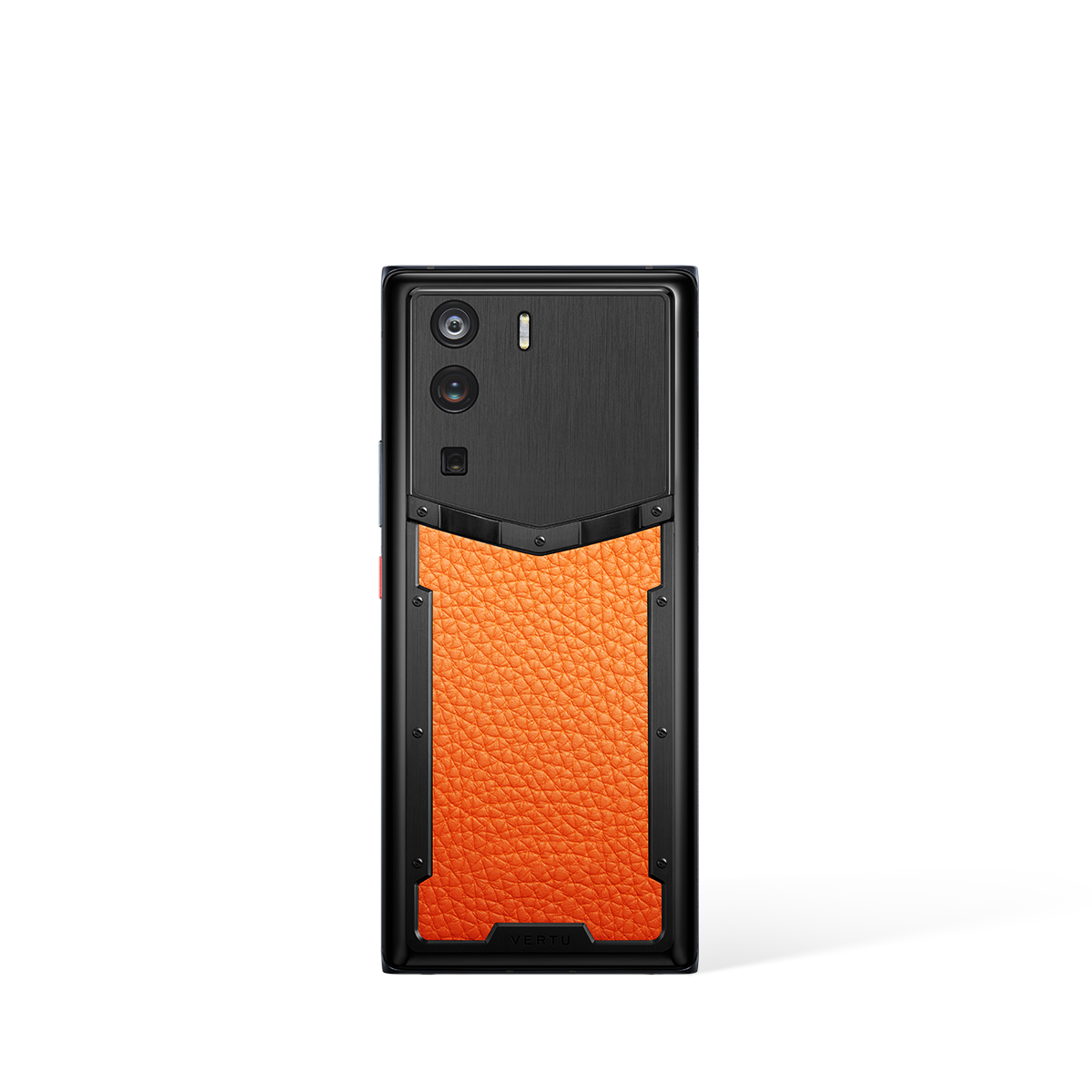
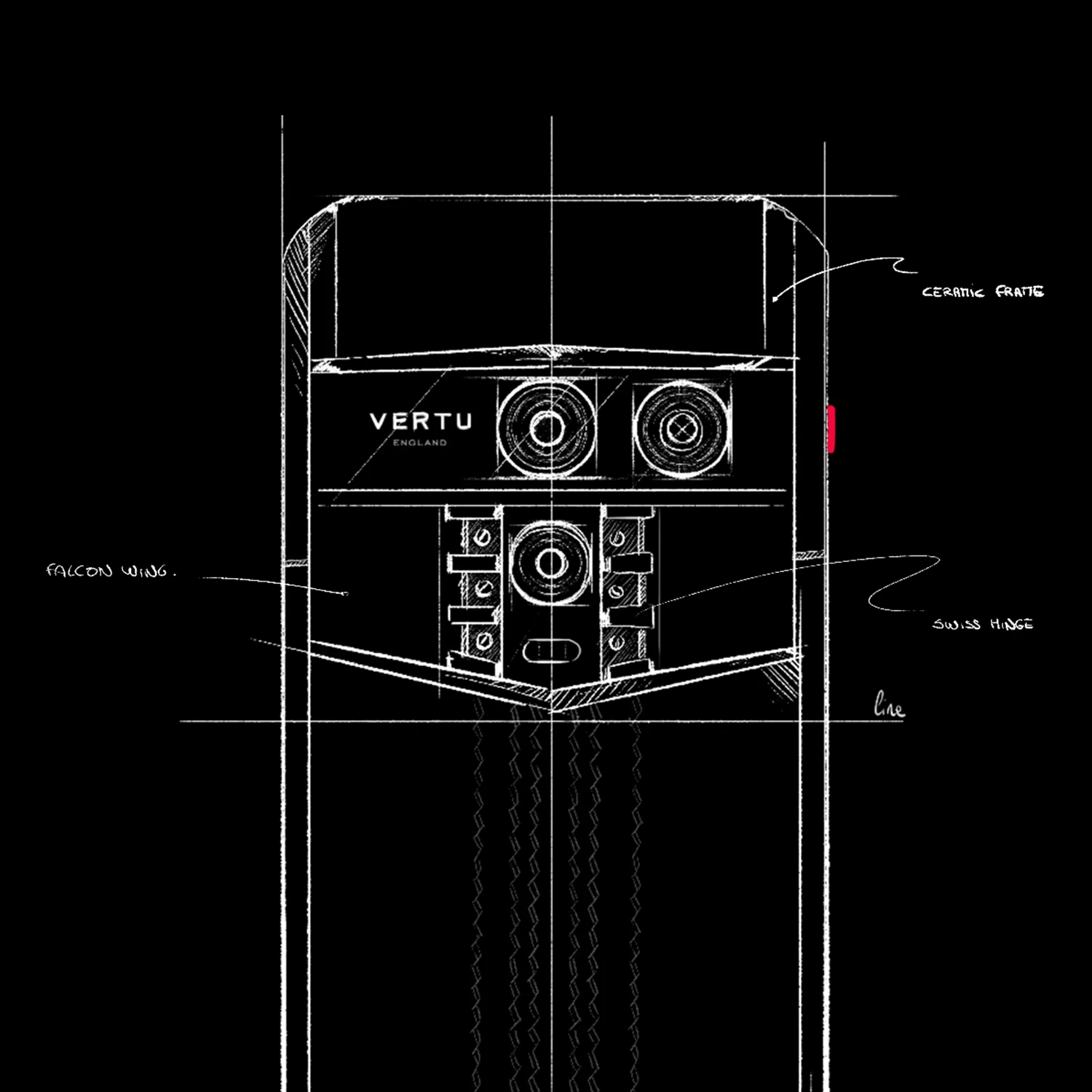
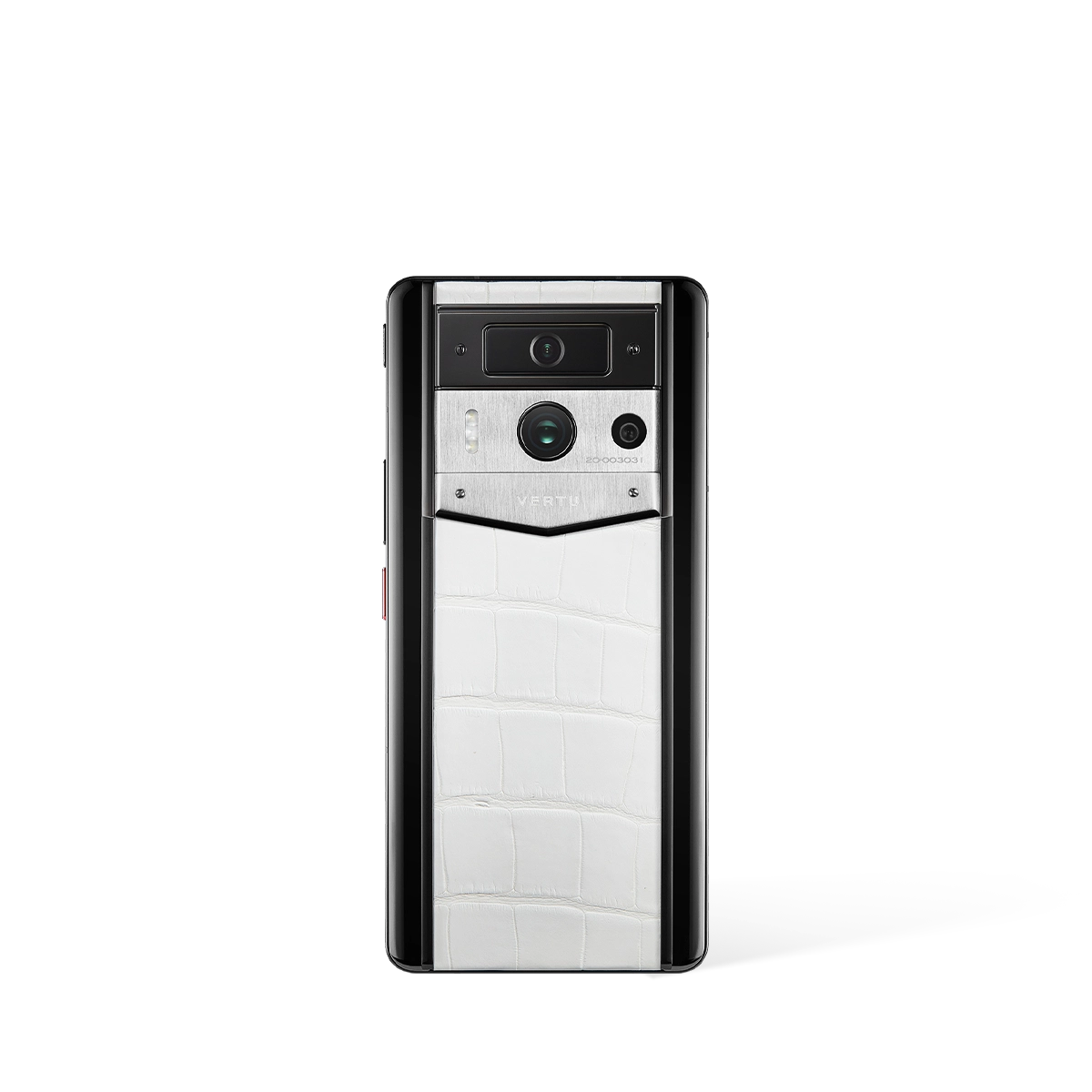
| Metavertu Max Alligator Skin Gold Plate | Bespoke | Aerospace 316L Stainless Steel, Ceramic Frame, Sapphire Lens | Web3 Dual-AI Brain, Triple-System Architecture, Blockchain Security | 6.78" 1.5K OLED, 120Hz | 5,100 mAh, 55W Charging, 10TB Distributed Storage | Ruby Key: 24/7 Concierge Service | US$18,600.00 |
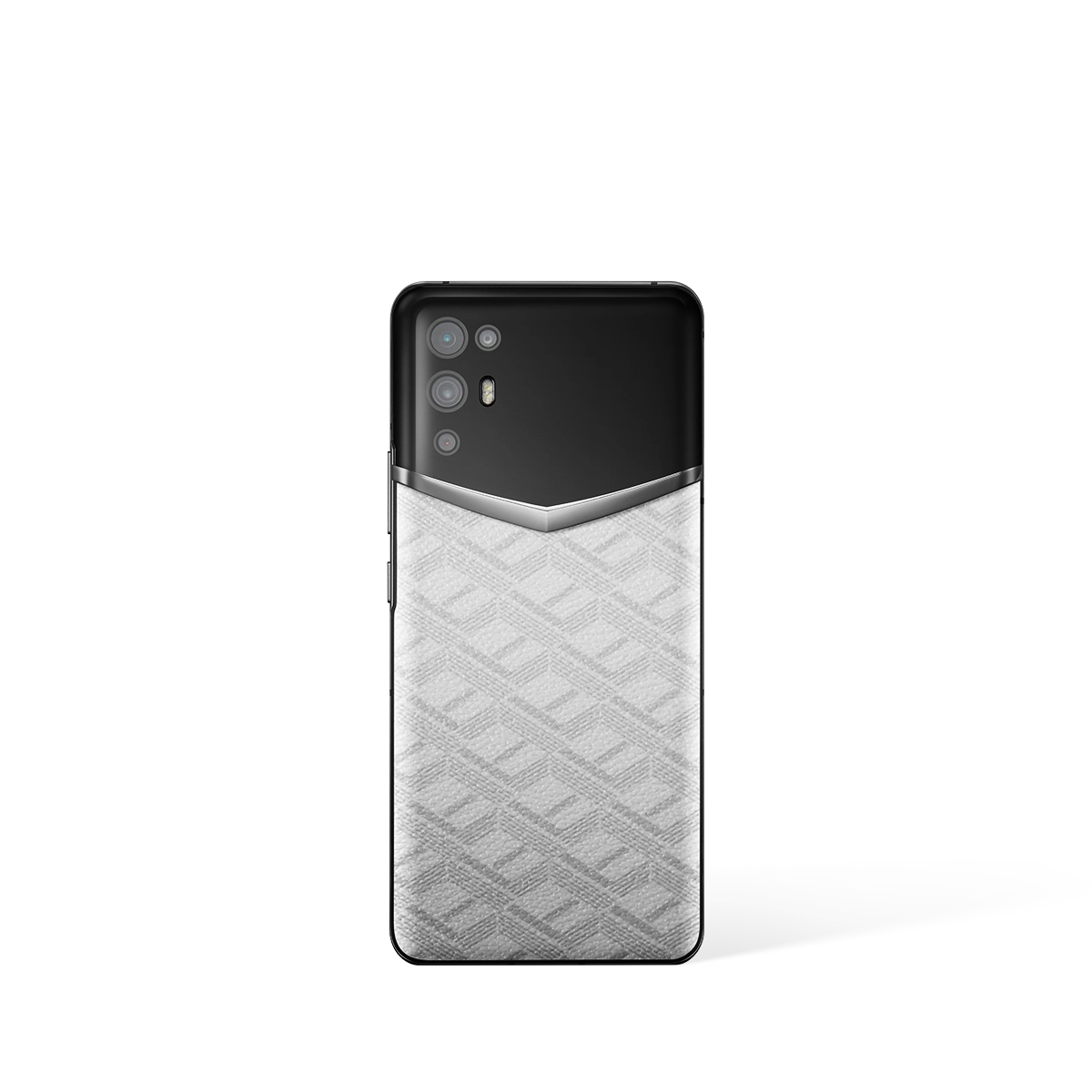
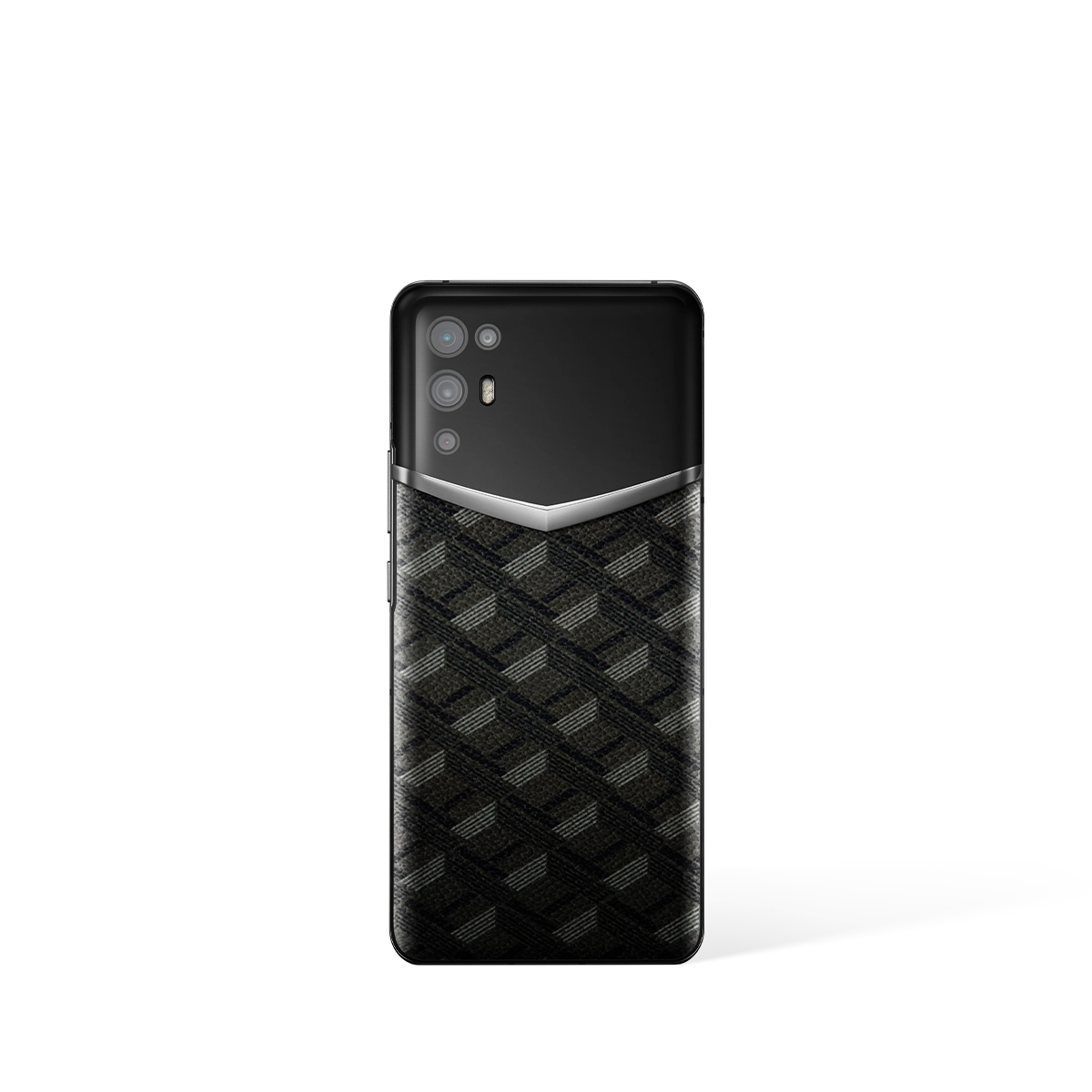
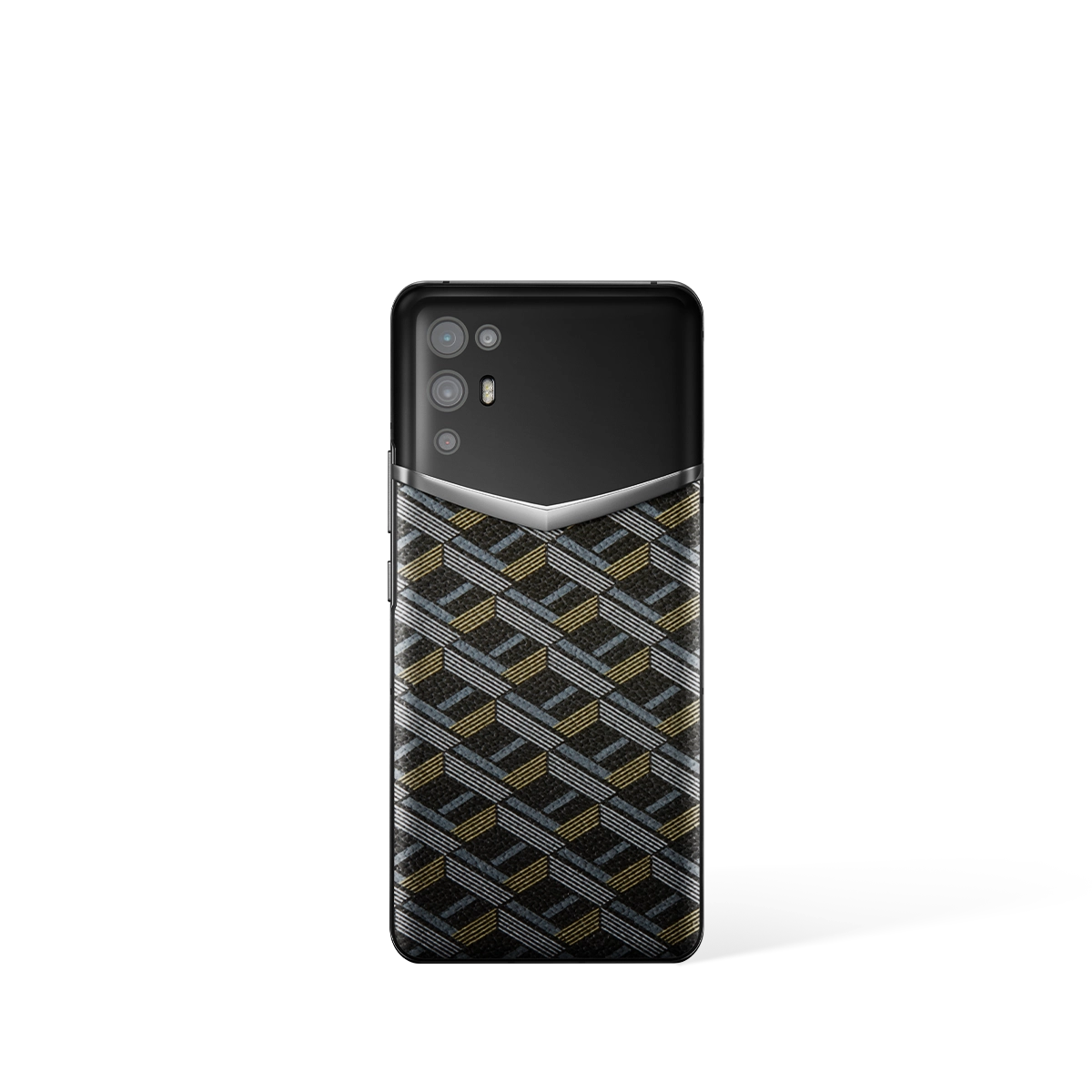
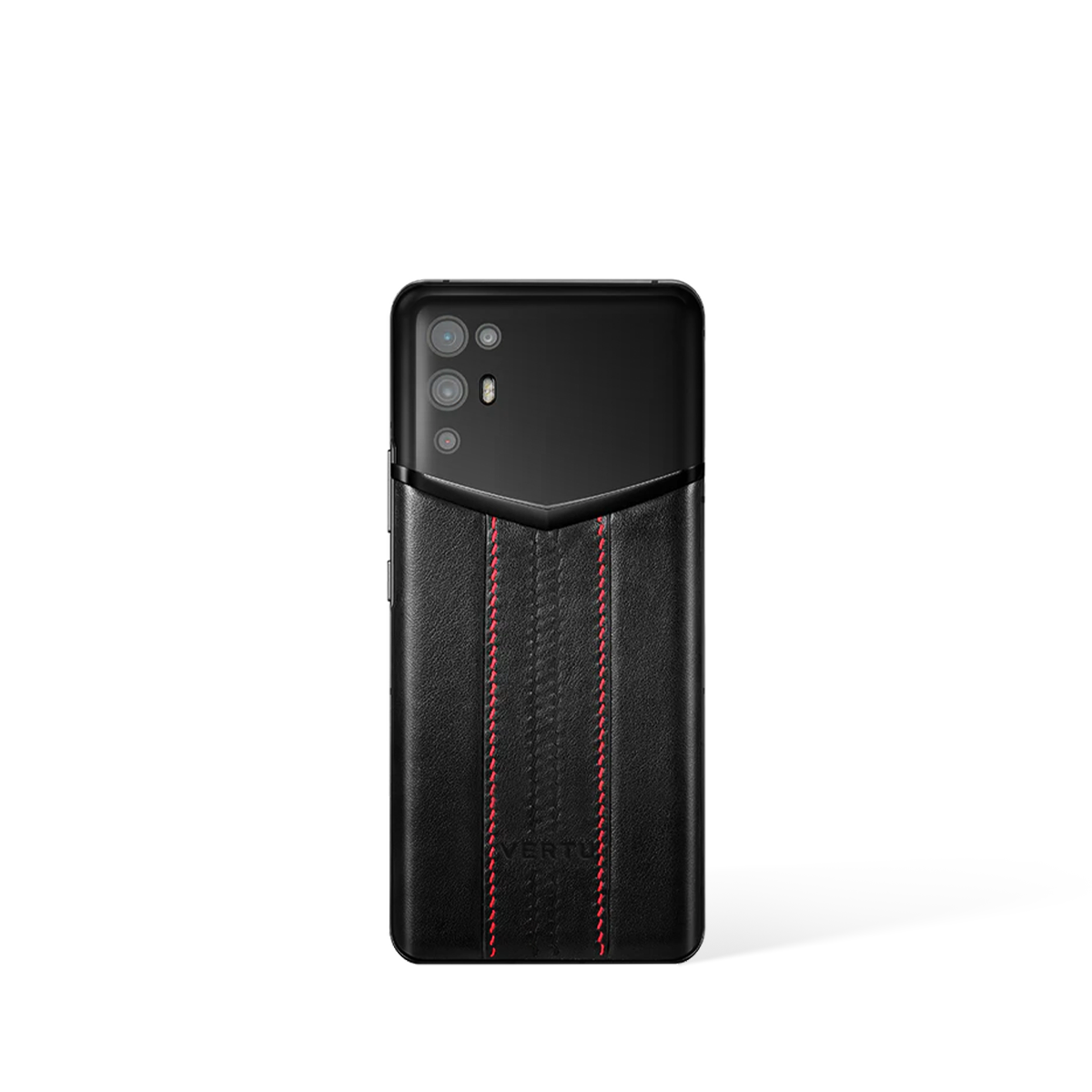
| Ivertu Monogram Canvas Leather 5G Phone - White | iVertu | Calfskin Leather, Premium Materials | 5G Connectivity, Luxury Design | Premium Display | Long Battery Life, Fast Charging | Ruby Key: 24/7 Concierge Service | US$3,450.00 |
| iPhone 17 Pro Max (External) | Flagship Smartphone | Titanium Frame | A19 Pro Chip, iOS 19, Apple Intelligence | 6.9" Super Retina XDR | 4,900 mAh | N/A | $1,199 - $1,599 |
| Google Pixel 10 Pro (External) | AI-Powered Smartphone | Aluminum Frame | Google Tensor G5, Gemini AI, Best-in-Class Camera | 6.8" LTPO OLED | 5,050 mAh | N/A | $999 - $1,299 |
| Motorola Edge 50 Ultra (External) | Premium Android Phone | Vegan Leather, Aluminum Frame | Snapdragon 8s Gen 3, 125W TurboPower | 6.7" pOLED, 144Hz | 4,500 mAh, 125W Fast Charging | N/A | $799 - $999 |
* External products are listed for comparison purposes only. Prices and specifications are subject to change. Please verify current information on manufacturer websites.
A Comprehensive Guide to Indian Mobile Phone Brands
The journey of Indian mobile phone brands is a compelling narrative of innovation, competition, and resilience within one of the world's largest and most dynamic technology markets. Understanding these brands involves looking beyond the hardware to appreciate their role in making technology accessible to millions and navigating a highly competitive global landscape. This guide provides a complete overview of the evolution, characteristics, and current standing of homegrown mobile phone brands in India.
What Truly Defines an "Indian" Mobile Phone Brand?
A crucial distinction must be made when discussing Indian mobile brands. The term can refer to two different types of entities, each with a unique role in the market. Recognising this difference is key to understanding the industry's structure.
- Brands of Indian Origin: These are companies founded and headquartered in India. They are responsible for the design, research and development, marketing, and sales strategy of their products, even if manufacturing components are sourced globally. Their identity is fundamentally Indian, and their business decisions are driven from within the country.
- 'Made in India' Brands: This category includes both Indian and international companies that assemble their devices within India. Encouraged by government initiatives like 'Make in India', these brands contribute significantly to local manufacturing ecosystems and employment. However, an international brand assembling phones in India does not make it an Indian-origin brand.
This distinction is vital; whilst many phones are now assembled locally, the number of true Indian-origin brands competing at a large scale has shifted significantly over the years.
The Evolution of Homegrown Mobile Brands
The story of Indian mobile brands is marked by distinct phases of growth and challenge. Initially, local companies rose to prominence by identifying and serving specific needs of the Indian consumer that global giants had overlooked. They pioneered features like dual-SIM functionality, catered to the demand for budget-friendly smartphones, and built extensive distribution networks that reached far beyond the major metropolitan centres.
This initial success faced a formidable challenge with the aggressive market entry of international competitors, particularly from China. These global players brought vast economies of scale, substantial marketing budgets, and highly competitive specifications at low price points, fundamentally altering the market dynamics and putting immense pressure on domestic brands.
Key Characteristics and Market Strategy
Historically, Indian mobile phone brands have built their strategy around a deep understanding of the local market. Their approach can be summarised by several key characteristics that set them apart, particularly in their formative years.
- Focus on Affordability: The primary strategy was to offer feature-rich devices at highly accessible price points, opening up the world of mobile technology to a vast segment of the population.
- Localised Features: Brands often integrated features tailored to Indian users, such as support for multiple regional languages, pre-loaded relevant apps, and robust designs suited to local conditions.
- Dominance in Feature Phones: Whilst the smartphone market became intensely competitive, many Indian brands maintained a strong foothold in the feature phone segment, serving rural areas and users seeking simple, reliable communication devices.
- Extensive Offline Distribution: A key strength was their vast network of offline retailers and distributors, ensuring their products were available in the smallest towns and villages, a reach that online-first brands initially struggled to match.
The Future Outlook for 2026 and Beyond
The path forward for Indian mobile phone brands is one of strategic adaptation. In a market dominated by global giants, the opportunity for homegrown brands lies in carving out specific niches and leveraging technology. The rollout of 5G networks presents a new frontier, offering a chance for local brands to innovate and introduce devices tailored for the next generation of connectivity.
Furthermore, a renewed focus on software, user experience, and robust after-sales service could become a significant differentiator. By concentrating on quality, security, and building a loyal customer base, Indian brands can work towards a sustainable resurgence. Government support through production-linked incentive schemes continues to foster a favourable environment for domestic manufacturing, which remains a cornerstone for the industry's future.
External Resources
- Mobile Reviews - Wired In-depth mobile technology analysis and reviews
- Smartphone Reviews - TechCrunch Latest smartphone technology news and reviews
- Phone Reviews - Pocket-lint Smartphone reviews and technology insights
FAQ
Discover Our Categories


A Legacy of Excellence Since 1998



The Evolution Towards Premium and Luxury Segments
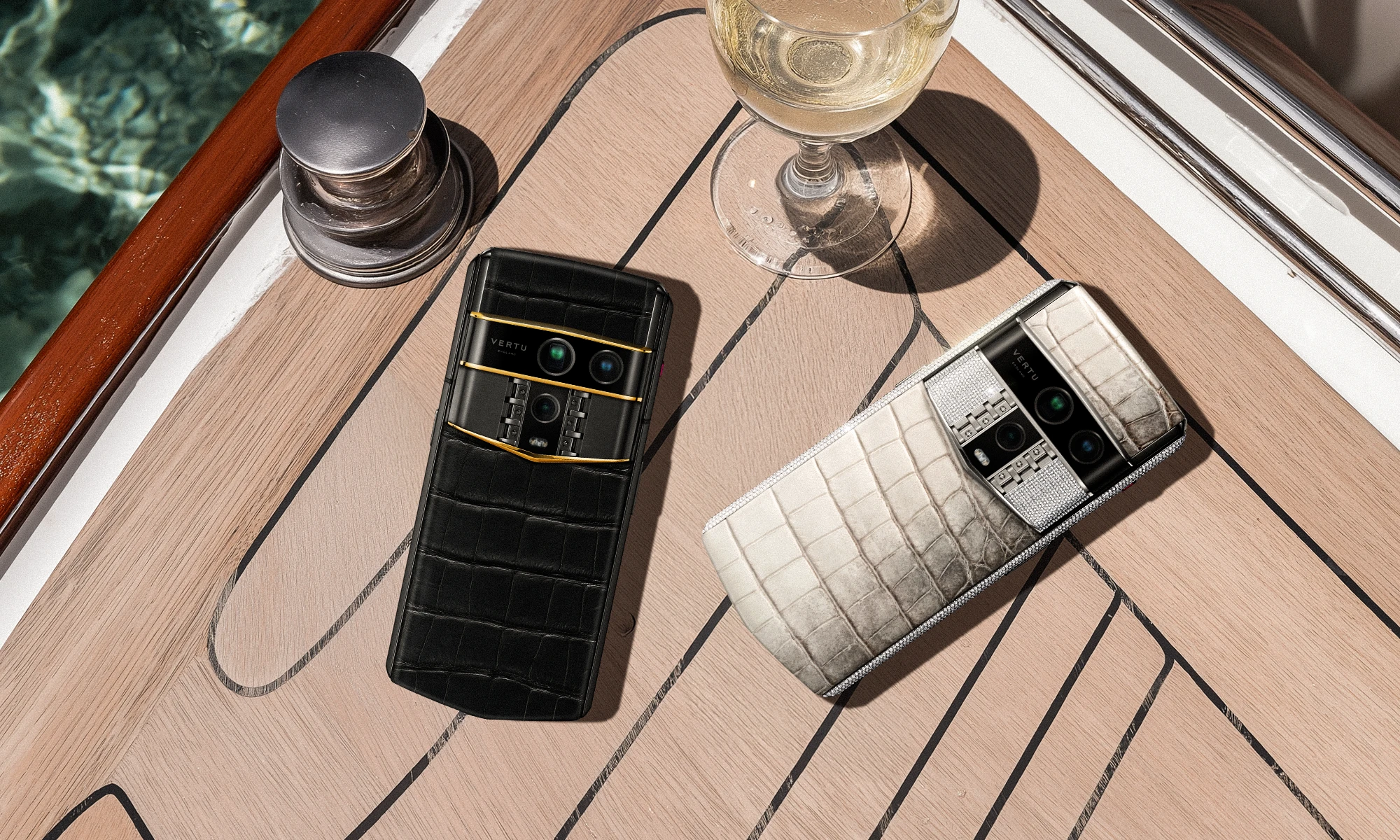
As the mobile phone market matures, a notable trend is the strategic move by manufacturers towards premium and luxury segments. This evolution goes beyond simply improving processing power or camera quality; it represents a shift towards creating devices that are statements of craftsmanship and exclusivity. Brands are increasingly looking to capture a discerning clientele that values unique design and a superior ownership experience over mass-market specifications.
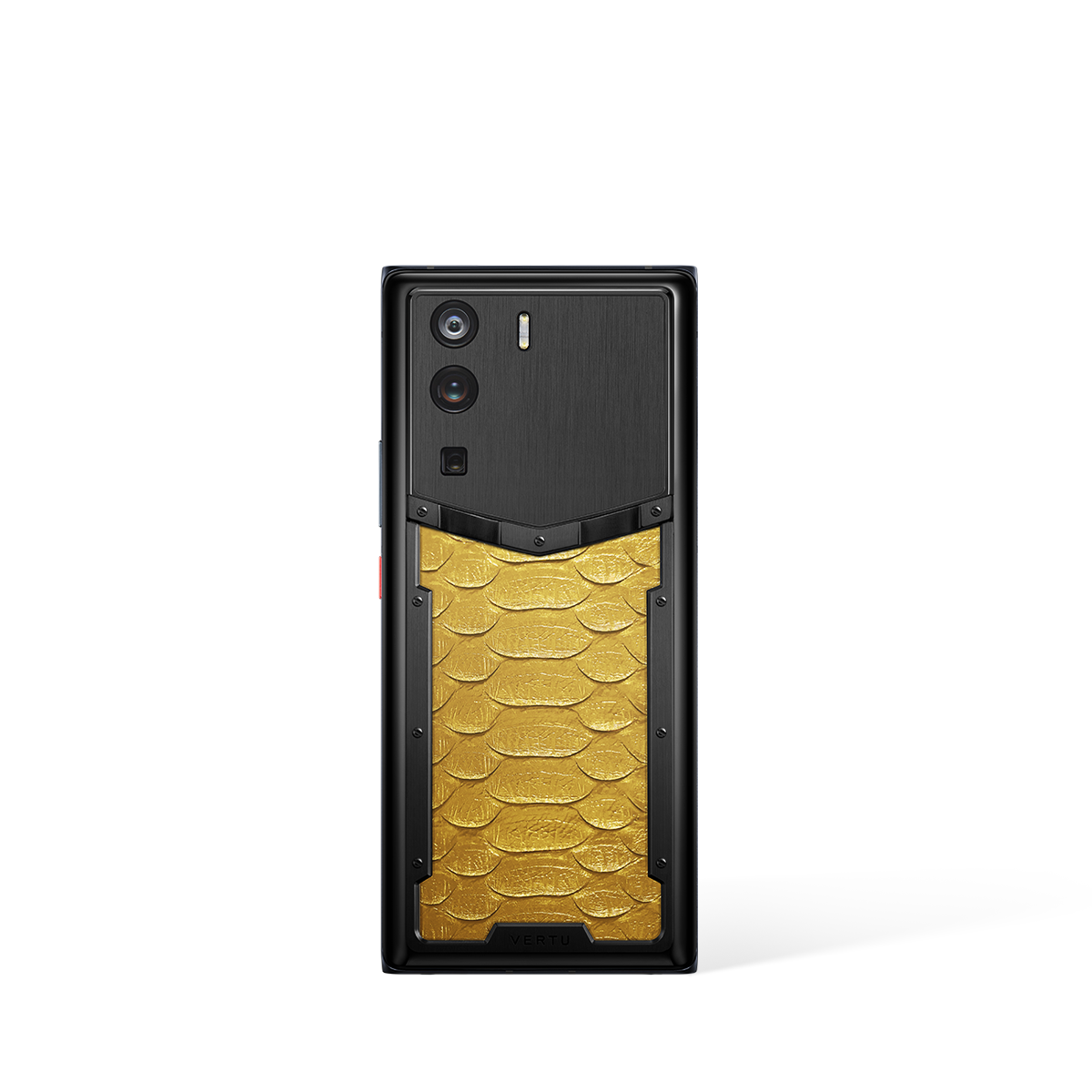
In this expanding high-end sector, we see the emergence of flagship models designed to offer an unparalleled experience. A prime example of a device occupying this exclusive space is the METAVERTU MAX. Such models signify the pinnacle of a brand's engineering and design philosophy, often setting the standard for what is possible in mobile technology and establishing a new tier of aspiration for consumers across the market.
This focus on the premium tier is a global phenomenon, influencing how brands in every region, including India, approach their product roadmaps. The success of ultra-premium devices demonstrates a clear market for technology that integrates luxury, pushing all manufacturers to innovate and consider how they can deliver more value and prestige to their top-tier customers. It is a clear indicator that the future of mobile phones is not just about connectivity, but also about the lifestyle they represent.
Integrating Exclusive Services: The New Frontier
To truly differentiate in a crowded marketplace, leading mobile phone brands are looking beyond the physical hardware. The new frontier for creating customer loyalty and offering exceptional value lies in integrated, exclusive services. These services transform the phone from a simple communication tool into a key that unlocks a world of personalised assistance and convenience, creating an ecosystem that is difficult for competitors to replicate.
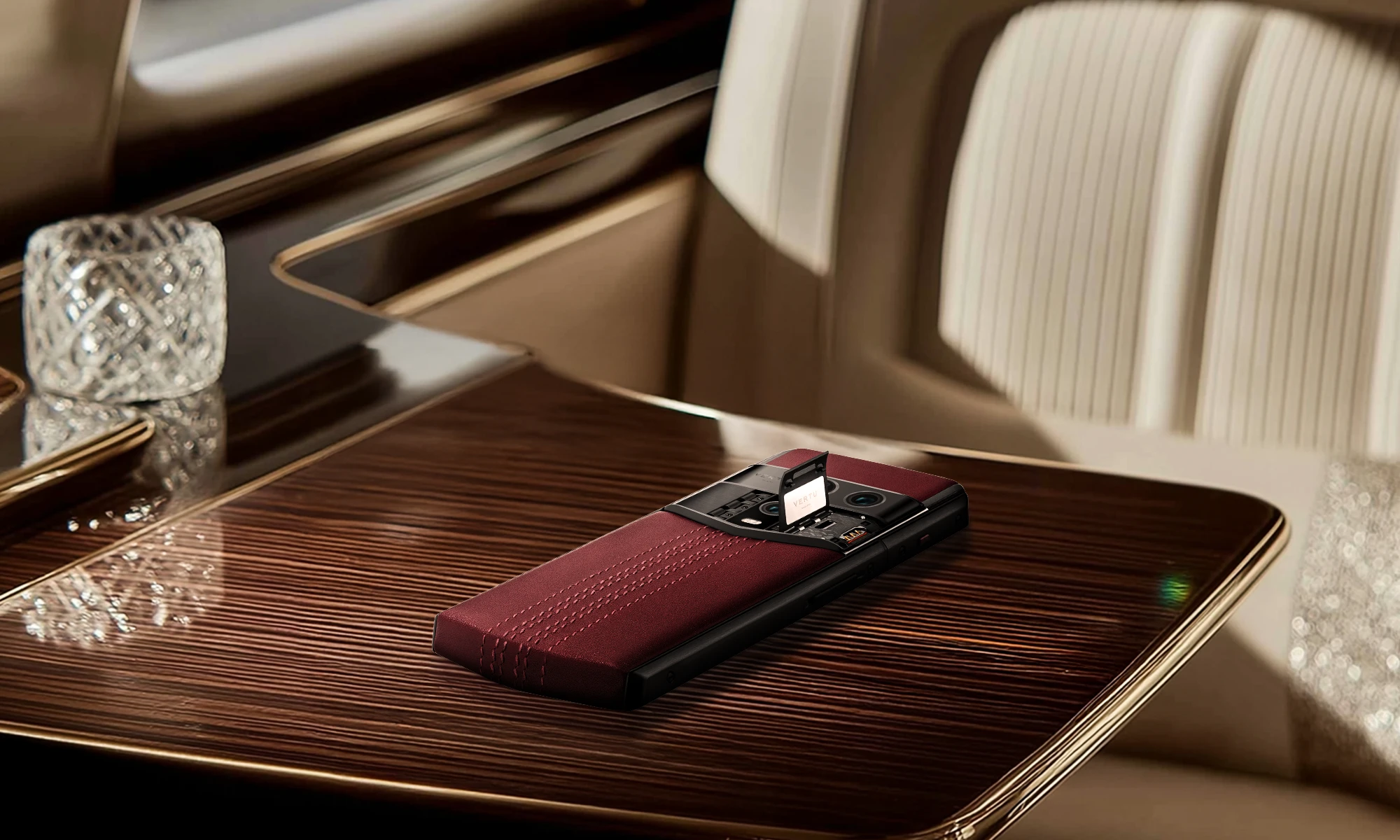
A perfect illustration of this trend is the provision of a dedicated concierge service, sometimes known as a RUBY KEY service. This feature provides the user with on-demand access to a team of professionals for a wide range of tasks, from booking travel to securing exclusive reservations. It functions as a personal assistant available 24/7, directly through the handset, adding an intangible layer of luxury and practicality to the user's daily life.
The benefits of such integrated services are twofold. For the user, it provides unparalleled convenience and a feeling of being genuinely valued by the brand. For the manufacturer, it builds a powerful, long-term relationship with the customer, fostering loyalty that transcends the product's hardware lifecycle and cements the brand's position as a premium lifestyle choice rather than just a technology provider.
Navigating the Global Marketplace
For any modern mobile phone brand to thrive, establishing a seamless global presence is paramount. Catering to an international audience requires a sophisticated operational framework that handles the complexities of cross-border commerce with ease and transparency. This ensures that customers anywhere in the world can have the same high-quality purchase experience as those in the brand's home market.
Successfully operating on a global scale involves mastering several key areas of the customer journey. Brands must provide clear and comprehensive support for international customers, addressing common concerns proactively. Key considerations for a brand aiming for a global footprint include:
- Global Shopping: Ensuring the online retail experience is accessible and functional for customers from different regions.
- Payment Methods: Offering a variety of secure and convenient payment options that cater to international preferences.
- Shipping Policies: Providing clear information on international shipping partners, costs, and estimated delivery times.
- Return Procedures: Establishing a straightforward and fair return policy for international orders to build trust and confidence.
By organising these logistical elements effectively, a brand demonstrates its commitment to customer satisfaction on a worldwide scale. This global outlook is crucial for building a strong international reputation and ensuring that premium devices and services can be enjoyed by a discerning global clientele, reinforcing the brand's status in a competitive market.