A Definitive Guide to High-End Timepieces and Watches
Understanding high-end timepieces watches involves appreciating them not just as instruments for telling time, but as masterpieces of mechanical engineering, artistry, and heritage. A luxury watch is defined by its superior craftsmanship, the complexity of its internal movement, the quality of its materials, and its exclusive design. For those new to the world of horology, the primary consideration is the synthesis of these elements, which transforms a functional object into a lasting symbol of personal style and technical excellence.
What Are the Core Pillars of a Luxury Watch?
The value and prestige of a high-end watch are built upon several foundational pillars. These characteristics distinguish a simple watch from a true timepiece, representing a deep commitment to quality that endures for generations. From the intricate engine within to the meticulously polished case, every detail is considered and perfected by master artisans.
| Defining Pillar | Details and Significance |
|---|---|
| The Movement | The internal mechanism, or 'calibre', is the heart of the watch. In high-end timepieces, this is almost always a mechanical movement, prized for its hundreds of tiny, interacting parts assembled by hand. Complications—additional functions like chronographs or calendars—demonstrate a higher level of watchmaking skill. |
| Case Materials | Luxury watches utilise materials chosen for their beauty, durability, and prestige. This includes precious metals like gold and platinum, as well as advanced modern materials such as high-tech ceramics and lightweight carbon fibre, which offer exceptional scratch resistance and a contemporary aesthetic. |
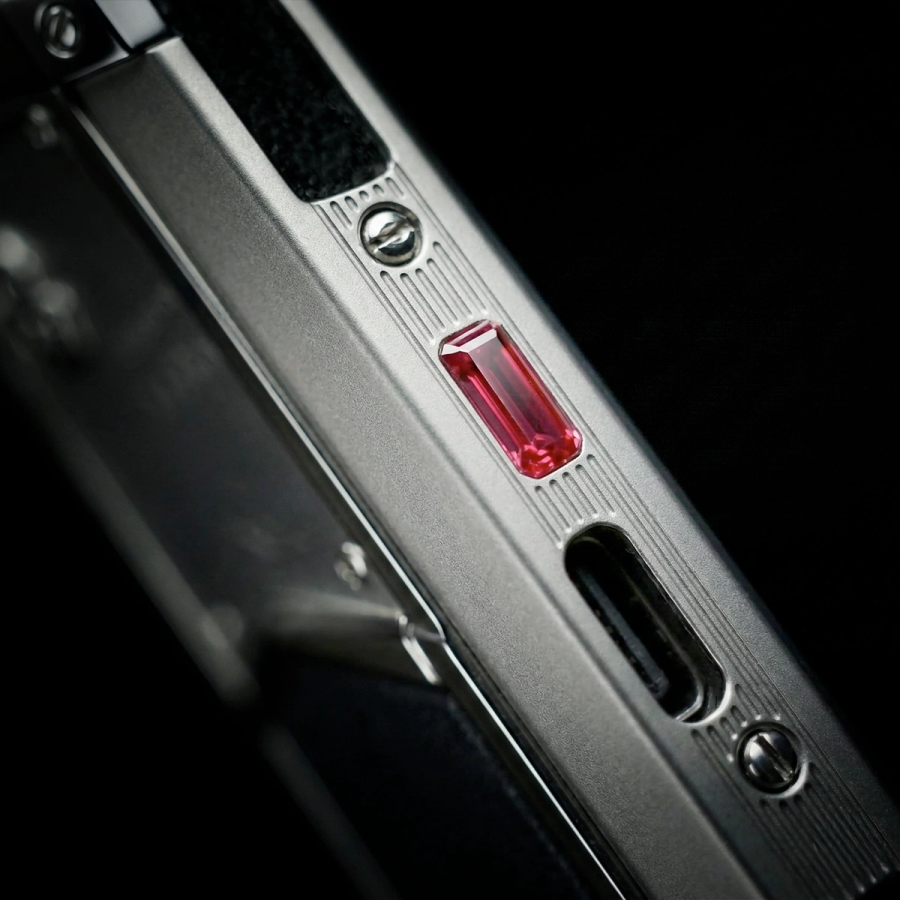
| Craftsmanship & Finishing | This refers to the meticulous hand-finishing applied to every component, both visible and hidden. Techniques like polishing, engraving, and bevelling are performed by skilled artisans to a standard that machines cannot replicate, reflecting a profound dedication to perfection. |
| Design & Exclusivity | A high-end timepiece possesses a unique and coherent design language that makes it instantly recognisable. Limited production runs and the availability of bespoke services, such as in the Grand Watch - Bespoke Gold series, ensure a level of exclusivity that appeals to discerning collectors. |
Understanding Watch Movements: The Heart of the Timepiece
At the core of any fine watch is its movement. The vast majority of high-end timepieces favour mechanical movements over the battery-powered quartz alternatives. A mechanical movement is a miniature engine powered by a wound spring, its energy released through a complex series of gears and levers. This intricate ballet of components is what captivates enthusiasts, as it represents a tradition of watchmaking that is centuries old.
Within this category, automatic movements are wound by the natural motion of the wearer's wrist, whilst manual-wind movements require periodic winding by hand. The pinnacle of mechanical achievement is found in 'complications'. These are any functions beyond the simple display of hours, minutes, and seconds. They range from the practical, like a date display or a second time zone, to the highly complex and visually stunning, such as a tourbillon, which counteracts the effects of gravity on the mechanism's accuracy.

The Significance of Materials and Craftsmanship
The external components of a luxury watch receive the same level of attention as its internal mechanism. The choice of material for the case, bezel, and bracelet is fundamental to its character. Traditionalists may favour the timeless elegance of gold, whilst modern collectors might be drawn to the technical appeal and resilience of the Vertu Grand Watch - Black Ceramic or models crafted from carbon fibre.
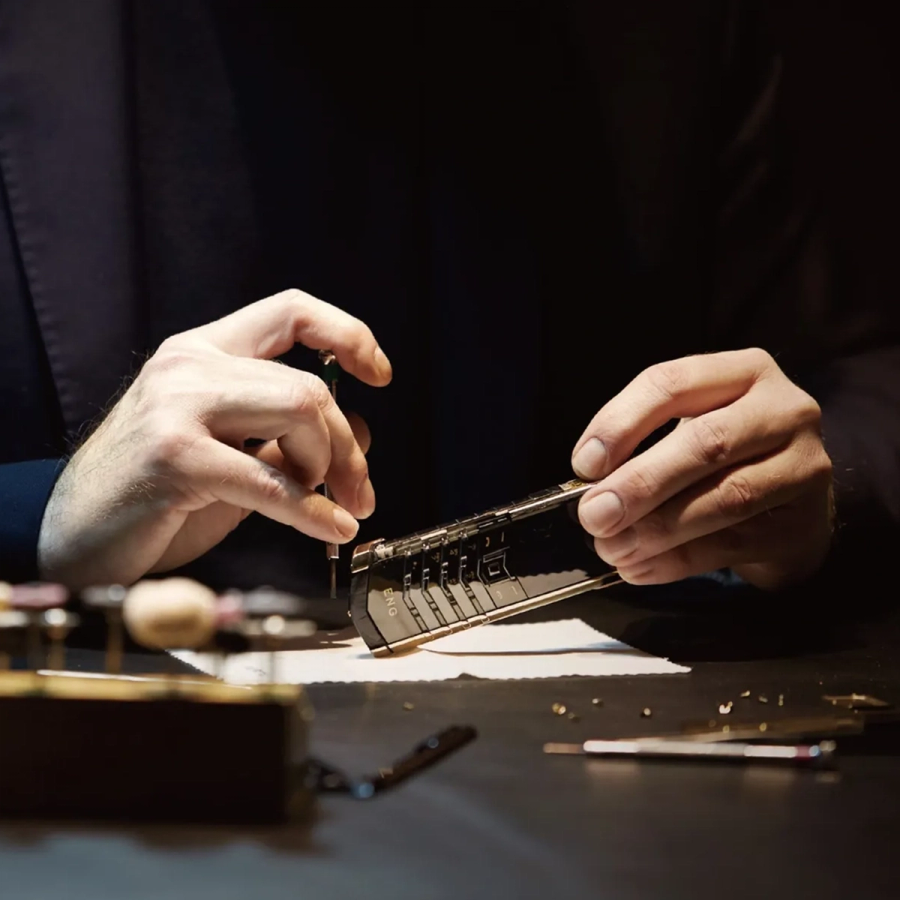
Beyond the raw materials, it is the human touch that elevates a watch to high-end status. Master craftsmen spend countless hours shaping, polishing, and assembling each timepiece. The dial, often a work of art in itself, may feature intricate patterns or be adorned with precious stones. This level of detail ensures that each watch is not only a precise instrument but also a unique piece of wearable art.

How to Choose Your First High-End Timepiece
Selecting a luxury watch is a deeply personal journey. The first step is to consider your lifestyle and how the watch will be worn. A slim, elegant dress watch is suitable for formal occasions, whereas a robust sports watch with high water resistance is better suited for an active life. Think about which complications, if any, would be genuinely useful to you. Most importantly, a high-end watch should resonate with your personal aesthetic and feel comfortable on your wrist.
Ultimately, a high-end timepiece is an investment in enduring quality and a statement of appreciation for fine craftsmanship. It is an object designed to be worn, enjoyed, and eventually passed down to the next generation. Exploring the diverse collections, such as the Grand Watch series on the official VERTU website, is the ideal starting point for discovering a timepiece that resonates with your personal style.