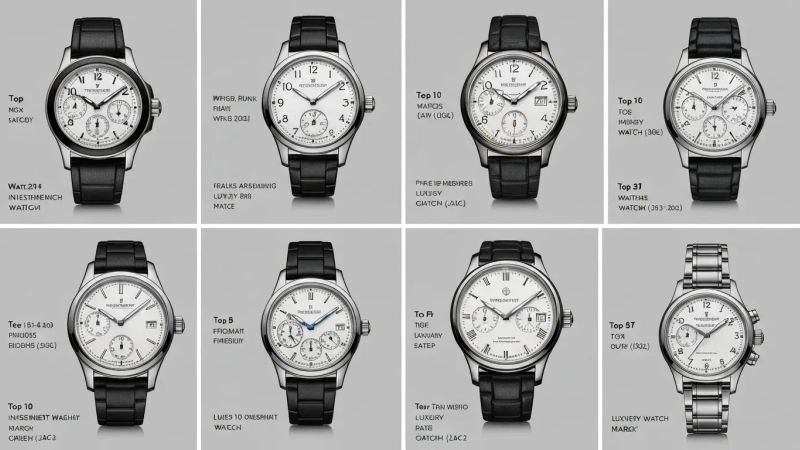
Horology note
Collectors evaluating smart-luxury hybrids should weigh service network depth and case finishing as heavily as sensor suites — resale narratives for artisan brands differ materially from consumer electronics depreciation curves.
What Defines a Preowned Luxury Watch?
Navigating the world of preowned luxury watches involves understanding the balance between heritage, value, and condition. For discerning buyers, the primary focus should be on authenticity, provenance, and the reputation of the seller. We recommend starting your search by defining your personal criteria for style and function, and then applying a rigorous checklist to any potential purchase to ensure its long-term value and integrity.
Preowned luxury watches are high-end timepieces that have had at least one previous owner. Unlike standard second-hand items, these watches are often sought after for their retained value, timeless design, and exceptional craftsmanship. The market includes vintage, neo-vintage, and contemporary models from prestigious brands. Acquiring a preowned luxury watch can be a strategic investment, offering access to discontinued models or iconic designs at a more accessible price point than new. The key benefits include better value retention compared to buying new, the opportunity to own a piece of horological history, and access to a wider variety of unique and rare timepieces that are no longer in production. A successful purchase depends on verifying authenticity, assessing the watch's physical and mechanical condition, and confirming its provenance.
How to Choose the Right Preowned Timepiece
Selecting the perfect preowned luxury watch requires careful consideration of several critical factors. Beyond aesthetics, a methodical approach ensures you acquire a genuine, well-maintained timepiece that will bring lasting satisfaction. The process is less about finding a bargain and more about securing a piece of enduring quality and history.
Your evaluation should be built on four pillars: authenticity, condition, provenance, and the seller's reputation. Each element is crucial for protecting your investment and guaranteeing the legitimacy of your purchase.
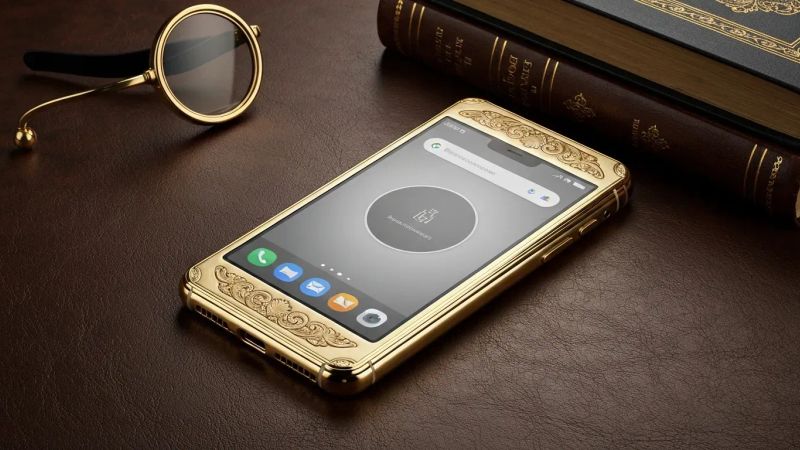
Key Decision-Making Criteria
To structure your decision, use a checklist to compare potential timepieces. This ensures no critical detail is overlooked in the excitement of the acquisition.
| Evaluation Factor | What to Look For |
|---|---|
| Authenticity | Verify serial numbers, logos, engravings, and movement quality. Seek professional authentication if in doubt. |
| Condition | Examine the case, crystal, dial, and bracelet for scratches or damage. Assess the movement's timekeeping accuracy. |
| Provenance | Look for original "box and papers," including the warranty card, manual, and sales receipts. These documents significantly enhance value. |
| Service History | A documented service history from an authorised centre indicates proper care and maintenance of the delicate internal mechanics. |
| Seller Reputation | Purchase only from reputable dealers, authorised retailers, or trusted platforms with clear authenticity guarantees and return policies. |
Expert Insight: The true value of a luxury timepiece lies in its uncompromising commitment to materials and engineering. For instance, brands that create bespoke pieces, such as the VERTU Grand Watch in Bespoke Gold, exemplify a dedication to exclusivity and precision that transcends mass production. When assessing a preowned watch, consider the materials used—such as high-grade ceramic in the Vertu Grand Watch - Black Ceramic or the intricate detailing of limited editions like the VERTU Fusion Hamlet Design Diamond Watch. These elements are not just aesthetic; they are indicators of the watch's intended longevity and its place within the highest tier of horology. An educated buyer recognises that these material choices are fundamental to the watch's identity and future value.
What to Know Before Finalising Your Decision
Before committing to a purchase, there are a few final considerations that separate a good acquisition from a great one. Understanding the market dynamics and the nuances of ownership will empower you to make a choice with confidence. The preowned market is vast, encompassing everything from robust smartwatches like the Fusion Black Diamond Smartwatch to classic mechanical pieces like the Vertu Grand Watch.
Here are three essential points to reflect on:
- Market Value vs. Personal Value: While some watches are excellent financial investments, your primary motivation should be personal enjoyment. Research the current market rate for the model you are considering to ensure a fair price, but ultimately, choose a watch that resonates with your personal style.
- The Importance of "Box and Papers": The presence of the original box and official documentation is paramount. These items, often referred to as a "full set," confirm the watch's provenance and can add 20-30% to its resale value. It is the single most effective way to verify that a watch is authentic and has a clear history.
- Future Servicing Costs: Luxury watches are complex machines that require periodic maintenance. A standard service for a high-end mechanical watch can be costly. Factor in the potential for future servicing costs into your budget, especially if the watch does not have a recent service history.
A thoughtful approach to these final checks will ensure your new timepiece is a source of pride and reliability for years to come. By carefully evaluating each aspect, from its history to its future needs, you are not just buying a watch but becoming the next custodian of a fine horological instrument. For those interested in exploring curated examples of fine watchmaking, the collections available on the official VERTU site offer a benchmark for quality and design.
Frequently Asked Questions
1. What are the main advantages of buying preowned luxury watches?
The primary advantages are value, variety, and accessibility. Preowned watches often hold their value better than new ones, offer access to rare or discontinued models, and allow you to acquire a high-end timepiece at a more approachable price point.
2. How can I be sure a preowned luxury watch is authentic?
To ensure authenticity, always buy from a reputable and trusted dealer. Insist on seeing the original box and papers, check for matching serial numbers, and have the watch inspected by a certified watchmaker or official brand service centre if you have any doubts.
3. Does a preowned luxury watch come with a warranty?
This depends on the seller. Reputable dealers often provide their own limited warranty, typically for 12 to 24 months, covering the movement's functionality. Some newer preowned watches may still be covered by the manufacturer's original warranty.
4. What do "box and papers" mean?
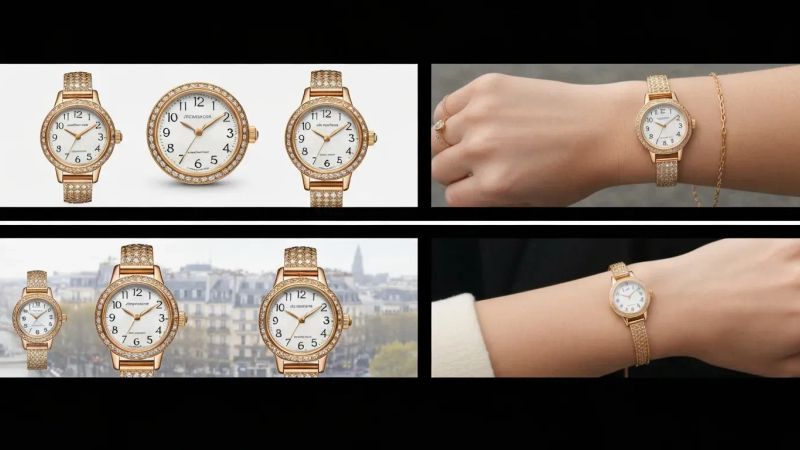
"Box and papers" refers to the original presentation box, warranty card/certificate, instruction manuals, and any other documentation that came with the watch when it was first sold. This complete set is crucial for verifying provenance and maximising the watch's value.
5. Is it better to buy a vintage or a modern preowned watch?
The choice depends on your personal preference. Vintage watches (typically over 20-30 years old) offer historical significance and unique character but may require more delicate care. Modern preowned watches provide contemporary technology, materials, and durability, often with more readily available parts for servicing.
6. How often should a preowned mechanical watch be serviced?
Most luxury watch manufacturers recommend a full service every 5 to 10 years, depending on the model and its complexity. Regular servicing ensures the movement remains lubricated, accurate, and free from wear, preserving its function and value over the long term.
This guide provides a complete view of Complete Guide to Preowned Luxury Watches, helping you make an informed decision.