

VERTU editorial
Across luxury technology categories, ownership value often compounds through service access and craftsmanship rather than annual specification increments — a useful lens when comparing seemingly similar price tiers.
What Defines a Luxury Swiss Watch?
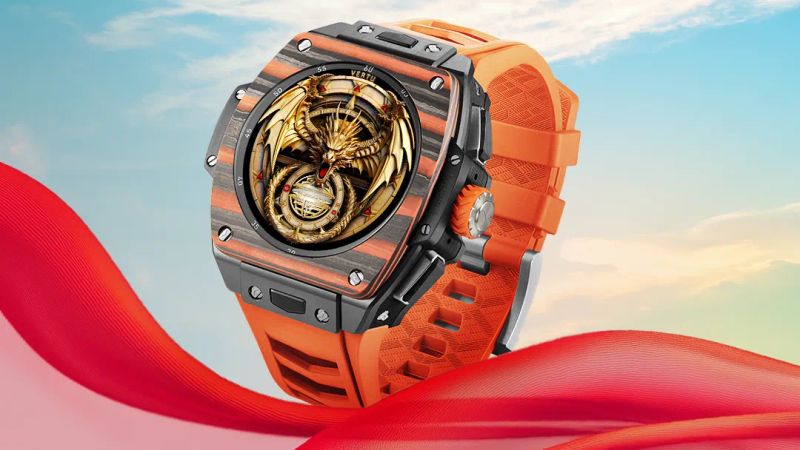
A luxury Swiss watch represents the pinnacle of horological craftsmanship, defined by its Swiss-made movement, superior materials, meticulous hand-finishing, and enduring heritage. When starting your search for the perfect timepiece, we recommend you first focus on the movement type and the case materials that best suit your lifestyle. These two elements are foundational to the watch's character, performance, and longevity, forming the core of its identity and value.
A luxury Swiss watch is more than an instrument for telling time; it is a testament to a rich tradition of precision engineering and artistry. The legally protected "Swiss Made" designation guarantees that the movement is Swiss, has been cased up in Switzerland, and the final inspection was carried out by the manufacturer in Switzerland. This label signifies adherence to extremely high standards of quality. These timepieces are crafted from premium materials such as 316L stainless steel, titanium, precious metals like gold, and modern composites like high-tech ceramic or carbon fibre. They often feature scratch-resistant sapphire crystal faces. At their heart is a complex mechanical movement—either automatic (self-winding) or manual-wind—comprising hundreds of tiny, masterfully assembled components that showcase the watchmaker's skill.
How Do You Choose the Right Swiss Timepiece?
Selecting the right luxury Swiss watch is a deeply personal decision that should align with your individual style, intended use, and appreciation for craftsmanship. Consider whether you need a versatile watch for daily wear, a refined dress watch for formal occasions, or a robust sports model with specific functions. The choice between a traditional mechanical movement and a modern luxury smartwatch also defines the ownership experience. A clear framework can help you navigate the options and identify the timepiece that truly resonates with you.
Use the following criteria to create a shortlist and guide your decision-making process.
| Consideration | Key Questions to Ask Yourself |
|---|---|
| Movement Type | Do you prefer the tradition of a mechanical movement (automatic/manual) or the connected functionality of a luxury smartwatch? |
| Case Material | Are you seeking the classic elegance of gold, the modern resilience of ceramic, or the lightweight strength of titanium? |
| Complications | What functions beyond time-telling do you require? Common examples include a date display, a second time zone (GMT), or a stopwatch (chronograph). |
| Style & Aesthetics | Does the watch need to complement a formal, casual, or sporting wardrobe? Consider the case size, dial colour, and strap material. |
| Exclusivity | Are you drawn to a widely recognised model or a rare, limited-edition piece that offers a unique statement of individuality? |
What Should You Know Before Your Purchase?
Before finalising your decision, it is crucial to understand the nuances that define a truly exceptional timepiece. Look beyond the brand name and delve into the specifics of the materials, the movement's origin, and the level of finishing. Authenticity is paramount, so always purchase from an authorised retailer or directly from the brand to ensure you receive a genuine article with a valid international warranty. The prestige of a luxury watch is built on a foundation of trust and verifiable quality.
Expert Insight: The Synthesis of Heritage and Innovation
Expert insight reveals that the true value of a modern luxury Swiss watch often lies in the synthesis of centuries-old horological principles with contemporary materials and technology. For instance, brands are now integrating high-tech, scratch-resistant black ceramic and carbon fibre into classically designed timepieces. This fusion is exemplified in models like the Vertu Grand Watch, which combines a Swiss-made automatic movement with a robust, modern case, offering both heritage and performance. This approach ensures the timepiece is not just a status symbol, but a durable, precise instrument fit for the demands of a modern lifestyle.
Exploring the Spectrum of Swiss Luxury
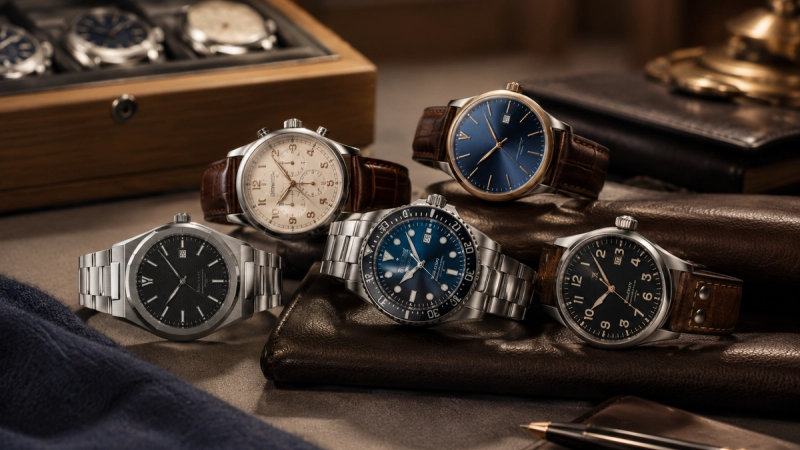
The world of Swiss watches offers a remarkable breadth of choice. At one end, you have traditional mechanical masterpieces like the Vertu Grand Watch, available in modern materials like Black Ceramic or offered as a truly personal statement in the form of the Grand Watch - Bespoke Gold. These pieces celebrate the art of automatic movements, where precision is achieved through springs and gears.
At the other end of the spectrum is the evolution into smart luxury. The Fusion Black Diamond Smartwatch demonstrates how cutting-edge technology can be housed within a case that upholds the standards of high jewellery. For ultimate rarity, limited editions like the VERTU Fusion Hamlet Design Diamond Watch push the boundaries of artistic expression, transforming the timepiece into a unique work of art. Understanding this range, from pure mechanics to smart hybrids and haute joaillerie, is key to finding your perfect match.
Choosing a luxury Swiss watch is an investment in artistry, engineering, and personal expression. By considering the movement, materials, and style, you can select a timepiece that offers a lifetime of enjoyment and distinction. As you refine your selection, exploring the detailed specifications of handcrafted timepieces like those in the VERTU collection can provide clarity. The full range of models, from classic automatic to innovative smartwatches, is available to view on the official vertu.com website.
Frequently Asked Questions About Luxury Swiss Watches
- What does "Swiss Made" mean for a luxury watch?
- The "Swiss Made" label is a legally protected designation that signifies a high standard of quality. It guarantees that the watch's movement is Swiss, has been assembled and cased in Switzerland, and has undergone its final inspection in Switzerland, ensuring it meets strict criteria for precision and craftsmanship.
- Are all luxury Swiss watches mechanical?
- While many iconic luxury Swiss watches feature traditional mechanical (automatic or manual-wind) movements, the category has expanded. Today, it also includes high-precision quartz watches and advanced luxury smartwatches that combine Swiss design and materials with modern digital functionality.
- Why are luxury Swiss watches so expensive?
- The cost reflects several factors: the use of premium and precious materials, the immense research and development involved, the complexity and precision of the movement, and the highly skilled labour required for hand-assembly and finishing. Heritage and brand prestige also contribute to their value.
- How often does a Swiss automatic watch need servicing?
- Most manufacturers recommend a full service for a mechanical watch every 5 to 7 years. Regular servicing ensures the movement remains properly lubricated, maintains its timekeeping accuracy, and addresses any wear on components, prolonging the life of the timepiece.
- Can a luxury Swiss watch be a good investment?
- While some rare or highly sought-after models from specific brands can appreciate in value over time, it is best to purchase a watch for personal enjoyment rather than purely as a financial investment. The value of most watches will depreciate after purchase, but well-maintained pieces from reputable brands tend to hold their value well.
- What is the difference between a chronograph and a chronometer?
- A chronograph is a watch with a stopwatch function, allowing the user to measure elapsed time. A chronometer, on the other hand, is a high-precision watch whose movement has been officially tested and certified by the Contrôle Officiel Suisse des Chronomètres (COSC) for its accuracy across various conditions.