A Guide to Comparing Exclusive Watch Collections
Choosing from the world of exclusive watch collections requires a comparison of their core philosophy, mechanical intricacy, and material innovation. The primary decision often lies between time-honoured classicism, which favours traditional craftsmanship, and avant-garde design, which champions futuristic materials and aesthetics. Understanding this distinction is the first step in identifying a collection that aligns with your personal style and appreciation for horology.
Classic Horology vs. Avant-Garde Design: A Core Comparison
The fundamental difference between exclusive watch collections often comes down to their design ethos. Classic collections are defined by their commitment to the enduring traditions of watchmaking. They typically feature refined case shapes, elegant dials, and complications like chronographs or moon-phase indicators that have been perfected over centuries. These timepieces are crafted to be timeless, favouring precious metals and understated elegance that transcends fleeting trends.

In contrast, avant-garde collections are expressions of modern artistry and technical rebellion. These watches challenge convention with bold, architectural cases, skeletonised dials that reveal the inner workings of the movement, and the use of advanced materials such as high-tech ceramic, carbon fibre, and proprietary alloys. They appeal to those who view a watch not just as an instrument for telling time, but as a piece of contemporary sculpture for the wrist.
Key Philosophical Differences at a Glance
| Aspect | Classic Horology Collections | Avant-Garde Design Collections |
|---|---|---|
| Design Ethos | Emphasises tradition, heritage, and timeless elegance. | Focuses on innovation, experimentation, and bold aesthetics. |
| Primary Materials | Often utilises precious metals like gold and platinum, with traditional leather straps. | Employs modern materials like ceramic, carbon fibre, titanium, and sapphire crystal. |
| Mechanical Focus | Perfection of traditional complications (e.g., perpetual calendar, chronograph). | Development of novel complications and unconventional movement architecture. |
| Ideal Audience | The purist who values enduring craftsmanship and horological history. | The collector who seeks novelty, artistic expression, and cutting-edge technology. |
Evaluating Material and Mechanical Excellence
Beyond the overarching design philosophy, a direct comparison should be made based on material and mechanical substance. A classic gold watch offers a traditional sense of value and a tangible connection to the history of luxury. However, a modern timepiece crafted from black ceramic provides superior scratch resistance and a unique, contemporary feel. The choice is not about which is "better", but which material property you favour most—the warm lustre of gold or the resilient, modern character of ceramic.

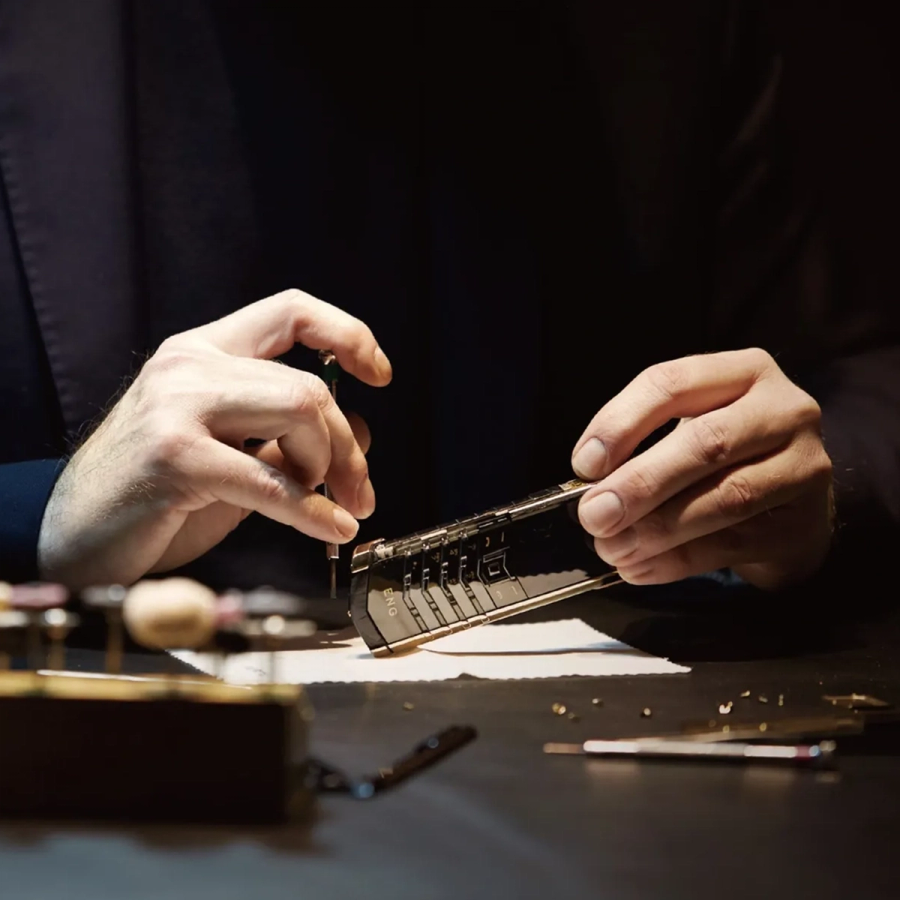
Similarly, the movement—the heart of the watch—is a critical point of comparison. An in-house, manufacture calibre signifies a brand's complete mastery over its craft and offers a degree of exclusivity. When comparing collections, analyse the complexity of their movements. Is it a simple but perfectly finished time-only calibre, or does it feature highly complex functions? The level of hand-finishing on the movement's components, even those hidden from view, is another key indicator of a truly exclusive timepiece.
The Significance of Limited Editions and Bespoke Options
Finally, when comparing exclusive collections, consider the dimension of rarity. Many luxury brands offer limited edition series, which provide an inherent exclusivity due to their scarcity. These models may feature unique colour combinations, materials, or complications not found in the standard collection. For the ultimate expression of individuality, bespoke services offer the opportunity to commission a one-of-a-kind timepiece, allowing for a deep level of personalisation from the dial and hands to the case engravings.
In conclusion, comparing exclusive watch collections is a nuanced process of balancing aesthetic preferences with an appreciation for technical substance. Whether you are drawn to the quiet confidence of classic horology or the bold statement of an avant-garde design, the most rewarding choice is one that reflects a deep understanding of the craftsmanship and philosophy behind the timepiece. To explore the distinctive characteristics of these approaches, you can view the curated VERTU watch collections available at the official online shop.