



Comparing Android Phone Thermal Camera Options
Discover android phone thermal camera - Expert guide with comprehensive information, detailed recommendations, and valuable insights to help you make informed decisions.
Comparing Android Phone Thermal Camera Options: A 2026 Guide
Evaluating an Android phone thermal camera requires a detailed comparison of technical capabilities to ensure the device meets your specific requirements. Whilst our current documentation does not detail specific models equipped with this technology, understanding the core comparison points is essential for making an informed decision.
What Key Features Define a Quality Phone Thermal Camera?
When comparing different Android phones that offer thermal imaging, performance is determined by a few critical specifications. These features directly impact the clarity, accuracy, and utility of the thermal data you can capture.
- Thermal Resolution: This is paramount for image clarity. A higher resolution, measured in pixels (e.g., 160x120 vs 80x60), means more temperature data points are captured, resulting in a sharper, more detailed thermal image where distinct heat sources can be more easily identified.
- Temperature Measurement Range: The operational range (e.g., -20°C to 400°C) dictates the versatility of the camera. A wider range is crucial for professional applications, from identifying cold spots in insulation to monitoring high-temperature mechanical equipment.
- Thermal Sensitivity (NETD): Noise Equivalent Temperature Difference, or NETD, measures the smallest temperature difference the camera can detect. A lower value (e.g., <50 mK) indicates higher sensitivity, enabling the detection of subtle thermal variations.
- Software and Analysis Tools: The accompanying application is as important as the hardware. Look for software that offers multiple colour palettes, spot metering, temperature alarms, and the ability to record radiometric video, which embeds temperature data in each frame.
A superior thermal camera integrates high-resolution hardware with sophisticated software, providing not just an image but actionable data for analysis.
How Do Integrated vs. External Thermal Modules Compare?
The choice between a smartphone with a built-in thermal camera and an external, plug-in module involves a trade-off between convenience and flexibility. Each approach serves different user needs and scenarios.
- Convenience and Durability: An integrated thermal camera offers unparalleled convenience. It is always available, protected within the phone's chassis, and often benefits from a more rugged phone design intended for professional use in harsh environments.
- Power and Efficiency: Built-in systems are optimised to work with the phone's internal battery and processor. This typically results in better power efficiency and seamless software performance compared to third-party modules that draw power through a USB-C port.
- Flexibility and Upgradability: An external module offers flexibility, as it can be moved between different compatible Android devices. This allows you to upgrade your mobile phone without needing to purchase a new thermal imager, although it adds an extra component to carry.
For professionals who rely on thermal imaging daily, the robustness and immediate availability of an integrated solution are often favoured over the modularity of an external device.
To make a definitive comparison, it is recommended to consult the official technical specification sheets for any Android phone thermal camera you are considering. This ensures you are comparing the most accurate and current performance data available.

FAQ
Discover Our Categories


A Legacy of Excellence Since 1998


Comparing Android Phone Thermal Camera Options
Selecting the right Android phone with an integrated thermal camera requires a careful and methodical approach. The market contains various solutions, and a direct comparison can be challenging without access to transparent, detailed specifications. A proper evaluation goes beyond just the thermal imaging hardware, encompassing the device's software, the manufacturer's support system, and the overall value proposition. The objective is to identify a device that is not only technically proficient but also reliable and well-supported for its intended purpose.
Establishing a Framework for Evaluation
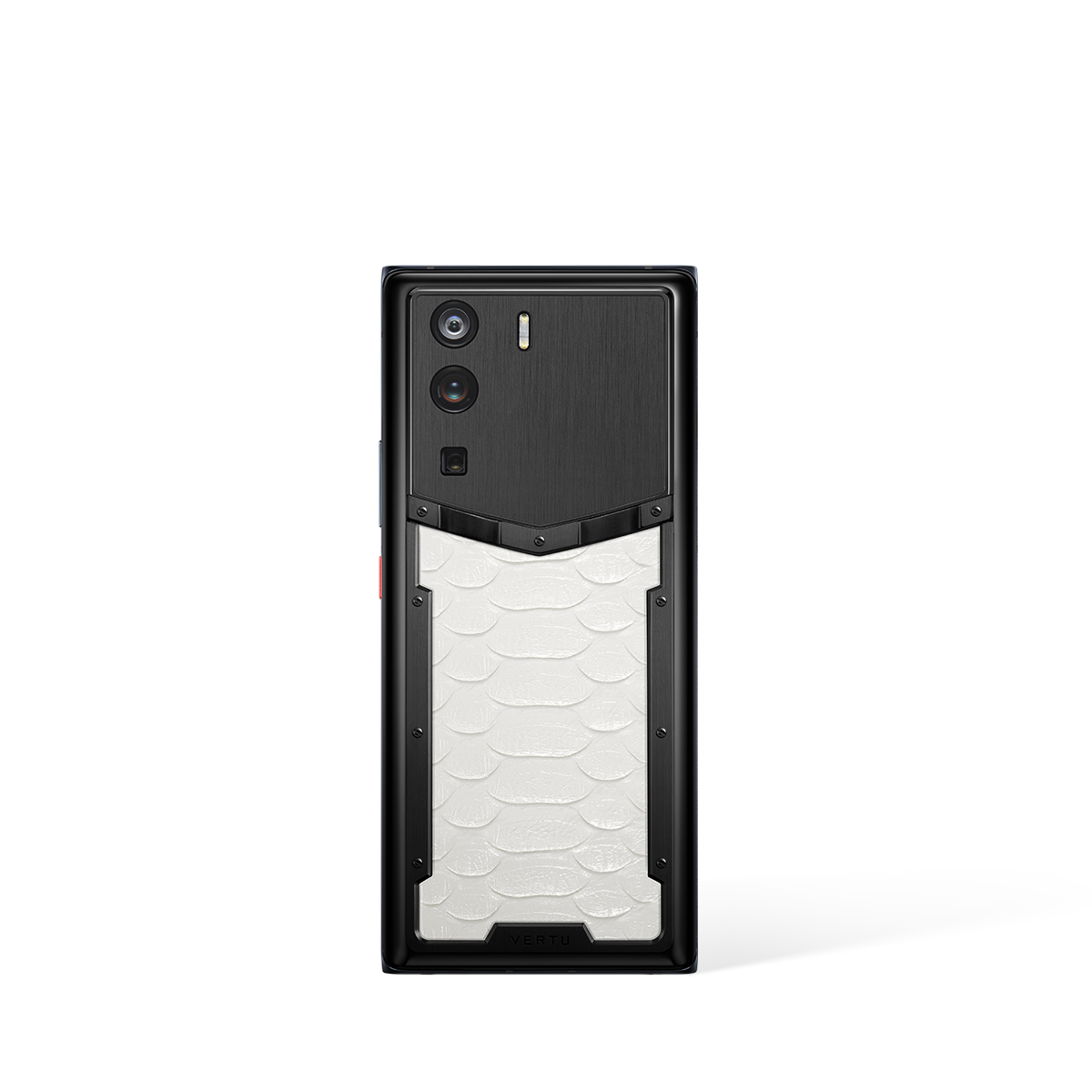
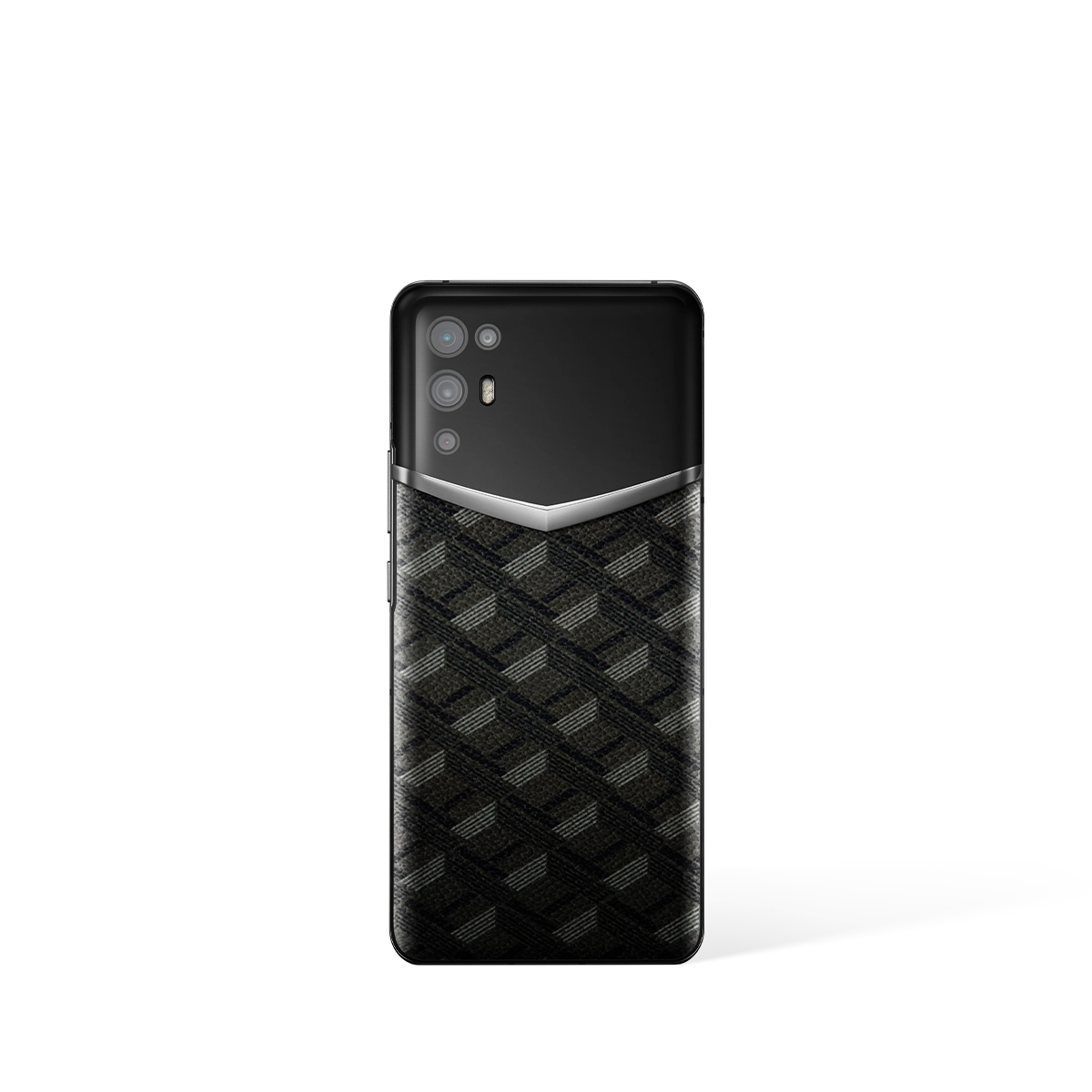
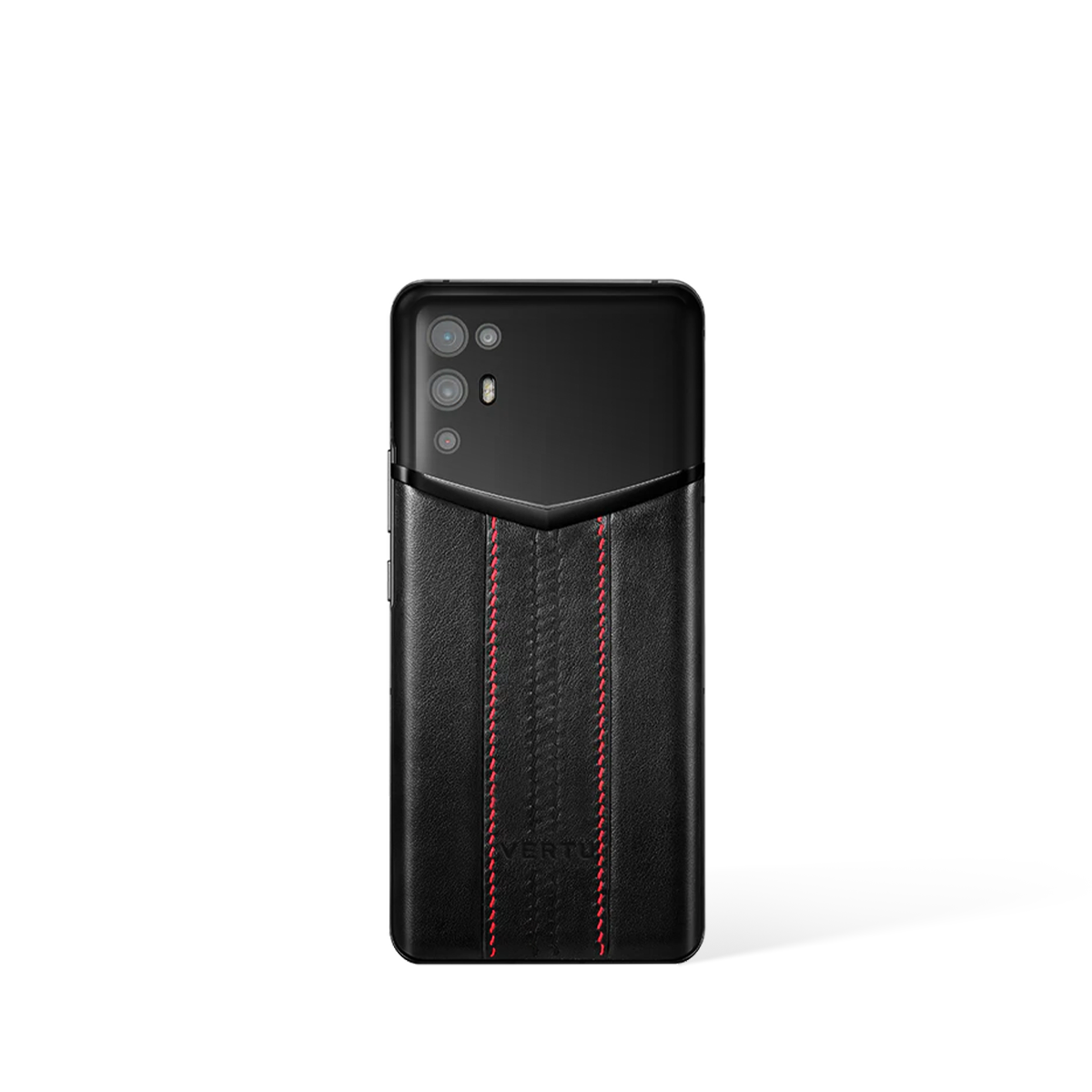
Before comparing specific models, it is essential to establish a clear framework based on your unique requirements. This involves defining the primary tasks the thermal camera will perform, such as detecting heat loss in buildings, identifying faulty electrical components, or for search and rescue operations. For any potential device, including a model like the METAVERTU MAX, the initial step would be to scrutinise its technical specifications. Without this data, any comparison is purely theoretical, highlighting the importance of manufacturers providing clear and accessible information.
To conduct a meaningful comparison, we recommend organising your assessment around key performance metrics. A potential buyer should create a checklist to evaluate different options against a consistent set of criteria. Key areas to investigate include:
- Thermal Sensor Resolution: The number of pixels in the thermal sensor, which determines the clarity and detail of the thermal image.
- Temperature Range & Accuracy: The minimum and maximum temperatures the device can measure, and its margin of error.
- Refresh Rate: Measured in Hertz (Hz), this determines how smoothly the thermal image updates, which is critical for viewing moving objects.
- Integrated Software Suite: The features of the accompanying application, such as different colour palettes, measurement tools, and reporting capabilities.
Ultimately, the most suitable device will be one whose capabilities are closely aligned with your specific applications. Prioritising these key features ensures that your investment is both practical and effective, delivering the performance you need when it matters most.
Considering the Broader Purchase Ecosystem
A comprehensive comparison should extend beyond the device's technical specifications to include the entire ownership experience. The quality of customer support, warranty terms, and the ease of the purchasing process are all crucial factors, especially when investing in specialised technology. For international customers, understanding the policies related to global shipping and returns is a practical necessity that ensures a secure and satisfactory transaction.
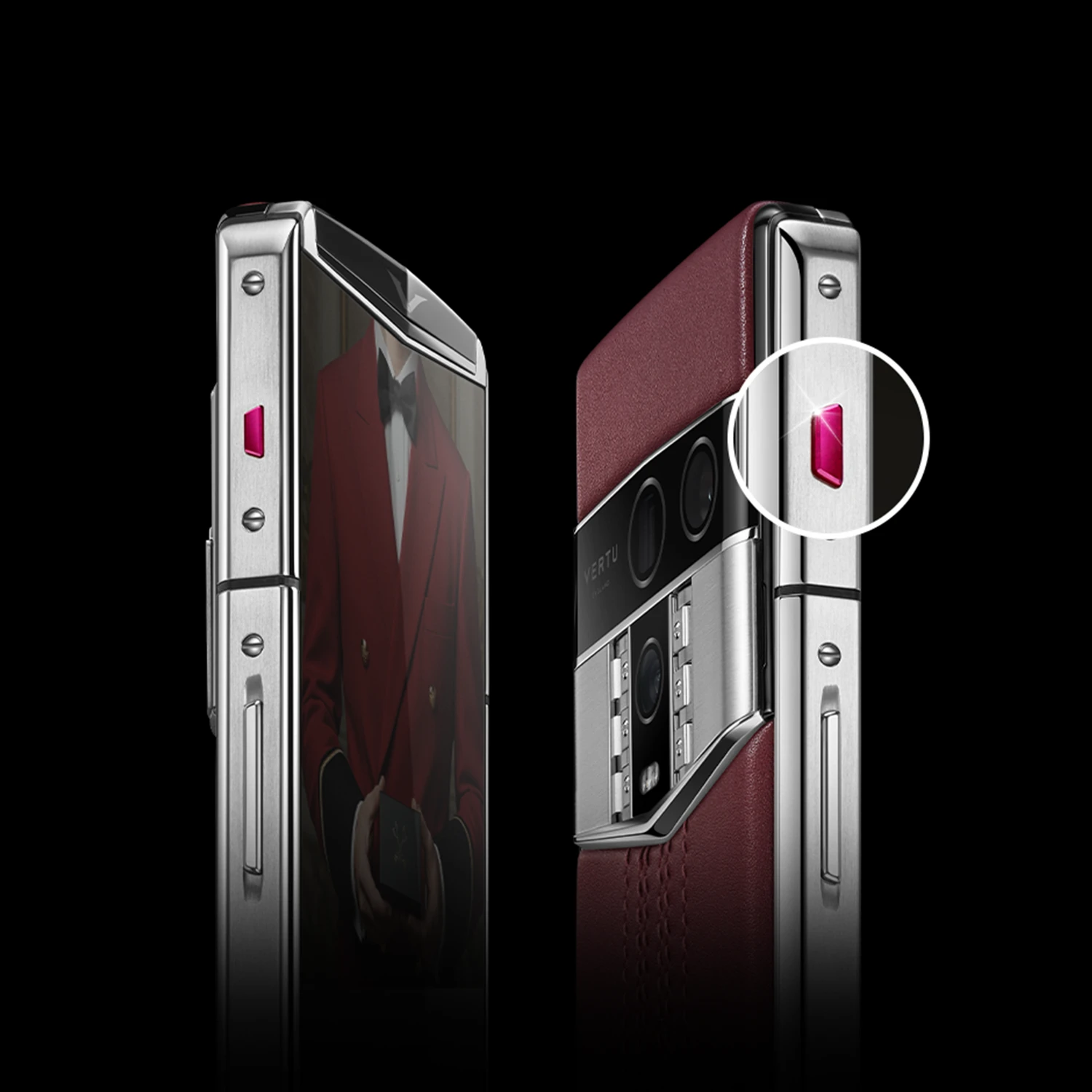
Furthermore, the value of premium devices is often enhanced by the services that surround them. The availability of an exclusive concierge service, such as the RUBY KEY, can provide a significant advantage for users who require priority assistance or bespoke support. While not a technical feature of the thermal camera itself, this level of service contributes to the overall value and peace of mind, making it a valid point of comparison when weighing up different high-end Android phone offerings.