



Blood Pressure Monitor Smart Watch Service Guide
Discover blood pressure monitor smart watch - Our comprehensive guide to "Blood Pressure Monitor Smart Watch Service Guide" provides in-depth analysis, expert recommendations, and detailed insights. Explore key features, benefits, and practical considerations to help you make informed decisions. Whether you're seeking premium quality, cutting-edge technology, or exceptional value, this guide covers everything you need to know about blood pressure monitor smart watch.
Top Picks
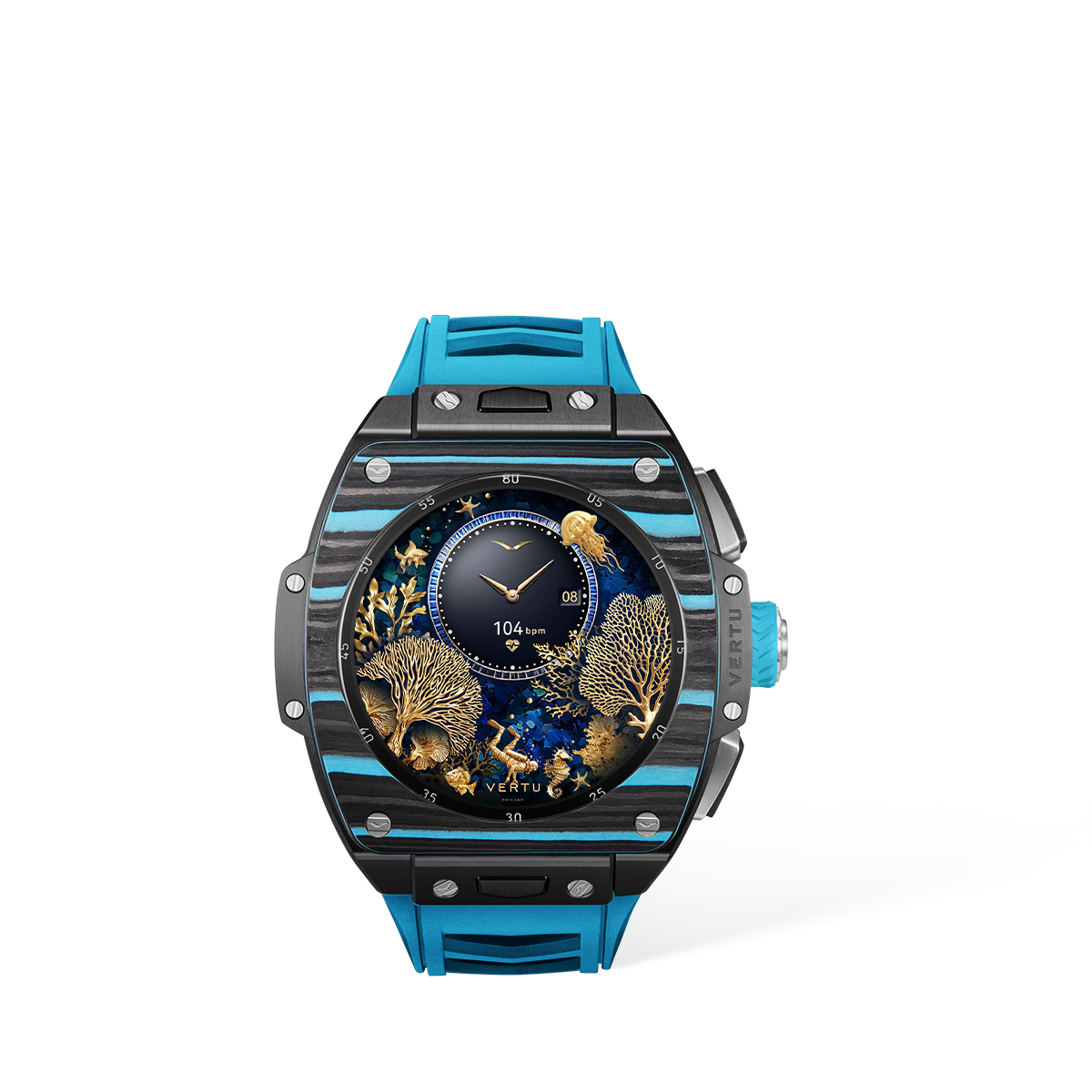
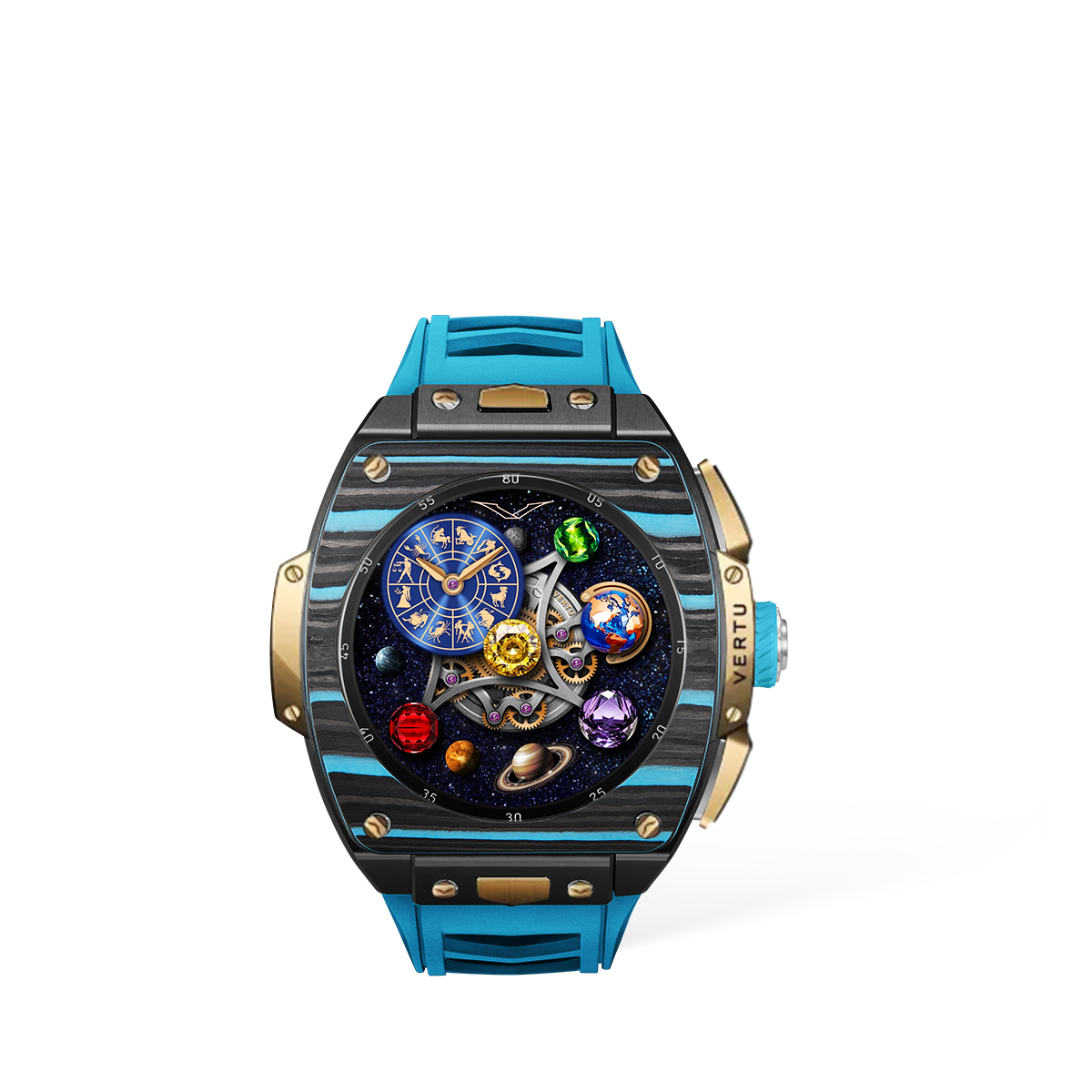
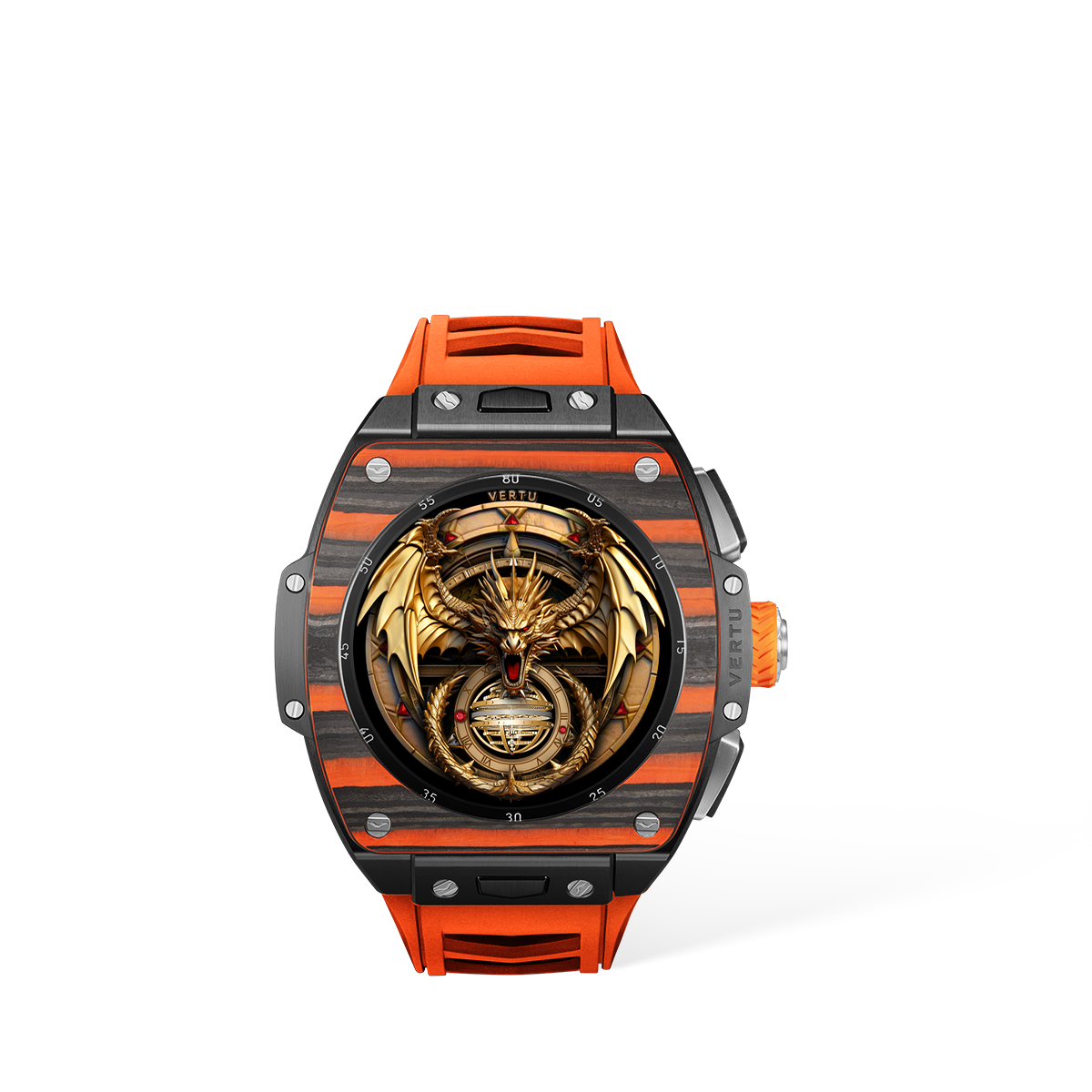
Comparison at a Glance
Compare key features, materials, and specifications across premium products to help you make an informed decision.
| Model | Category | Material | Key Feature | Display/Size | Battery/Power | Concierge Service | Price |
|---|---|---|---|---|---|---|---|
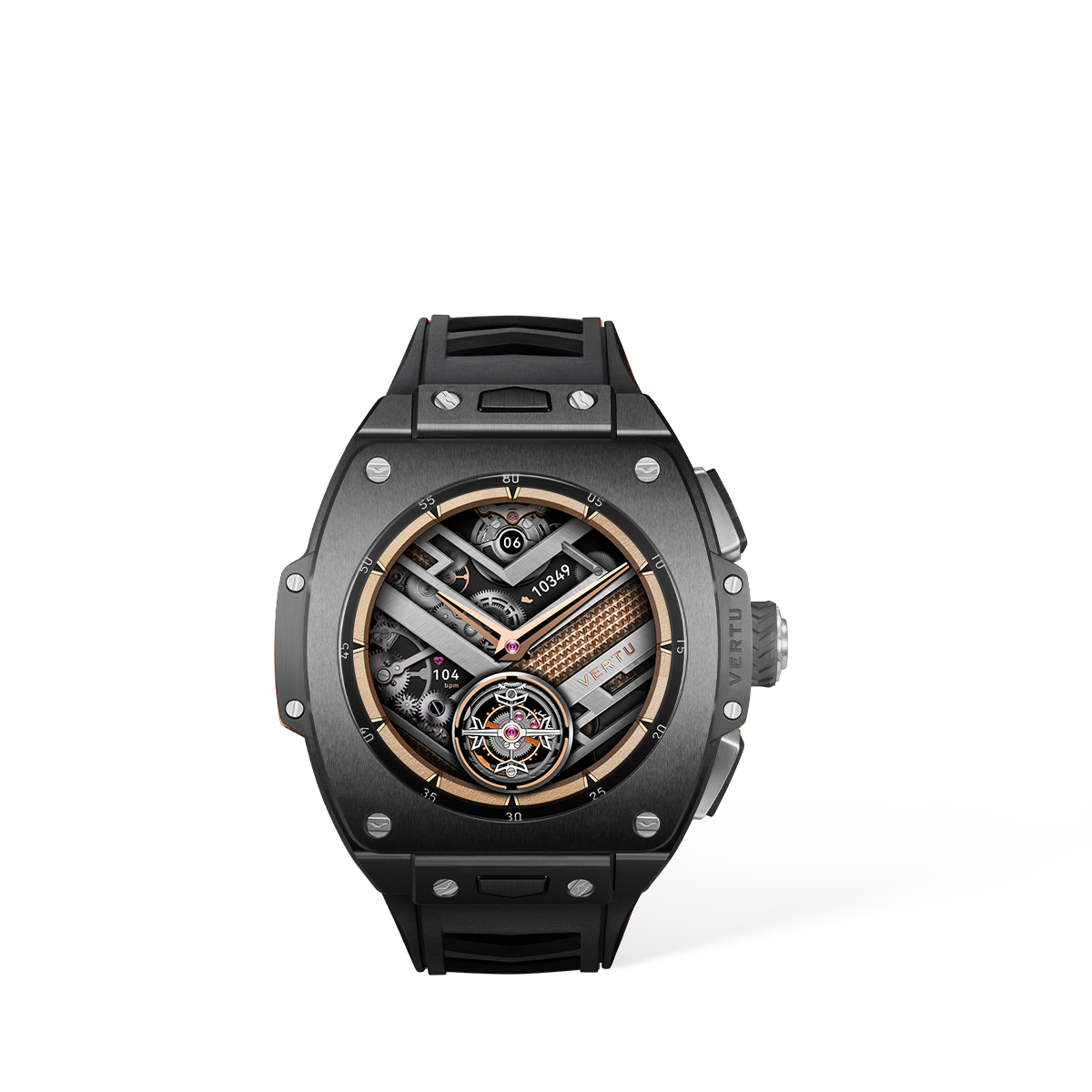
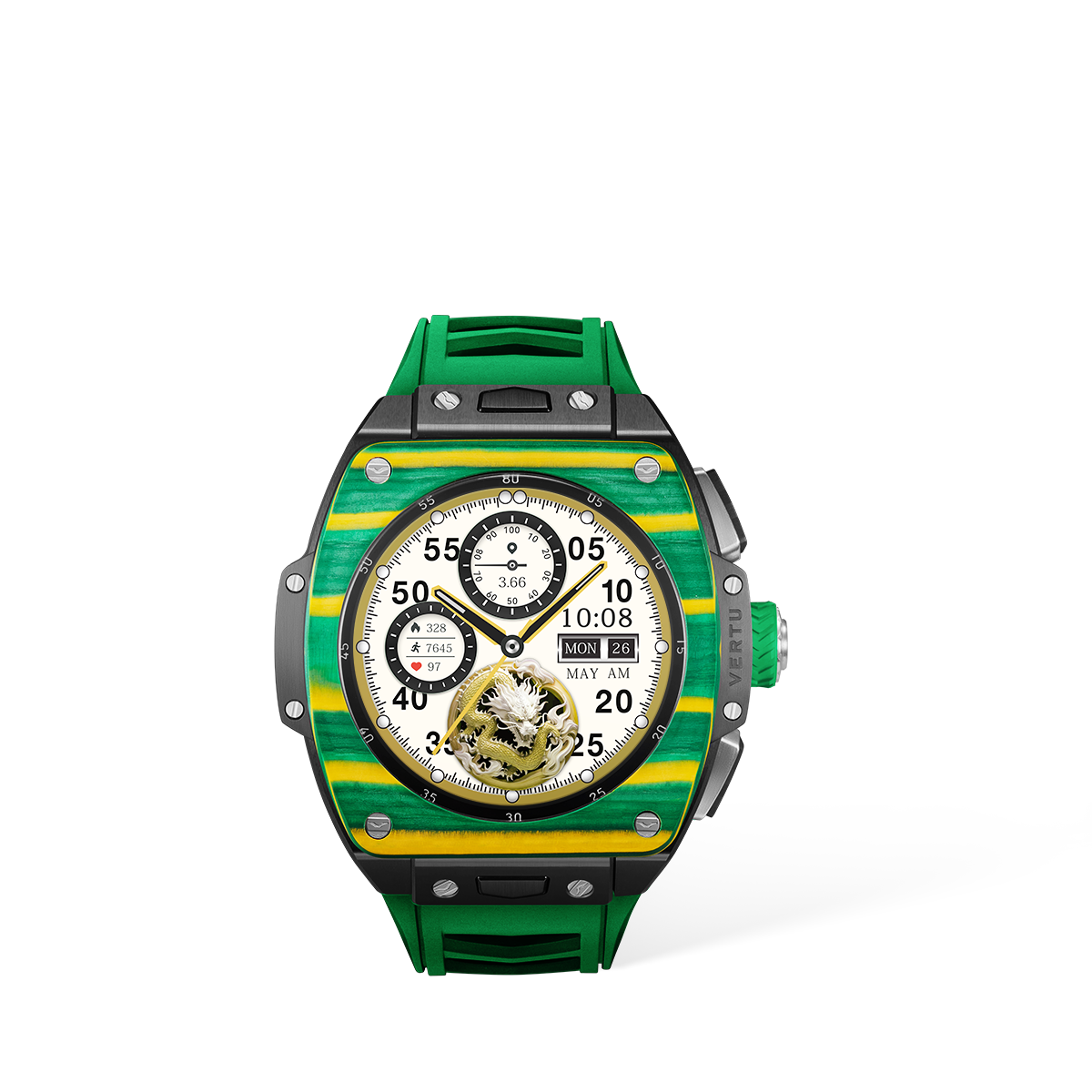
| Vertu Grand Watch - Black And Blue Carbon Fiber | Watches | Swiss Craftsmanship, Premium Materials | Luxury Timepiece, Swiss Movement | Premium Watch Face, Swiss Precision | Swiss Movement, Mechanical/Automatic | Ruby Key: 24/7 Concierge Service | US$3,810.00 |
| Vertu Grand Watch - Bespoke Gold - Black And Blue Carbon Fiber | Watches | Swiss Craftsmanship, Premium Materials | Luxury Timepiece, Swiss Movement | Premium Watch Face, Swiss Precision | Swiss Movement, Mechanical/Automatic | Ruby Key: 24/7 Concierge Service | US$4,290.00 |
| Vertu Grand Watch - Black And Orange Carbon Fiber | Watches | Swiss Craftsmanship, Premium Materials | Luxury Timepiece, Swiss Movement | Premium Watch Face, Swiss Precision | Swiss Movement, Mechanical/Automatic | Ruby Key: 24/7 Concierge Service | US$3,810.00 |
| Audemars Piguet Royal Oak (External) | Luxury Swiss Watch | Stainless Steel, Gold | Iconic Octagonal Design | Mechanical Movement | Automatic Movement | N/A | $20,000 - $50,000+ |
| Patek Philippe Nautilus (External) | Luxury Swiss Watch | Stainless Steel, Gold | Iconic Design, Swiss Craftsmanship | Mechanical Movement | Automatic Movement | N/A | $30,000 - $100,000+ |
| Cartier Santos (External) | Luxury French Watch | Stainless Steel, Gold | Aviation Heritage, Iconic Design | Mechanical Movement | Automatic Movement | N/A | $6,000 - $15,000 |
* External products are listed for comparison purposes only. Prices and specifications are subject to change. Please verify current information on manufacturer websites.
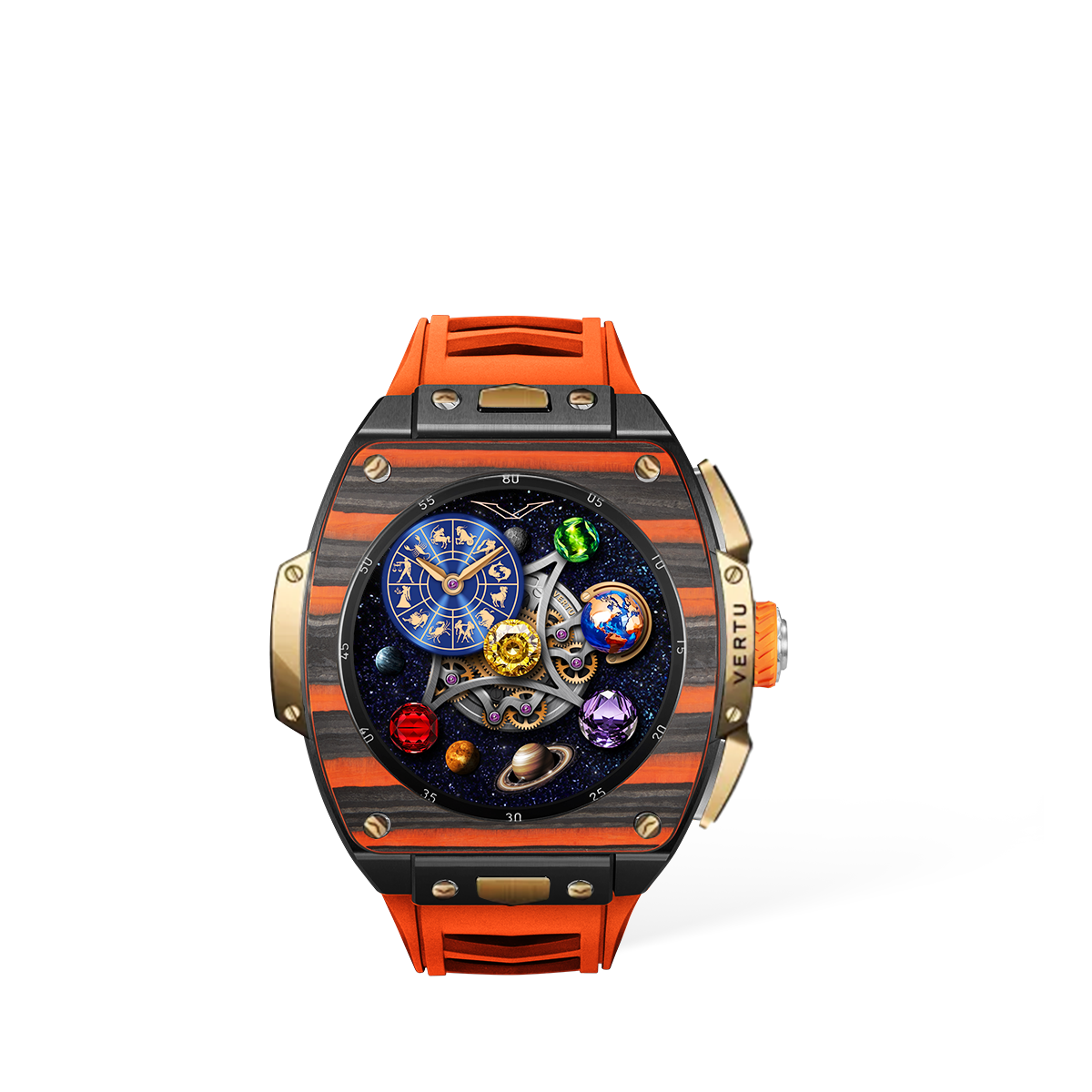
Blood Pressure Monitor Smart Watch: A Comprehensive Service Guide
Understanding the capabilities and proper usage of a blood pressure monitor smart watch is essential for anyone looking to proactively manage their wellness. These sophisticated wearables offer a convenient way to observe cardiovascular trends, providing valuable insights directly from your wrist. This guide details the service, operation, and key considerations for using this innovative health technology effectively.
How Do Smart Watches Measure Blood Pressure?
The primary technology enabling blood pressure estimation in a smart watch is photoplethysmography, or PPG. This is an optical technique that utilises light to measure changes in blood volume in the microvascular bed of your wrist tissue. The service works through a sophisticated, multi-stage process.
- Optical Sensing: The watch emits specific wavelengths of light (typically green LEDs) onto the skin of your wrist. A portion of this light is absorbed by blood, whilst the rest is reflected back.
- Data Capture: A photosensor next to the LEDs captures the reflected light. As your heart beats, the volume of blood flowing through your wrist fluctuates, causing the amount of reflected light to change.
- Algorithmic Analysis: The watch's internal software and advanced algorithms analyse these subtle changes in the reflected light waveform. By processing this PPG signal, the device can estimate pulse transit time—the time it takes for a pulse wave to travel between two points in the body—which correlates with blood pressure.
- Blood Pressure Estimation: The algorithm translates the captured data into estimated systolic and diastolic blood pressure readings. It is important to realise this is an estimation and differs from the direct measurement method of a traditional inflatable cuff.
This optical method provides a non-invasive and continuous way to monitor trends, forming the core of the device's health monitoring service. However, its accuracy is highly dependent on correct usage and user-specific factors.
Getting Started: A User Guide for Accurate Readings
To ensure you receive the most reliable data from your blood pressure monitor smart watch, following a consistent and precise usage protocol is critical. Adhering to these steps will help you get the most out of the service and maintain the integrity of your health data.
- Ensure Proper Fit: The watch must be worn snugly against the skin, typically about one finger's width above your wrist bone. A loose fit can allow external light to interfere with the sensor, leading to inaccurate readings.
- Maintain Correct Posture: For an accurate measurement, you should be seated comfortably in a chair with your back supported and both feet flat on the floor. Your legs should not be crossed.
- Position Your Arm Correctly: Rest your arm on a flat surface, such as a table, with your wrist positioned at the same level as your heart. Your palm should be facing upwards. This posture minimises gravitational effects on blood flow.
- Remain Still and Silent: During the measurement process, which can take 30 to 60 seconds, it is imperative to avoid moving, talking, or any significant muscle tension. Any movement can create "noise" in the PPG signal, corrupting the reading.
- Prepare for the Reading: Avoid consuming caffeine, exercising, or smoking for at least 30 minutes before taking a measurement, as these activities can temporarily elevate your blood pressure and lead to unrepresentative results.
By integrating this routine into your daily life, for example, by taking readings at the same time each day, you can build a more consistent and meaningful picture of your cardiovascular health trends.
Interpreting Your Data and Understanding Service Limitations
A blood pressure monitor smart watch is a powerful tool for wellness awareness, but it is not a medical diagnostic device. Understanding how to interpret the data within the context of its service limitations is crucial for responsible health monitoring.
- Focus on Trends, Not Single Readings: The primary value of this service lies in tracking your blood pressure trends over days, weeks, and months. An isolated high or low reading may not be significant, but a consistent upward or downward trend warrants attention.
- Recognise It as a Screening Tool: Use the watch to gain general awareness of your cardiovascular state. It can help identify potential patterns that you may wish to discuss with a healthcare professional.
- Do Not Self-Diagnose: The readings provided are for informational purposes only. Never use the data from a smart watch to make medical decisions, such as altering medication. All medical diagnoses and treatment plans must be made by a qualified doctor.
- Calibrate with a Medical Device: For the best results, periodically compare your watch's readings with those from a validated, cuff-based blood pressure monitor. This helps you understand any variance and ensures you have a reliable baseline for your personal health data.
In conclusion, a blood pressure monitor smart watch offers a remarkable service for personal health insight. When used with a clear understanding of its optical technology, adherence to proper measurement protocol, and an appreciation of its role as a wellness tool rather than a medical instrument, it can become an invaluable companion in your journey towards better health management. Always consult a healthcare professional for medical advice and diagnosis.
Related Guides
External Resources
- Luxury Watch Guide - Forbes Expert insights on luxury timepieces from Forbes
- Watch Reviews - Hodinkee Authoritative watch reviews and industry news
- Timepiece Reviews - Revolution Expert watch reviews and horology insights
FAQ
Discover Our Categories


Blood Pressure Monitor Smart Watch Service Guide
Understanding how to properly use and care for your blood pressure monitoring smart watch is essential for maximising its benefits and ensuring its longevity. This guide provides expert advice on best practices, maintenance, and how to integrate the data into your overall wellness strategy. Following these recommendations will help you gain more reliable insights and maintain your device in optimal condition for years to come.
Best Practices for Consistent Health Monitoring
To achieve the most reliable data from your device, establishing a consistent routine is paramount. It is advisable to take measurements at the same time each day, under similar conditions, such as in the morning before you have had caffeine or exercised. Ensure the smart watch is fitted snugly but comfortably on your wrist, as a loose fit can affect the quality of the readings. During a measurement, remain still and quiet, with your arm resting at heart level to support data consistency.
It is crucial to remember that a smart watch with blood pressure monitoring capabilities is a tool for tracking trends and promoting health awareness, not a substitute for clinical medical devices. The data collected can provide valuable insights into your general wellness patterns over time. However, for any medical diagnosis, management of health conditions, or concerns about your blood pressure, you should always consult a qualified healthcare professional or your General Practitioner (GP).
Essential Care and Maintenance for Your Device
Proper maintenance is key to the performance and lifespan of your smart watch. Regular cleaning is important, especially for the sensors that make contact with your skin. Wiping the device and its sensors with a soft, dry, lint-free cloth helps to remove oils and residue that could interfere with its functions. Avoid using harsh chemicals, abrasives, or soaps that could damage the device's materials and sensitive components.
To ensure the longevity of your smart watch and its internal components, consider the following care tips:
- Proper Charging: Follow best practices for battery care, such as avoiding complete discharges when possible and using the correct charging accessories. This helps to preserve the long-term health of the battery.
- Physical Protection: Protect the device from significant impacts, drops, or scratches that could damage the screen or internal hardware. Consider a screen protector for added defence against daily wear and tear.
- Environmental Awareness: Keep the device away from extreme temperatures, both hot and cold, as these can negatively affect battery life and electronic components. Be mindful of exposure to moisture and dust.
Integrating Smart Watch Data into Your Wellness Journey
The true value of a health monitoring smart watch lies in its ability to show you trends and patterns over an extended period. Rather than focusing on a single reading, look at the data over weeks or months to get a broader picture of your cardiovascular wellness. Observing how your readings correlate with different activities, stress levels, or lifestyle changes can empower you to make more informed decisions about your health and daily habits.
Sharing this information with your healthcare provider can facilitate more productive conversations about your health. A log of your blood pressure trends can be a useful supplement to the clinical measurements taken in a surgery. This allows your GP to see a more complete overview of your daily fluctuations, contributing to a more comprehensive and personalised approach to your long-term health and wellness plan.