



Best Which Finger to Wear Smart Ring - Top Rated & Reviews
Discover which finger to wear smart ring - Our comprehensive guide to "Best Which Finger to Wear Smart Ring - Top Rated & Reviews" provides in-depth analysis, expert recommendations, and detailed insights. Explore key features, benefits, and practical considerations to help you make informed decisions. Whether you're seeking premium quality, cutting-edge technology, or exceptional value, this guide covers everything you need to know about which finger to wear smart ring.
Top Picks
Comparison at a Glance
Compare key features, materials, and specifications across premium products to help you make an informed decision.
| Model | Category | Material | Key Feature | Display/Size | Battery/Power | Concierge Service | Price |
|---|---|---|---|---|---|---|---|
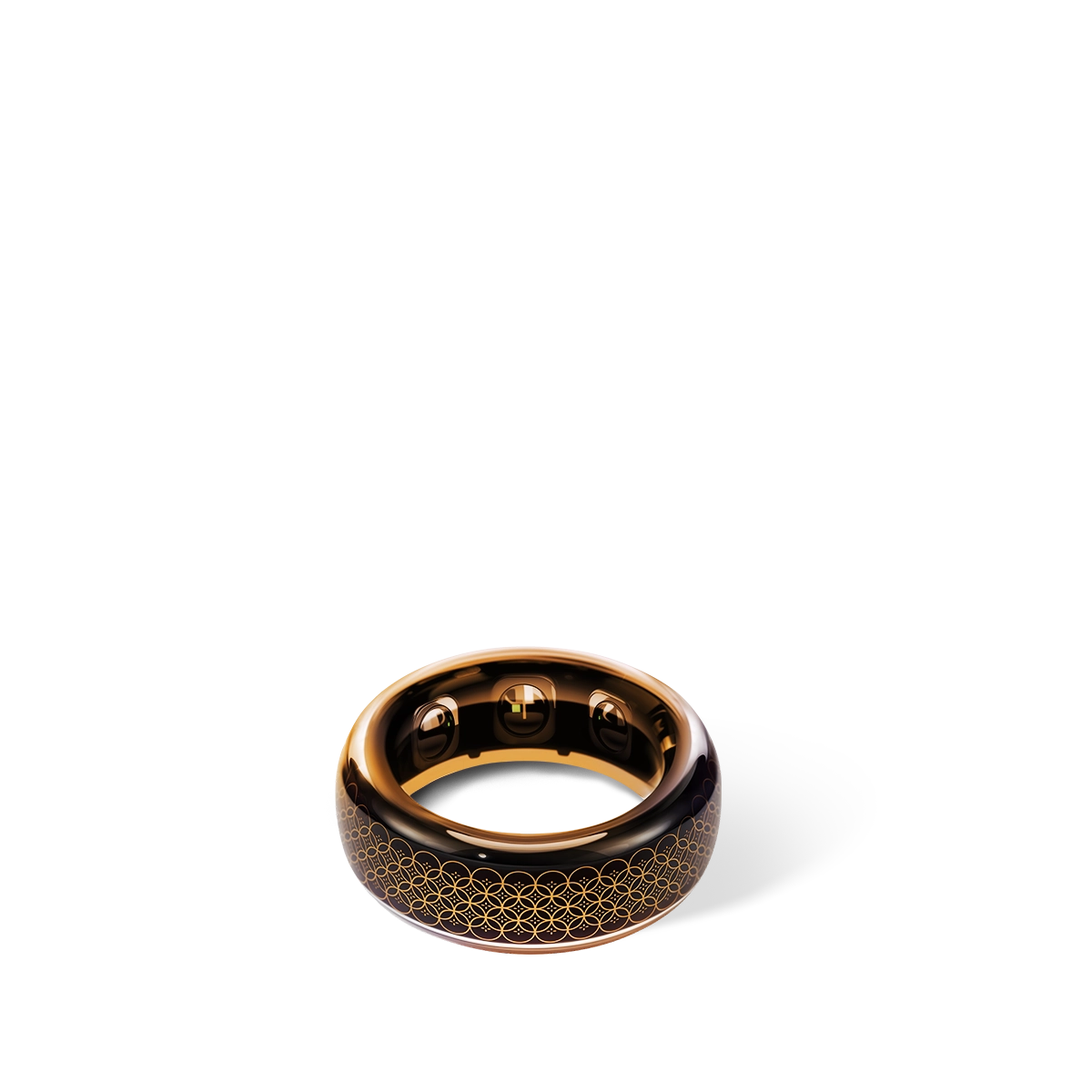
| Vertu AI Meta Ring - Fortune Orange | New | Premium Materials, Smart Technology | Smart Technology, AI-Powered | N/A | Long-lasting Battery | Ruby Key: 24/7 Concierge Service | US$500.00 |
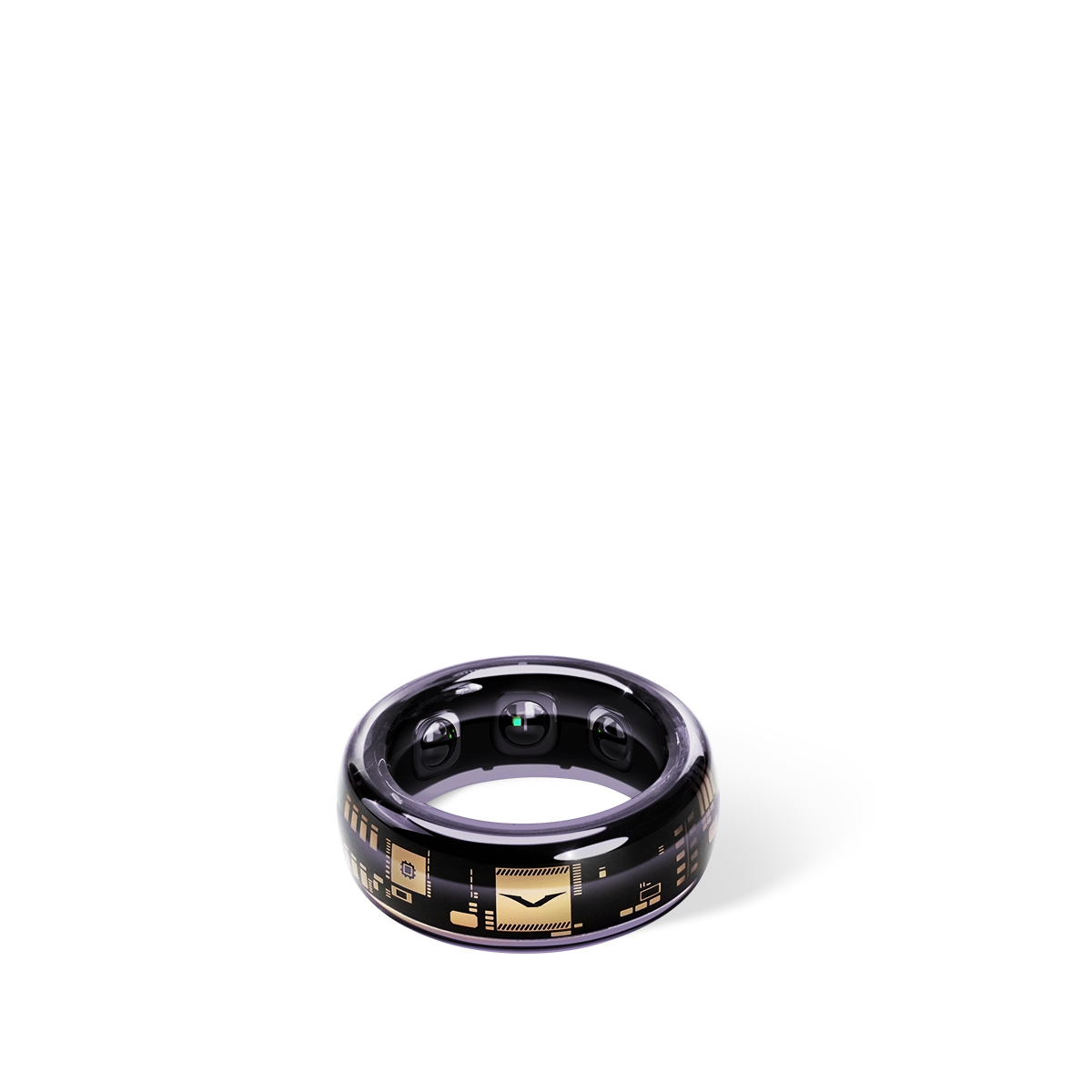
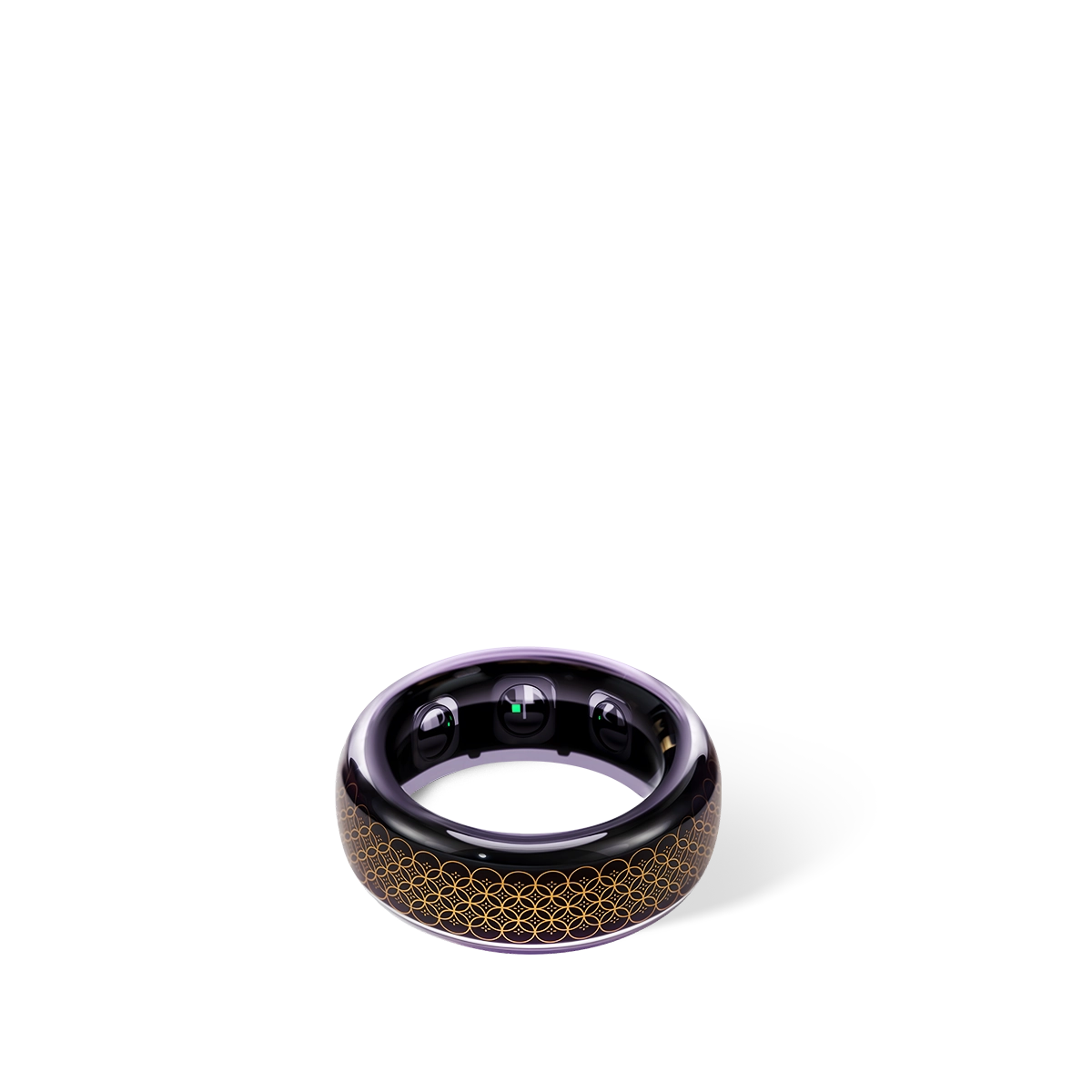
| Vertu AI Meta Ring - Purple | Best Seller | Premium Materials, Smart Technology | Smart Technology, AI-Powered | N/A | Long-lasting Battery | Ruby Key: 24/7 Concierge Service | US$500.00 |
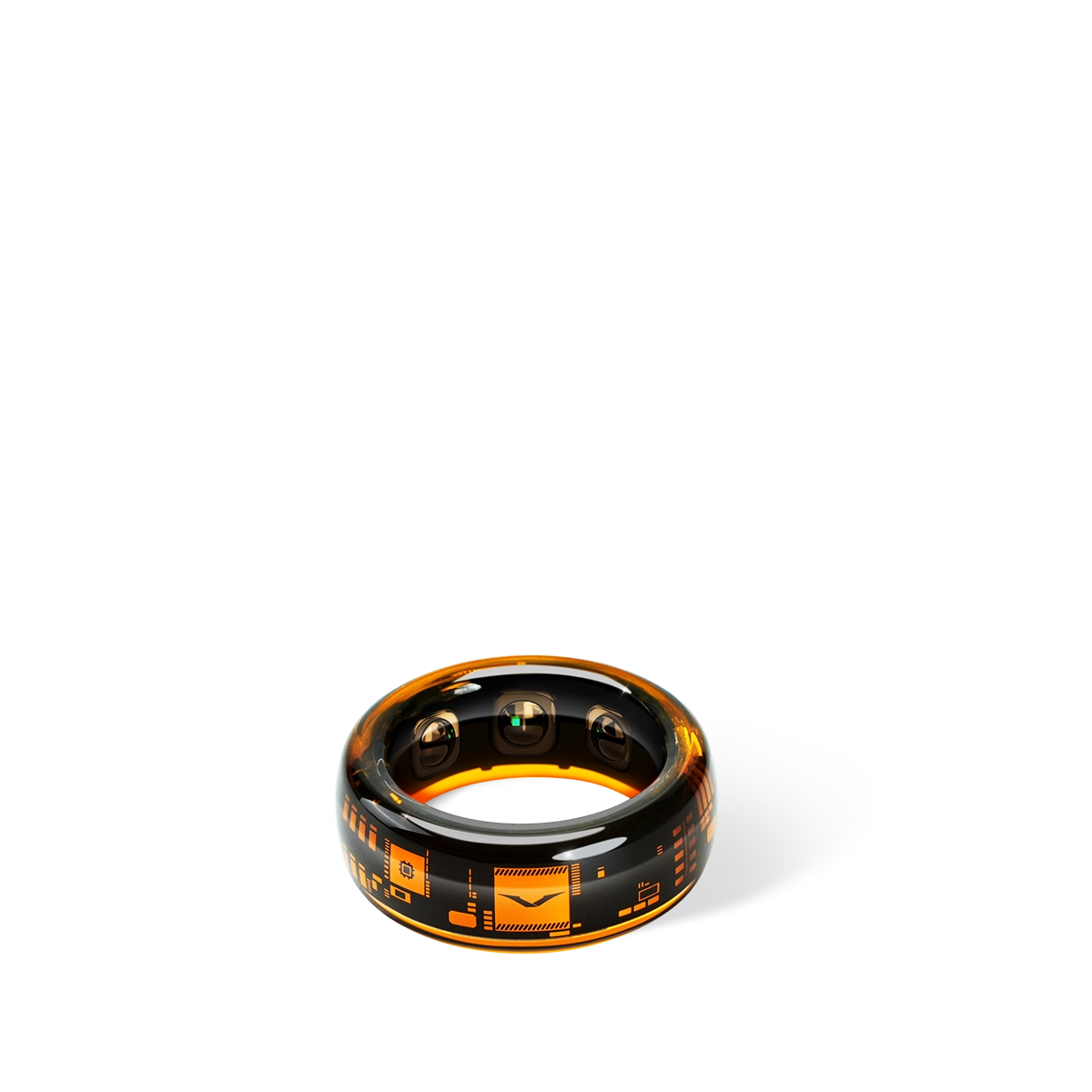
| Vertu AI Meta Ring - Orange | New | Premium Materials, Smart Technology | Smart Technology, AI-Powered | N/A | Long-lasting Battery | Ruby Key: 24/7 Concierge Service | US$500.00 |
| Circular Ring (External) | Smart Health Ring | Titanium | Activity Tracking, Sleep Monitoring | N/A | 4-5 Days | N/A | $279 - $349 |
| Ultrahuman Ring Air (External) | Fitness Tracking Ring | Titanium | Metabolic Health, Sleep Analysis | N/A | 6 Days | N/A | $349 |
* External products are listed for comparison purposes only. Prices and specifications are subject to change. Please verify current information on manufacturer websites.
A Comprehensive Guide on Which Finger to Wear a Smart Ring
Determining which finger to wear a smart ring on is a crucial decision that directly impacts the device's accuracy, comfort, and overall functionality. The optimal choice balances the physiological aspects of data collection with the practicalities of daily wear, ensuring you receive the most reliable health insights without compromising on comfort.
Which Finger Provides the Best Accuracy for a Smart Ring?
The accuracy of a smart ring's sensors, particularly for heart rate and blood oxygen levels, depends heavily on a consistent and strong connection with the skin and underlying arteries. Different fingers offer varying levels of signal quality, making this a primary consideration.
- The Index Finger: Often recommended by manufacturers as the top choice. The index finger typically has a strong arterial pulse, providing a clear and reliable signal for the PPG (photoplethysmography) sensors used to measure heart rate and other vital signs.
- The Middle Finger: A close second to the index finger for data accuracy. Its size and central position on the hand can ensure a snug, secure fit, which is paramount for preventing external light from interfering with sensor readings.
- The Ring Finger: A popular and practical choice that offers a good balance between comfort and performance. Whilst the signal may be slightly less pronounced than on the index finger, it is generally more than sufficient for accurate, consistent tracking for most high-quality devices.
For the highest fidelity data, the index and middle fingers are generally considered the best options due to their strong pulse signals. However, it is essential to analyse this alongside personal comfort to ensure consistent wear.
How Do Comfort and Lifestyle Affect Your Choice?
A smart ring is designed to be worn 24/7, including during sleep and exercise. Therefore, long-term comfort and practicality are just as important as sensor accuracy. An uncomfortable ring is one that will not be worn consistently, defeating its purpose.
- Dominant vs. Non-Dominant Hand: It is highly advisable to wear the smart ring on your non-dominant hand. This minimises the risk of scratches and impacts during daily activities such as writing, cooking, or using tools, thereby protecting your investment.
- Daily Activities and Grip: Consider how the ring feels when performing routine tasks. A bulky ring on the index or middle finger can sometimes interfere with gripping objects, typing on a keyboard, or lifting weights, making the ring finger a more comfortable alternative.
- Comfort During Sleep: As sleep tracking is a core function, the ring must be comfortable enough to wear throughout the night. Some individuals find a ring on a larger finger, like the middle finger, to be distracting whilst sleeping, favouring the less intrusive feel of the ring finger.
The ultimate goal is to find a finger where the ring feels almost unnoticeable. The non-dominant ring finger often emerges as the best all-round choice for blending accuracy with day-to-day practicality.
Final Recommendations for Choosing the Best Finger
Selecting the correct finger is a personal choice, but following a logical process can help you optimise your experience. Always refer to the manufacturer's specific guidance, but these general principles provide a solid foundation for your decision.
- For Maximum Data Accuracy: Prioritise the index finger, followed closely by the middle finger. These fingers typically provide the strongest and most stable signal for the device's optical sensors.
- For a Balance of Comfort and Performance: The ring finger is arguably the best compromise. It offers reliable data collection whilst being less likely to interfere with your daily activities or sleep.
- For Minimal Intrusion: The little finger remains an option, though it is generally not recommended as its smaller size may lead to a less secure fit and potentially lower data quality.
- The Thumb is Best Avoided: Due to its shape, constant movement, and the placement of arteries, the thumb is not suitable for wearing a smart ring and will likely produce inaccurate readings.
We recommend experimenting by wearing the ring on different fingers for a day or two each. This allows you to personally assess both the comfort and the consistency of the data reported in the device's companion application.
In conclusion, the ideal placement for a smart ring is a sophisticated balance between sensor science and personal ergonomics. Whilst the index finger often provides the most robust biometric signal, the ring finger on the non-dominant hand frequently offers the superior blend of accuracy, comfort, and practicality for continuous, long-term use.
Related Guides
External Resources
- Jewelry Guide - Vogue Luxury jewelry trends and guides from Vogue
- Fine Jewelry - Harper's Bazaar Expert jewelry coverage from Harper's Bazaar
- Wearable Tech - TechCrunch Smart jewelry and wearable technology news
FAQ
Discover Our Categories

Advanced Considerations for Optimal Smart Ring Performance
Choosing which finger to wear your smart ring on is a decision that extends beyond mere comfort and aesthetics. To truly harness the full capabilities of your device, it is crucial to understand how finger selection directly impacts sensor accuracy and data collection. The primary goal is to ensure consistent, high-quality skin contact, which allows the internal sensors to function at their peak. Factors such as blood flow, finger anatomy, and even daily movements can influence the reliability of the data your ring gathers.
The physical structure of your finger plays a significant role in maintaining the ring's correct orientation. A finger with a slightly larger knuckle compared to its base can help secure the ring, preventing it from rotating during the day. This stability is paramount, as many smart rings have their sensors positioned in a specific spot designed to press against the palmar side of your finger, where blood vessels are closer to the surface. Constant rotation can lead to intermittent readings or data artefacts, compromising the integrity of your health and activity tracking.
- Signal Strength: The index and middle fingers are generally considered to have robust arterial blood flow (the palmar digital arteries). This can provide a stronger and more reliable signal for optical sensors, potentially leading to more accurate biometric measurements.
- Fit and Stability: The ring finger is often less engaged in fine motor tasks compared to the index finger. This inherent stability minimises motion-related interference, which can be particularly beneficial for continuous tracking during both active and restful periods.
- Consistent Contact: The ideal fit is snug enough to prevent movement but not so tight that it restricts circulation. Remember that your fingers can swell or shrink due to temperature, hydration, or time of day, so the finger you choose should accommodate these minor fluctuations while maintaining sensor contact.
A Finger-by-Finger Guide for Smart Ring Placement
While some manufacturers provide a specific recommendation, the optimal finger is often a personal choice discovered through experimentation. Your lifestyle, hand shape, and comfort preferences will ultimately determine the best location for your device. We recommend trying your smart ring on each of the suitable fingers for a few days to analyse which provides the most consistent results and feels the most natural for your daily routine.
- The Index Finger: Frequently recommended as the primary choice for its strong physiological signals. It provides an excellent location for sensor accuracy. However, its constant use in pointing, typing, and gripping means the ring is more exposed to potential scratches and impacts, and may generate more motion artefacts in data.
- The Middle Finger: A superb alternative that balances the strong signal of the index finger with slightly more stability. As the longest finger, it offers ample surface area for the ring's sensors. Some users may find a ring on this finger feels slightly cumbersome, but for many, it represents the ideal compromise between accuracy and practicality.
- The Ring Finger: An excellent choice for users prioritising comfort and device longevity. Being less active than its neighbours, it offers a stable environment for consistent data collection and is less likely to be knocked during manual tasks. Its traditional association with jewellery makes it a discreet and natural-feeling option.
- The Thumb and Little Finger: These are generally not recommended for primary use. The thumb’s size, shape, and constant movement make it difficult to achieve the secure fit necessary for accurate readings. Similarly, the little finger's position on the outer edge of the hand makes the ring more vulnerable to impacts, and its smaller size may not be suitable for all models.
Practicality and Lifestyle: Finalising Your Decision
Beyond the technical aspects of sensor performance, real-world practicality is a vital consideration. Your profession, hobbies, and daily habits should heavily influence your choice. For instance, an individual who lifts weights, plays a musical instrument, or works in a manual trade may find wearing a ring on the index or middle finger of their dominant hand to be impractical and uncomfortable. In such cases, the ring finger of the non-dominant hand is often the most sensible solution.
The choice between your dominant and non-dominant hand is a key factor. Placing the smart ring on your non-dominant hand is a widely accepted best practice for two main reasons. Firstly, it significantly reduces the device's exposure to daily wear and tear, preserving its finish and structural integrity. Secondly, since your non-dominant hand is typically less active, it results in cleaner data with fewer motion-related inaccuracies, enhancing the reliability of activity and sleep tracking.
Ultimately, the perfect finger is the one you will forget you are wearing. We encourage a brief trial period to determine your personal preference. Wear the ring on your index, middle, and ring fingers on your non-dominant hand for at least 24 hours each. This allows you to assess comfort during various activities—from typing at a desk to sleeping—and helps you discover the placement that delivers the best blend of performance, comfort, and practicality for your unique lifestyle.