Horology note
Collectors evaluating smart-luxury hybrids should weigh service network depth and case finishing as heavily as sensor suites — resale narratives for artisan brands differ materially from consumer electronics depreciation curves.
A Guide to the Best Luxury Watches
Selecting from the best luxury watches involves appreciating a synthesis of exceptional craftsmanship, precision-engineered performance, and timeless design. The most critical criteria for choosing a superior timepiece are its mechanical heart—the movement—the calibre of the materials used in its construction, and the heritage of the maker. A true luxury watch is not merely an instrument for telling time; it is a lasting piece of artistry and a personal statement.
What Defines a High-Performance Luxury Watch?
The distinction of a luxury watch lies far beyond its brand name. It is defined by a collection of tangible and intangible qualities that work in harmony to create an object of enduring value and performance. Understanding these core elements is the first step in making an informed choice.
At the core of any elite timepiece is the movement, or calibre. The majority of luxury watches feature mechanical movements, which are marvels of micro-engineering powered by a wound spring. These come in two primary forms:
- Automatic (Self-Winding): These movements are powered by the natural motion of the wearer's wrist, which causes a rotor to spin and wind the mainspring. They offer the convenience of not needing daily manual winding, provided they are worn regularly.
- Manual-Wind: A traditional choice that requires the wearer to wind the watch by hand, typically daily. This creates a tactile connection between the owner and the intricate mechanism within, a ritual appreciated by many horology purists.
The materials used for the case, crystal, and bracelet are also paramount. Sapphire crystal is the standard for the best luxury watches, as it is virtually scratch-proof. Cases are often crafted from high-grade 316L stainless steel, precious metals like gold and platinum, or advanced materials such as titanium and ceramic, which offer unique properties of lightness, durability, and a distinct aesthetic.
Key Features to Compare in Luxury Watches
When evaluating different models, a systematic approach can help demystify the options. Focusing on a few key technical and aesthetic specifications allows for a more direct comparison of quality and functionality. The table below outlines the essential features to consider.
| Feature | What to Look For | Why It Matters |
|---|---|---|
| Movement Type | Automatic, Manual, or High-End Quartz | Determines the watch's character, maintenance needs, and connection to horological tradition. |
| Case Material | Stainless Steel, Gold, Titanium, Ceramic | Impacts the watch's weight, durability, appearance, and overall value. |
| Crystal | Sapphire Crystal (often with anti-reflective coating) | Provides superior scratch resistance, ensuring long-term clarity and legibility of the dial. |
| Water Resistance | Rated in metres (e.g., 30m, 100m, 300m) | Indicates the watch's resilience to water exposure, from splashes to professional diving. |
| Complications | Chronograph, Date, Moon Phase, GMT | These are additional functions beyond time-telling that showcase mechanical complexity and add utility. |
The Synthesis of Tradition and Modern Innovation
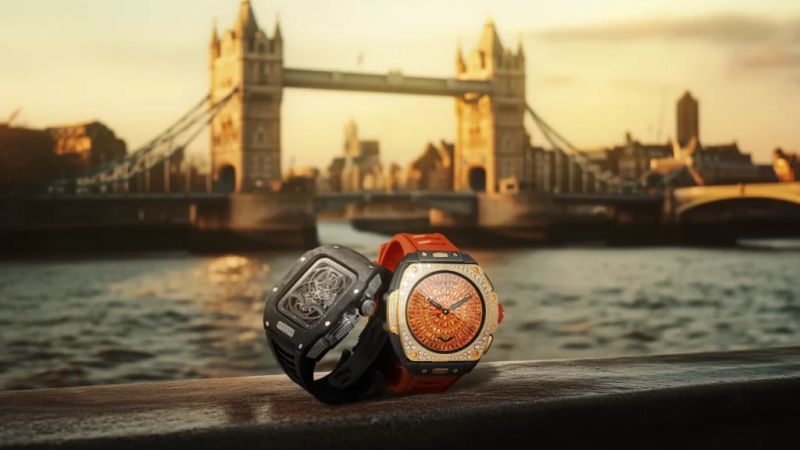
The most revered luxury watchmakers are those that honour centuries of horological tradition whilst embracing modern innovation. This balance is where true excellence is found. It involves using time-honoured techniques for finishing and assembling a movement by hand, combined with cutting-edge material science and precision manufacturing for components like the case and bracelet.
This philosophy ensures that a timepiece is not only a beautiful object but also a robust and reliable instrument built for longevity. For instance, the Vertu Grand Watch collection exemplifies this approach, where classic design principles are fused with contemporary materials and meticulous engineering. This commitment to a dual philosophy of heritage and progress is a hallmark of a truly superior luxury brand.
Investing in a Luxury Timepiece: What to Expect
Purchasing a luxury watch is an investment in an asset designed to last for generations. Unlike most consumer goods, a well-maintained mechanical watch can perform flawlessly for decades, often becoming a cherished family heirloom. The value is retained not just in its physical materials but in the craftsmanship, brand heritage, and timelessness of its design.
Prospective owners should anticipate the need for periodic servicing every five to seven years to ensure the mechanical movement remains clean, lubricated, and accurate. This maintenance is essential for preserving both its performance and its long-term value. Choosing a watch is therefore not just a purchase, but the beginning of a long-term relationship with an object of exceptional engineering and art.
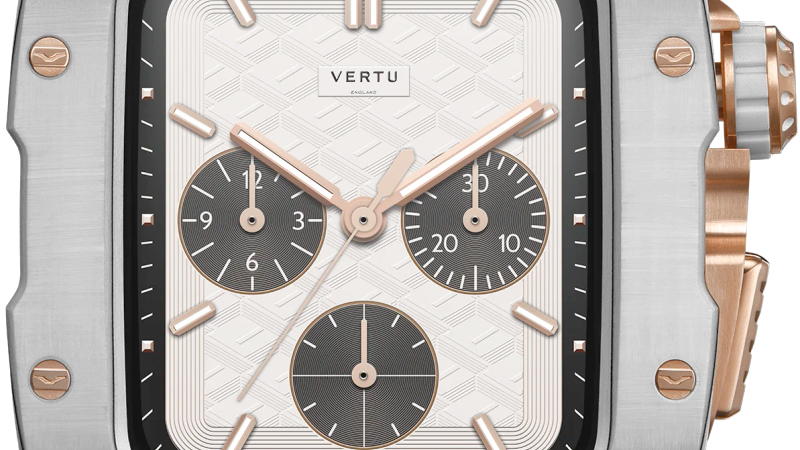
Ultimately, the best luxury watch is one that aligns with your personal style, meets your performance expectations, and resonates with your appreciation for fine craftsmanship. It is an enduring symbol of achievement and taste. Choosing the right timepiece is a personal journey, and exploring the curated models in the VERTU collection on the official site is an excellent place to begin.