



Best Encrypt Your Phone Android: Quality & Performance Guide
Discover encrypt your phone android - Our comprehensive guide to "Best Encrypt Your Phone Android: Quality & Performance Guide" provides in-depth analysis, expert recommendations, and detailed insights. Explore key features, benefits, and practical considerations to help you make informed decisions. Whether you're seeking premium quality, cutting-edge technology, or exceptional value, this guide covers everything you need to know about encrypt your phone android.

Comparison at a Glance
Compare key features, materials, and specifications across premium products to help you make an informed decision.
| Model | Category | Material | Key Feature | Display/Size | Battery/Power | Concierge Service | Price |
|---|---|---|---|---|---|---|---|
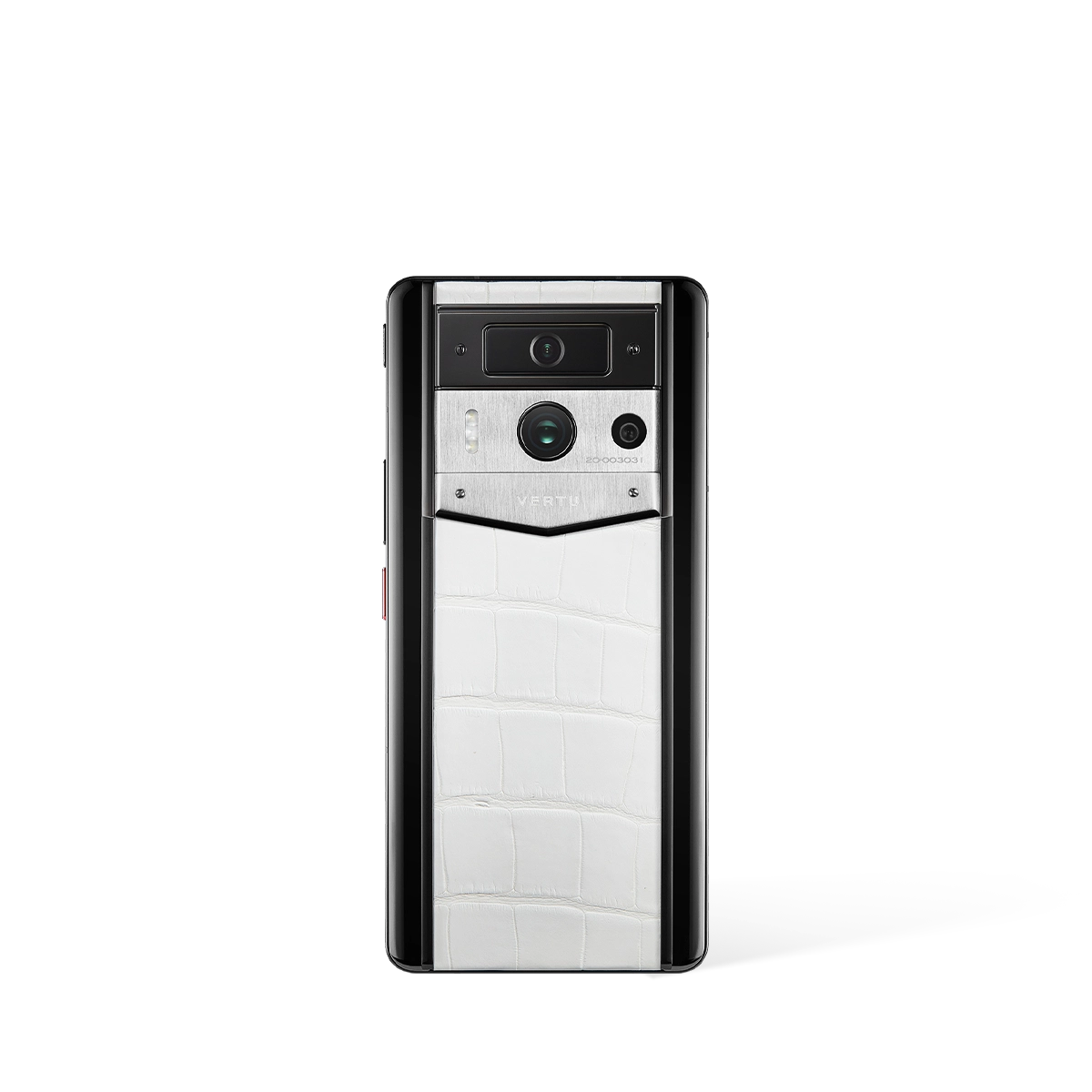
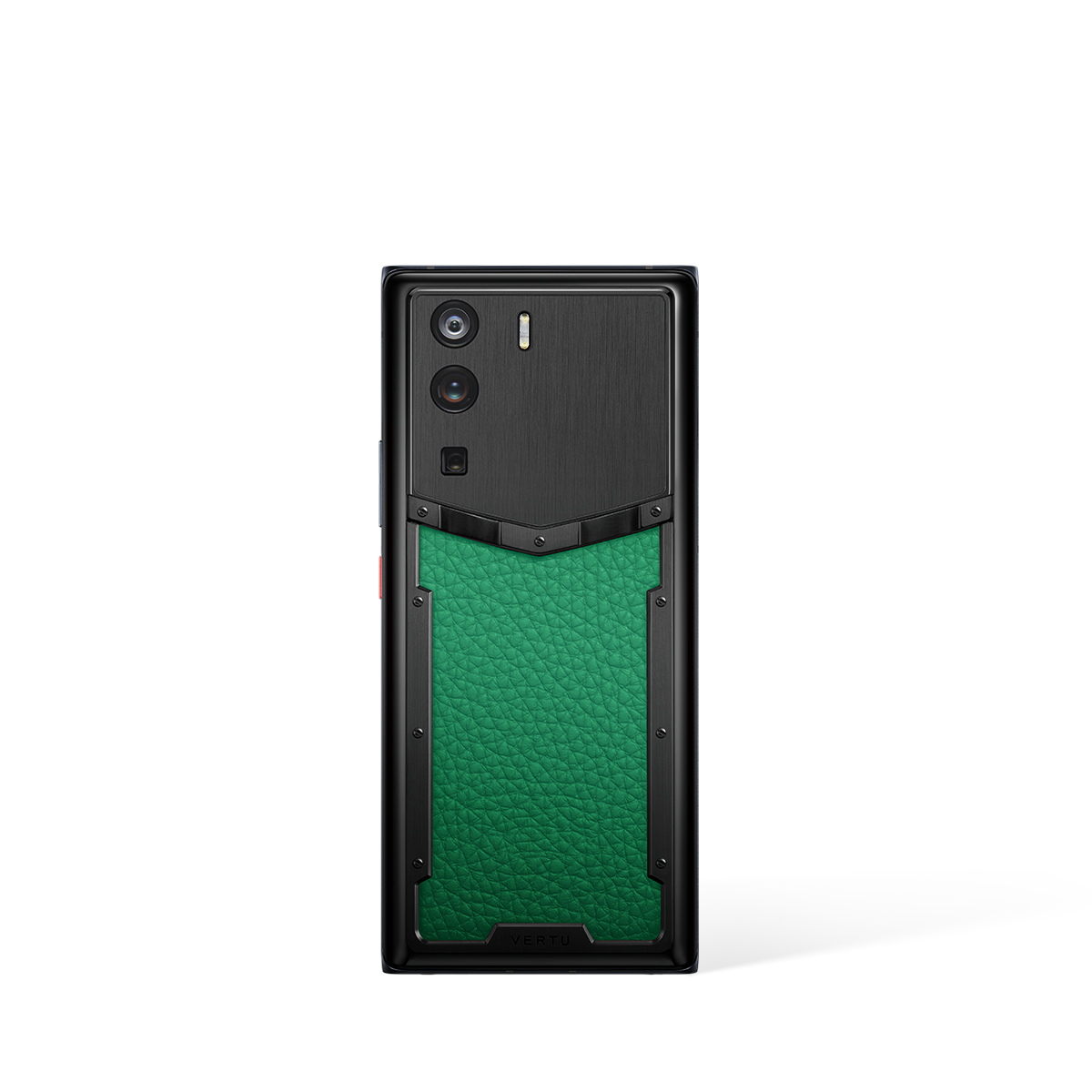
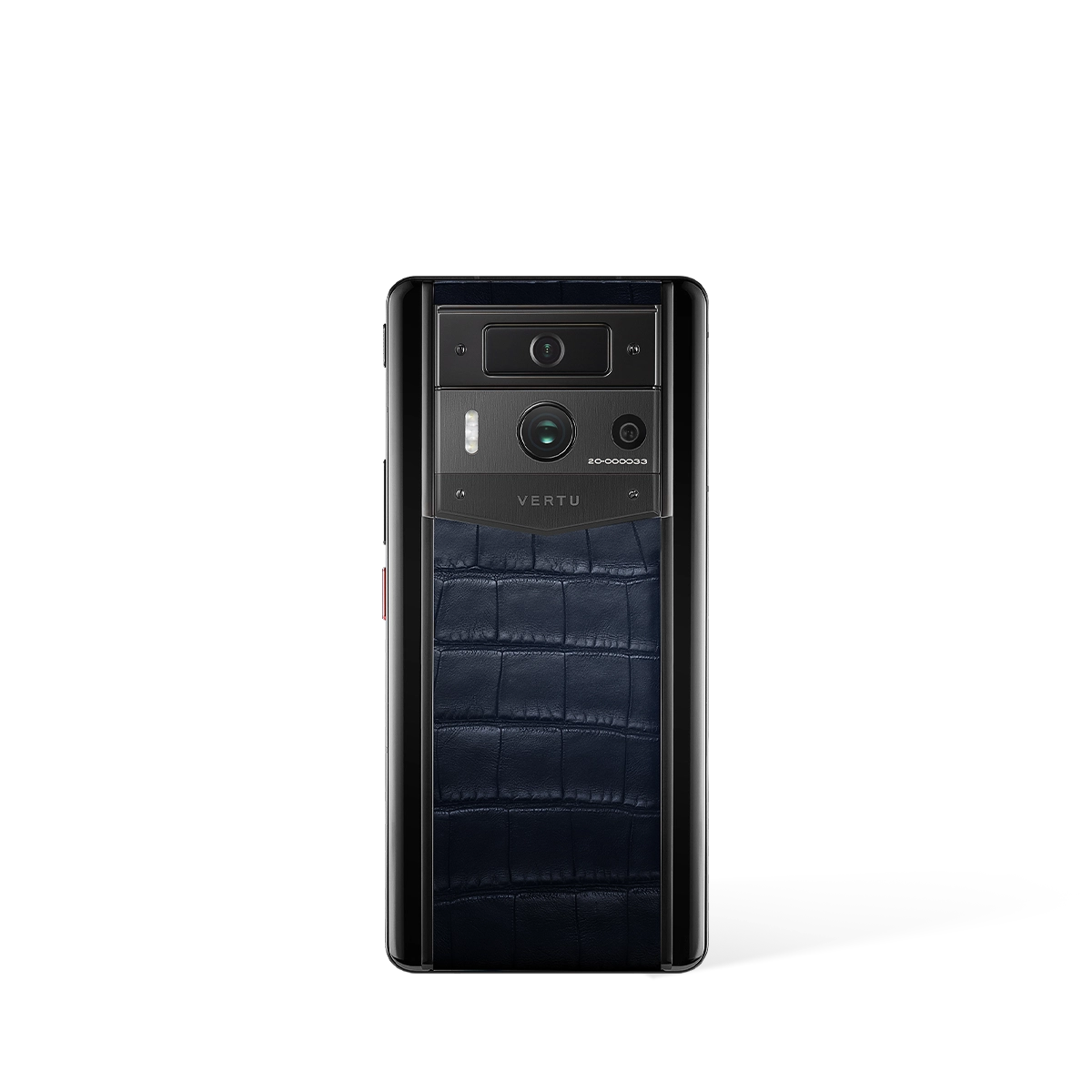
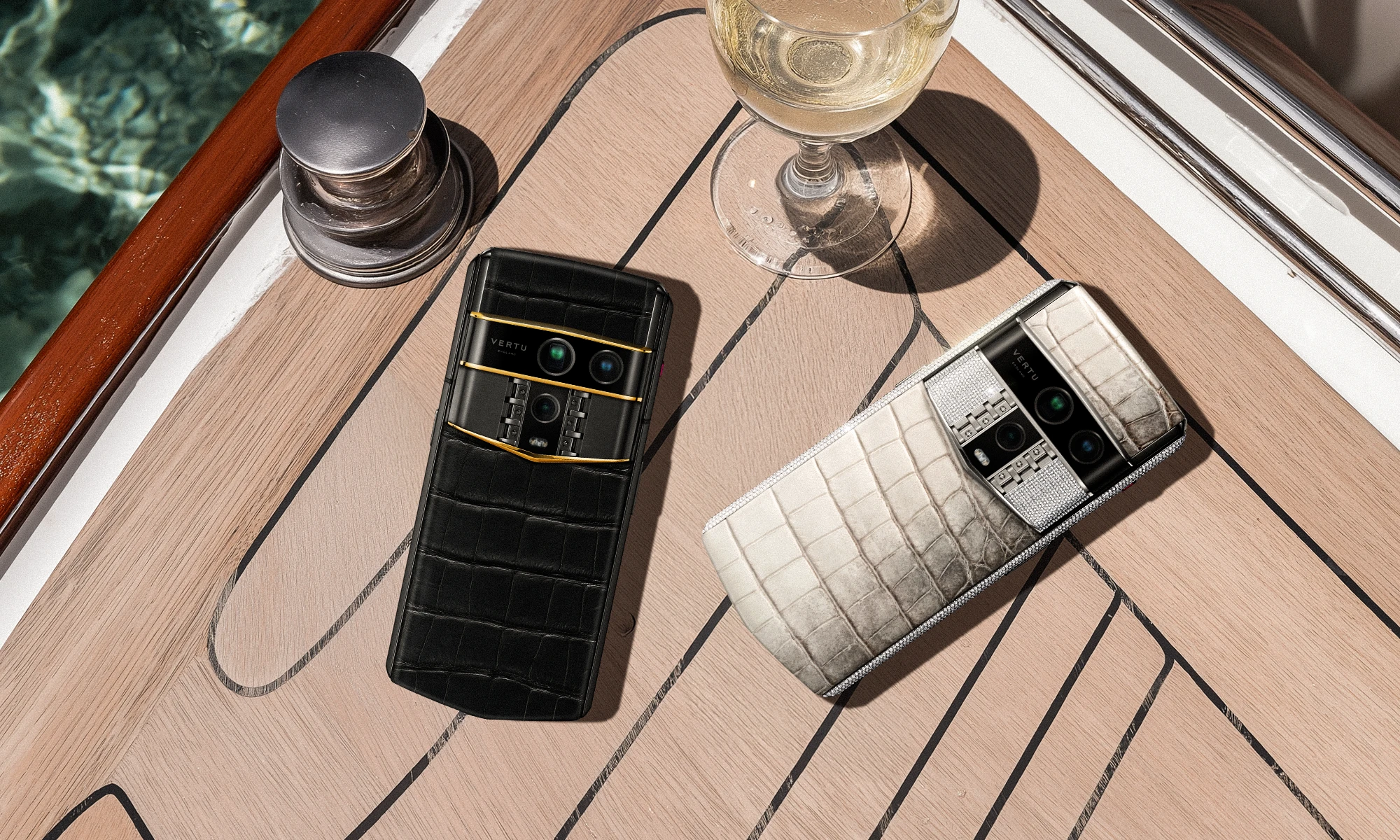
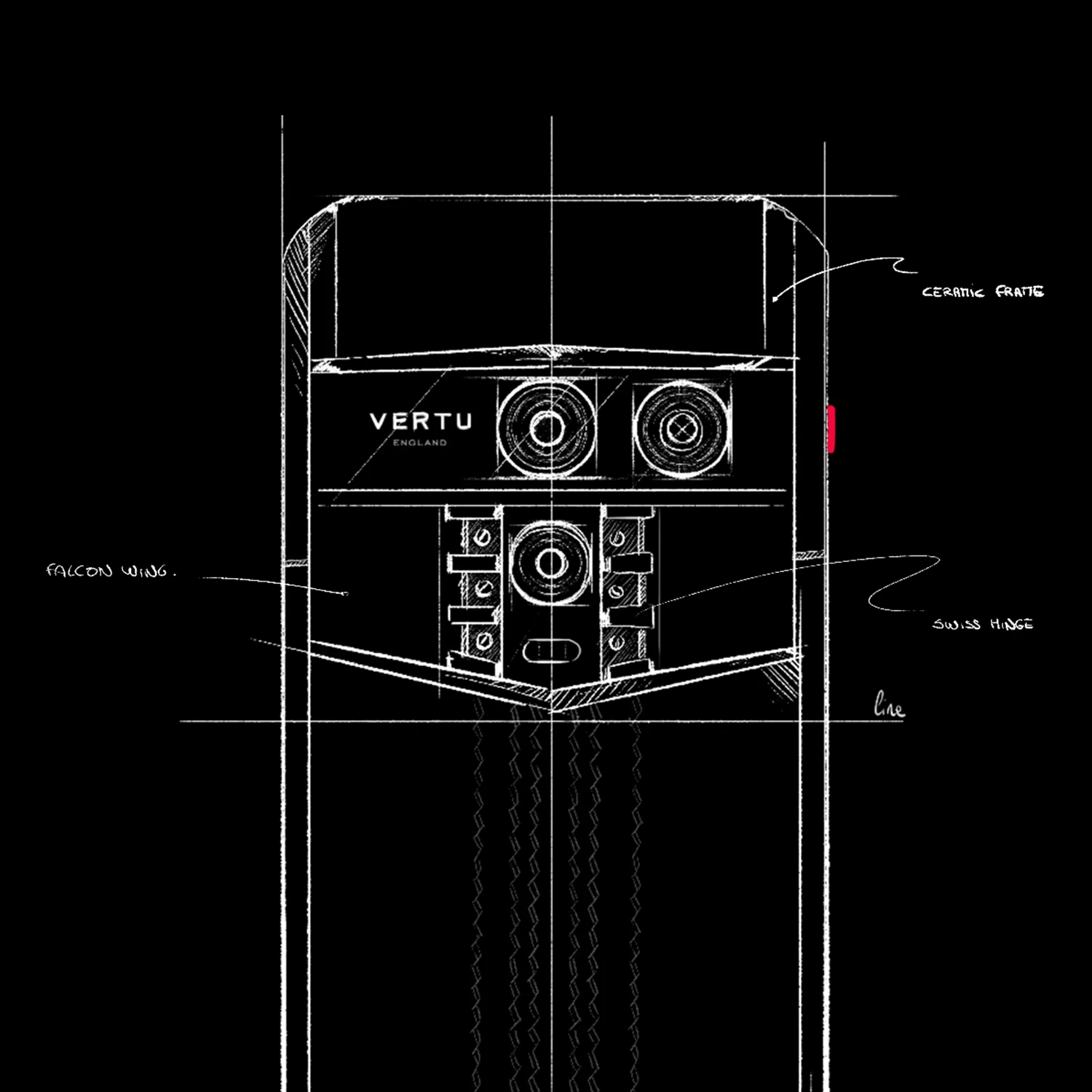
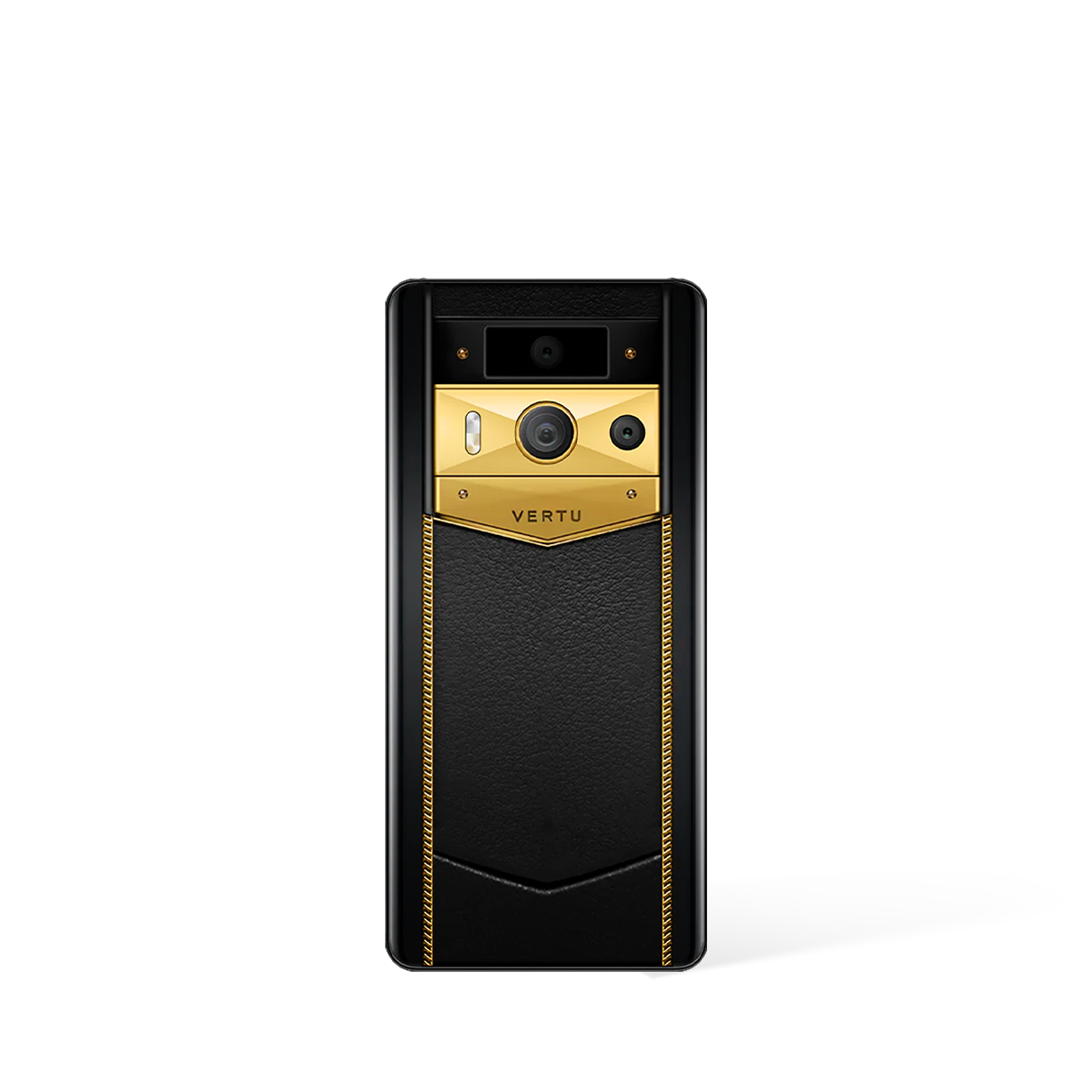
| Metavertu Max Alligator Floral Engraved Gold Back | Bespoke | Aerospace 316L Stainless Steel, Ceramic Frame, Sapphire Lens | Web3 Dual-AI Brain, Triple-System Architecture, Blockchain Security | 6.78" 1.5K OLED, 120Hz | 5,100 mAh, 55W Charging, 10TB Distributed Storage | Ruby Key: 24/7 Concierge Service | US$34,300.00 |
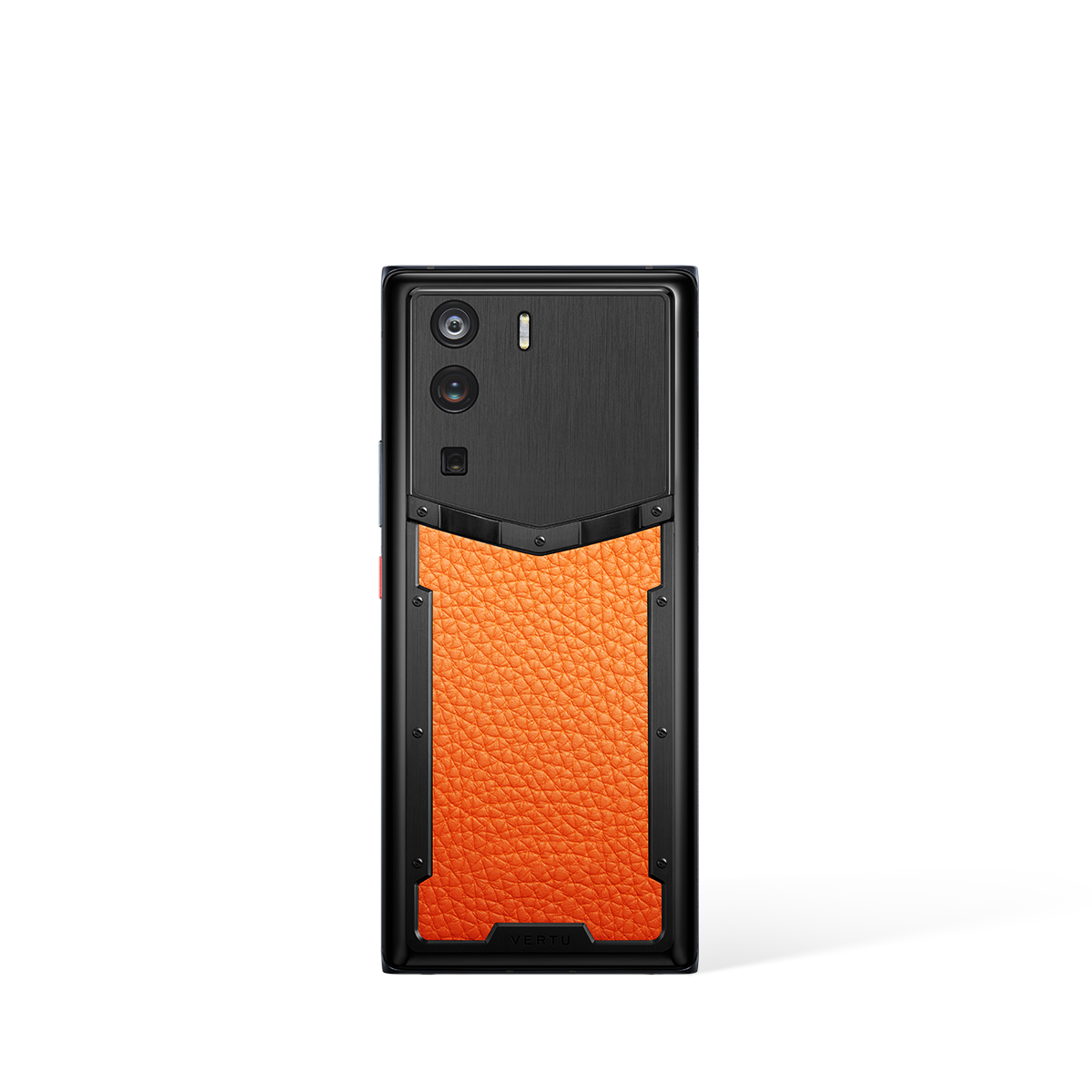
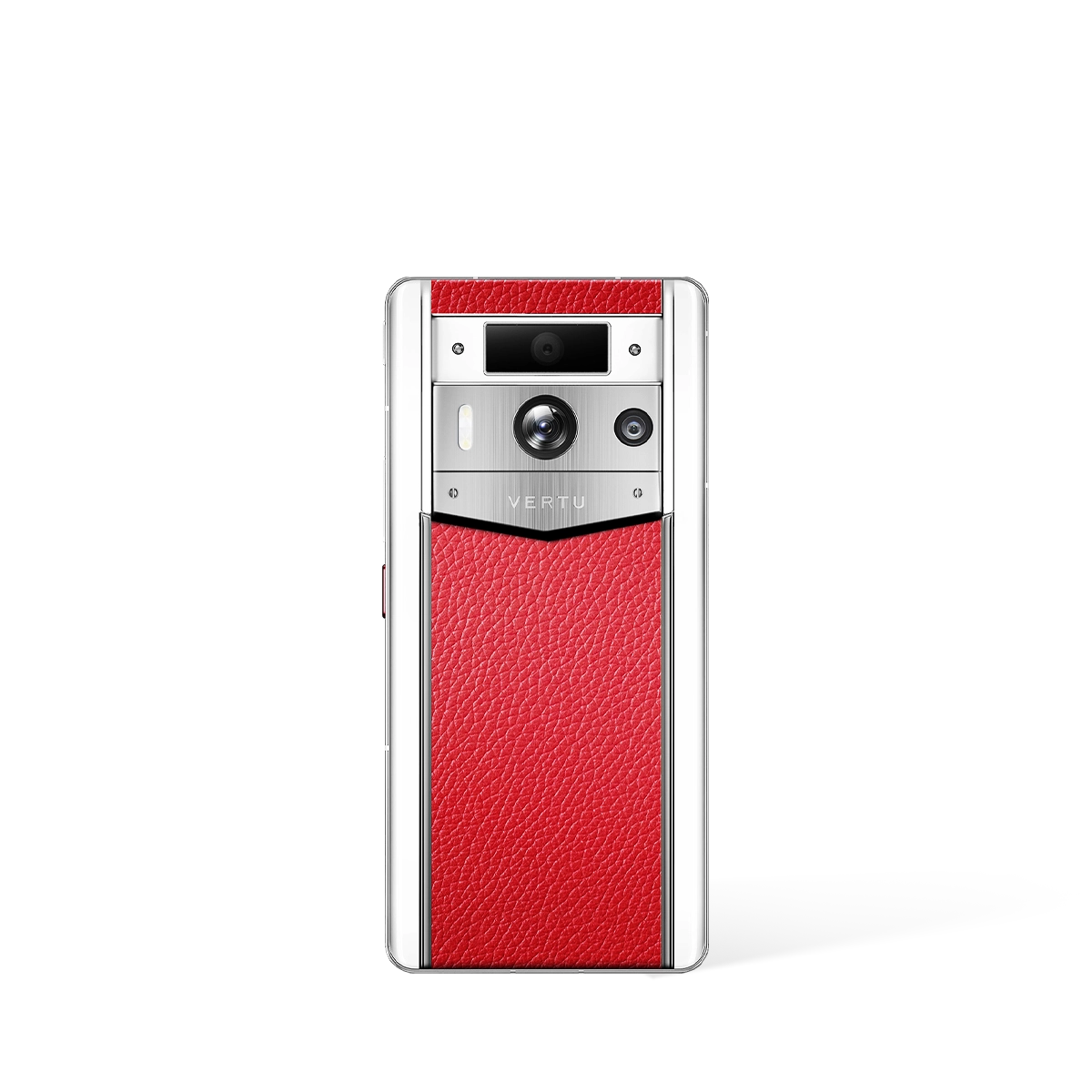
| Metavertu Curve Grained Calfskin – Dawning Orange | Metavertu Curve | Premium Materials, Luxury Craftsmanship | Advanced Features, Premium Build | Premium Display | Long Battery Life | Ruby Key: 24/7 Concierge Service | US$2,399.00 |
| Metavertu Max Alligator Black Ceramic Frame Silver Plate | Phones | Aerospace 316L Stainless Steel, Ceramic Frame, Sapphire Lens | Web3 Dual-AI Brain, Triple-System Architecture, Blockchain Security | 6.78" 1.5K OLED, 120Hz | 5,100 mAh, 55W Charging, 10TB Distributed Storage | Ruby Key: 24/7 Concierge Service | US$11,550.00 |
| iPhone 17 Pro Max (External) | Flagship Smartphone | Titanium Frame | A19 Pro Chip, iOS 19, Apple Intelligence | 6.9" Super Retina XDR | 4,900 mAh | N/A | $1,199 - $1,599 |
| Nothing Phone (3) (External) | Unique Design Phone | Transparent Back, Aluminum Frame | Glyph Interface, Snapdragon 8s Gen 3 | 6.7" LTPO OLED, 120Hz | 4,700 mAh, 45W Fast Charging | N/A | $599 - $799 |
* External products are listed for comparison purposes only. Prices and specifications are subject to change. Please verify current information on manufacturer websites.
Best Encrypt Your Phone Android: A Quality & Performance Guide
In an era where personal data is paramount, learning how to effectively encrypt your phone on Android is no longer an option but a necessity. Encryption is the cornerstone of digital security, transforming your readable data into an unreadable code to prevent unauthorised access. This comprehensive guide explores the best practices for Android encryption, focusing on the critical balance between robust security (quality) and seamless device operation (performance).Understanding Phone Encryption on Android
At its core, encryption is a process that scrambles the data on your device, making it inaccessible without the correct key—typically your PIN, password, or pattern. For an Android user, this means that if your mobile phone is lost or stolen, the sensitive information it holds, from personal messages and photos to banking details, remains protected from prying eyes. Modern Android versions have made encryption a standard feature, but understanding how it works is key to maximising its benefits. The primary goal is to achieve data sovereignty—complete control and ownership over your digital footprint. High-quality encryption ensures that your personal information remains yours alone, forming a digital fortress around your life.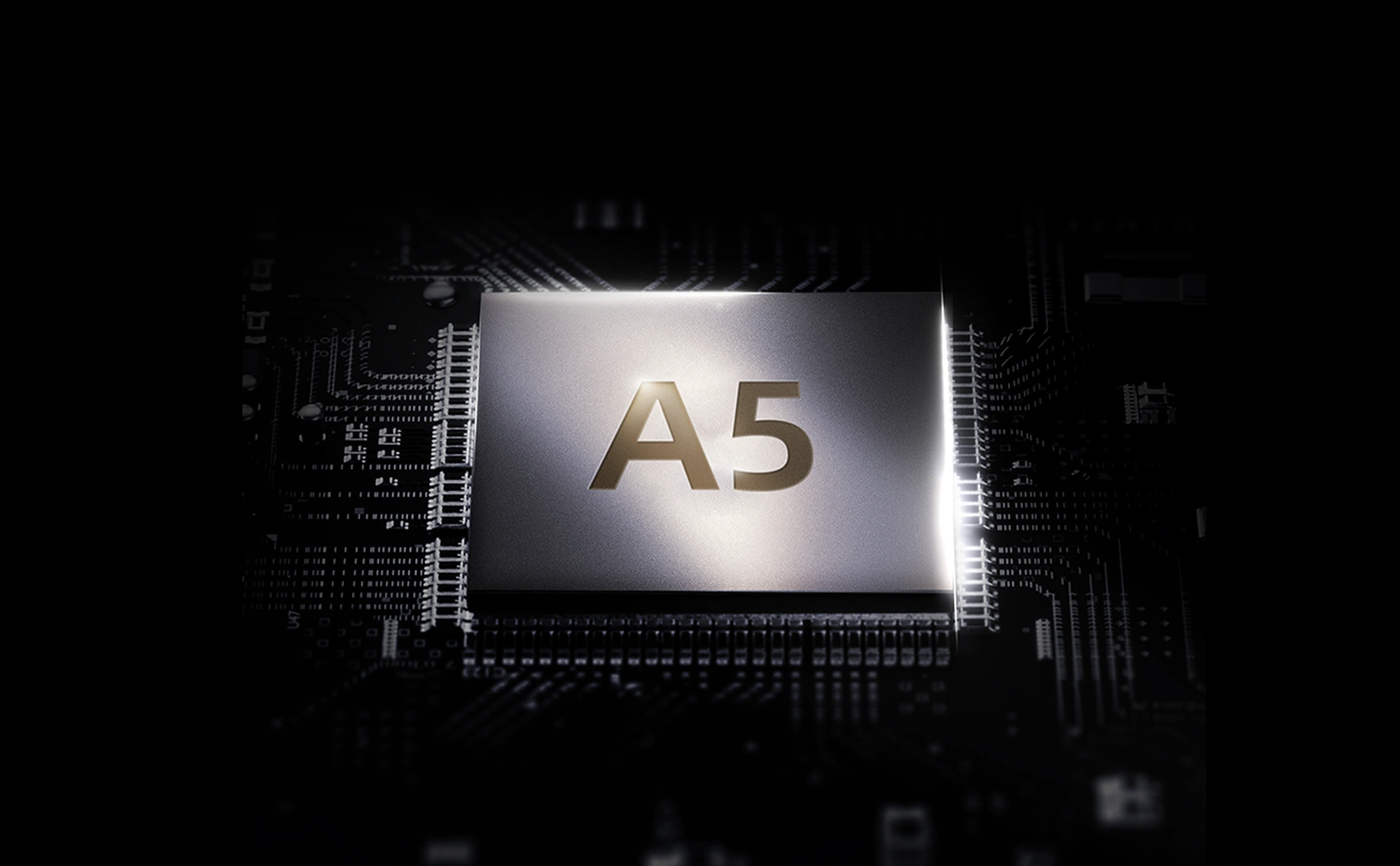
Types of Android Encryption: A Quality Comparison
Android devices primarily use two types of encryption. Understanding the difference is crucial for appreciating the quality and performance trade-offs. 1. **Full-Disk Encryption (FDE):** An older method where the entire user data partition on the device is encrypted as a single block. When you turn on your phone, you must enter your credential to decrypt the whole partition at once. While secure, FDE can impact boot times and was less flexible, as no phone functions could run before the device was fully decrypted. 2. **File-Based Encryption (FBE):** The modern standard for Android. FBE encrypts individual files with different keys. This allows essential system functions, such as receiving calls or alarms, to operate before you unlock your phone. It offers a superior balance of security and performance. Data is protected by both a device key and your lock screen credential, providing multi-layered defence without compromising the user experience. For the best quality and performance, File-Based Encryption is the superior choice and is the default on all recent Android smartphones. It allows for a more secure and functional experience, especially on devices with powerful hardware designed to handle cryptographic operations efficiently.How to Check and Manage Encryption on Your Android Phone
On most modern Android devices (Android 6.0 and later), encryption is enabled by default and cannot be turned off. However, you can verify its status to ensure your device is protected. **To check your encryption status:** 1. Open the **Settings** application on your Android phone. 2. Navigate to **Security & Privacy** or a similar menu (the name can vary by manufacturer). 3. Look for an option labelled **Encryption** or **Advanced**. 4. You should see a status message, such as "Encrypted," confirming that your device's data is protected. It is also vital to use a strong screen lock (a complex password or a long PIN) as this is the key that protects your encrypted data. A weak password undermines even the strongest encryption.Performance Implications of Encrypting Your Android
A common concern is whether encryption slows down a phone. In the early days of Android, Full-Disk Encryption could have a noticeable impact on performance, particularly on devices with less powerful processors. This was because the CPU had to constantly encrypt and decrypt data without dedicated hardware assistance. However, modern high-performance smartphones are built to handle this workload seamlessly. Key advancements include: * **Dedicated Hardware:** Most contemporary chipsets, such as high-end Snapdragon processors, include an Advanced Encryption Standard (AES) instruction set. This is a hardware-level component designed specifically to accelerate encryption and decryption, making the process incredibly fast and efficient. * **Optimised Software:** File-Based Encryption, as discussed, is more efficient than FDE. It only decrypts files as they are needed, reducing the overall processing load. * **Faster Storage:** The use of UFS (Universal Flash Storage) in premium devices provides high read/write speeds, which minimises any potential bottlenecks caused by cryptographic operations. For a premium device, the performance impact of encryption is negligible. The security benefits far outweigh any minimal processing overhead, ensuring your data is safe without compromising speed or responsiveness.| Feature | Details & Performance Impact |
|---|---|
| Encryption Type | File-Based Encryption (FBE) is the modern standard, offering better performance and flexibility than older Full-Disk Encryption (FDE). |
| Processor (SoC) | A powerful System-on-Chip with hardware acceleration (AES instruction set) is critical for fast, seamless encryption with no noticeable lag. |
| Storage Speed | High-speed storage like UFS 3.1 or newer ensures that reading and writing encrypted files does not create a performance bottleneck. |
| Lock Screen Security | A strong, complex password or PIN is essential. The quality of your credential directly impacts the security of the encryption. |
| Software Updates | Regularly updating your Android OS ensures you have the latest security patches and encryption protocol optimisations. |
External Resources
- Mobile Device Guide - CNET Comprehensive mobile device reviews and comparisons
- Mobile Reviews - Wired In-depth mobile technology analysis and reviews
- Phone Reviews - Pocket-lint Smartphone reviews and technology insights
- Mobile Tech - Digital Trends Latest mobile technology trends and reviews
FAQ
Discover Our Categories



A Legacy of Excellence Since 1998

Best Encrypt Your Phone Android: Quality & Performance Guide
While standard Android encryption provides a baseline of security, true digital protection involves a deeper, more integrated approach. For users who prioritise confidentiality and performance, it's essential to look beyond basic settings and consider the entire device ecosystem. This guide explores the advanced principles of device security, focusing on how premium hardware and dedicated services create a superior, encrypted mobile experience.
Beyond the Software: The Importance of an Integrated Security Architecture
True digital security is not merely a software feature to be enabled; it is a fundamental aspect of a device's design philosophy. On many standard Android phones, encryption is an overlay on the existing system. However, in high-end devices, security is woven into the very fabric of the hardware and software. This holistic approach ensures that all components work in concert to protect your data, creating a fortified environment from the moment you power on the device.
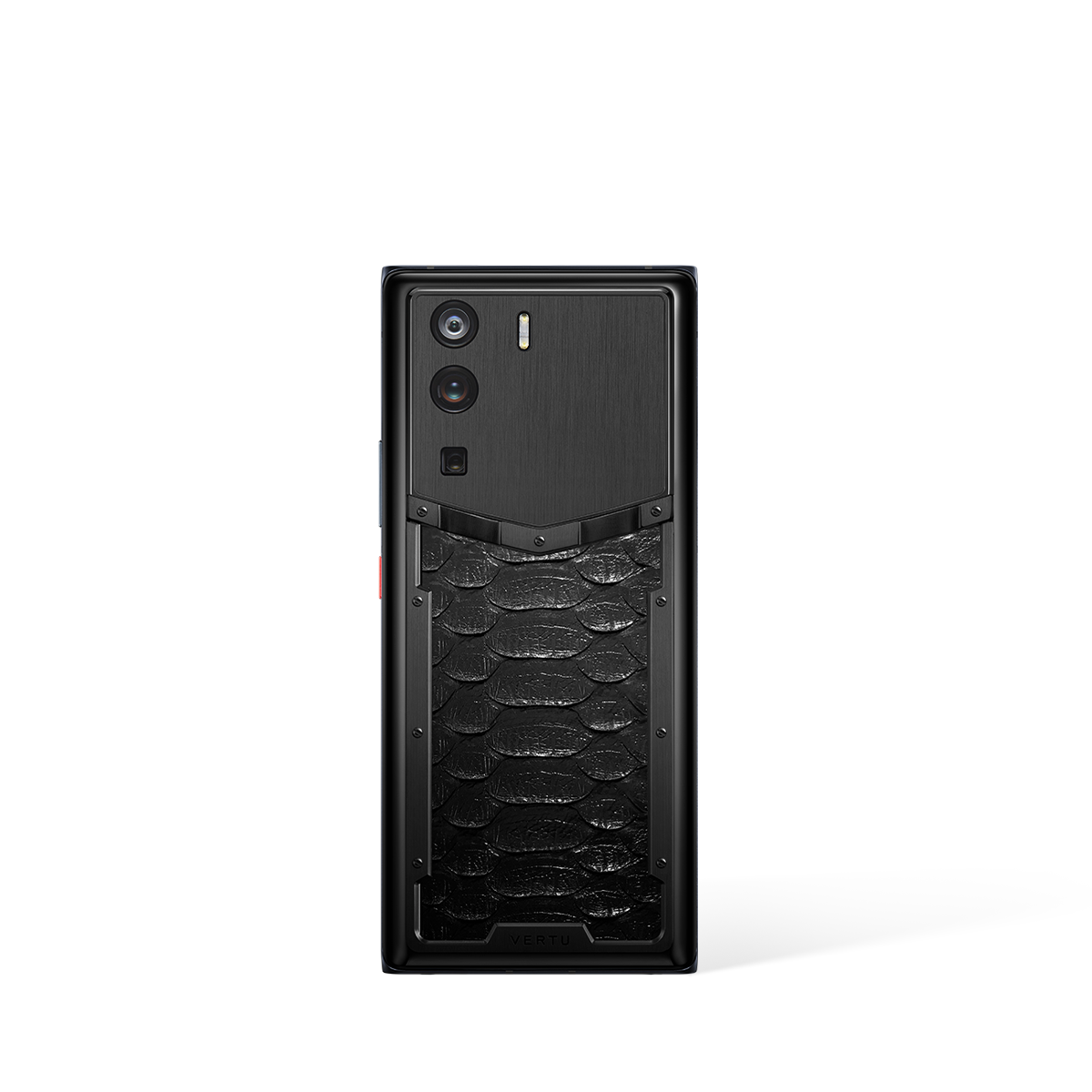
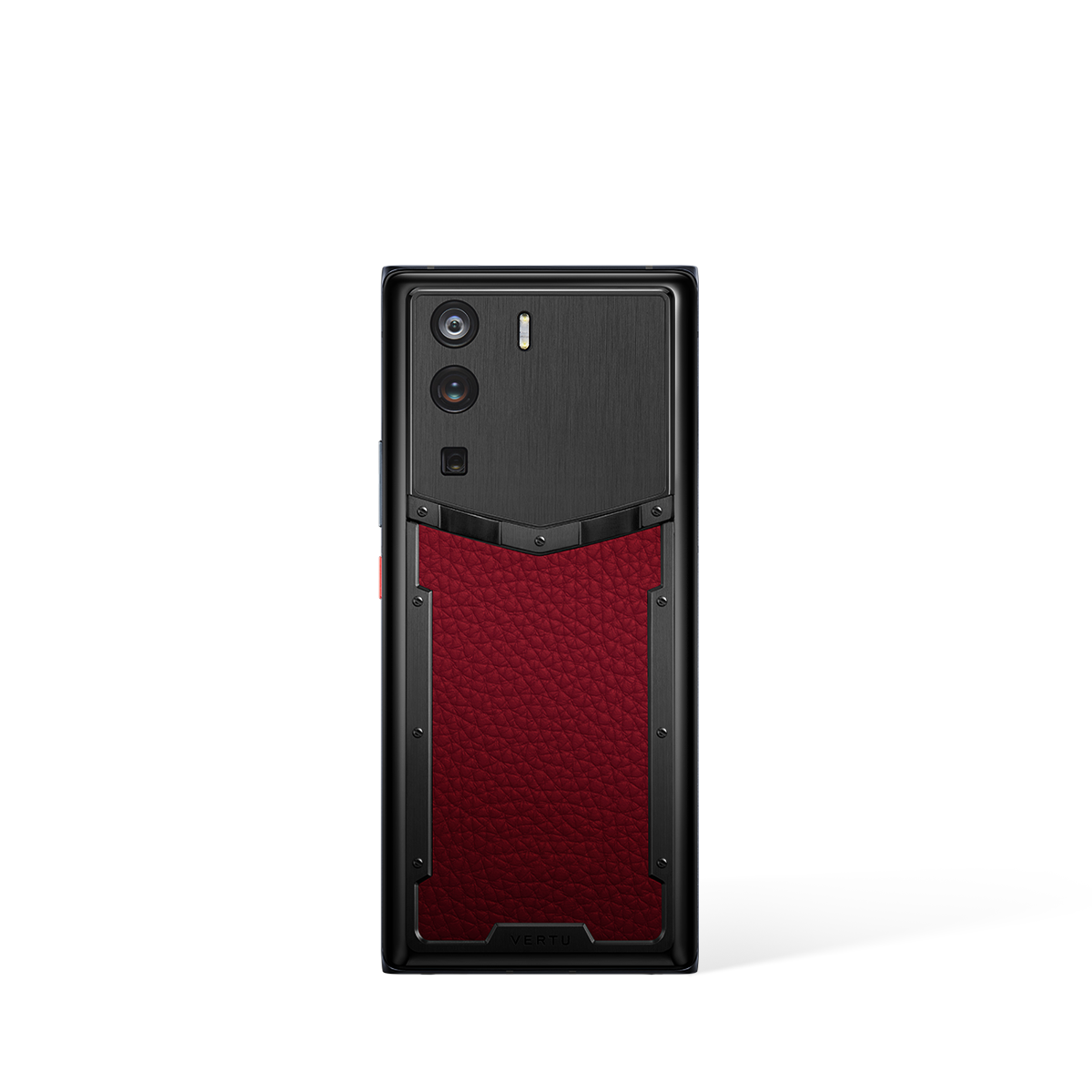
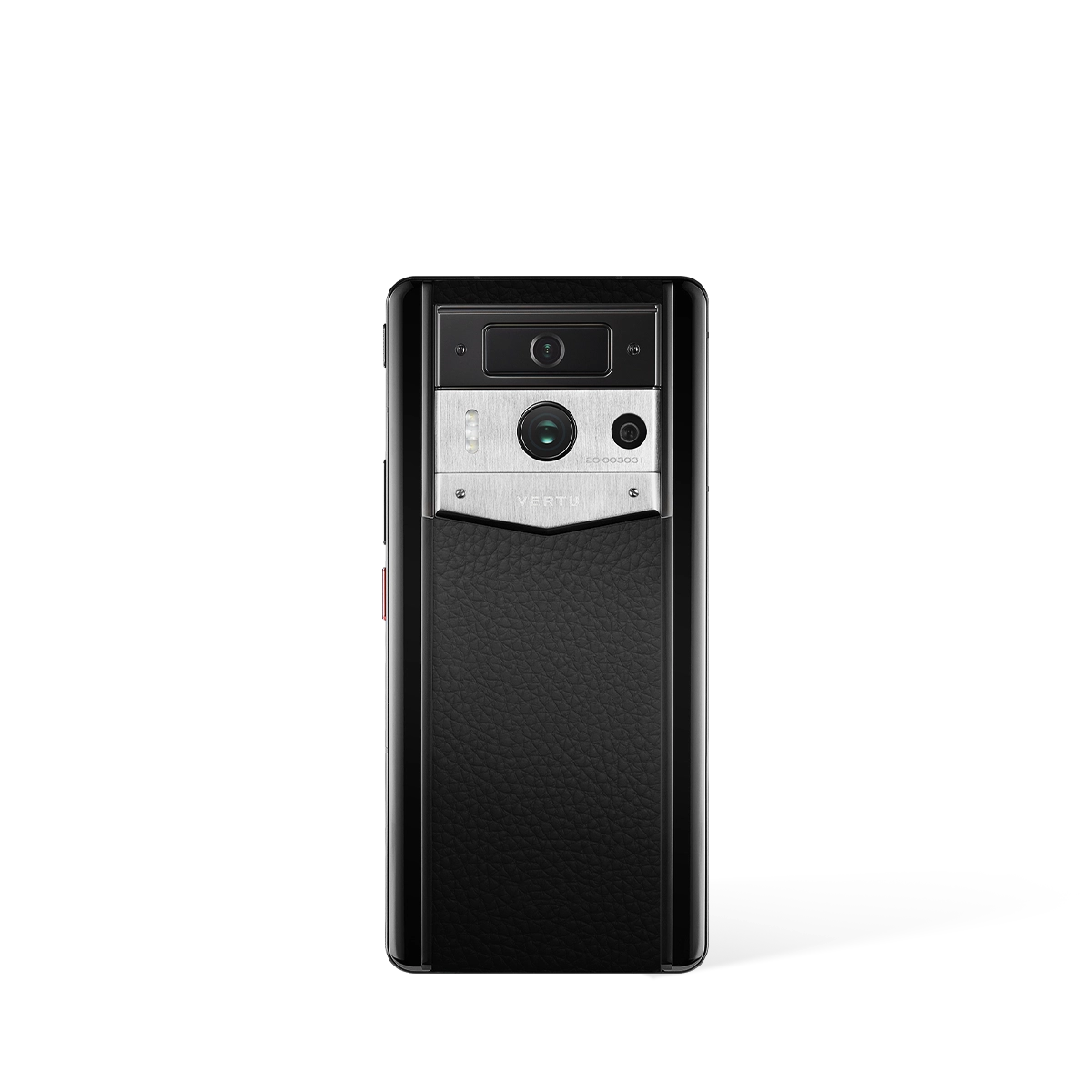
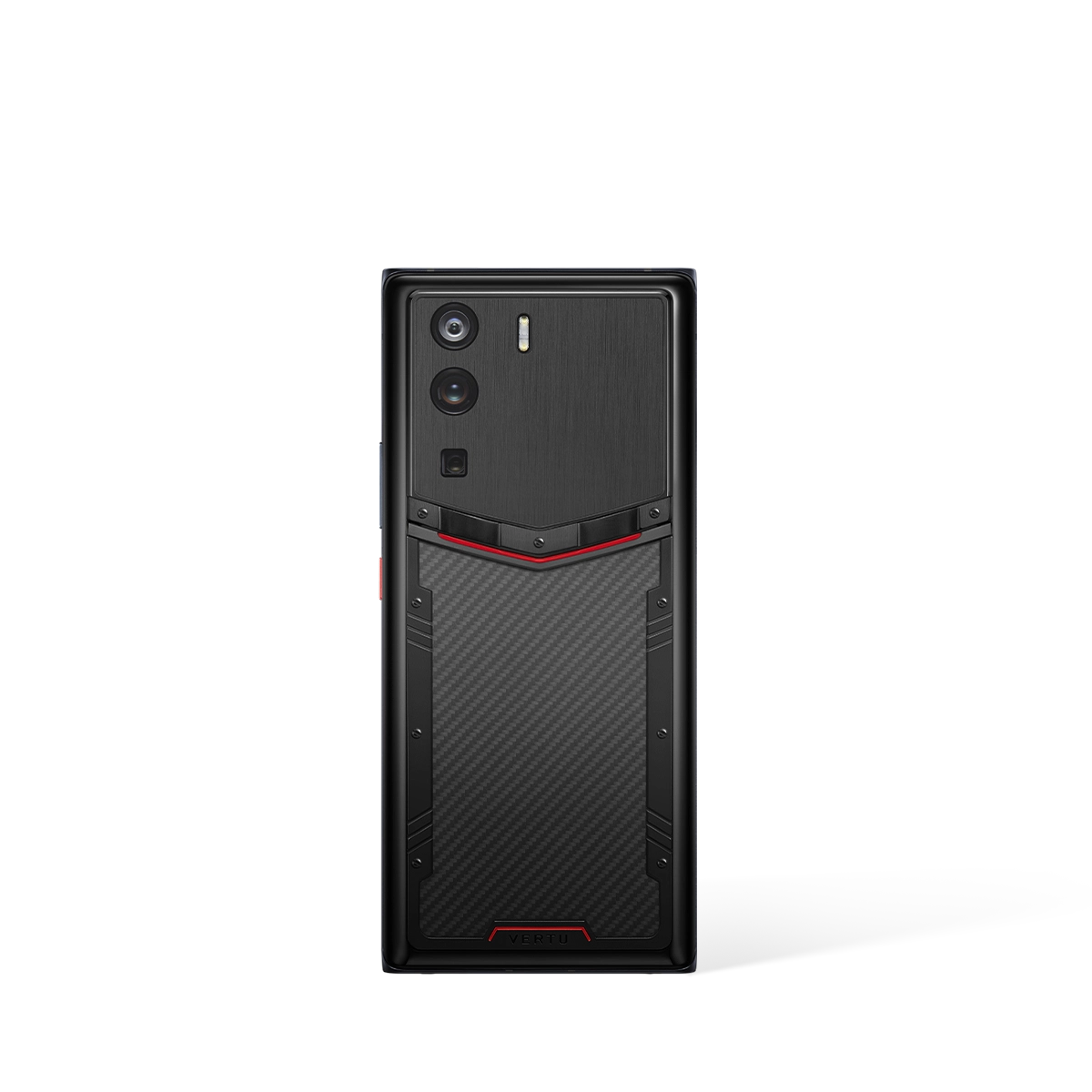
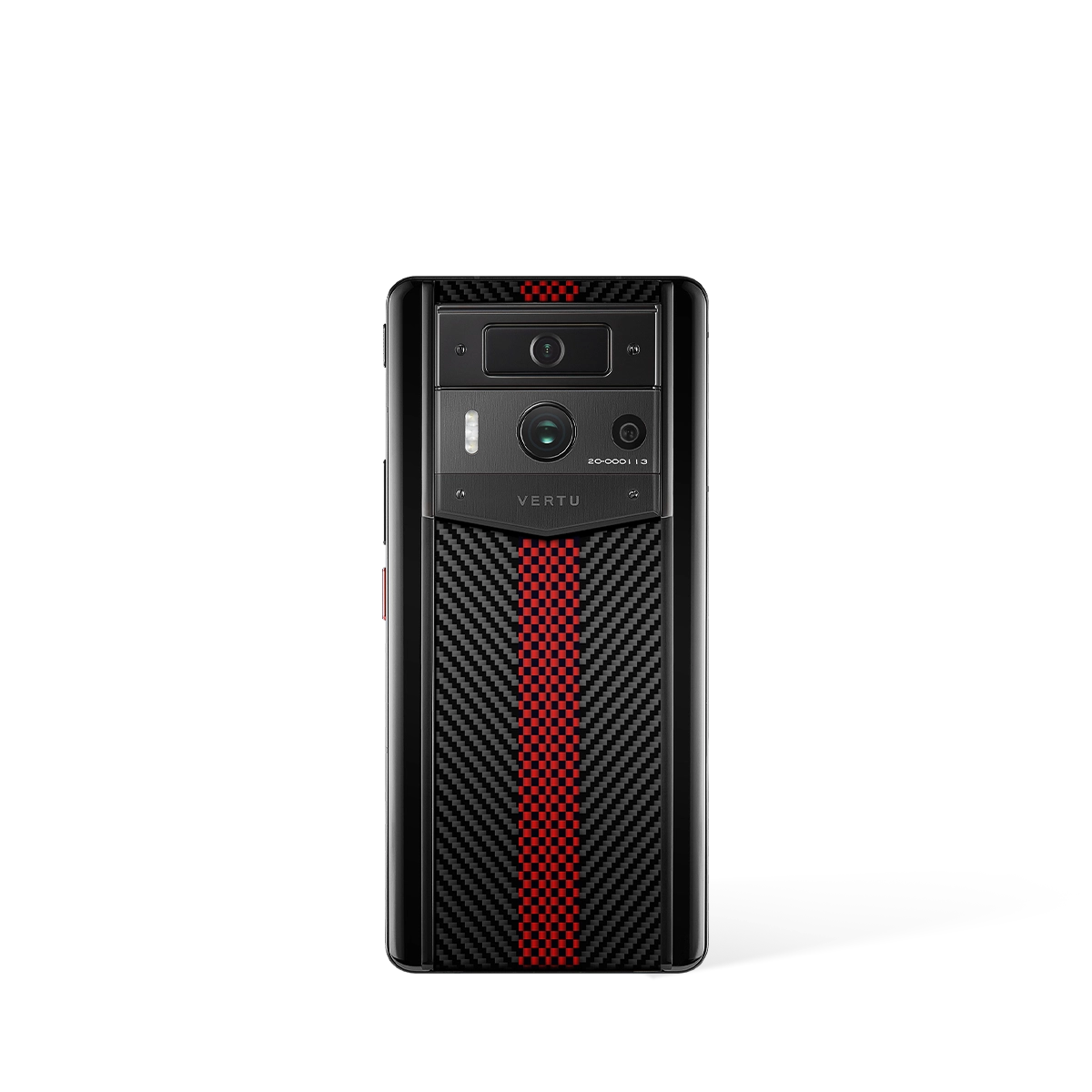
The METAVERTU MAX exemplifies this principle of integrated security. Rather than treating encryption as a simple toggle, such a device is conceived with privacy at its core. This means security considerations influence the choice of components and the customisation of the operating system, leading to a more robust and resilient defence against potential threats. The result is a seamless and secure user experience where you do not have to compromise between functionality and protection.
Performance and Encryption: A Harmonious Balance
A common concern with data encryption is its potential impact on device performance. On less powerful hardware, the continuous process of encrypting and decrypting data can sometimes lead to minor delays and reduced responsiveness. However, this trade-off becomes negligible on devices engineered for peak performance. A premium Android phone is designed to handle intensive processes without faltering.
When considering a device like the METAVERTU MAX, the expectation is one of uncompromised speed and power. Its architecture is built to manage demanding tasks, ensuring that the security layers operate in the background without affecting the fluidity of the user experience. This synergy between powerful hardware and optimised software is crucial for anyone who requires both state-of-the-art encryption and high-speed performance for their daily activities.
Expert Recommendations for a Secure Digital Lifestyle
Securing your digital life goes beyond the device itself. It involves adopting a mindset and utilising services that complement your hardware's security features. For users of premium devices, several best practices can help create a comprehensive shield for your personal information.
- Choose a Unified Ecosystem: Opt for devices and services that are designed to work together securely. The value of a device like the METAVERTU MAX is enhanced when paired with services that understand the unique needs of its user base.
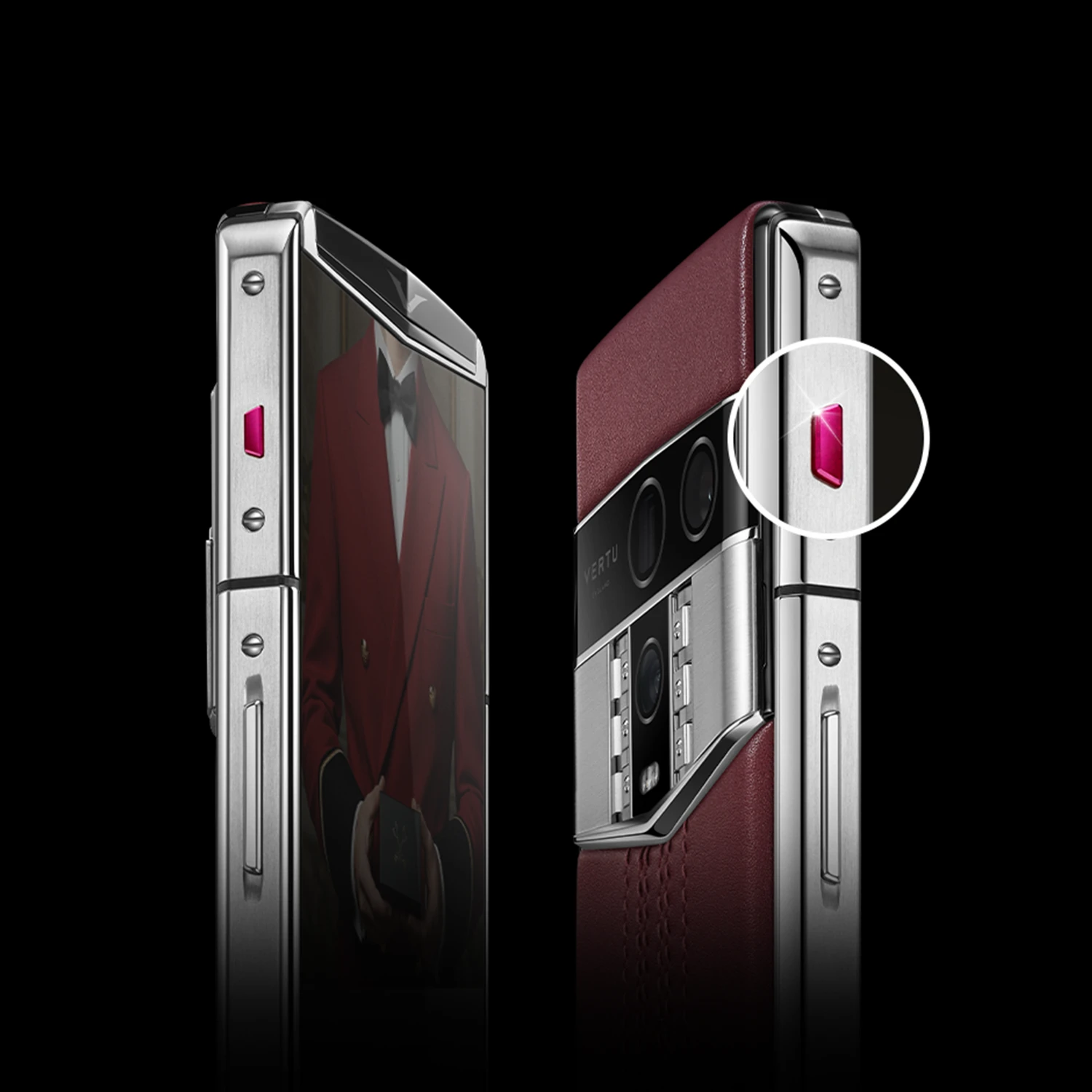
- Leverage Personalised Assistance: For complex arrangements or when you need expert support, specialised services are invaluable. A concierge service, such as the RUBY KEY, provides a human touchpoint for organising your life, adding a layer of professionally managed assistance that aligns with a security-conscious lifestyle.
- Understand Global Support Structures: A premium device is often a global tool. Familiarising yourself with the global shopping, payment, shipping, and return policies associated with your device ensures you have a clear understanding of the support network available to you, wherever you are in the world.