

Spec lens
High-end wearables in this segment often trade battery marathon scores for thinner profiles and formal aesthetics — opposite to fitness-first models optimising GPS runtime and ruggedisation.
What Defines a Luxury Gold Watch?
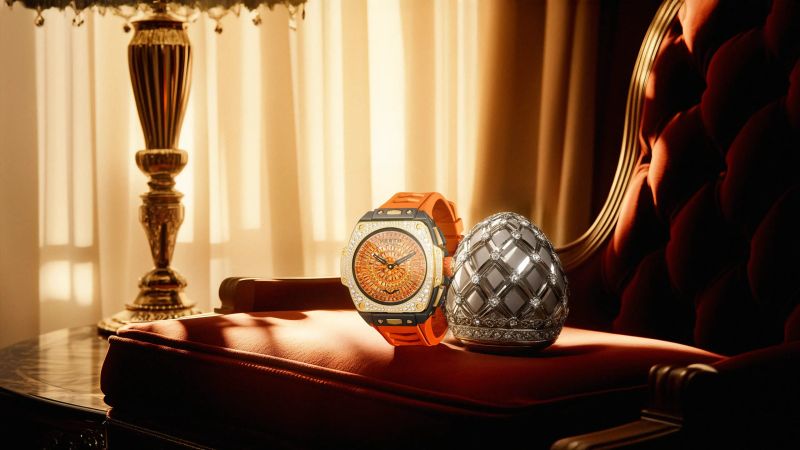
A luxury gold watch is the pinnacle of personal adornment, defined by its use of precious 18-karat gold, exceptional craftsmanship, and sophisticated mechanical engineering. These timepieces are not merely instruments for telling time; they are statements of heritage, artistry, and enduring value. We recommend that prospective buyers begin their journey by considering two fundamental aspects: the specific shade of gold that best suits their style—be it classic yellow, contemporary white, or warm rose gold—and the type of movement that aligns with their appreciation for horological tradition, typically an automatic mechanical calibre.
Luxury gold watches represent a confluence of high jewellery and precision horology. Typically crafted from solid 18k gold alloys, which provide the optimal balance of rich colour and durability, these timepieces are symbols of success and refined taste. The value extends beyond the precious metal; it lies in the intricate, often hand-finished, mechanical movements that power them, the meticulous design of the case and bracelet, and the heritage of the brand that created it. A luxury gold watch is an heirloom, an investment in craftsmanship that can be passed down through generations. It combines functional complexity with aesthetic beauty, often featuring sapphire crystal faces for scratch resistance and intricate details that are only visible upon close inspection, embodying a commitment to excellence in every component.
How to Choose the Right Luxury Gold Watch
Selecting the perfect luxury gold watch is a deeply personal decision that balances aesthetic preference with technical appreciation. A structured approach ensures you find a timepiece that you will treasure for a lifetime. Key considerations include the type of gold, the complexity of the movement, and the overall design language that reflects your individual style.
| Consideration | Key Details |
|---|---|
| Gold Type & Purity | Most luxury watches use 18k gold (75% pure gold). Choose from yellow gold for a classic look, white gold for a modern, platinum-like appearance, or rose gold for a warm, vintage-inspired hue. |
| Movement | Automatic (self-winding) movements are prized by collectors for their complex craftsmanship. High-precision quartz movements offer superior accuracy and lower maintenance. |
| Case Design & Size | The case diameter should be proportional to your wrist. Consider the shape (round, square, rectangular) and the finish (polished, brushed, or a combination). |
| Complications | These are functions beyond time-telling, such as a date display, chronograph (stopwatch), or moon phase. They add to the watch's complexity and value. |
| Strap or Bracelet | A full gold bracelet offers a bold, integrated look, whilst a high-quality leather strap provides a classic, understated contrast. |
What Should You Know Before Deciding?
Before finalising your purchase, it is vital to understand the nuances that separate an excellent watch from a legendary one. This includes appreciating the materials beyond gold, understanding the long-term ownership requirements, and recognising how modern technology can be integrated into traditional luxury.
Expert Insight: The Fusion of Tradition and Technology
The hallmark of a truly modern luxury timepiece lies in its ability to honour horological tradition whilst embracing contemporary innovation. For instance, a bespoke gold watch, such as the VERTU Grand Watch, can pair a classic 18k gold case with a virtually scratch-proof sapphire crystal dial window—a material second only to diamond in hardness. This commitment to superior materials ensures longevity and clarity. Furthermore, the definition of luxury is expanding to include intelligent functionality. Some high-end timepieces now discreetly incorporate health monitoring features like heart rate and blood oxygen tracking, offering a seamless blend of timeless elegance and modern utility without compromising on aesthetic purity.
Beyond the specifications, consider the watch's provenance and the aftercare it will require. Always purchase from an authorised retailer to guarantee authenticity and a valid warranty. A mechanical gold watch is a sophisticated machine that requires servicing every three to five years to ensure its accuracy and preserve its condition. This is an essential part of owning a piece of fine horology. Finally, decide whether your primary motivation is personal enjoyment or investment potential. While many luxury gold watches hold their value well, the most fulfilling choice will always be the one that resonates with your personal style and brings you pleasure every time you wear it.
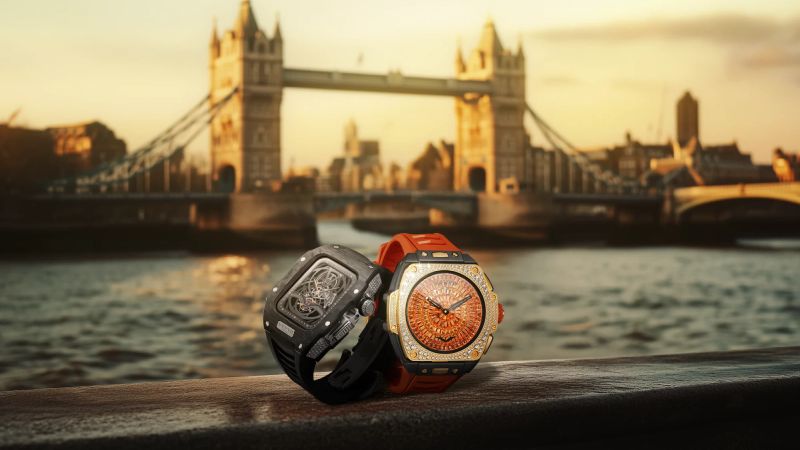
Choosing a luxury gold watch is a significant milestone, reflecting a deep appreciation for artistry, precision, and timeless design. By focusing on the quality of materials, the sophistication of the movement, and a design that truly speaks to you, you can select a masterpiece that will serve as a faithful companion for years to come. To explore curated examples of fine watchmaking, you can view the VERTU collection on the official store.
Frequently Asked Questions About Luxury Gold Watches
- Are luxury gold watches a good investment?
- While some rare or iconic models can appreciate in value, a luxury gold watch should primarily be considered an investment in craftsmanship and personal enjoyment. Their value is more stable than fashion items due to the intrinsic worth of the gold and the enduring appeal of fine watchmaking.
- How can I tell if a gold watch is real?
- Authentic gold watches have specific hallmarks indicating purity (e.g., '18k' or '750'). They also have a significant weight. The most reliable method is to purchase from an authorised dealer and have the watch authenticated by a professional jeweller or watchmaker.
- What does 18k gold mean on a watch?
- 18-karat (18k) gold is an alloy consisting of 75% pure gold mixed with 25% other metals like copper, silver, or palladium. This alloy is the standard for high-end jewellery and watches as it offers a rich, deep colour whilst being durable enough for daily wear.
- What is the difference between an automatic and a quartz gold watch?
- An automatic watch is powered by a mechanical movement that winds itself using the motion of the wearer's wrist. A quartz watch is battery-powered and offers higher accuracy with less maintenance. Collectors often favour automatic movements for their intricate craftsmanship.
- How often should a luxury gold watch be serviced?
- A mechanical or automatic gold watch should typically be serviced every 3-5 years to clean, lubricate, and check the movement for accuracy and wear. A quartz watch only needs a battery change every few years, though a pressure test for water resistance is also recommended.
- Can you wear a gold watch every day?
- Yes, 18k gold is durable enough for daily wear. However, as gold is a relatively soft metal, it can be prone to scratches and scuffs. It is advisable to be mindful of your activities to preserve its polished finish for as long as possible.