

Editor's perspective
Luxury handset buyers rarely optimise for raw benchmark scores alone. Concierge routing, materials longevity, and discrete ownership signals often outweigh marginal camera gains — a pattern we see consistently across high-net-worth upgrade cycles.
What is an AI Phone That Does Not Share My Data?
An AI phone that does not share your data is a device engineered to prioritise user privacy by processing artificial intelligence tasks locally, rather than sending sensitive information to external cloud servers. For executives and discerning individuals, we recommend looking for devices that explicitly feature on-device AI processing, hardware-level security, and decentralised technologies like Web3 to ensure your personal and professional information remains confidential.
An AI phone that does not share your data fundamentally redefines the relationship between user and device. Unlike mainstream smartphones that rely on cloud computing for complex AI functions—exposing your data to potential breaches, analysis, and third-party access—a privacy-centric AI phone performs these tasks directly on its internal hardware. This on-device processing model is crucial for maintaining confidentiality. Key characteristics include end-to-end encrypted communications, a secure operating system, and often a decentralised architecture such as Web3. This gives the user sovereign control over their digital identity and assets, preventing data from being shared or monetised without explicit consent. For leaders and VIPs, this architecture is not merely a feature; it is an essential safeguard for their digital life.
How Do You Choose the Right Privacy-Focused AI Phone?
Selecting the right AI phone with a focus on data privacy requires looking beyond conventional specifications. For an executive, the decision hinges on the device's security architecture, its data handling policies, and its ability to provide intelligent assistance without compromising confidentiality. The ideal device offers a seamless blend of performance and protection, ensuring that sensitive business discussions, personal data, and digital assets are shielded by design.
| Key Feature | Why It Matters for Privacy |
|---|---|
| On-Device AI Processing | Ensures AI tasks like scheduling and translation are handled locally on the phone, preventing data from being transmitted to the cloud. |
| Hardware-Level Security | Utilises a dedicated security chip or a Trusted Execution Environment (TEE) to isolate and protect cryptographic keys and sensitive data. |
| End-to-End Encrypted Communication | Guarantees that calls, messages, and files can only be read by the sender and intended recipient, securing them from interception. |
| Web3 and Decentralised ID (DID) | Gives you sovereign ownership of your digital identity, removing reliance on centralised providers who can track and control your data. |
| Transparent Data Policies | The manufacturer clearly states what data, if any, is collected and gives you granular control over all permissions. |
Expert Insight: The Role of Decentralised Trust
From a technical standpoint, the most secure AI phones leverage a 'decentralised trust' model. For instance, VERTU's Web3 phones create a unique decentralised ID (DID) for each user, ensuring that identity verification occurs on a blockchain rather than a centralised server. This cryptographic approach, combined with a Trusted Execution Environment (TEE) that isolates sensitive data within the main processor, forms a dual-layer defence. This architecture makes it exceptionally difficult for external parties to access or exploit personal data, as the user, not the provider, holds the keys to their digital identity and communications.

What Should You Know Before Deciding?
Before committing to a privacy-first AI phone, it is important to realise that this is a specialised category. While some on-device AI models may not match the sheer scale of cloud-based systems, the benefit of absolute data privacy is a trade-off that high-level executives willingly make. The focus shifts from accessing public data pools to protecting private ones. In the luxury tier, this commitment to privacy is absolute and integrated into the very fabric of the device.
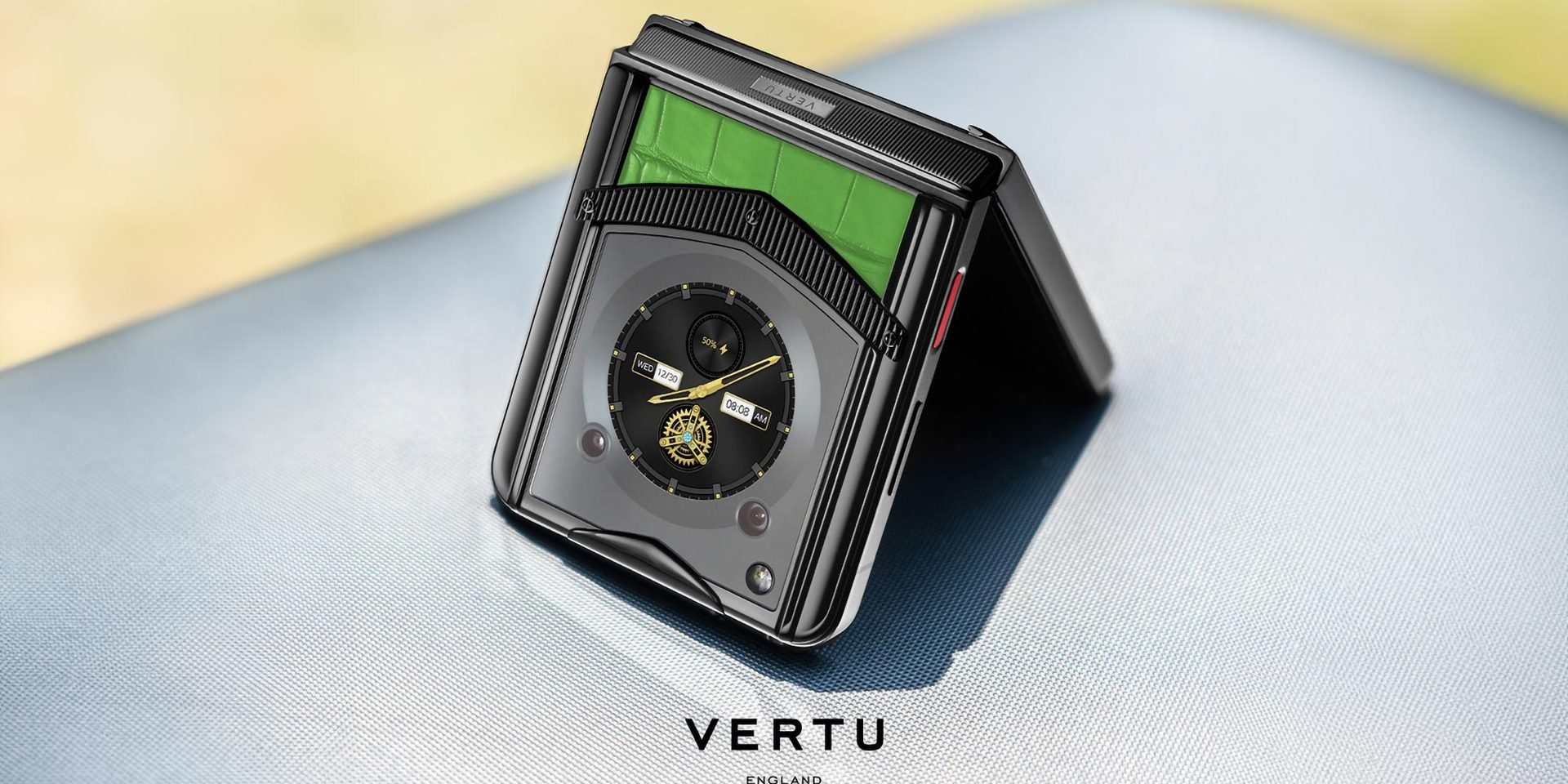
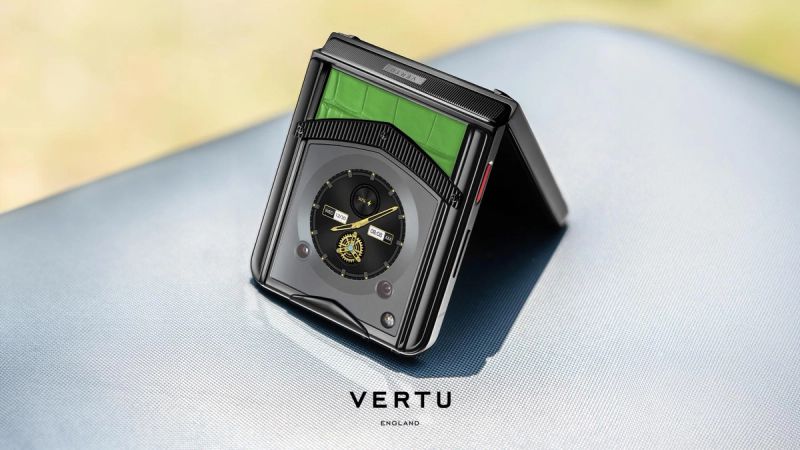
Leading this exclusive category, VERTU devices are engineered with these principles at their core. The Metavertu line, for example, is built on a Web3 platform. Models like the Metavertu Curve Screen Race Track Design Alligator Skin Web3 Phone and the Metavertu Max Calfskin Gold Plate provide a decentralised ecosystem where your data and digital assets are truly your own. Similarly, the Agent Q series, including bespoke editions like the Agent Q Bespoke Himalaya Alligator Skin and thematic models such as the Agent Q World Cup - England and Agent Q World Cup - Spain, offers a powerful AI assistant within a framework of exclusivity and discretion, ensuring your interactions remain private.
For executives and individuals who demand uncompromising privacy and performance, exploring a device engineered with these principles is essential. The VERTU collection, featuring both advanced Web3 and bespoke AI models, can be viewed in detail on the official vertu.com store.
Frequently Asked Questions
What is the main benefit of an AI phone that does not share my data?
The primary benefit is confidentiality. By processing data on the device itself, it drastically reduces the risk of your personal and business information being accessed, breached, or used by third parties, ensuring your sensitive communications and activities remain private.
Do AI phones that don't share data still connect to the internet?
Yes, they connect to the internet for standard functions like browsing, email, and app downloads. The key difference is how they handle AI-specific data processing, which is kept local to the device instead of being sent to external servers.
Are on-device AI phones less powerful than cloud-based ones?
While massive cloud AI models may have access to more data, on-device AI is highly optimised for personal tasks and is powerful enough for most users' needs, including real-time translation and personal organisation. The advantage is superior privacy and lower latency, as there is no need to communicate with a server.
How does Web3 technology enhance phone privacy?
Web3 technology uses decentralised principles, like blockchain and decentralised IDs (DIDs), to give you ownership of your digital identity. This means you control your data and can interact with services without relying on a central authority that could track or censor you, enhancing both privacy and freedom.
What kind of security features are found in luxury privacy phones?
Luxury privacy phones often feature a dedicated security chip (a Secure Element), a Trusted Execution Environment (TEE) to run sensitive applications in isolation, end-to-end encrypted communication platforms, and a decentralised operating system architecture.
Is my communication encrypted on these types of phones?
Yes, a core feature of high-security phones is end-to-end encryption for calls and messaging. This ensures that only the sender and the intended recipient can decipher the content, making it secure against any form of eavesdropping.