| Model | Category | Key Features | Approx. Price | Best For |
|---|---|---|---|---|
| Nokia 2780 Flip | Classic Feature Phone | 4G, FM Radio, 5MP Camera, USB-C | $90 | Budget-conscious detoxers |
| Light Phone 3 | Premium Minimalist | OLED B&W screen, no social media, GPS | $699 | Professionals wanting high-end design |
| Punkt MP02 | Secure Minimalist | Signal Messaging, rugged build, T9 texting | $300 | Privacy enthusiasts & "Ghost" users |
| HMD Barbie Phone | Aesthetic/Trend | Bright pink, flip design, "Zen" software | $100 | Fashion-forward Y2K lovers |
| Cat S22 Flip | Rugged/Dumb-ish | Android Go, waterproof, Google Maps | $70 | The "Gateway" phone (kept for maps) |
| Mudita Kompakt | E-Ink Minimalist | E-ink screen, distraction-free OS | $350 | Readers & those with eye strain |
This article explores the growing "dumb phone" trend among Gen Z, examining the psychological, social, and aesthetic reasons behind this shift toward digital minimalism. We analyze how a generation born into the smartphone era is leading the charge in reclaiming their focus, mental health, and privacy through intentional technology choices.
Why is Gen Z buying dumb phones?
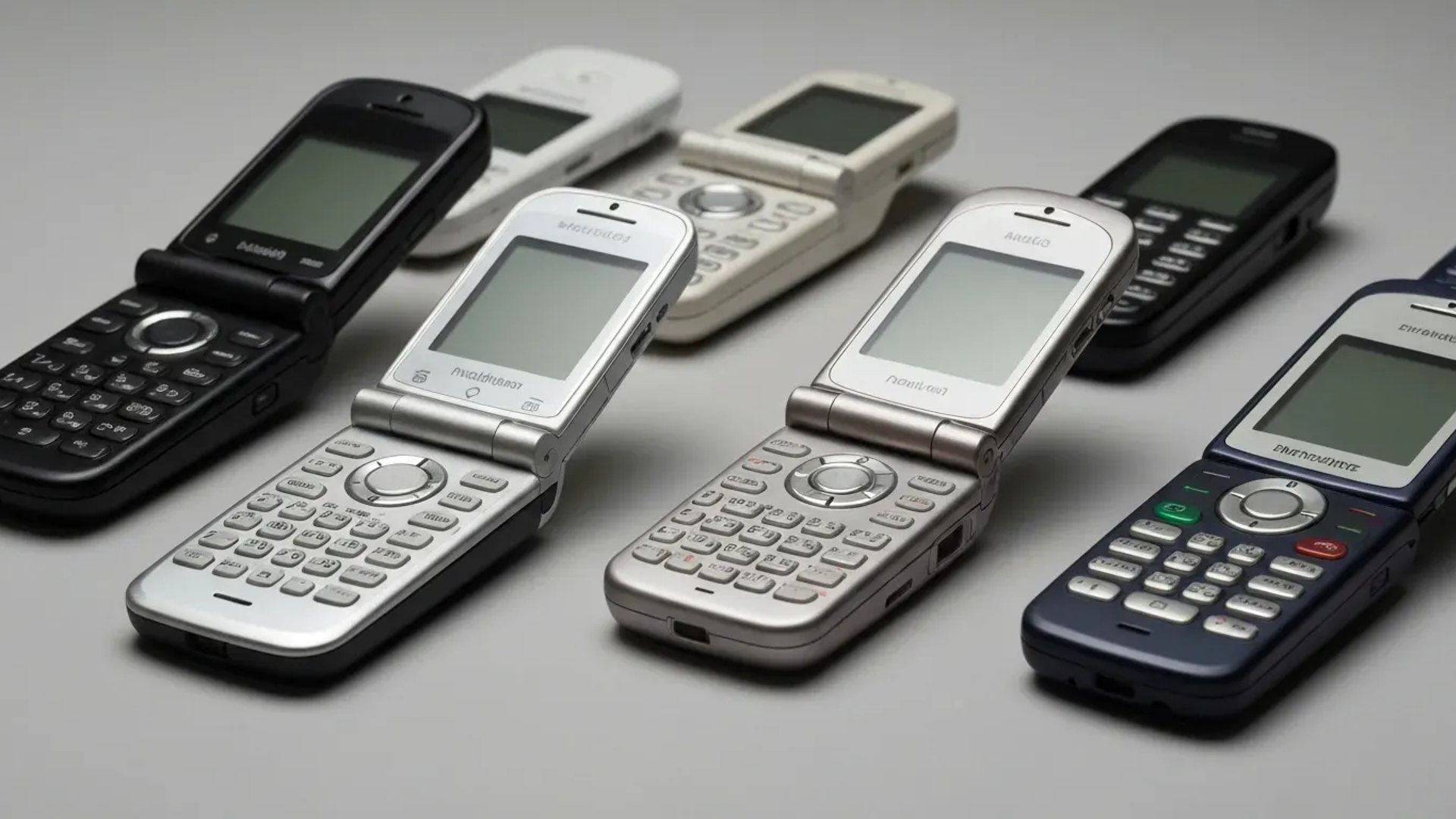
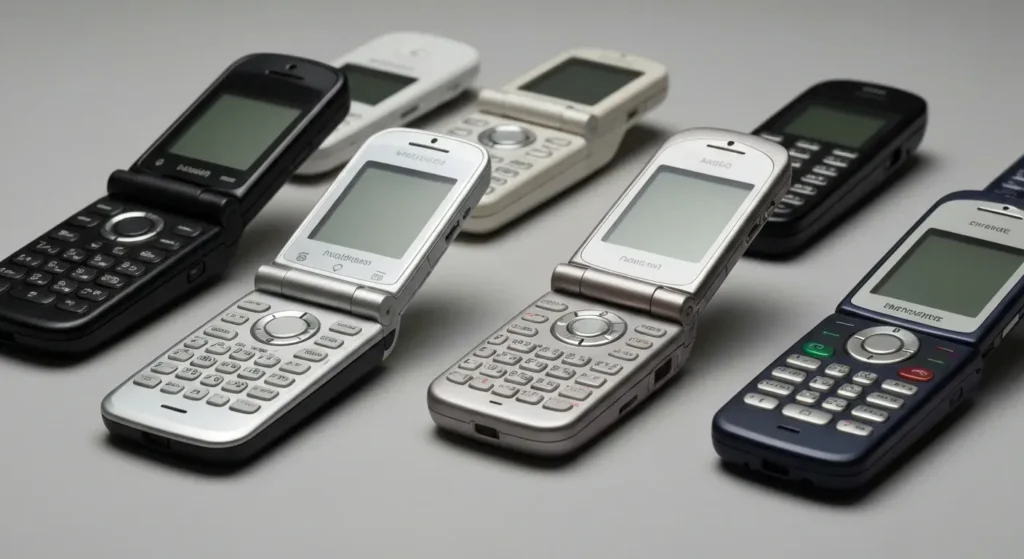
Gen Z is buying "dumb phones" (feature phones with limited capabilities) primarily to combat smartphone addiction, improve mental health, and reclaim their attention from the dopamine-driven design of social media algorithms. By switching to devices that only support calling and texting, young people are effectively opting out of "doomscrolling," constant notifications, and the pressure of 24/7 digital availability. This movement, often referred to as "Digital Minimalism" or the "Analog 2026" shift, is fueled by a desire for improved focus, enhanced data privacy, and a nostalgic appreciation for the tactile, retro aesthetic of the Y2K era. For Gen Z, the dumb phone has evolved from an outdated relic into a modern status symbol of self-control and intentional living.
Introduction: The Digital Fatigue of a Hyper-Connected Generation
Generation Z (born 1997–2012) is often defined as the first generation of "digital natives." However, in 2026, a significant portion of this demographic is pushing back against the very technology that defined their upbringing. The "dumb phone" movement—the intentional switch from high-powered smartphones to basic feature phones—is no longer just a fringe experiment. It is a multi-million-dollar industry shift driven by a collective realization: constant connectivity comes at a massive psychological cost.
1. The Psychological Driver: Reclaiming Mental Health
The most potent reason behind the "dumb phone" resurgence is the detrimental impact of smartphones on mental well-being.
- Social Media Burnout: Studies show that Gen Z spends an average of 6 to 7 hours per day on their smartphones. This constant exposure to curated "perfect" lives on platforms like Instagram and TikTok fuels anxiety, comparison, and a sense of inadequacy.
- The Dopamine Loop: Smartphones are designed to be addictive. Every notification and "like" triggers a dopamine release. Gen Z users are increasingly aware of this "brain rot" and are using dumb phones as a hard reset for their reward systems.
- Anxiety Reduction: By removing the ability to constantly check emails, DMs, and news feeds, young adults report a significant decrease in "FOMO" (Fear Of Missing Out) and social anxiety.
- Improved Sleep Quality: The absence of blue-light-emitting apps and late-night scrolling allows for more natural melatonin production, leading to deeper, more restorative sleep.
2. Focus and Productivity: Ending the Age of Distraction
For a generation entering a competitive workforce, the inability to focus has become a major professional hurdle. The dumb phone is being marketed as the ultimate productivity tool.
- Elimination of Task-Switching: Smartphones encourage constant multitasking, which actually reduces cognitive capacity. A feature phone forces a single-tasking mindset.
- Deep Work Habituation: Without the lure of a 15-second video, users find it easier to enter "flow states" during study or work sessions.
- Real-World Engagement: Gen Z "dumb phone" advocates often cite "being present" as a primary benefit. Choosing a basic phone means actually looking at the world around you rather than down at a screen while waiting for a bus or sitting in a café.
- Academic Performance: Many college-aged users have switched to "minimalist" phones during finals or high-stress projects to ensure their attention remains on their education.
3. The Aesthetic and Nostalgia Factor: Y2K and Anemoia
There is an undeniable "cool factor" now associated with flip phones and "bricks."
- The Y2K Aesthetic: The early 2000s are currently the dominant trend in fashion and tech. Flip phones are seen as a stylish accessory that complements the "indie sleaze" or "retro-tech" look popular on social media (ironically).
- Tactile Satisfaction: There is a physical pleasure in flipping a phone shut to end a call or pressing real buttons. In an era of sterile glass touchscreens, tactile feedback is a novelty.
- Anemoia: This is the feeling of nostalgia for a time one never actually lived through. Younger Gen Zers long for the "simpler times" of the early 2000s—a period they perceive as having more authentic human connections before the internet became all-consuming.
4. Data Sovereignty and Privacy Concerns
As Gen Z becomes more tech-literate, their skepticism of "Big Tech" has grown.
- Anti-Surveillance: High-end smartphones are essentially tracking devices that monitor location, browsing habits, and even voice data for targeted advertising. Basic phones offer a "dark mode" for your personal data.
- Algorithmic Independence: By moving to a dumb phone, users escape the "echo chambers" created by algorithms. They choose what information to seek out rather than having it pushed to them.
- Security by Obscurity: A phone that cannot run complex apps is naturally more resistant to many modern forms of malware and phishing that target mobile operating systems.
5. Comparing the Top "Dumb Phones" of 2026
If you are looking to join the digital detox movement, the market now offers a variety of devices catering to different levels of minimalism.
Minimalist Phone Comparison Table
6. The "Analog 2026" Movement: A Status Symbol
Interestingly, having a dumb phone has become a status symbol. It signals that the user is "important enough" to be unreachable or "disciplined enough" to not need a digital pacifier.
- Intentionality as Luxury: In a world where everyone is "always on," the ability to be "offline" is the new luxury.
- Community Building: Movements like the "Luddite Club" in New York City involve teens meeting up to read paper books and sit in silence, leaving their smartphones at home.
- The "Work Phone" Shift: Many Gen Z professionals are now using a smartphone strictly for 9-5 work hours and switching to a dumb phone for their personal life to maintain clear boundaries.
7. How to Successfully Transition to a Dumb Phone
Switching "cold turkey" can be difficult. Experts recommend a phased approach to ensure the lifestyle change sticks.
- Identify "Essential" Apps: Before switching, determine which apps are actually tools (Maps, Banking, Uber) and which are distractions (TikTok, Instagram).
- The "Two-Phone" Strategy: Carry a dumb phone as your primary device, but keep an old smartphone in your car or bag for emergencies like GPS or mobile payments.
- Inform Your Circle: Let friends and family know that you will only be reachable via text or call. This manages expectations for response times.
- Find Analog Alternatives: Replace your phone's alarm with a real alarm clock, your Kindle app with physical books, and your camera app with a standalone point-and-shoot.
FAQ: Common Questions About the Dumb Phone Trend
Q: Can I still use WhatsApp on a dumb phone?
A: Most "true" dumb phones do not support WhatsApp. However, some "smart feature phones" like the Nokia 2720 or devices running KaiOS do support a limited version of WhatsApp and Google Maps.
Q: Is it expensive to switch?
A: Actually, it's often much cheaper. A basic Nokia costs under $100, and prepaid plans for talk/text are significantly less expensive than high-speed data plans. However, "premium" minimalist phones like the Light Phone can be as expensive as a mid-range smartphone.
Q: How do I handle GPS and navigation?
A: This is the biggest hurdle. Some users keep a dedicated GPS unit in their car, while others opt for a "dumb-ish" phone like the Cat S22 Flip which can run Google Maps but is too clunky for social media scrolling.
Q: Is this just a fad?
A: While the aesthetic might be a trend, the underlying motivation—mental health and focus—is a long-term cultural shift. As AI and algorithms become more intrusive, the desire for an "analog escape" is expected to grow.
Q: Does it actually help with anxiety?
A: Yes. Most users report a "phantom vibration" period for the first 48 hours, followed by a significant sense of relief. Without the constant pressure to respond to every ping, the nervous system begins to deregulate and calm.
Conclusion: Choosing a Life Over a Feed
The rise of the dumb phone among Gen Z is a powerful indicator that the "more is better" philosophy of the Silicon Valley era is reaching its breaking point. By choosing a device that does less, young people are finding that they can do—and feel—more. Whether it's for the aesthetic of a pink flip phone or the deep peace of a notification-free afternoon, the "Analog 2026" movement proves that sometimes, the smartest move you can make is to get a dumber phone.
![Top 10 Luxury Watches for the 24 Hours of Le Mans [2026]](https://cdn.sanity.io/images/e0gp1l2g/production/c4f6bf8c080f291c39f7cc85c7344ecff2fd3799-1024x553.webp?w=180&h=180&q=78&auto=format&fit=crop)
![Top 10 Luxury Watches for the 24 Hours of Le Mans [2026]](https://cdn.sanity.io/images/e0gp1l2g/production/c4f6bf8c080f291c39f7cc85c7344ecff2fd3799-1024x553.webp?w=800&h=450&q=82&auto=format&fit=crop)
![Top 10 Luxury Watches for a Lake Como Villa Weekend [New]](https://cdn.sanity.io/images/e0gp1l2g/production/f7e19dae4716d953fb36dcb010628a1e4bc82931-300x169.webp?w=800&h=450&q=82&auto=format&fit=crop)