| Brand & Model | Primary Material | Avg. Resale Value | Key Investment Driver |
|---|---|---|---|
| Hermès Birkin 25 | Matte Alligator | 210% – 250% | Extreme scarcity; blue-chip asset |
| Hermès Mini Kelly II | Shiny Alligator | 150% – 200% | High demand for mini-silhouettes |
| The Row Margaux 15 | Alligator | 100% – 115% | "New Classic" status; stealth wealth |
| Louis Vuitton Capucines | Alligator | 70% – 85% | Artisan-led "Exotics" expansion |
| Chanel Classic Flap | Vintage Alligator | 120% – 140% | Discontinued exotics; finite supply |
| Lana Marks Cleopatra | American Alligator | 90% – 110% | Bespoke rarity; celebrity demand |
| Gucci Jackie 1961 | Alligator | 80% – 95% | Archive revival; high brand heat |
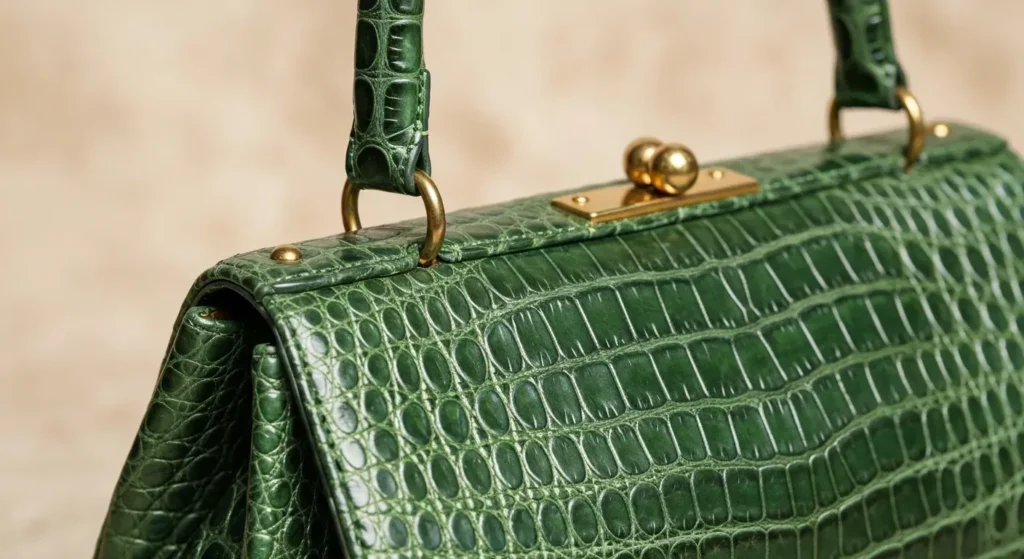
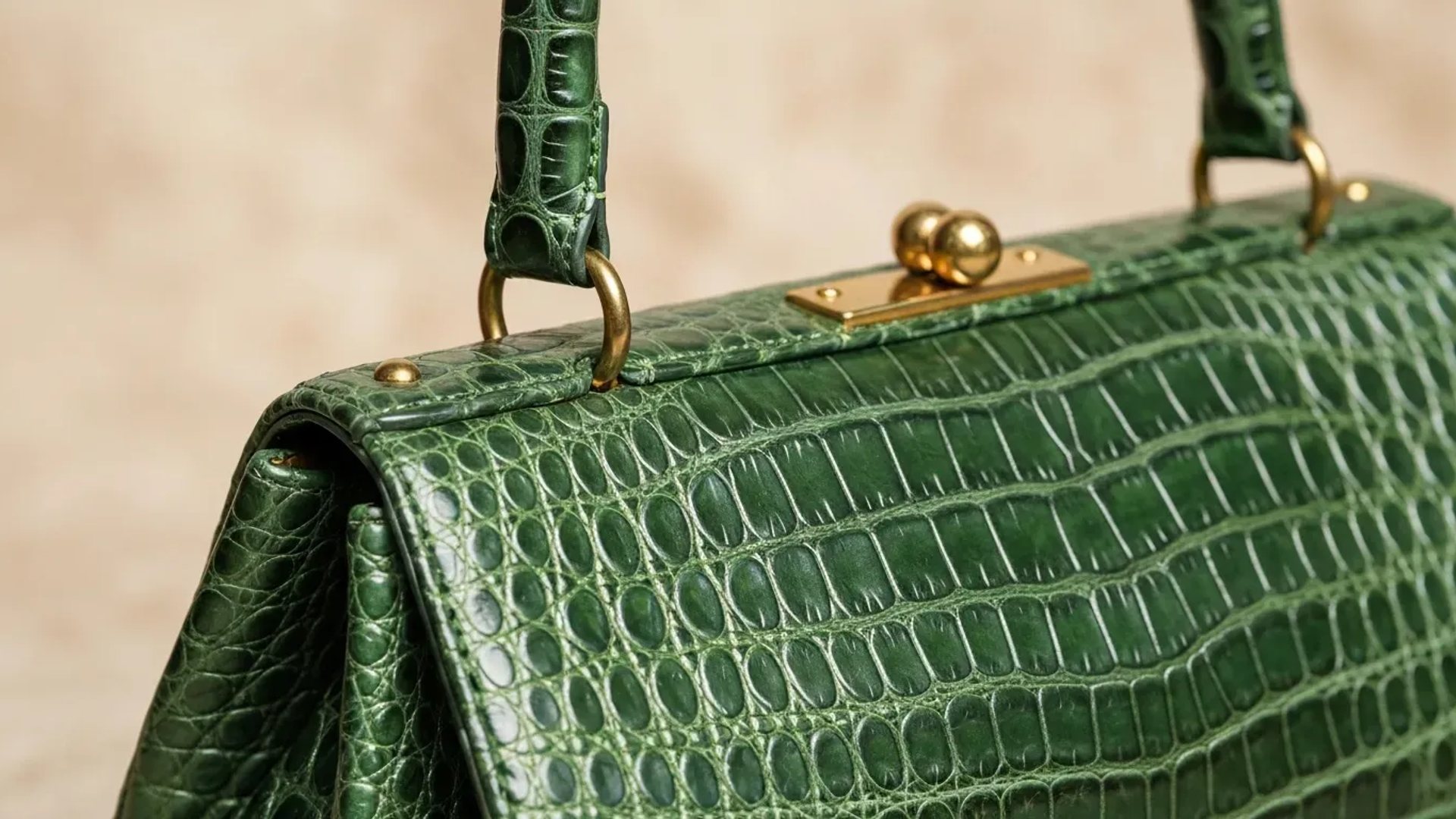
The top 7 alligator skin bags for investment in 2026 are the Hermès Birkin 25, Hermès Mini Kelly II, The Row Margaux 15, Louis Vuitton Capucines, Chanel Vintage Flap, Lana Marks Cleopatra Clutch, and the Gucci Jackie 1961. These pieces are prioritized for their scarcity, high resale value retention (averaging 90%–240%), and timeless architectural design.
Investing in luxury handbags has shifted from a hobby to a serious asset class, with alligator skin remaining the pinnacle of "hard assets" due to its rarity and strict CITES regulations. This article evaluates the premier alligator pieces set to dominate the collector market in 2026, focusing on craftsmanship, market liquidity, and heritage value.
Comparison Table: Top Alligator Investment Bags for 2026
Detailed Analysis of the Top 7 Alligator Investment Pieces
1. Hermès Birkin 25 (Matte Alligator)
The Hermès Birkin 25 in matte alligator remains the ultimate investment piece. In 2026, the market favors smaller sizes and matte finishes over shiny (lisse) variants.
- Authentication: Look for the square (□) stamp next to the Hermès logo, denoting Alligator Mississippiensis .
- Growth: Value typically increases by 10%–15% annually at retail, with secondary market premiums often doubling the original price.
2. Hermès Mini Kelly II (Shiny Alligator)
Scarcity is the primary driver for the Mini Kelly . Its architectural form works exceptionally well with the rigid structure of alligator skin.
- Why it works: Small-scale exotics require "Grade 1" skins with perfect symmetry, making them harder to produce than larger bags.
- 2026 Trend: Vibrant "exotic-only" colors like Vert Émeraude and Rose Schéhérazade are the most liquid assets.
3. The Row Margaux 15 (Alligator)
Often called the "Birkin of the next generation," The Row Margaux has achieved cult status.
- Investment Potential: The alligator version is produced in extremely limited quantities.
- Market Sentiment: As a "quiet luxury" staple, it lacks overt logos, appealing to ultra-high-net-worth individuals who prioritize material over branding.
4. Louis Vuitton Capucines (Alligator)
Louis Vuitton has aggressively positioned the Capucines as their premier investment silhouette.
- Craftsmanship: Each bag involves over 250 individual steps. The alligator skin is often sourced from their own Hcp tanneries to ensure vertical quality control.
- Value: While it has lower initial resale than Hermès, the "Rare & Exceptional" collection has shown steady 5%–8% growth in value retention since 2024.
5. Chanel Classic Flap (Vintage Alligator)
Since Chanel ceased the production of exotic skins in late 2018, Vintage Alligator Flaps have become finite resources.
- Investment Angle: Because you can no longer buy these at boutiques, the secondary market is the only source.
- Scarcity: Finding a 1990s or early 2000s piece in "Excellent" condition is a high-yield play for 2026.
6. Lana Marks Cleopatra Clutch
A staple of the Oscars red carpet, the Cleopatra Clutch is a specialized investment.
- Customization: Often featuring diamond-encrusted hardware, these are treated more like high jewelry than leather goods.
- Liquidity: These are niche but maintain value due to their association with global royalty and celebrity icons.
7. Gucci Jackie 1961 (Alligator)
Under new creative directions, the Gucci Jackie has seen a massive resurgence.
- 2026 Outlook: The 2026 "Heritage" collection features the Jackie in polished alligator with updated piston hardware.
- Trend: It captures the "vintage revival" trend that is currently dominating the luxury resale market.
How to Identify Investment-Grade Alligator Skin
To ensure your purchase is a true investment piece for 2026 , adhere to these expert criteria:
- Scale Symmetry: High-value bags use the "belly" of the alligator. Look for rectangular scales that are perfectly mirrored on either side of the bag's center.
- Umbilical Scar: Authentic alligator skin features a small, star-shaped "umbilical scar" among the scales. Unlike crocodiles, alligators do not have pores in their scales.
- CITES Certification: All investment-grade exotics must come with a CITES (Convention on International Trade in Endangered Species) "passport." Without this, the bag cannot be legally resold across borders.
- Hardware Condition: In 2026, collectors prefer original plastic films or PVD (Physical Vapor Deposition) coatings that prevent oxidation on gold or palladium fittings.
FAQ: Investing in Alligator Skin Bags
Q: Is alligator skin more valuable than crocodile?
A: Generally, yes. Alligator skin is softer and more supple than crocodile, which can be more rigid. However, the Porosus crocodile (marked with a ^) is the only skin that consistently rivals or exceeds top-tier alligator in price.
Q: How do I maintain the resale value of an alligator bag?
A: Keep the bag in a climate-controlled environment (50% humidity). Avoid direct sunlight, which can "age" the natural pigments, and never use standard leather conditioners—only specialized exotic skin creams.
Q: Why is 2026 a good year to buy alligator?
A: Regulatory tightening on exotic farming has restricted supply, while global demand for "hard assets" is rising. This "Ethical Scarcity" ensures that certified, high-quality pieces are likely to appreciate.
Q: Can I travel with an alligator bag?
A: Only if you have the CITES certificate. Many customs agencies will seize exotic bags without proper documentation, immediately nullifying your investment.
Q: What color alligator bag has the best resale value?
A: Black, Gold (tan), and Gris (grey) are the "safe" investments. However, limited-edition "Himalayan" gradients or high-saturation jewel tones like Emerald Green often command the highest auction premiums.