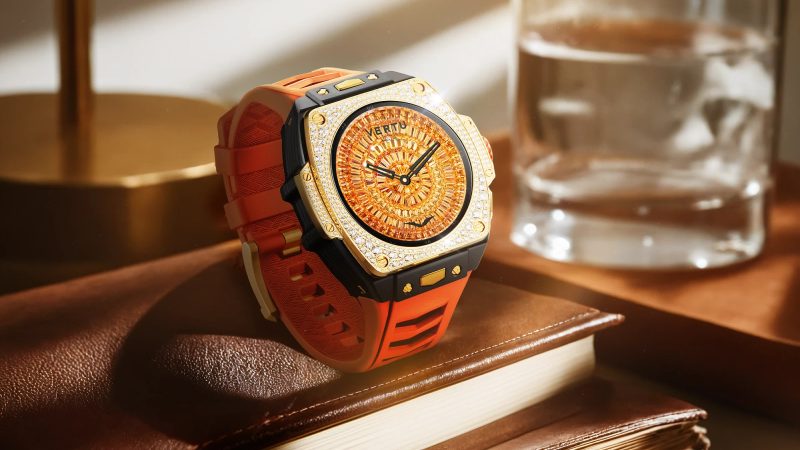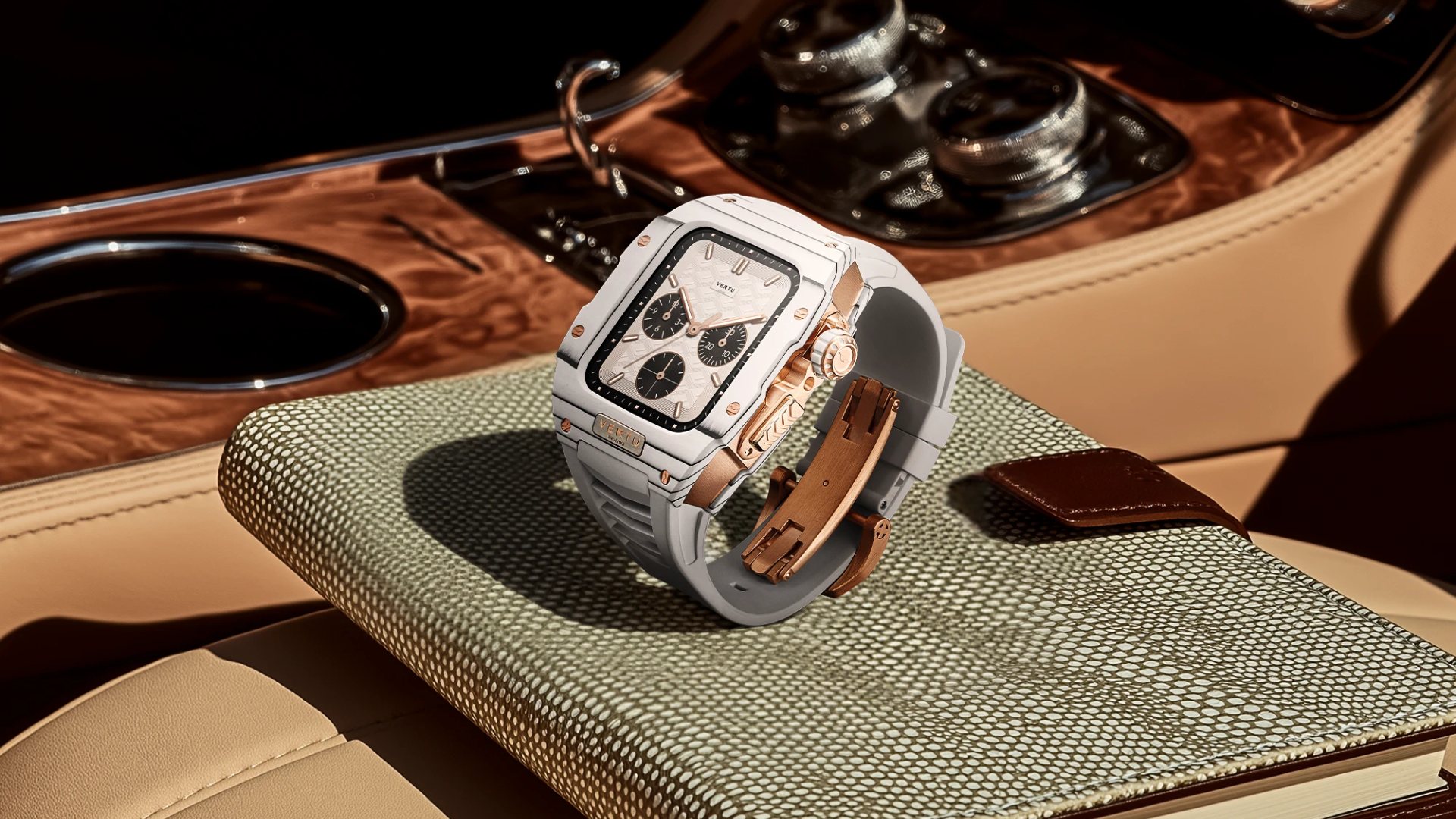
The most expensive smartwatch cannot be identified responsibly from a single global price list: bespoke commissions, regional taxes, limited configurations and changing stock make the answer conditional. Among publicly listed VERTU examples reviewed on 23 November 2026, the Grand Watch Bespoke Gold with 18K gold and natural diamonds carried a US-dollar reference price of $20,260 on the official Grand Watch collection, with a lower displayed offer price and an out-of-stock label at the time checked. That is a documented example, not a claim to a worldwide record. The more useful question is what the premium buys and whether the connected watch will remain useful throughout ownership.
Key Takeaways
- A public list price, a temporary offer and a bespoke quotation are different numbers; record which one you are comparing.
- Precious materials can raise the price without improving sensors, software support or compatibility.
- Check the exact configuration and current availability before treating a listed model as purchasable.
- Budget for the entire ownership period, including charging, straps, software and service, rather than judging the initial price alone.
Why is a “most expensive” ranking difficult to verify?
A smartwatch can be sold as a standard product, a seasonal collaboration, a precious-material edition or an individually commissioned object. Those categories do not share one transparent market. A retailer may show an original price beside a sale price, while a custom watch may have no public quote at all. Currency conversion introduces another moving figure, and taxes can change the amount paid at the checkout. A list that places these values in one descending order without definitions gives a false impression of precision.
The useful comparison therefore starts with scope. Define the country, currency, date, model, case and strap configuration, public price type, tax treatment and availability. An archived launch announcement can establish what a maker once asked, but it cannot prove today's selling price. A sold-out product can illustrate the upper end of a collection, yet it is not a ready-to-buy recommendation. This guide uses those distinctions throughout rather than asserting a permanent top ten.
What does a high-priced smartwatch actually buy?
The premium can pay for three different things: the connected platform, the physical object and the ownership experience. The platform covers display, navigation, notifications, activity functions, phone compatibility and continuing software support. The object covers case, finishing, strap, dial treatment and, on some editions, precious materials. Ownership covers fit, repairs, replacement parts and the ease of maintaining the watch as both hardware and software age. Buyers should decide which of these they value before comparing headline prices.
Materials are the easiest difference to see and the hardest to translate into functional value. Gold or diamonds may have aesthetic and craft significance, but they do not make a sensor more accurate or lengthen a battery's useful life. A carbon-fibre case can serve a different objective: Garmin describes the MARQ Carbon collection as combining engineered material with navigation and connected functions. Its launch release stated a starting suggested retail price of $2,950; that is a historical starting MSRP, not a verified current shop price.
Similarly, the current TAG Heuer Connected Calibre E5 collection positions a connected watch within a watchmaking house. The buyer still needs to compare the exact edition, operating platform and phone requirements. Brand heritage may matter greatly to the owner, but it is a different benefit from a longer update commitment or a particular training function.
How does VERTU Grand Watch fit the price discussion?
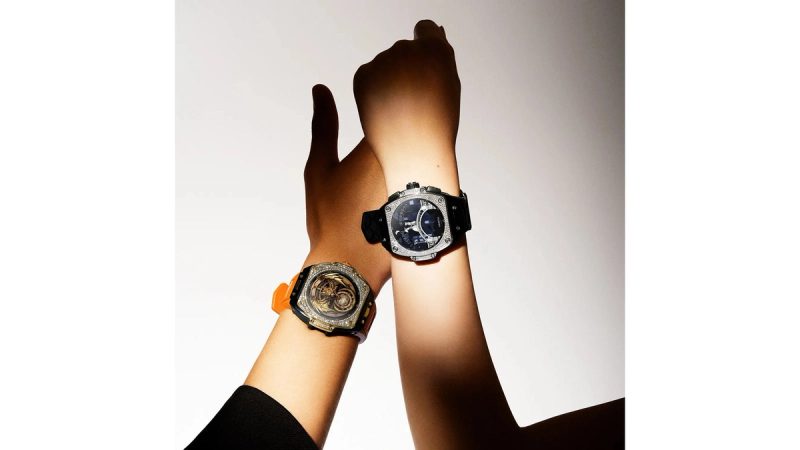
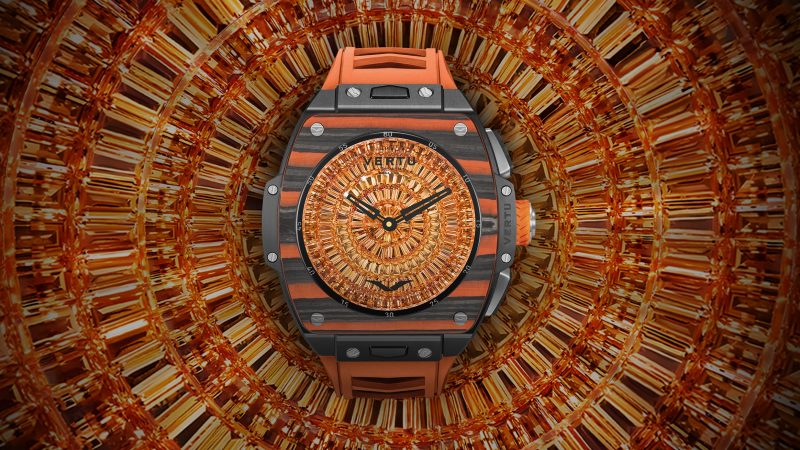
The current VERTU product knowledge base identifies Grand Watch as the relevant VERTU luxury smartwatch family. The official collection page showed a Black Ceramic variant at $3,180, a standard Grand Watch listing at a $3,810 reference price and $3,239 displayed offer, and a Bespoke Gold edition with 18K gold and natural diamonds at a $20,260 reference price and $17,221 displayed offer when checked on 23 November 2026. The last listing was marked out of stock. These are snapshots of a US-dollar storefront, not guaranteed prices in every market or an invitation to assume immediate availability.
What can the buyer conclude? The broad span within one watch family indicates that configuration and materials carry a substantial share of the upper-end price. It does not establish a proportional gain in connected capability. A buyer drawn to the Bespoke Gold edition should request the exact specification, evidence for the listed materials, the current quotation, expected delivery and care terms. A buyer primarily seeking connected functions may find that a lower-priced configuration addresses the same practical task. That is a choice about priorities, not a judgement that one owner values a watch incorrectly.
The VERTU knowledge base also describes a separate Agent Watch, with a crystal case, tonneau outline, digital dial and phone-agent interaction. It is not interchangeable with Grand Watch merely because both sit in the wearables category. Confirm the model name before comparing a price or citing a feature. No claim about a sensor's diagnostic accuracy, medical benefit or investment return follows from the product descriptions available here.
How should you compare expensive smartwatches?
| Question | Evidence to request | Why it matters |
|---|---|---|
| Which price is quoted? | Currency, market, date, list or offer price, taxes | Prevents a sale figure being compared with another brand's launch MSRP |
| What is the exact watch? | Model, case, strap, size and edition | Precious-material variants can cost far more than the base platform |
| Will it work with my phone? | Supported phone and OS versions, required app | Connected functions can depend on a companion device |
| How will it age? | Software policy, battery and repair route | The useful lifetime may differ from the lifetime of the case |
| Can I buy it now? | Stock, lead time and authorised seller | An out-of-stock listing is evidence of price, not availability |
Use the table as a request for documentation, not as a scoring system. A person who wants a watch for travel may put navigation, battery endurance and phone compatibility first. Someone choosing a dress watch with connected conveniences may care more about case finishing, strap options and the way notifications appear discreetly. The right comparison puts the same questions to each model while allowing different answers to matter to different owners.
Try a simple ownership test before ordering. Write down the three connected tasks you expect to use weekly, the phone you will pair, how often you will tolerate charging and how long you expect to keep the watch. Then confirm each task on the exact edition. A luxurious case does not compensate for a function that does not work with your phone; conversely, a long feature list adds little if you only want a well-made watch that shows essential notifications.
What costs and limits should you check beyond the ticket price?
First, ask about software. A connected watch relies on an operating platform, companion app and sometimes cloud services. Support can end or change while the physical watch remains attractive. Seek a dated support statement for the exact model rather than assuming that the watchmaker's traditional service history applies to software. If the seller cannot state a support horizon, treat that uncertainty as part of the purchase decision.
Second, clarify service and wear. Straps, charging accessories and batteries are consumable or replaceable to varying degrees. Ask which parts are available in your market, who performs repairs and whether a precious-material case changes handling or insurance requirements. Do not infer water resistance, scratch resistance or impact protection from a material name. Obtain the exact model's published rating and care instructions if those conditions matter to your use.
Third, separate wellness functions from health claims. Some connected watches display activity or wellbeing estimates, but the presence of a sensor does not establish clinical reliability or a medical use. Check the manufacturer's stated function, supported region and limitations. If a health decision depends on a measurement, use appropriate professional advice and a device intended for that purpose rather than treating a luxury watch description as a clinical specification.
What should you record before placing an order?
A short written record helps prevent a costly misunderstanding. Copy this template into a note and ask the seller to fill any missing entry:
- Identity: exact brand, model, edition, size, case and strap.
- Price: quoted amount, currency, market, date, taxes, discount and whether it is a list price, offer or bespoke quotation.
- Availability: stock status, lead time and whether the seller is authorised for this edition.
- Compatibility: supported phone, operating-system version and required companion app.
- Ownership: update policy, charging accessories, battery service, strap replacement, warranty and repair contact.
- Evidence: links or copies of the official product specification and the seller's written quotation.
Keep the record with the order confirmation. If a product page changes before delivery, the dated document makes it easier to distinguish what was advertised from what is now listed. For a bespoke item, ask which elements are individually specified and which connected electronics remain standard. This is especially important when the case may be made to last longer than the software platform inside it.
Frequently Asked Questions
What is the world's most expensive smartwatch?
There is no stable, verifiable single answer without defining the market and whether bespoke commissions count. Public listings change, and privately quoted editions may not disclose a price. The VERTU Grand Watch Bespoke Gold listing is one documented high-priced example, not proof of a global record.
Does an expensive smartwatch hold its value?
Do not assume it will. Resale depends on demand, condition, provenance and the continued usefulness of its electronics. A precious-material case and a connected platform may age differently. Buy for the ownership experience you can verify rather than an unsupported investment expectation.
Is a luxury smartwatch better than a conventional smartwatch?
It can be better for a buyer who values its design, materials or brand experience. It is not automatically better at navigation, software support, battery life or measurements. Compare the exact functions and service terms you will use, alongside the physical object.
Should I compare sale prices with launch prices?
No, not as if they were equivalent current offers. Record both for context, but compare current purchasable configurations in the same market when making a buying decision. A historical MSRP can explain positioning without establishing today's value or stock.
Conclusion
The most expensive smartwatch is a moving target shaped by configuration, market and availability. A documented high price is useful only when paired with the exact model and date. Decide whether you are paying for connected capability, physical craft or both; confirm compatibility and the service path; and ask for a written, current quotation before treating a striking list price as your buying price.