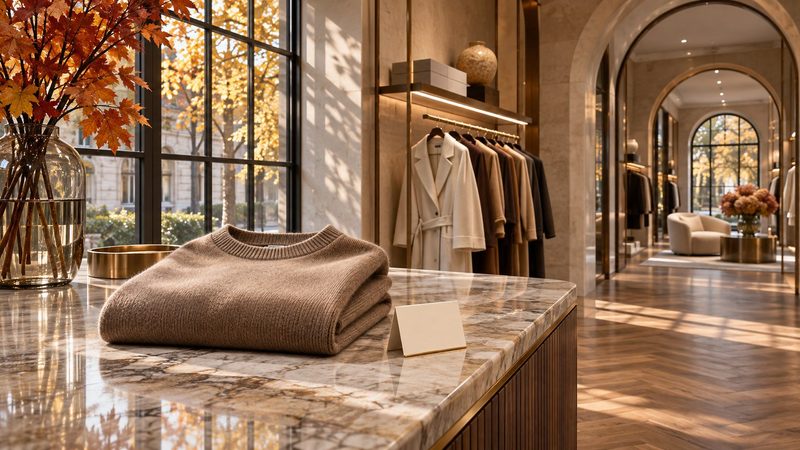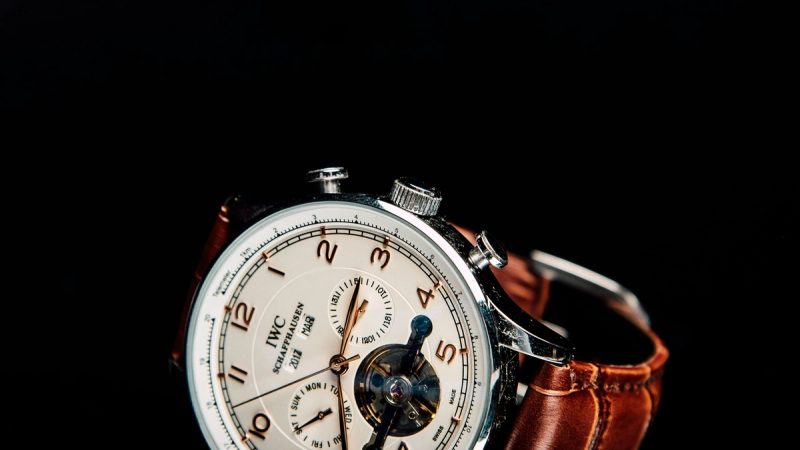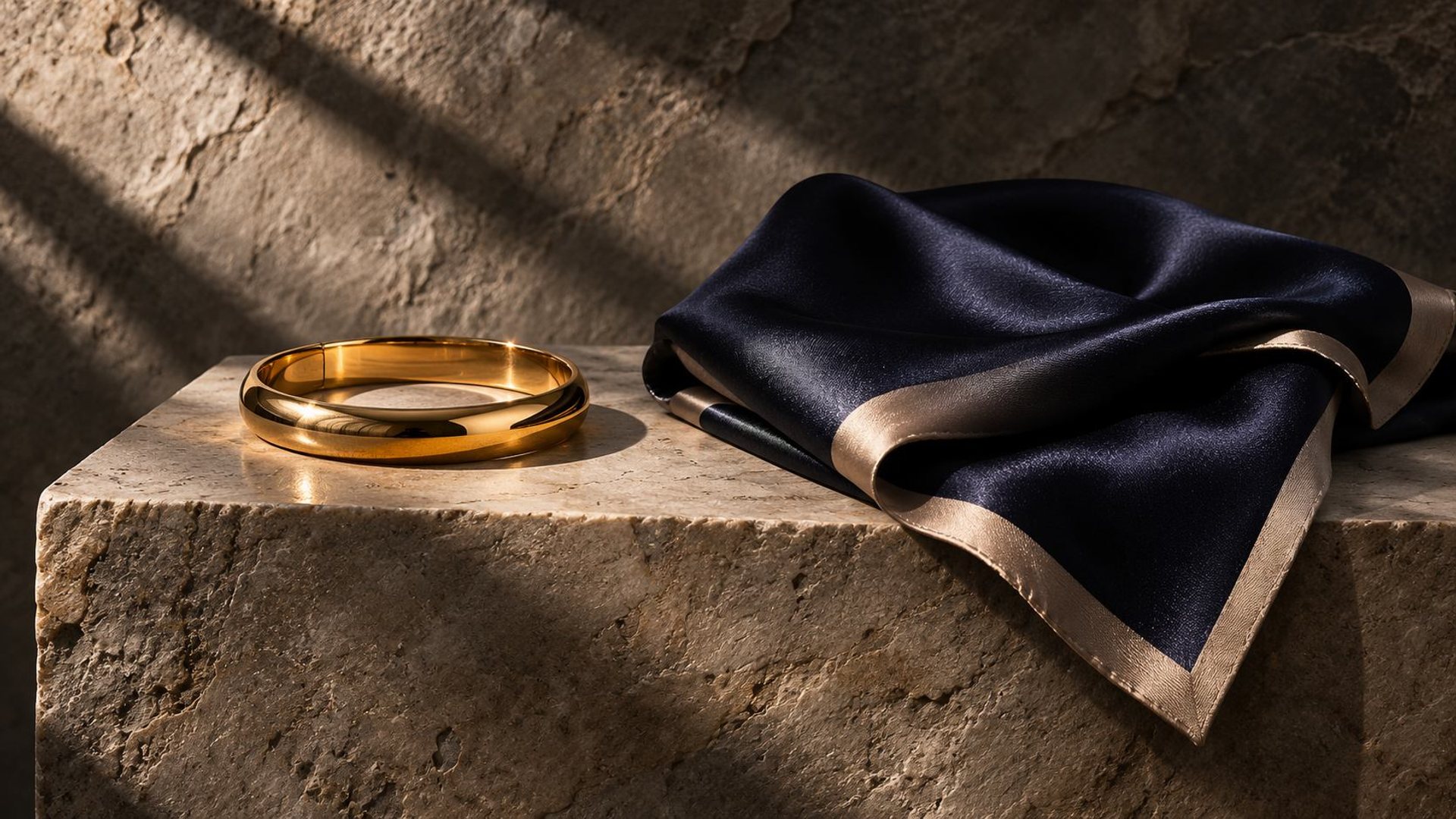
Hard luxury versus soft luxury describes a useful distinction between categories such as fine jewellery and watches and categories such as fashion and leather goods. It does not mean jewellery is guaranteed to hold value or that fashion loses it. In a downturn, buyers may weigh intrinsic materials, repairability and lasting use more heavily, but each purchase still needs item-level scrutiny.
What is hard luxury?
In industry usage, hard luxury commonly refers to watches and jewellery. Soft luxury commonly covers apparel and accessories. The labels describe product categories, not a certified quality standard. A poorly made watch does not become enduring merely because it is a watch; a well-made coat may serve its owner for decades.
Why might jewellery look more resilient?
Precious materials can have independently observable characteristics such as metal content or gemstone grading, and some designs can be repaired or reset. That may help buyers explain a purchase even when trends change. Yet brand premiums, retail margins, condition, provenance and resale fees can overwhelm material value. A purchase should not be framed as a dependable financial hedge.
What does the industry evidence actually show?
Market reports from Bain & Company track categories differently by period and geography; they are more useful for understanding sector direction than predicting the resale price of one item. Claims that all jewellery will outperform all fashion in 2026 go beyond what a category-level report can prove. Check the report's year, definition and regional scope before repeating a growth figure.
How should a buyer compare two objects?
| Question | Jewellery or watch | Fashion or leather |
|---|---|---|
| Documentation | Material, hallmark, certificate, movement and service history | Material disclosure, construction and care label |
| Condition | Setting, clasp, movement and previous repairs | Seams, edges, lining and wear |
| Long-term care | Cleaning and specialist service route | Cleaning, storage and repair route |
| Value | Compare actual resale evidence after fees | Judge use and repairability, not only resale |
Where does design heritage fit?
VERTU's broader design language draws on crafted objects across devices and accessories. That can be a reason to explore a piece, but do not infer precious-metal content, gemstone grade or resale performance from a collection name or an image. Request the exact product specification and care terms before comparing it with a conventional jewellery purchase.
Conclusion
Hard luxury versus soft luxury is a way to organise buying questions, not a promise of superior returns. The strongest purchase case is an object whose documented materials, construction, repair route and personal use justify its price today.