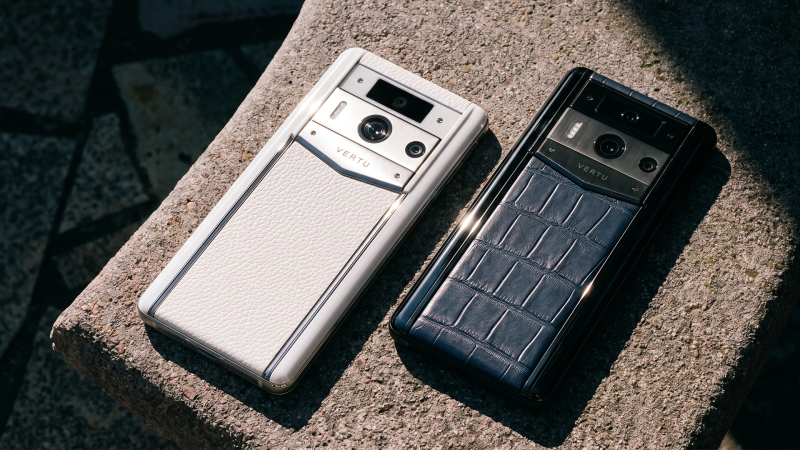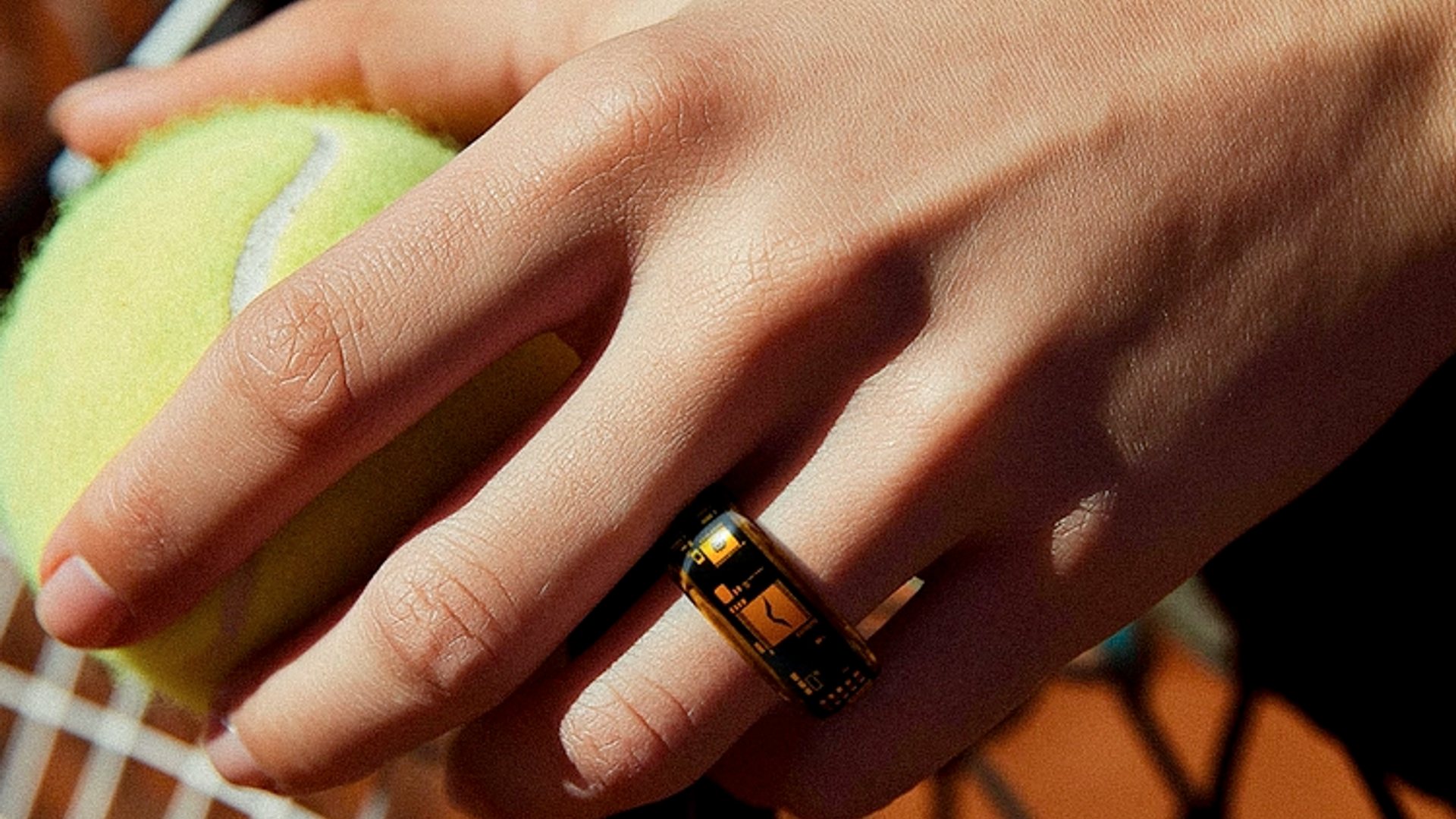
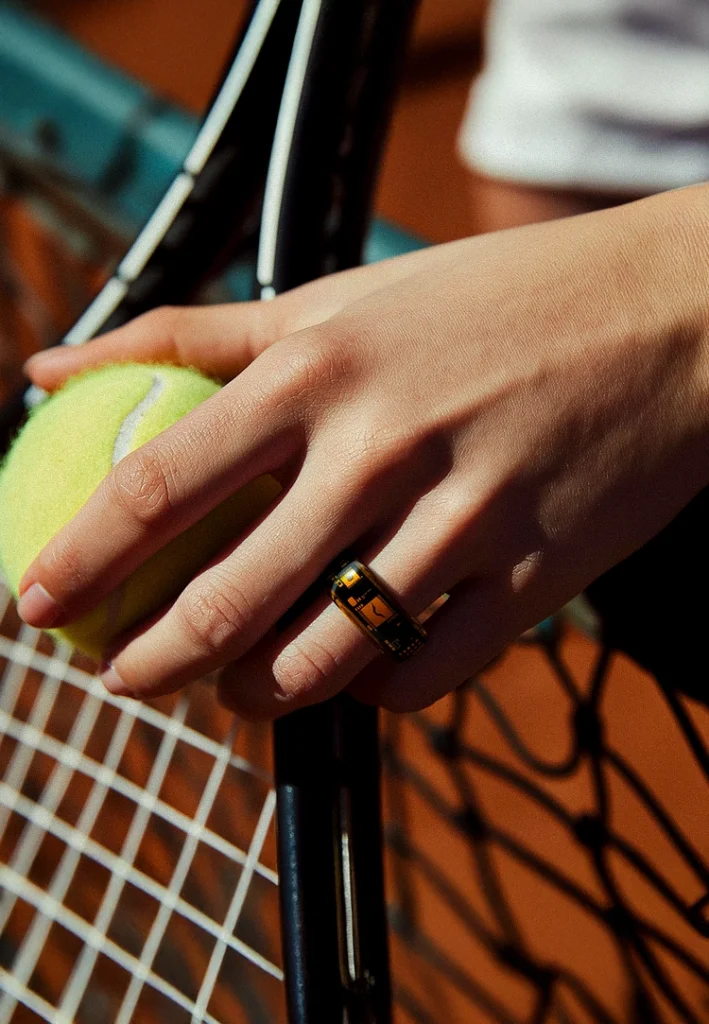
The luxury smart wearables market in the United States has evolved from a niche technology segment into a thriving multi-billion dollar industry that seamlessly merges haute horlogerie with cutting-edge innovation. As affluent consumers increasingly demand devices that deliver both premium craftsmanship and advanced functionality, the landscape of luxury wearables continues to transform at an unprecedented pace.
Market Overview: The Premium Wearables Revolution
The U.S. smart wearables market represents a significant portion of the global wearables industry, with North America commanding approximately 40% of the global market share. Within this broader market, luxury smart wearables have carved out a distinctive and rapidly expanding niche.
The U.S. smart wearables market is valued at approximately $45 billion based on recent analysis, with projections indicating substantial growth through 2030. The market demonstrates remarkable momentum, with an expected compound annual growth rate (CAGR) of 19.72% from 2025 to 2034.
The overall wearable technology sector shows equally impressive expansion. In 2024, North America held the largest wearable technology market share, accounting for 39.05% of the global market, solidifying the region's position as the undisputed leader in wearable tech adoption and innovation.
Defining Luxury Smart Wearables
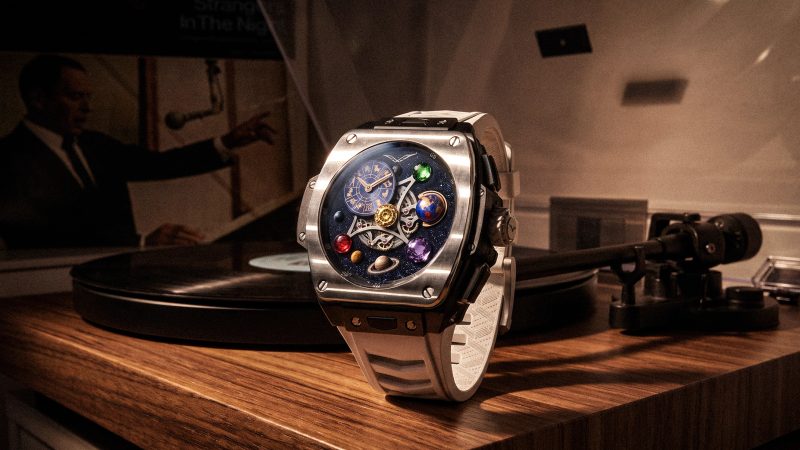
Luxury smart wearables represent a sophisticated fusion of traditional luxury craftsmanship with modern smart technology. Unlike mass-market wearables that prioritize affordability and basic functionality, luxury smart wearables distinguish themselves through:
Premium Materials : Sapphire crystal displays, titanium or ceramic cases, 18K gold finishes, hand-stitched leather straps, and even diamond embellishments
Heritage Branding : Timepieces from established luxury watchmakers with decades or centuries of horological expertise
Exclusive Design : Limited edition releases, collaborations with renowned designers, and distinctive aesthetic signatures
Superior Craftsmanship : Swiss-made movements, meticulous attention to detail, and artisanal production methods
Advanced Features : Cutting-edge health monitoring, AI-powered insights, and seamless ecosystem integration
Price Premium : Devices typically ranging from $1,000 to $5,000+, compared to mainstream smartwatches at $300-$500
Market Segmentation and Leadership
Smartwatch Dominance
Smartwatches command the largest share of the U.S. smart wearables market by product type, accounting for approximately 46% of market revenue in 2024. This dominance reflects consumer preference for multifunctional devices that combine timekeeping with comprehensive health tracking, communication capabilities, and lifestyle management.
Apple's Market Supremacy
Apple maintains an overwhelming position in the U.S. smartwatch market. Apple led smartwatch shipments with 23% global market share in Q3 2025, with North American shipments growing 26% year-over-year. The company's dominance is even more pronounced domestically, with Apple's watchOS commanding 53.2% share of 2024 U.S. unit sales.
The Apple Watch has transcended its tech origins to establish itself as a luxury lifestyle accessory, particularly through collaborations with prestigious brands. The Apple Watch Hermès edition exemplifies this luxury positioning, featuring exclusive leather bands crafted by the French luxury house and commanding premium pricing above standard models.
Traditional Luxury Players
While Apple dominates overall market share, traditional luxury watchmakers have successfully established distinctive positions in the high-end segment:
TAG Heuer : The Swiss watchmaker pioneered luxury smartwatches with its Connected line, bridging performance-oriented design with Swiss craftsmanship. TAG Heuer appeals to active, sports-oriented consumers who appreciate both heritage and innovation.
Montblanc : With its Summit collection, Montblanc targets sophisticated professionals seeking understated elegance. The Summit 3, crafted from lightweight titanium with design cues from Montblanc's 1858 collection, offers refined aesthetics paired with Wear OS functionality.
Louis Vuitton : The French luxury fashion house's Tambour Horizon line represents fashion-forward smartwatch design. The Tambour Horizon Light Up features a distinctive LED ring with 24 animated Louis Vuitton monogram lights beneath sapphire crystal, creating a unique visual signature.
Hublot : Known for avant-garde designs, Hublot brings bold innovation to luxury smartwatches with blockchain integration, advanced sports tracking, and materials that adapt to body temperature.
These luxury brands collectively represent a smaller but highly profitable market segment, appealing to affluent consumers for whom brand prestige and exclusivity justify premium pricing that can exceed $3,000-$5,000 per device.
The Emerging Luxury: Smart Rings
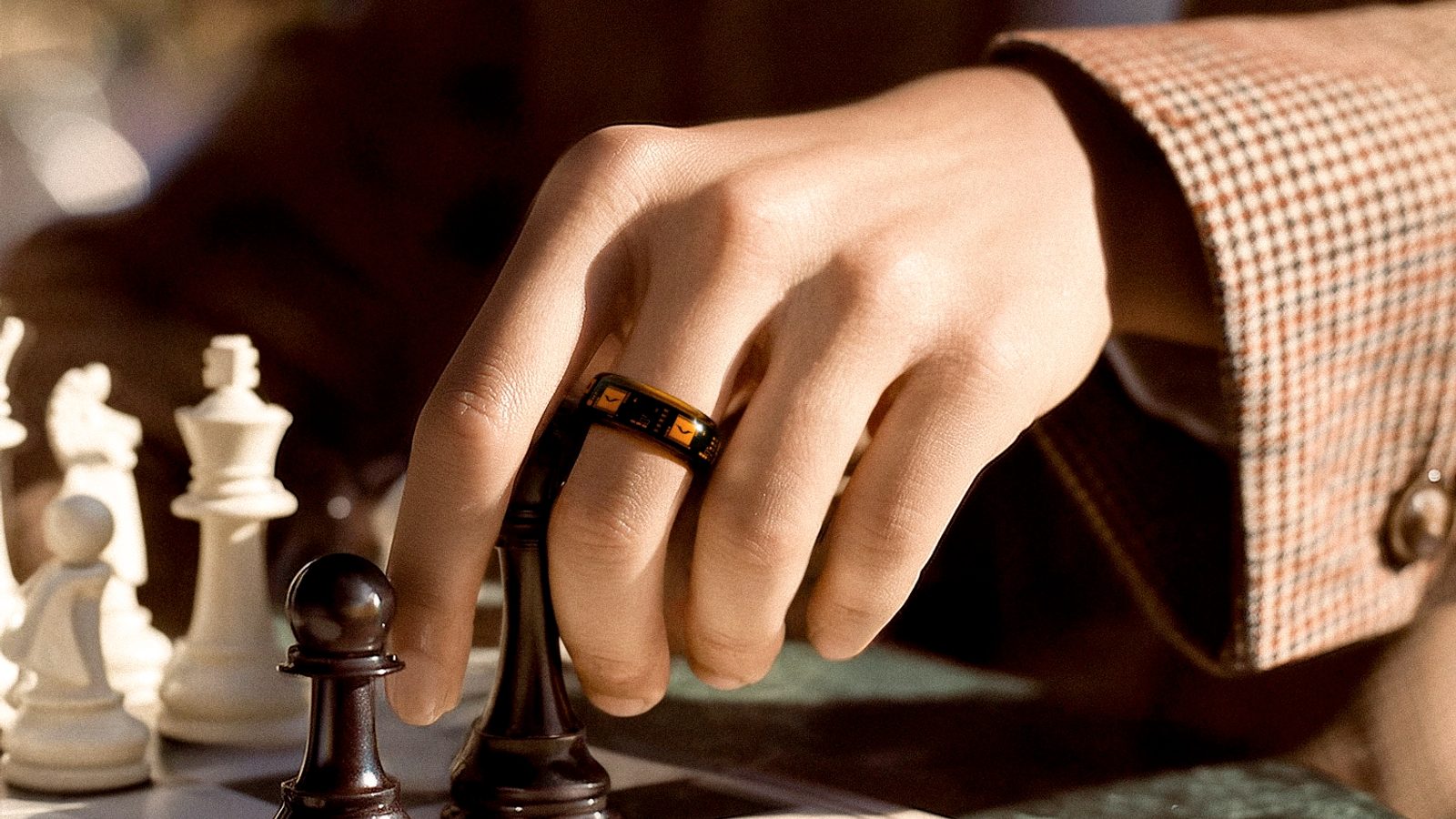
Smart rings represent the fastest-growing category within luxury wearables, offering discreet health monitoring without the visual footprint of a smartwatch. This segment has experienced explosive growth, with smart rings projected to post the fastest CAGR at 19.8% through 2030.
Oura's Market Domination
Oura has sold over 5.5 million rings as of September 2025, with more than half sold in the preceding year. The company's trajectory is remarkable: Oura's revenue surpassed $500 million in 2024—more than double the prior year—and is projected to reach $1 billion in sales in 2025.
While wrist-borne wearables experienced decline in certain markets, ring wearables essentially doubled in size, growing at over 100% year-over-year. This explosive growth reflects changing consumer preferences, particularly among women who represent a significant portion of Oura's customer base.
Smart Ring Market Dynamics
The smart ring market, though still nascent compared to smartwatches, shows extraordinary potential. The global smart ring market was valued at $348.56 million in 2024 and is projected to reach $1,101.60 million by 2030, growing at a CAGR of 21.1%.
Within this market, Oura's dominance is unparalleled. Historical data shows Oura held approximately 80% market share in 2023, though competition from Samsung's Galaxy Ring (launched in 2024) and brands like Ultrahuman and RingConn has begun fragmenting this leadership.
The luxury positioning of smart rings derives from several factors:
- Premium pricing : Oura Ring 4 starts at $349, with high-end finishes exceeding $500
- Subscription model : Oura requires a $5.99 monthly membership for full functionality
- Discreet elegance : Offers health tracking without the conspicuous tech aesthetic
- Sophisticated insights : Advanced sleep tracking, stress monitoring, and readiness scores
- Material quality : Available in titanium, gold, and ceramic finishes
Consumer Demographics and Preferences
Age and Income Segmentation
Individual consumers hold approximately 61% of the U.S. smart wearables market in 2024, with the remainder split between enterprise, healthcare, and athletic applications. Within individual consumers, age demographics reveal distinctive patterns:
Younger consumers aged 18-34 demonstrate the strongest interest in smartwatches, driving luxury brands like TAG Heuer and Montblanc to enhance features and exclusivity to capture this demographic. These consumers seek devices that blend traditional aesthetics with modern technology.
The luxury segment particularly appeals to high-income professionals and affluent consumers who value brand heritage, investment-quality timepieces, and distinctive design. North America wearable technology market held over 34% of global share in 2024, driven by high disposable incomes and strong penetration of companies like Google LLC and Apple Inc.
Gender Preferences
Smart rings have demonstrated particularly strong appeal among women, with Oura reporting that female users represent a significant and growing portion of their customer base. This reflects the product's understated design, comprehensive women's health tracking features (including menstrual cycle monitoring and pregnancy insights), and smaller form factor compared to smartwatches.
For smartwatches, male consumers have historically dominated the market, though brands are increasingly targeting women with smaller case sizes, fashion-forward designs, and health features specifically relevant to women's wellness.
Regional Distribution
The Western United States dominated the smart wearables market in 2024, while the Southern United States is expected to be the fastest-growing region during the forecast period. Major metropolitan areas like New York, Los Angeles, San Francisco, and Seattle serve as key markets driven by tech-savvy populations, high disposable incomes, and strong adoption of connected devices.
Health and Fitness: The Primary Value Proposition
Health monitoring capabilities represent the fundamental driver of smart wearables adoption across all market segments. The health & fitness monitoring segment accounts for approximately 52% of the U.S. smart wearables market in 2024.
Advanced Health Features
Modern luxury smart wearables offer increasingly sophisticated health monitoring:
Cardiovascular Monitoring : Continuous heart rate tracking, ECG capabilities, blood oxygen (SpO2) measurement, and heart rate variability analysis
Sleep Optimization : Multi-stage sleep tracking, sleep quality scoring, circadian rhythm analysis, and personalized recommendations
Stress Management : Real-time stress detection, guided breathing exercises, and resilience scoring
Activity Tracking : GPS-based workout tracking, automatic activity recognition, calorie burn estimation, and performance metrics
Metabolic Health : Emerging features include blood glucose monitoring through partnerships (like Oura's integration with Dexcom continuous glucose monitors) and metabolic age calculations
Women's Health : Menstrual cycle tracking, ovulation prediction, pregnancy insights, and perimenopause monitoring
FDA Clearance and Medical-Grade Features
The convergence of wearables with regulated healthcare represents a significant trend. Several devices have received FDA clearance for specific medical functions, including Apple Watch's ECG and irregular heart rhythm notifications. This regulatory validation enhances the credibility and utility of luxury wearables, particularly for health-conscious affluent consumers.
Rapid adoption of remote patient monitoring codes under the 2025 Physician Fee Schedule is motivating primary-care practices to prescribe ECG-class wearables, with monthly reimbursements creating new pathways for wearables in clinical care.
Technology Trends Shaping Luxury Wearables
Artificial Intelligence Integration
AI-powered features distinguish premium wearables from basic fitness trackers. Advanced algorithms analyze biometric data to provide personalized health insights, predict potential health issues, and deliver proactive recommendations. AI enables features like:
- Predictive health analytics identifying patterns that may indicate developing conditions
- Personalized workout coaching adapting to individual fitness levels and goals
- Smart notifications that learn user preferences and minimize interruptions
- Voice assistants enabling hands-free interaction
AI integration in U.S. smart wearables drives market growth, with AI-powered technology transforming the accuracy and efficacy of wearable sensors by detecting and modifying errors in collected information.
Extended Battery Life
Battery technology improvements address one of the primary pain points of early smartwatches. Luxury models now routinely achieve 24-48 hour battery life, with some specialized devices like Garmin's MARQ collection offering multi-week runtime through solar charging capabilities.
Enhanced Connectivity
The Bluetooth segment accounts for approximately 58% of the U.S. smart wearables market in 2024, while the cellular segment is expected to register the fastest growth during the forecast period. 5G integration enables standalone functionality, allowing smartwatches to operate independently of smartphones for calls, messaging, and data access.
Advanced Display Technology
AMOLED and LTPO display technologies deliver vibrant visuals with improved power efficiency. Sapphire crystal screens on luxury models provide scratch resistance and durability befitting premium timepieces.
Materials Innovation
Luxury wearables increasingly feature aerospace-grade titanium, ceramic composites, and sapphire crystal—materials that combine durability with lightweight comfort. Some brands explore sustainable materials, including recycled metals and vegan leather alternatives, appealing to environmentally conscious luxury consumers.
Distribution Channels and Purchasing Behavior
Online vs. Offline Sales
Direct-to-consumer brand stores account for approximately 42% of the U.S. smart wearables market in 2024, while online retail and e-commerce are expected to register the fastest growth during the forecast period.
Luxury brands maintain boutique retail presences in major cities, providing experiential environments where customers can interact with products before purchasing. However, even affluent consumers increasingly prefer online purchasing for convenience, broader selection, and price comparison.
Retail Partnerships
Oura has expanded accessibility through partnerships with major retailers, now available at over 4,000 retail locations across twenty countries. The brand has also secured distribution through premium channels like American Express benefits programs, enhancing brand prestige while expanding reach.
Luxury watchmakers maintain exclusive relationships with high-end department stores, authorized dealers, and their own flagship boutiques, preserving brand control and premium positioning.
Competitive Landscape and Market Share Distribution
Mainstream Smartwatch Leaders
Beyond Apple's dominant position, other major players include:
Samsung : The Korean electronics giant holds significant Android market share, with the Galaxy Watch line offering comprehensive features at competitive prices. Samsung briefly entered the luxury smart ring market with the Galaxy Ring in 2024.
Garmin : Specializes in fitness and outdoor enthusiasts, with premium lines like MARQ commanding $1,500-$2,500 price points. Garmin witnessed growth in North America with the introduction of new models in Q3 2025.
Fitbit (Google) : Focuses on health and fitness tracking at accessible price points, though Google has begun elevating the brand through integration with Pixel devices and Wear OS.
Luxury Segment Competition
The luxury smartwatch segment remains fragmented, with traditional watchmakers competing against tech companies moving upmarket:
- Heritage watchmakers (TAG Heuer, Montblanc, Hublot) leverage century-old reputations
- Fashion luxury brands (Louis Vuitton, Hermès via Apple partnership) emphasize style and exclusivity
- Technology brands (Apple, Samsung) introduce premium tiers with luxury materials and collaborations
No single player dominates the luxury segment the way Apple dominates overall smartwatch sales, creating opportunities for differentiation through unique positioning.
Growth Drivers and Market Opportunities
Aging Population and Proactive Health Management
The U.S. aging population increasingly seeks proactive health management tools. Wearables that monitor cardiovascular health, detect falls, and track medication adherence appeal to older adults and their caregivers. Luxury models offering discrete, stylish designs attract affluent seniors who reject overtly medical-looking devices.
Women's Health Focus
Wearables companies are investing heavily in women's health features, recognizing an underserved market segment. Enhanced menstrual tracking, fertility insights, pregnancy monitoring, and perimenopause management create compelling value propositions for female consumers.
Oura specifically has prioritized women's health, with features that provide comprehensive cycle insights and pregnancy tracking, contributing to strong adoption among women.
Enterprise and Healthcare Integration
The healthcare providers segment is expected to register the fastest growth in the U.S. smart wearables market during the forecast period. Medical practices increasingly prescribe wearables for chronic disease management, with insurance reimbursement making devices more accessible.
Oura secured a $96 million contract with the U.S. Department of Defense in October 2024, demonstrating growing institutional adoption beyond consumer sales.
Subscription Services and Recurring Revenue
The shift toward subscription-based business models creates recurring revenue streams. Oura requires a monthly membership for full functionality, while other brands offer premium subscriptions for advanced insights and features. This model aligns incentives toward long-term customer engagement rather than one-time hardware sales.
Expanding Use Cases
Beyond health and fitness, luxury wearables increasingly serve as:
- Payment devices : Contactless payment integration eliminates need for physical cards
- Digital keys : Access control for vehicles, homes, and hotel rooms
- Identity verification : Secure authentication for banking and sensitive applications
- Travel companions : Boarding passes, itinerary management, and destination guides
Market Challenges and Constraints
High Price Sensitivity
Premium smartwatches can cost upwards of $300, limiting adoption among price-sensitive consumers. Luxury models commanding $1,000-$5,000 appeal only to affluent segments, constraining total addressable market.
Battery Life Limitations
Despite improvements, daily or bi-daily charging remains inconvenient compared to traditional watches that never require charging. This practical consideration deters some luxury watch enthusiasts from embracing smart alternatives.
Technology Obsolescence
Unlike mechanical luxury watches that retain value and functionality for decades, smartwatches face technological obsolescence as software support ends and hardware capabilities lag behind newer models. This challenges the luxury watch proposition of investment-grade timepieces.
Competition from Traditional Watches
Traditional wristwatches, particularly those with premium designs and craftsmanship, continue serving as substitutes for smartwatches. Many affluent consumers prefer classic watches for their timeless design, craftsmanship, and status signaling, particularly for formal occasions.
Data Privacy Concerns
Data privacy and security concerns present major challenges for the smart wearables market, as devices collect sensitive personal health data vulnerable to hacking or misuse. Affluent consumers may be particularly sensitive to privacy risks given their profile and assets.
Subscription Fatigue
While recurring revenue benefits companies, consumers increasingly resist subscription requirements for hardware they've already purchased. Oura's mandatory membership fee has drawn criticism despite the device's capabilities.
Regional Analysis: USA Market Specifics
The United States represents the world's largest and most sophisticated market for luxury smart wearables, characterized by:
High Disposable Income : American consumers, particularly coastal urban professionals, possess purchasing power to afford premium wearables
Technology Adoption : The U.S. leads global technology adoption, with consumers eager to embrace new innovations
Health Consciousness : Growing awareness of preventive health and wellness drives demand for monitoring devices
Brand Consciousness : American luxury consumers value prestige brands and are willing to pay premiums for recognized names
Healthcare Costs : High U.S. healthcare costs motivate preventive health measures and remote monitoring to avoid expensive interventions
Comparison to Global Markets
While the U.S. dominates in absolute market size, other regions show distinctive characteristics:
Europe : Strong preference for Swiss and German luxury watchmakers; slower smartwatch adoption but growing smart ring interest
Asia-Pacific : Largest market by volume but lower average selling prices; brands like Huawei and Xiaomi dominate affordable segments
China : Massive market with local champions like Huawei commanding significant share; luxury foreign brands face competition from domestic alternatives
The U.S. market's combination of affluence, technology enthusiasm, and health consciousness creates optimal conditions for luxury smart wearables growth.
Future Outlook and Projections
Market Growth Trajectory
Multiple forecasts point to robust continued expansion:
The North America smart watch market is expected to reach $53.10 billion in 2025 and grow at a CAGR of 16.5% to reach $113.95 billion by 2030.
The global smartwatch market was valued at $33.58 billion in 2024 and is projected to grow to $105.20 billion by 2032, exhibiting a CAGR of 15.43%.
These projections suggest the smart wearables market will more than double over the next five years, with luxury segments likely experiencing even faster growth as brands refine positioning and features.
Emerging Product Categories
Smart Glasses : The next frontier in luxury wearables. Smart eyewear is poised for breakout growth in 2026, with projections exceeding $30 billion by 2030. Ray-Ban Meta glasses demonstrate mainstream appeal, while luxury brands explore opportunities to bring fashion-forward smart eyewear to market.
Smart Clothing : E-textiles integrating biometric monitoring into athletic wear and everyday garments represent emerging opportunities, though luxury positioning remains nascent.
Implantables : Though controversial, subcutaneous health monitors may emerge as ultra-premium offerings for consumers seeking comprehensive, invisible monitoring.
Technology Evolution
Future luxury wearables will likely feature:
- Non-invasive glucose monitoring : Eliminating need for finger pricks or external sensors
- Blood pressure tracking : Adding cardiovascular monitoring without cuffs
- Advanced body composition analysis : Providing detailed metabolic insights
- Enhanced AI coaching : Delivering increasingly personalized health optimization
- Longer battery life : Multi-day or even multi-week runtime through improved efficiency
- Flexible displays : Enabling new form factors and design possibilities
Sustainability and Ethical Considerations
Luxury brands increasingly face pressure to address environmental and social responsibility. Future differentiators may include:
- Recycled and ethically sourced materials
- Carbon-neutral production and shipping
- Repair and upgrade programs extending device lifespan
- Transparent supply chain practices
- Data privacy protections exceeding regulatory minimums
Investment and M&A Activity
The luxury smart wearables sector attracts significant investment and consolidation activity:
Oura secured $900 million in funding in 2025, signaling investor confidence in smart ring potential. The company's valuation reached $5.2 billion, making it the world's most valuable standalone wearable company.
In July 2025, Amazon acquired AI wearables company Bee, indicating Big Tech interest in expanding wearables portfolios beyond watches. Google's acquisition of Fitbit for $2.1 billion in 2019 similarly demonstrated strategic importance of wearables capabilities.
Traditional luxury conglomerates may pursue acquisitions of promising wearables startups to accelerate technology capabilities, while tech companies continue hiring watchmaking experts to enhance design credibility.
Conclusion: The Future of Luxury on Your Wrist
The luxury smart wearables market in the United States stands at an inflection point where technology sophistication, health monitoring capabilities, and premium design converge to create genuinely compelling products for affluent consumers. With the U.S. commanding 36-40% of the global smart wearables market and luxury segments demonstrating robust growth, opportunities abound for both heritage luxury brands and innovative technology companies.
Apple's dominant market position in smartwatches reflects the company's ability to combine technology leadership with lifestyle brand appeal, while traditional luxury watchmakers like TAG Heuer, Montblanc, and Louis Vuitton carve distinctive niches through heritage, craftsmanship, and exclusivity. The explosive growth of smart rings, led by Oura's remarkable success, demonstrates that consumers seek diverse form factors matching different lifestyle needs and preferences.
Key success factors for luxury smart wearables include:
- Authentic brand heritage or compelling technology leadership
- Superior materials and craftsmanship justifying premium pricing
- Meaningful health insights beyond basic activity tracking
- Distinctive design that signals status and taste
- Seamless ecosystem integration enhancing daily utility
- Long-term software support protecting consumer investment
As the market matures, winners will be those who successfully balance the competing demands of technology innovation, luxury positioning, and genuine utility. The fusion of Swiss watchmaking tradition with Silicon Valley innovation promises exciting developments ahead, with the luxury smart wearables market poised to exceed $100 billion globally by 2030.
For consumers, the expanding universe of luxury smart wearables offers unprecedented choice—from Apple Watch Hermès editions to Swiss-made TAG Heuer Connected models to discreet Oura smart rings. Whether prioritizing health optimization, status signaling, or simply appreciating fine craftsmanship enhanced by modern technology, today's luxury smart wearables deliver experiences that were unimaginable just a decade ago.
The intersection of luxury and technology is no longer a contradiction but rather a harmonious synthesis where each dimension enhances the other—creating wearables that are simultaneously aspirational lifestyle accessories and powerful tools for living healthier, more connected lives.