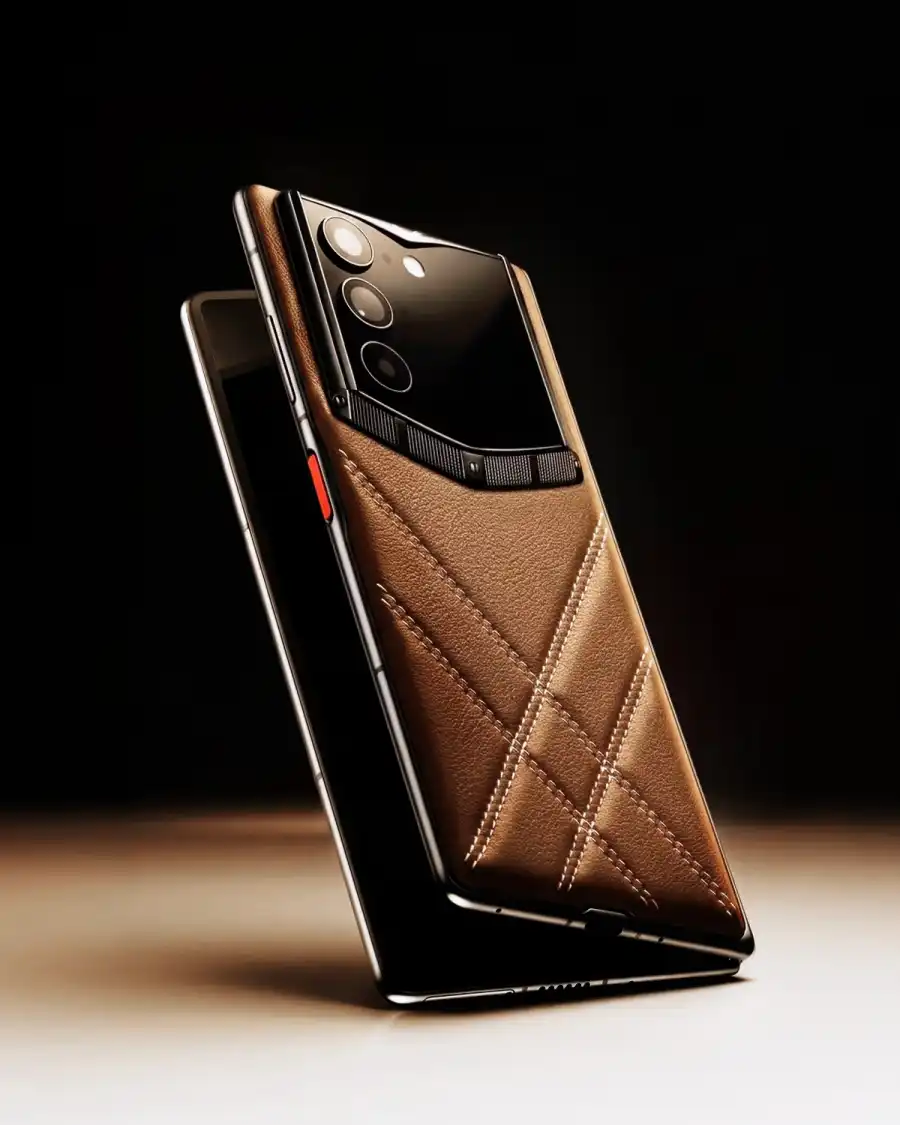
Key Takeaways
Judge by Construction, Not Logos: Evaluate candidate cases by grain integrity, saddle stitching, edge lacquer, and hardware finish.
Match the Existing Palette: Select textures and tones that harmonize with the pieces you already carry daily.
Enforce Single-Function Utility: Let the phone case perform one distinct role so it complements rather than duplicates your wallet.
Embrace Natural Patina: Understand that edge darkening and surface sheen in full-grain calfskin are hallmarks of quality maturation, not defects.
You already own leather goods chosen with deliberate care, and you are now weighing whether a phone case belongs alongside them. This guide shows how to integrate a leather phone case into your luxury leather goods collection so it reads as a cohesive, considered piece rather than an afterthought bolted on.
Through five structured steps, you will audit your existing palette, match grain and edge finishing, designate the case’s functional role, read its developing patina, and fold it into your established preservation routine.
The criteria here focus strictly on material, joinery, and construction—not transient brand signalling. According to EY’s 2025 survey of 1,600 luxury clients, 71% state that product quality primarily motivates their purchases, placing artisanal craftsmanship at the foundation of true luxury. That high benchmark is the standard to which a daily-use case must be held.
What You Need Before You Begin
Integrating a new piece is an intermediate exercise in collection curation. Budget an afternoon for the initial audit and comparison, followed by a brief maintenance review every few months. A luxury leather phone case does not exist in a vacuum; it enters an established ecosystem governed by precise physical tolerances.
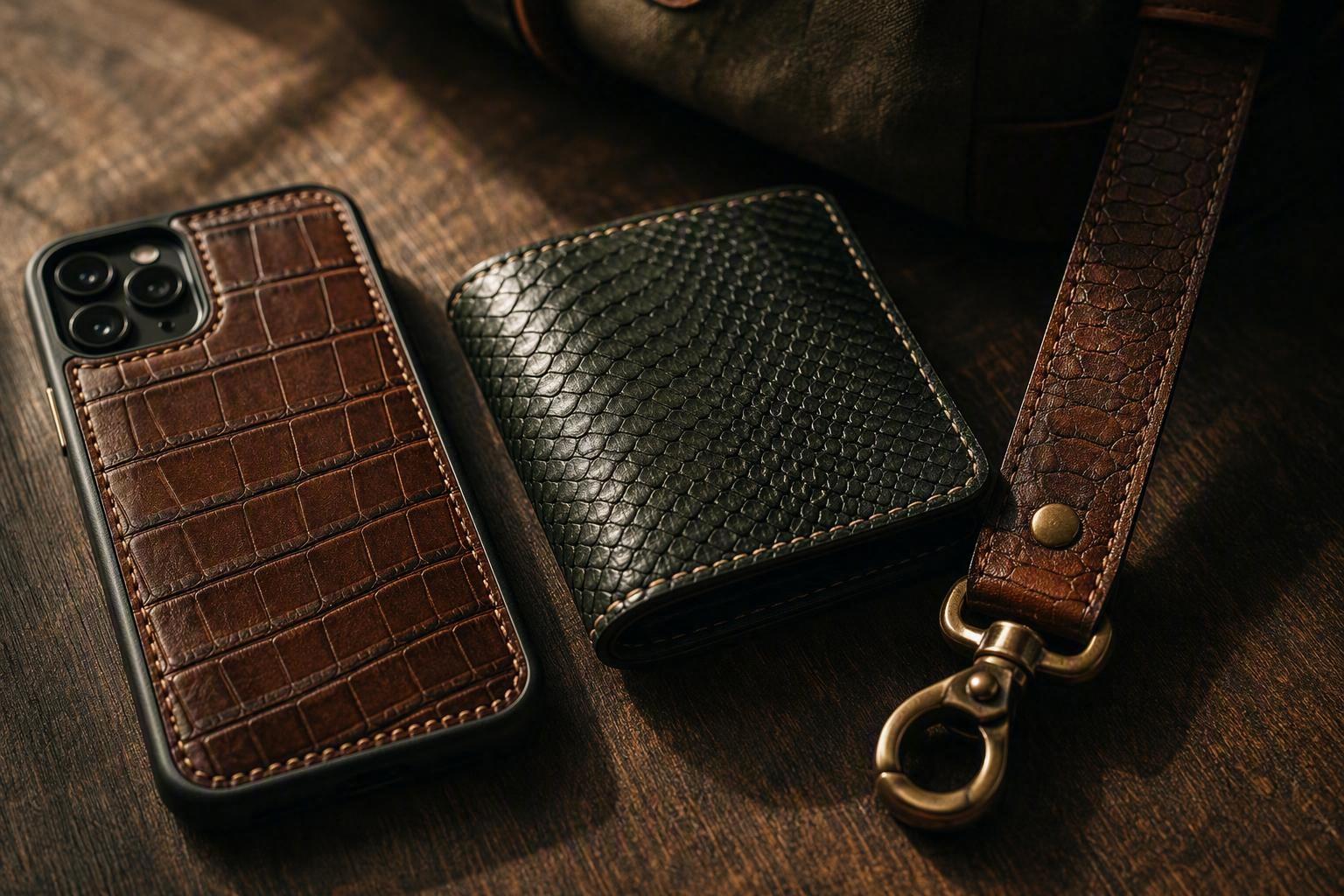
The International Leather Club advises maintaining storage environments between 40% and 60% relative humidity; permanent fiber degradation occurs below 22% or above 68%, with an optimal ambient temperature of 68°F (20°C). Leather specialists recommend conditioning calfskin every three to six months, shifting to shorter intervals in arid climates.
Integration Checklist
Your primary everyday carry (EDC) leather pieces laid out in natural light.
A written inventory of your existing hardware finishes (e.g., warm gold, palladium/silver, brushed ruthenium).
A lint-free, soft microfiber cloth for dusting and tactile assessment.
A decisive choice regarding the case’s operational role (transit protection vs. hands-free carry).
A dedicated storage location maintained at 40% to 60% humidity.
Step 1: Audit Your Existing Leather Palette
By the end of this step, you will hold an itemized inventory of every leather piece in your regular rotation, documenting grain profile, hardware tone, and current patina level. Integration succeeds by harmonizing texture and undertone; you cannot match what you have not categorized.
Catalog Each Piece: Lay out your wallet, card case, watch strap, belt, and portfolio or tote.
Identify the Grain Architecture: Note whether each item is pebbled, smooth, embossed, or natural grain.
Record Hardware Undertones: Note whether accents are cool silver, warm yellow gold, rose gold, or dark ruthenium.
Note Patina Hotspots: Document where handling has already softened or deepened the color of your items.
In luxury retail, reference leathers set the tactile vocabulary buyers rely on for comparison:
Reference Grain | Tactile Profile & Hand-Feel | Patina Behavior |
Togo (Pebbled) | Fine, resilient grain; holds architectural shape | Slow, subtle darkening across high-contact points |
Clemence (Soft Grain) | Wider, flatter grain; softer and supple hand | Deepens rapidly across high-touch areas |
Epsom (Embossed) | Rigid, cross-hatched, highly uniform | Minimal patina; finish remains consistent over years |
Box (Smooth Calf) | Ultra-smooth, polished, satin-like surface | Fast maturation; corners and contact points burnish quickly |
Verification: You can recite the grain profile and hardware tone of every piece in your daily collection without checking your notes.
Step 2: Match Grain, Finishing, and Stitching
By the end of this step, you will be able to judge a prospective case against your collection using four objective craftsmanship criteria, looking past marketing imagery.
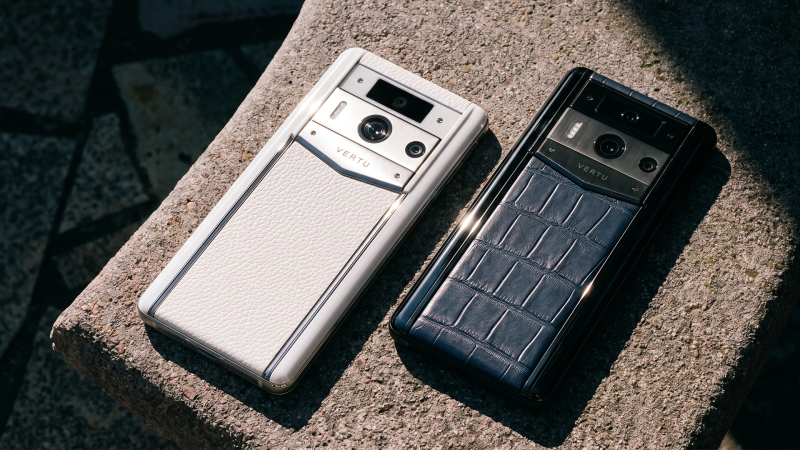
Grain Integrity: Full-grain leather retains the outer epidermis of the hide, showing natural pores, fine creases, and organic character. A uniform, plasticized pattern indicates corrected-grain leather that will not age gracefully.
Edge Finishing (Edge Paint): Examine the perimeter seams. Superior edges are hand-sanded, dyed, and sealed with multiple ultra-thin coats of lacquer. Beware of thick, rubbery edge paint, which cracks and peels under the friction of pocket carry.
Stitching Tension: Traditional saddle stitching exhibits a consistent, slight diagonal slant with balanced thread tension. Straight machine stitches with loose loops or backstitched thread ends reveal industrial mass production.
Hide Selection: Calfskin remains the undisputed standard for small leather goods due to its dense fiber matrix, excellent tensile strength, and balanced abrasion resistance. Exotic skins like lizard require rigorous humidity control to prevent scale flaking, while alligator provides extreme scratch resistance but demands careful UV management.
Verification: Point to the cleanest saddle stitch and finished edge on your finest wallet. That seam is the non-negotiable benchmark the candidate case must match.
Step 3: Decide Which Role the Case Plays in the Rotation
By the end of this step, you will assign the case a single functional mandate. Different case formats are not indicators of quality tier; they represent distinct carrying philosophies.
The Slim Slip Case: A minimalist sleeve engineered for transit protection. The device is drawn out for use, allowing the phone’s native ergonomics to remain uncompromised while shielding it inside bags or pockets.
The Phone Bag / Crossbody Wallet Case: A wearable carry solution featuring internal card compartments, closures, and an integrated strap. It provides hands-free transit and rapid access, though at the expense of added volume.
The Golden Rule of Integration: Let the case do one job. If your daily wallet already organizes your cards and credentials, select a dedicated slip case or ultra-slim back cover. Avoid duplicating utility; adding duplicate card slots creates unnecessary bulk and disrupts your carry balance.
Verification: You can summarize the case’s purpose in one concise sentence: "This case protects my device in transit; my billfold retains all financial instruments."
Craftsmanship in Practice: The VERTU Leather Portfolio
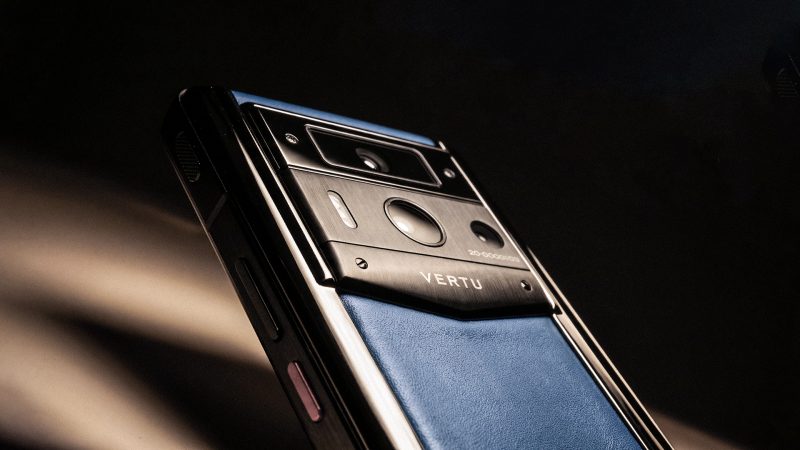
Applying these standards requires examining makers who build cases according to traditional leatherwork principles rather than electronics manufacturing shortcuts. Founded in 1998 in England, VERTU pioneered the integration of rare materials—such as grade-5 titanium, sapphire crystal screens, and hand-stitched hides—into mobile luxury.
VERTU approaches mobile leather accessories as permanent companion pieces designed to live comfortably alongside bespoke luggage and bench-made leather goods.
Model / Service | Form Factor & Role | Hide Selection | Signature Finishing |
Agent Q Slip Case | Minimalist Transit Sleeve | Premium French Calfskin | Multi-coat hand-lacquered edge paint; calibrated friction fit |
METAVERTU Phone Bag | Wearable Crossbody Wallet | Full-Grain Calf or Exotic Hides | Saddle bar-tack reinforcements; custom ruthenium/gold hardware |
Bespoke Atelier | Made-to-Order Commissions | Custom Tannery Allocations | Exact grain matching; bespoke monograms; tailored metal platings |
Archival Care (e.g., Aster P) | Legacy Collector Rotation | Original Calved Hides | Complete provenance matching; original packaging preservation |
1. Agent Q Luxury Slip Case
Engineered for collectors who favor clean lines and unobtrusive pocket carry. Handcrafted from French calfskin, it utilizes hand-lacquered edge margins that resist daily friction. Its structural tolerances are tuned specifically to prevent loosening over time, holding the device securely without mechanical latches.
2. METAVERTU Phone Bag Wallet Case
Designed for individuals requiring wearable, hands-free utility. This design integrates discreet, lined card slots within an exterior shell of hand-selected calfskin or sustainably sourced exotic hides. The structural strap attachments are reinforced with concealed saddle bar-tacks to eliminate stretch failure under weight.
3. Bespoke Atelier & Made-to-Order Customization
For collections structured around rare grain finishes or uncommon metal tones, VERTU’s bespoke service allows collectors to commission custom leather cases. Hides can be matched to specific archival tannery runs, while metal accents can be treated with mirror-polished steel, warm gold plating, or PVD ruthenium to mirror your existing watch hardware and bag buckles.
4. Preserving Discontinued Collector Editions (e.g., Aster P)
Collectors who rotate heritage handsets, such as the discontinued Aster P, must treat original leather accessories as archival assets. Because original cases for out-of-production devices are finite, preserving their structural boxes, original packaging, and provenance documentation protects both the aesthetic harmony and the secondary-market value of the set.
Step 4: Wear It In and Read the Patina
By the end of this step, you will be able to interpret surface changes on your case and determine whether the leather is maturing correctly.
Patina is the organic transformation caused by contact with skin oils, atmospheric elements, ambient sunlight, and handling friction. Edge areas darken first from lateral pocket friction; primary grip zones develop a smooth, glass-like burnish; and vegetable- or semi-aniline-tanned calfskin gradually enriches in depth of color.
Development Timelines: Tannery insights from Buyleatheronline indicate that subtle surface shifts appear within three to six weeks of constant handling, with mature depth consolidating over six to twelve months.
Material Longevity: Benchmark data from Carré Royal confirms that a premium full-grain calfskin exterior delivers a functional lifespan of ten to twenty years when properly conditioned, outlasting multiple device replacement cycles.
Verification: Inspect your case's corners and primary grip zones. If edge darkening aligns precisely with where your fingers rest, the leather is aging naturally.
Step 5: Fold the Case into Your Care and Storage Routine
By the end of this step, your phone case will share the exact conditioning schedule and environmental safeguards applied to your luxury wallets and folios.
Care Parameter | Optimal Specification | Acceptable Range / Limits |
Relative Humidity | 40% to 60% | Permanent damage below 22% or above 68% |
Ambient Temperature | ~68°F (20°C) | Strict threshold: 61°F to 77°F (16°C to 25°C) |
Illumination Level | Under 50 Lux | UV-filtered lighting to avoid pigment fading |
Conditioning Interval | Every 2 to 3 months | Adjust based on dryness and carry frequency |
Condition on a Usage-Driven Cadence: Because a phone case encounters warm palms and pocket abrasion daily, it demands care more often than a handbag. Apply a small, neutral leather balm every two to three months.
Maintain Environmental Balance: Store unused cases in rooms held between 40% and 60% humidity and 68°F. Levels below 22% desiccate natural hide glues, while humidity above 68% risks mold growth. Keep storage areas below 50 lux to prevent light fading.
Store in Breathable Enclosures: Never seal luxury leather inside airtight plastic containers. Use unbleached cotton dust sleeves stuffed with acid-free tissue paper to preserve dimensional form and allow hide pores to breathe.
Implement Rest Rotations: Alternate between two cases periodically. Resting leather allows moisture absorbed from hands to evaporate naturally, preventing the fiber collapse that causes premature creasing.
Verification: Your case’s conditioning dates and storage home are noted in your collection’s care log alongside your footwear and luggage.
Common Mistakes to Avoid
Duplicating Functional Capacity: Purchasing a bulky wallet case when you already carry a dedicated billfold leads to duplicate card slots and empty pockets. Match your collection by leather grain and hardware, not by duplicating carry functions.
Prioritizing Brand Over Material Synergy: Sourcing a phone case merely because it carries the same logo as your briefcase is a misstep. If the case uses stiff, corrected-grain leather alongside a rich, full-grain aniline bag, the visual discord is immediately apparent.
Over-Restoring Developing Patina: Treating edge burnishing or natural darkening as damage by scrubbing with harsh soaps strips the natural oils. This ruins the unique patina that defines fine leather goods.
Discarding Original Packaging of Rare Editions: Discarding presentation cases, certification cards, and booklets for limited-run or discontinued models (such as VERTU Aster P cases) reduces the historical completeness and resale value of the set.
What Success Looks Like
You will know the integration is successful when your phone case looks natural resting beside your wallet, watch strap, and keys on a table. The grain scale is balanced, the metal accents share a cohesive temperature, and the case has a dedicated place in your routine.
When handled, the case feels like a bespoke personal tool rather than a mass-market accessory. Calf leather settles naturally into its maintenance rhythm, providing a reliable schedule that keeps your entire collection preserved at an elite standard.
Frequently Asked Questions (FAQ)
Does a slip case or a phone bag wallet case make more sense if I already carry a wallet?
A slip case is the better choice if you already carry a dedicated wallet. It protects the handset in transit without adding duplicate card slots, keeping your carry slim. Choose a phone bag wallet case only when you intend to leave your primary wallet behind for hands-free convenience.
How long does it take for a leather phone case to develop a visible patina?
A visible patina typically begins to develop within three to six weeks of daily handling. Deeper coloration and smooth burnishing at contact points emerge over six to twelve months, depending on frequency of use, ambient humidity, and natural hand oils.
How often does a calf leather phone case need conditioning compared with a wallet?
A calf leather phone case should be conditioned every two to three months—roughly twice as often as a traditional wallet. Because it is held continuously in warm hands and moved in and out of pockets, its essential oils evaporate more rapidly than those in goods carried inside bags.
Can I match a case to a collection that does not use calfskin?
Yes, you can pair calfskin with other leathers by matching tone and hardware rather than texture. Calfskin’s fine, understated grain complements both smooth bridle leathers and pronounced exotic hides, provided the color temperature and metal accents align.
How do discontinued luxury devices affect case selection and care?
Discontinued devices require treating original cases as irreplaceable archival components. Because factory replacements are scarce, owners should select timeless, protective designs and preserve all original packaging, certificates, and accessories to maintain the complete collection's provenance.
Conclusion
Integrating a luxury leather phone case is an exercise in discerning curation. By auditing your collection's grain profiles, matching edge finishing standards, defining an uncluttered functional role, and maintaining proper storage conditions, you ensure your device protective wear honors the leathercraft traditions already sitting in your pocket.
Put this methodology into practice today: lay out your primary leather goods, identify their shared characteristics, and measure your next case against those benchmarks. A luxury phone case earns its place in your collection the same way any fine item does: through disciplined craft, material integrity, and deliberate purpose.