| Year | Adoption Rate (%) |
|---|---|
| 2023 | 44 |
| 2024 | 50 (projected) |
| 2025 | 60 (projected) |
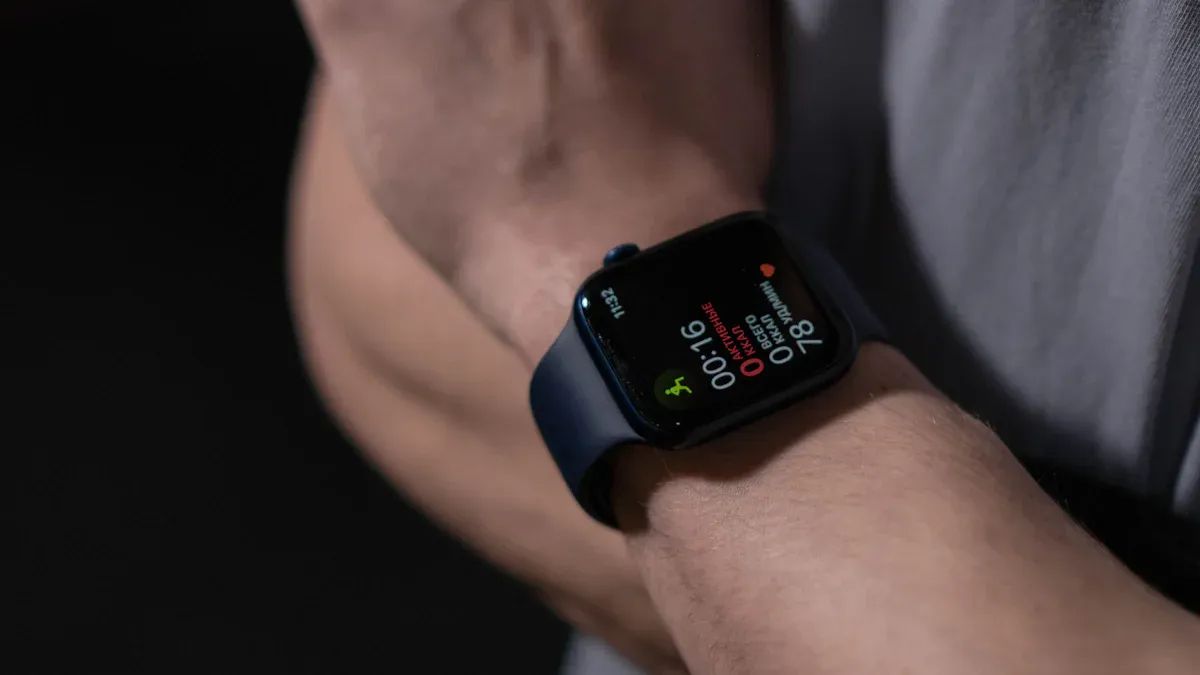
Image Source: pexels
You wake up and already feel the pressure building. Maybe it’s work, school, or just a busy day ahead. You’re not alone— about 38% of adults say they deal with emotional stress every single day.
- Smart rings are changing the way you track stress levels. These tiny devices are growing twice as fast as smartwatches because people love their longer battery life and better sleep tracking.
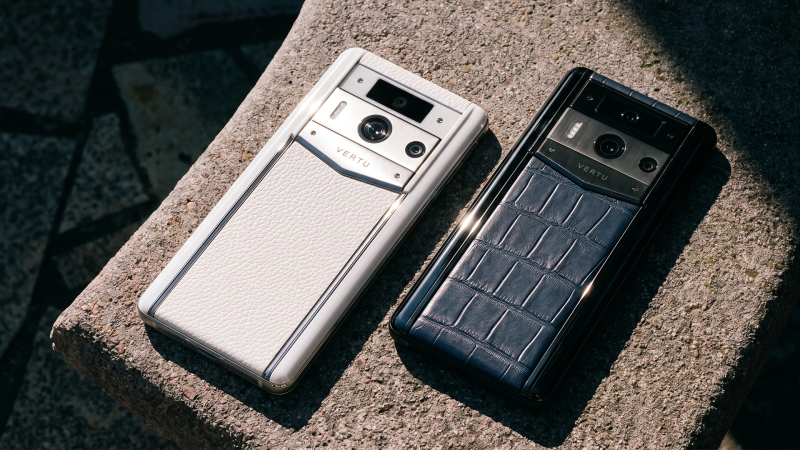
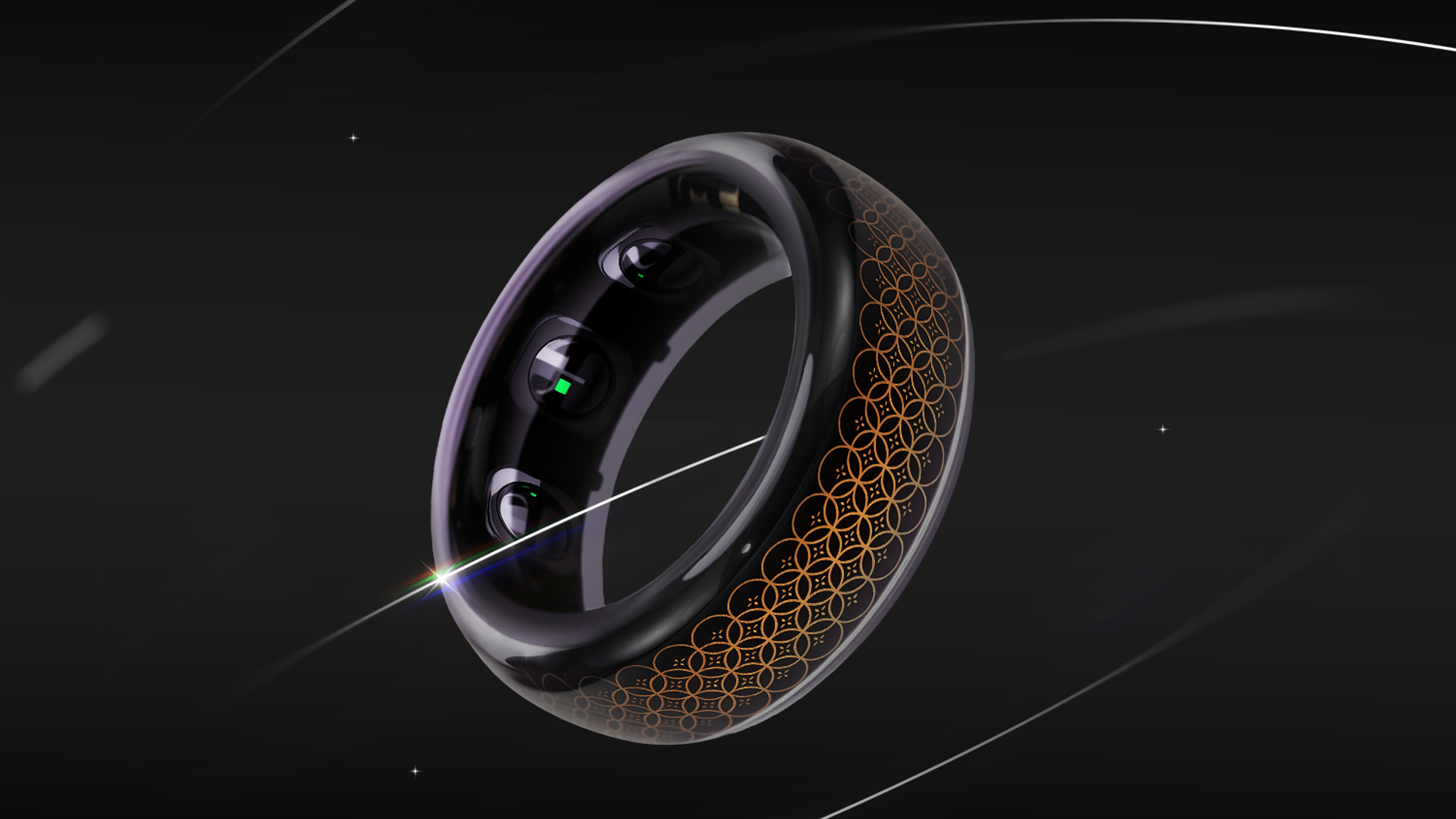
Take the Meta Ring by VERTU , for example. It looks amazing, feels comfortable, and helps you manage stress without making you feel overwhelmed. You can slip it on and let it blend right into your routine.
Key Takeaways
- Smart rings , like the Meta Ring by VERTU, look cool and help you check stress. They use special sensors to watch your heart rate, movement, and temperature.
- Heart rate variability (HRV) is important for stress. If HRV is low, you feel more stressed. If HRV is high, you feel relaxed. Watching HRV helps you handle stress better.
- You can use apps with your smart ring . These apps show your health data and track your progress. They give you tips to help you feel better.
- For good results, wear your smart ring tight, keep it charged, and sync it often with your phone. This helps you get the best stress tracking.
- Using a smart ring every day can help you feel less stressed. It can help you feel calm and in control of your stress.
How smart rings track stress levels
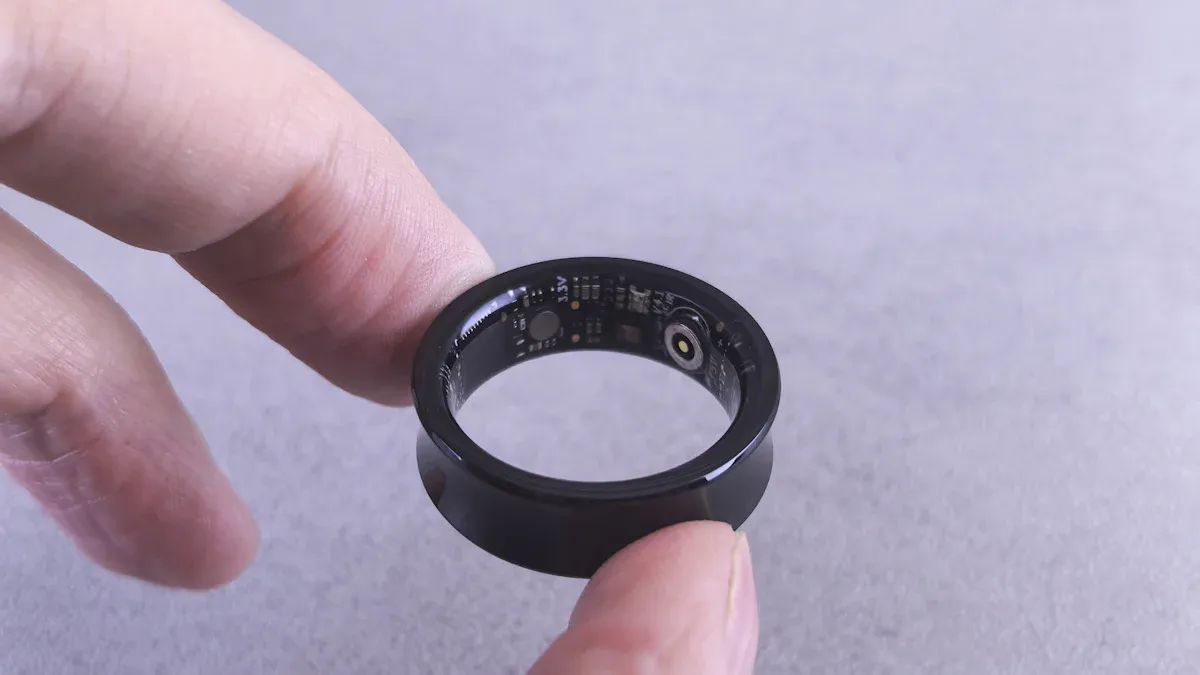
Image Source: unsplash
Sensors and technology overview
You may wonder how a smart ring can know your stress level. The answer is the small sensors inside the ring. These sensors collect health data every second you wear it.
- Photoplethysmography (PPG) sensors check your heart rate. They shine light into your skin and watch how blood moves.
- Accelerometers notice your movements. This helps the ring know how active you are.
- Temperature sensors watch your skin temperature. Changes in temperature can mean you are stressed or calm.
The Meta Ring by VERTU uses even better technology. It has nano-sensors inside a crystal shell. This makes the ring look nice and work well. The ring feels light and works quietly. It helps you learn about your body without bothering you.
Tip: You can wake up the Meta Ring with a touch. This lets you see your health stats anytime you want.
Here is a simple look at how PPG works in smart rings:
| Aspect | Details |
|---|---|
| Technology | Photoplethysmography (PPG) is used in smart rings for stress detection . |
| Key Component | The AC part of the PPG signal changes when you are stressed. |
| Method | DC remover method is used to find the AC part for study. |
| Non-Invasiveness | PPG is safe and does not hurt. It can check stress all day. |
Heart rate variability and stress detection
Heart rate variability (HRV) is a key signal for tracking stress. HRV means the small changes in time between each heartbeat. When you are stressed, your HRV goes down. When you are calm, your HRV goes up.
Scientists say that low HRV means your body feels more stress. High HRV means you are relaxed and getting better. If your HRV stays low, you may feel worried or tired. Watching your HRV helps you spot stress early and do something about it.
- People with low HRV feel more stress or worry.
- Tracking HRV helps you know your stress and health.
A study showed that people with stress have lower HRV . This means your smart ring can warn you about stress before it gets worse.
Data processing and algorithm insights
You may ask how your smart ring turns data into stress tips. The answer is smart algorithms. These work in the background and study your sensor signals right away.
| Evidence | Description |
|---|---|
| Physiological Sensors | Smart rings use heart rate, HRV, and electrodermal activity to monitor stress levels. |
| Power Consumption Algorithms | Special algorithms help the ring last longer, so you charge less. |
| Machine Learning Techniques | Machine learning helps the ring find stress patterns fast and well. |
| Evidence | Description |
|---|---|
| Classification Algorithms | Algorithms like Naive Bayes, K-Nearest Neighbors , and Support Vector Machines help detect stress. |
| Ensemble Learning Approaches | Using many models together makes the ring track stress better. |
| Real-time Stress Prediction | Machine learning gives you quick stress feedback from your body’s signals. |
The Meta Ring by VERTU uses these smart tools to give you easy reports. You get weekly wellness summaries that show your stress and give tips. The ring’s style makes health tracking feel normal. You can live your life and still know how your body feels.
Note: Smart rings are getting more popular because they are easy to wear and check your health all day. The Meta Ring mixes style and smart tech, making stress tracking simple and cool.
Interpreting stress data
Understanding your stress metrics
When you look at your smart ring’s stress data , you see numbers and charts. These show how your body reacts to daily life. Your ring measures things like heart rate, HRV, and skin temperature. It uses these signals to tell you if you feel calm or tense. Some rings, like the Meta Ring by VERTU, make it easy to see your stress level without confusing details. You get simple feedback that helps you understand your body.
Smart rings also separate “good stress” from “bad stress.” For example, exercise can raise your heart rate, but that’s healthy stress. Harmful stress comes from worry or lack of sleep. Your ring uses AI to coach you through these numbers. You learn what helps you feel better and what makes you feel tired. This approach helps you see your stress as part of your whole health, not just a single number.
Tip: Always look at your stress data in context. Don’t worry about one high reading. Focus on your overall patterns.
Using companion apps and reports
Your smart ring works with an app on your phone. The app shows your health data in easy-to-read charts and reports. You can track your progress, see your best days, and share your achievements. The Meta Ring sends you weekly wellness reports that highlight your stress levels and offer advice.
| Feature Description |
|---|
| Long-term tracking of health trends over time (HRV, sleep, recovery) |
| Motivating concept of ‘Streaks' and ‘Milestones' that don’t require 100% consistency |
| Personal Best badges for hitting records |
| Ability to share progress and achievements |
| Visually clean and intuitive interface |
| Reduces frustration over occasional setbacks – emphasizes long-term trends |
Apps help you stay motivated. You see streaks and milestones, even if you miss a day. The clean design makes it easy to spot changes and improvements.
Spotting patterns and trends
You can use your ring’s data to find stress patterns. Over time, you notice when your stress goes up or down. Maybe you feel more stress at work or before a big test. You can compare your stress levels to your personal baseline. This helps you see what triggers stress and what helps you relax.
- Track your stress every day to see long-term trends.
- Notice how your stress changes in different places or situations.
- Adjust your habits based on what you learn.
- Compare your stress to your usual level, not someone else’s.
- Look for activities or times that raise your stress.
- Use these insights to manage stress better.
Smart rings give you tools to understand your data. They help you avoid confusion and worry. You learn what matters most for your health and how to use your data for a happier life.
Daily stress tracking with a smart ring
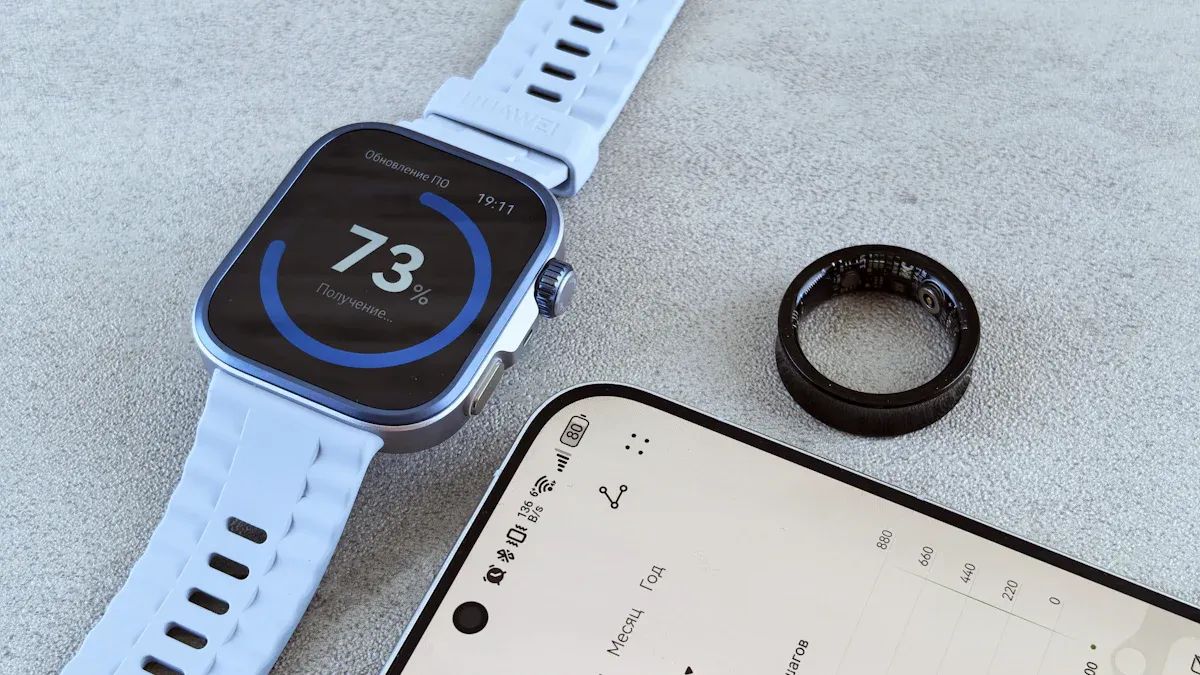
Image Source: pexels
Setting up for accuracy
You want your smart ring to give you the best results . Here’s how you can set it up for accurate daily tracking:
- Wear your smart ring snugly so it stays in contact with your skin.
- Stay still when the ring takes a reading.
- Turn on continuous tracking to collect data all day.
- If you use an iPhone, download the companion app and connect it to Apple Health.
- If you use Android, install Google Fit and link your smart ring’s app.
- Wear your ring while you sleep to help it learn your normal heart rate variability.
- Sync your ring often to keep your data up to date.
Tip: The Meta Ring by VERTU feels light and comfortable, so you can wear it all day and night without even noticing it.
Building healthy habits
You can use your smart ring to build better habits. The ring helps you understand your body’s signals. You learn when you need a break or when you feel calm. The Daytime Stress feature lets you reflect on what causes stress. You get reminders to pause and recover. Over time, you see how small changes, like taking a walk or getting more sleep, can lower your stress levels.
- User education helps you know what your body is telling you .
- Personalized insights show you when to rest and when to push forward.
- You become more aware of your stress patterns and how to balance your day.
Applying insights for stress management
Your smart ring does more than track stress levels. It helps you spot burnout before it happens . If your heart rate variability drops and your sleep gets worse, you know it’s time to slow down. You can plan downtime or ask for help before things get too hard. The Meta Ring gives you feedback on your recovery, so you can focus on self-care. You start to see stress as something you can manage, not just something you have to live with.
Note: Using your smart ring every day helps you take charge of your stress management journey.
Reliability and limitations
Accuracy of smart rings
You may wonder if smart rings are really accurate for stress tracking. Most smart rings use special sensors to check your heart rate and other signals. Studies say smart rings can measure heart rate very closely, with a mean bias of just 0.06 beats per minute. These results are good for people of all ages, skin colors, and body types. Almost nine out of ten people can wear a smart ring with no problems. More than half of users say they would keep wearing the ring after a study.
Here’s a quick look at what affects reliability :
| Factor | Evidence |
|---|---|
| Validity | 95% Limits of Agreement: −3.89 to 3.77 ( mean bias 0.06 ) beats per minute for HR |
| Reliability | Consistent results across skin type, hair density, age, BMI, gender |
| Usability | 87% of users wore the ring successfully |
| Participant Willingness | 56% wanted to keep wearing the ring after the study |
Common challenges
Smart rings make it easy to track stress, but there can be problems. Sometimes, the ring may lose its connection to your phone. This can leave gaps in your stress data. If your ring is too loose or in the wrong spot, the sensors may not work well. Hardware or software bugs can also make the ring less accurate.
Here are some common sources of error:
- Connection problems can stop data from reaching the app.
- A loose or badly placed ring can make sensors work poorly.
- Hardware or software issues may change how well the ring works.
Tip: Make sure your ring fits well and touches your skin. Check your app often to keep your data current.
When to seek professional advice
Your smart ring gives you helpful information, but it is not a doctor. If your stress levels stay high for a long time, or you feel sick, talk to a healthcare professional. Your ring can help you see patterns, but only a doctor can give you medical help.
You might wonder how smart rings compare to smartwatches. Smart rings work quietly and do not bother you. Smartwatches give you more alerts and reminders. If you want simple stress tracking, a smart ring is a good choice. If you want more help and feedback, a smartwatch may be better for you.
| Feature | Smart Rings | Smartwatches |
|---|---|---|
| Monitoring Style | Passive, minimal interaction | Active, real-time feedback |
| User Preference | Discreet technology, less engagement | Comprehensive features, active engagement |
| Ideal for | Health insights without reminders | Performance feedback for fitness enthusiasts |
| Stress Tracking | Continuous, no social concerns | Real-time metrics and feedback |
Remember: Your smart ring helps you learn about your stress, but always talk to a professional if you need help.
You can make stress tracking simple with a smart ring like the Meta Ring. It fits into your daily life and helps you spot stress early. When you use your ring every day, you see real changes. Check out these results:
| What Happens When You Track Stress | How It Helps You Feel |
|---|---|
| Fewer negative stress episodes | 15.8% less stressed |
| Fewer distressing symptoms | 13.0% less bothered |
| Fewer anxious days | 28.2% more calm days |
Let your smart ring guide you. Take charge of your well-being. Technology can help you live healthier and happier—one day at a time. 😊
FAQ
How does a smart ring know when you feel stressed?
Your smart ring checks your heart rate, skin temperature, and movement. It uses tiny sensors to spot changes. When your heart rate goes up or your skin gets warmer, the ring knows you might feel stressed.
Can you wear the Meta Ring all day and night?
Yes, you can wear the Meta Ring all day and night. The ring feels light and smooth. It fits like a second skin, so you barely notice it. You get the best results when you wear it all the time.
Will the Meta Ring show you your stress level right away?
You see your stress level in real time on the app. The ring sends data to your phone. You get quick feedback and simple charts. You can check your stress whenever you want.
What should you do if your stress stays high?
If your stress stays high, take a break and rest. Try deep breathing or a short walk. If you still feel worried, talk to a doctor or counselor. Your ring helps you spot patterns, but you need help for serious stress.
Is your data safe with the Meta Ring?
Your data stays private. The Meta Ring uses secure technology to protect your health information. Only you can see your reports. You control what you share.