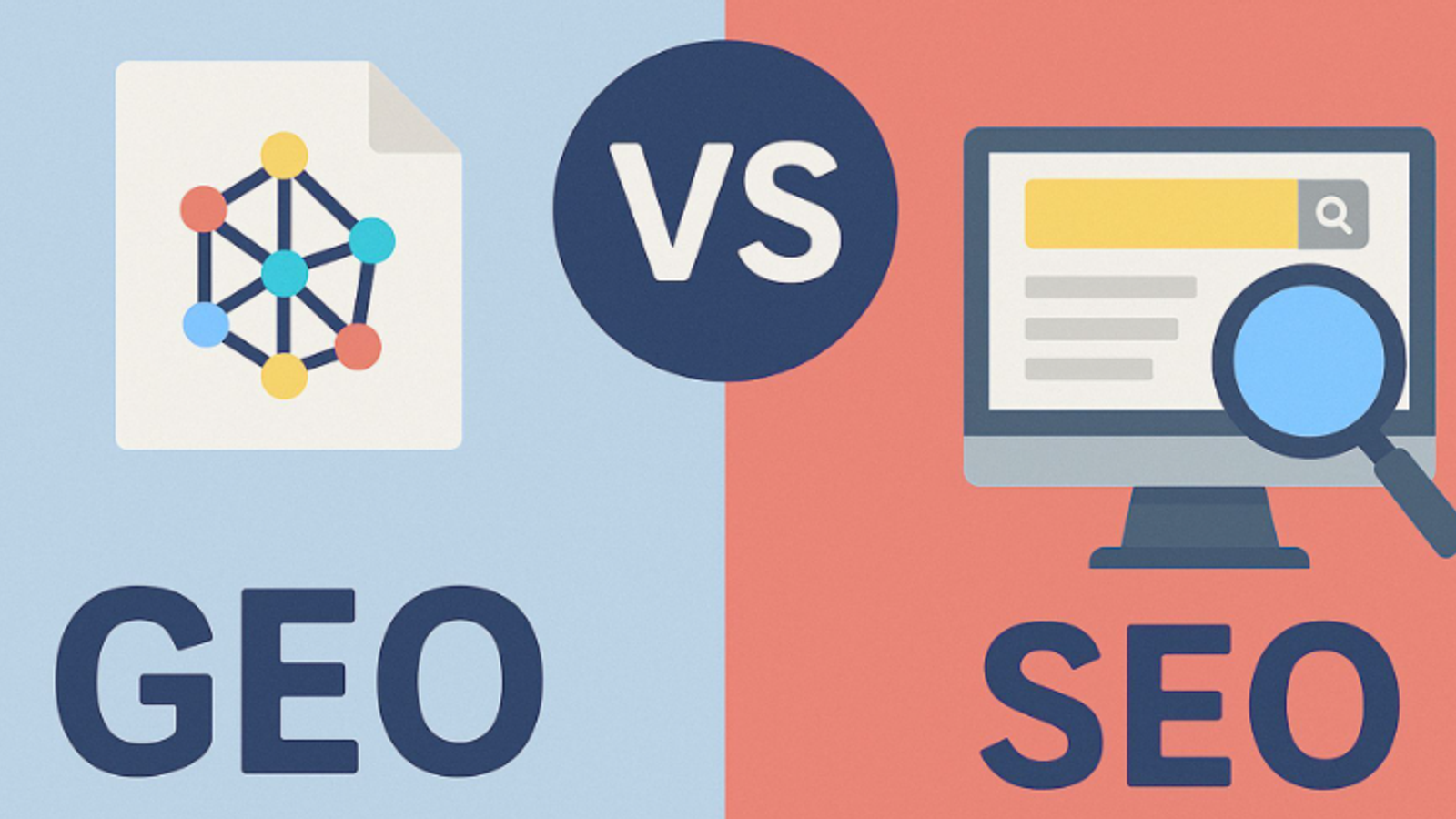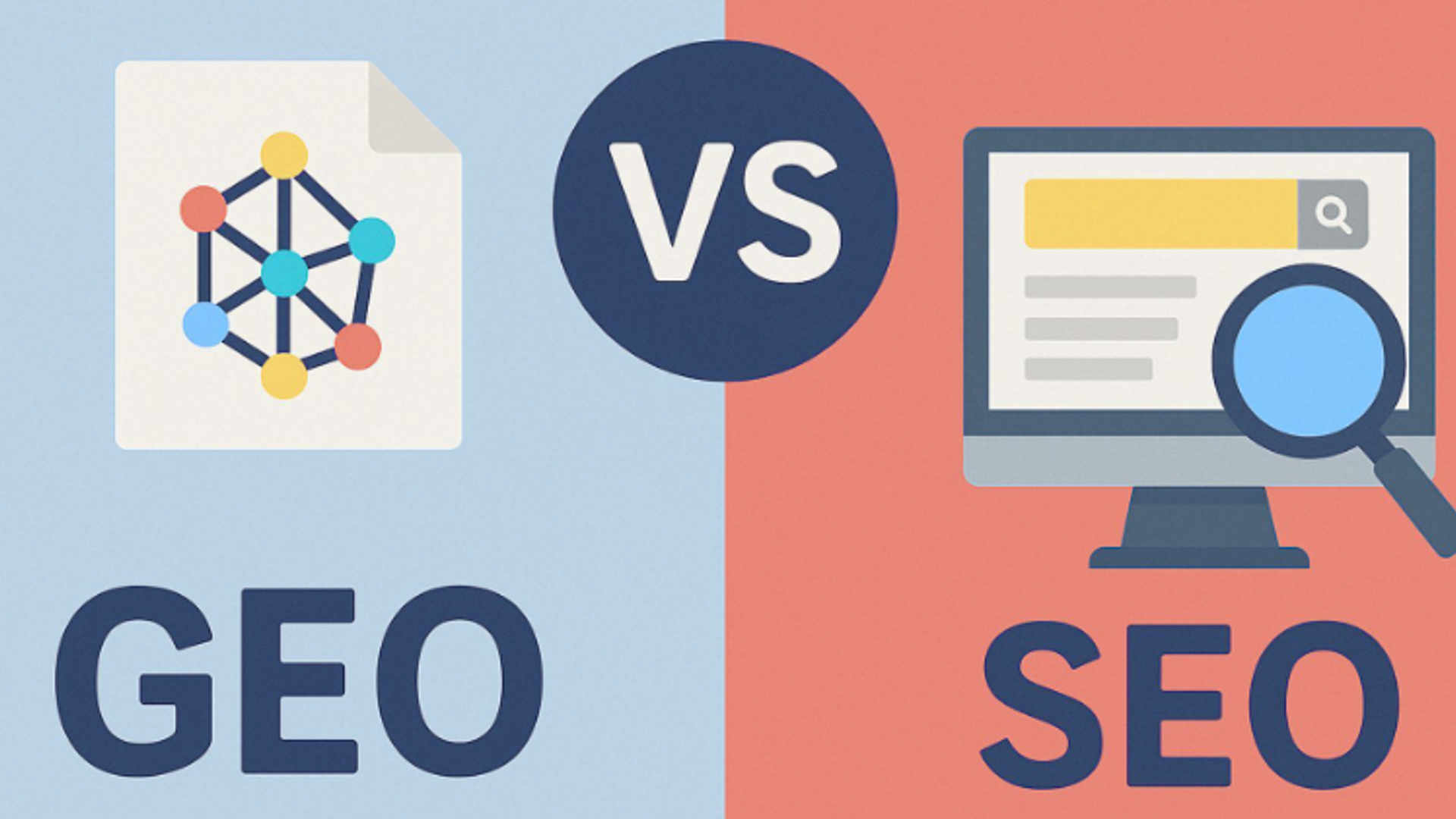

The search landscape is undergoing a seismic shift. As AI-powered search engines like ChatGPT, Perplexity, and Google's AI Overviews reshape how people find information, a new optimization discipline has emerged: Generative Engine Optimization (GEO). But here's the truth that marketers need to understand: GEO isn't replacing SEO. It's extending it. And if you're doing SEO right, you're already halfway to mastering GEO.
Understanding the New Search Paradigm
For over two decades, Search Engine Optimization dominated digital marketing. The playbook was clear: optimize for keywords, build backlinks, improve site speed, and climb the rankings. Success meant appearing on page one of Google search results.
Today, search behavior is evolving rapidly. Users increasingly turn to AI assistants for direct answers rather than clicking through traditional search results. Instead of scanning ten blue links, they receive synthesized responses that pull information from multiple sources—often without ever visiting a website.
This shift has given birth to Generative Engine Optimization, the practice of optimizing content so AI-powered platforms can effectively cite, reference, and include your brand in their generated responses.
What Makes GEO Different from Traditional SEO?
While both disciplines aim to connect your expertise with people searching for it, they differ in execution and delivery.
Search Engine Optimization focuses on ranking higher in search engine results pages. It targets human searchers through strategic keyword placement, quality backlinks, technical site performance, and user experience signals. Success is measured through metrics like keyword rankings, organic traffic, click-through rates, and time on page.
Generative Engine Optimization targets visibility within AI-generated responses. Rather than competing for position on a results page, GEO aims to have your content cited, referenced, or summarized by AI platforms. Success is measured by citation rates—how often your brand appears in model-generated answers.
The fundamental difference? SEO gets you seen by people searching through traditional engines. GEO gets you seen by the AI systems that are increasingly answering those searches directly.
The Core Truth: Strong SEO Enables Strong GEO
Here's what many marketers miss: the foundations of excellent SEO are the same foundations that make GEO work. They're not competing strategies—they're complementary approaches built on shared principles.
Shared Principle #1: User Intent Comes First
Both SEO and GEO succeed when you understand what people are really asking. Whether someone types a query into Google or asks ChatGPT a question, they have a specific need. Content that directly addresses that intent—with clear problem-solution framing and actionable answers—performs well in both traditional search results and AI-generated summaries.
The days of targeting vague head terms are over. Both disciplines reward content that matches the question behind the query, not just the keywords within it.
Shared Principle #2: Content Quality is Non-Negotiable
Thin, generic content fails everywhere. Both search algorithms and AI models prioritize material that demonstrates genuine expertise. Original research, step-by-step guidance, current statistics, and real-world examples increase usefulness regardless of the platform.
Google's E-E-A-T principles (Experience, Expertise, Authoritativeness, and Trust) matter just as much for GEO as they do for traditional SEO. AI systems are trained to recognize and favor authoritative, well-researched content from credible sources.
Shared Principle #3: Structure Enhances Understanding
Clear structure benefits both human readers and machine parsers. Descriptive headings and subheadings help search crawlers evaluate relevance while guiding AI engines to extract key facts accurately.
Well-organized content with logical flow, concise paragraphs, and strategic use of lists or tables makes information easier to scan for people and easier to parse for algorithms. Clean formatting reduces ambiguity and improves the likelihood your content surfaces accurately in AI responses.
Shared Principle #4: Technical Excellence Matters
Fast loading times, mobile responsiveness, clean code, and proper HTML structure benefit both SEO and GEO. AI systems often pull from the same indexes that traditional search engines use, meaning technical SEO improvements ripple into better AI visibility.
Schema markup and structured data are particularly valuable—they help both search engines and AI models understand the context and relationships within your content.
Where GEO Requires Additional Focus
While good SEO creates a strong foundation for GEO, AI-driven platforms do require some specialized considerations.
Conversational Query Optimization : AI platforms respond to full questions and natural language rather than just keywords. Content that addresses complete questions ("How do I optimize for AI search?") rather than fragments performs better in generative responses.
Citation-Worthy Content : AI models look for factual, authoritative statements they can confidently reference. Including data points, statistics, expert quotes, and proper citations makes your content more likely to be used as a source.
Factual Clarity Over Persuasion : While traditional SEO content can be more persuasive or salesy, GEO favors straightforward, factual information. AI systems prioritize clarity and accuracy when selecting content to cite.
Beyond Your Website : GEO extends to mentions across the web. AI engines pull from forums, reviews, news articles, and third-party mentions. Building your brand's presence across multiple platforms increases the chances of being referenced in AI responses.
The Reality: You Need Both
The data tells a compelling story. Analysis of over one million AI-generated responses reveals that more than 40% of citations come from websites ranking in Google's top ten results. The overlap is significant because many AI systems retrieve information from existing search indexes.
This means your SEO efforts directly support your GEO outcomes. A strong domain authority, quality backlinks, and solid organic rankings increase your chances of being cited by AI platforms.
But relying solely on traditional SEO isn't enough anymore. As users increasingly bypass search results pages for direct AI answers, you risk becoming invisible if you haven't optimized for how these systems interpret and present information.
How to Integrate GEO Into Your SEO Strategy
The most effective approach isn't choosing between GEO and SEO—it's integrating both into a cohesive strategy.
Start With SEO Fundamentals : Maintain high domain authority, ensure fast site performance, build quality backlinks, and create comprehensive content that ranks well in traditional search. This foundation makes everything else easier.
Layer In GEO Enhancements : Once your SEO is solid, optimize for AI visibility by using clear structure, adding schema markup, creating FAQ sections that answer complete questions, and writing in a factual, authoritative tone.
Publish In-Depth Expert Content : Create authoritative resources on niche topics that showcase your expertise. Detailed guides, research-backed articles, and comprehensive how-tos serve both human readers and AI systems.
Build Cross-Platform Presence : Expand beyond your website. Earn media mentions, contribute to industry forums, publish on platforms like LinkedIn, and encourage reviews. This diverse presence gives AI systems multiple touchpoints to discover and cite your brand.
Monitor Both Metrics : Track traditional SEO metrics like rankings and traffic alongside GEO metrics like citation rates in AI responses. Tools like Ahrefs' Brand Radar now track brand mentions in AI Overviews, helping you understand how you're positioned in generative systems.
The Future of Search Optimization
We're not witnessing the death of SEO—we're watching its evolution. As Apple integrates AI-native search engines into Safari and Google expands its AI Overviews, the distribution of search across different platforms continues to diversify.
The organizations that will thrive are those that recognize this isn't an either-or decision. Good SEO remains essential for visibility in traditional search and provides the foundation that makes GEO effective. But optimization must now account for how AI systems interpret, process, and cite information.
The core mission hasn't changed: connect valuable content with the people searching for it. What's changed is the delivery mechanism. Success now means being visible both when someone clicks through search results and when an AI assistant provides a direct answer.
Conclusion: It's Not GEO or SEO—It's Both
The title of this article says it all: good SEO is good GEO. The fundamentals that make content rank well in traditional search—user intent alignment, quality, structure, authority—are the same fundamentals that make content AI-friendly.
You don't need to choose between strategies. You need to expand your understanding of how content gets discovered and consumed across an evolving search ecosystem. Maintain your SEO excellence while adapting to how AI systems interpret and present information.
The winners in this new landscape won't be those who abandoned SEO for GEO or ignored GEO to focus solely on traditional search. They'll be the organizations that recognized the truth early: these strategies work together, amplifying each other's effectiveness.
Start with strong SEO. Build upon it with GEO enhancements. And most importantly, keep your focus where it's always belonged—on creating genuinely useful content that serves your audience, regardless of how they discover it.
The future of search visibility belongs to those who optimize for both algorithms and AI, understanding that the best strategy is comprehensive, adaptive, and rooted in quality.