![Executive Health Management: CEO Longevity Secrets [2026 Guide]](https://statics.myquickcreator.com/upload/aaaovujuj4apultn/2026/09/21/21751-v9yy9q2x.png)
You are 47, and your last three quarters felt like wading through wet cement. You sleep eight hours, lift four mornings a week, and follow an exacting supplement regimen. Clinically, nothing is flagged as abnormal. That is precisely the trap: metabolic and cardiovascular drift is silent, and traditional schedules offer no private way to observe it in real time.
The real longevity advantage among elite leaders is neither a daily biohack nor an extreme lifestyle protocol. It is a concealed monitoring layer—crafted into high-end jewelry or luxury timepieces—that translates biometric load into actionable insight without disrupting professional presence.
A survey of 495 chief executives by Vistage and The Wall Street Journal revealed that 94% experienced burnout symptoms across the year, with 32% reporting them frequently or daily. This is not a failure of willpower, discipline, or dedication. It is a visibility failure.
When long-term health management is executed beneath premium materials like sapphire crystal, titanium, and advanced ceramics, executive longevity shifts from an annual performance into a continuous, private reality.
The Conventional View: Longevity as a Public Performance
The mainstream wellness doctrine suggests that executive health is sustained through sheer visibility: early-morning cold plunges, strict intermittent fasting, marathon training, and the revered annual executive physical. The wearable on the wrist is often treated as a public badge of discipline.
Institutional programs, such as comprehensive single-day executive assessments at leading clinics, form the bedrock of this model. These evaluations deploy multidisciplinary expertise to establish baseline profiles, run advanced electrocardiograms, and evaluate metabolic risk.
Yet, this model creates structural blind spots:
The Annual Snapshot Fallacy: Compressing health evaluation into one day leaves the subsequent eleven months completely unmonitored.
Context Blindness: An annual assessment cannot capture how autonomic tone drops during hostile acquisitions, or how sleep architecture deteriorates during international roadshows.
The Friction of Visibility: Standard plastic fitness trackers disrupt executive aesthetics in boardrooms and formal environments, often inviting unwanted questions about performance and personal resilience.
The conventional paradigm assumes that scheduled discipline can substitute for ongoing baseline visibility. Modern physiology demonstrates that it cannot.
What the Data Reveals About Continuous Biometrics
Clinical research indicates that the key longevity differentiator is continuity of baseline measurement, rather than episodic, aggressive intervention.
A comprehensive review in npj Cardiovascular Health evaluating wearable cardiac measurements demonstrated that continuous monitoring reliably flags autonomic shifts when evaluated against longitudinal baselines. Furthermore, multi-device sleep validation studies confirm that two-state sleep/wake tracking reaches 86% to 89% consistency against clinical polysomnography.
The strategic takeaways for an executive tracking strategy are straightforward:
Trend Over Value: Rely on multi-week deviation from your individual baseline rather than a single day's absolute score.
Autonomic Signals: Heart Rate Variability (HRV) and Resting Heart Rate (RHR) serve as direct proxies for sympathetic nervous system overload long before cognitive exhaustion appears.
Discretion Over Display: Biometric data is only actionable if it is captured uninterrupted across both formal negotiations and informal rest.
The Hardware Solution: The VERTU Luxury Ecosystem and Smart Wearables
Concealment is not merely an aesthetic preference; it is an operational requirement for executive health continuity. A health monitor that looks like consumer plastic fails in high-stakes professional settings.
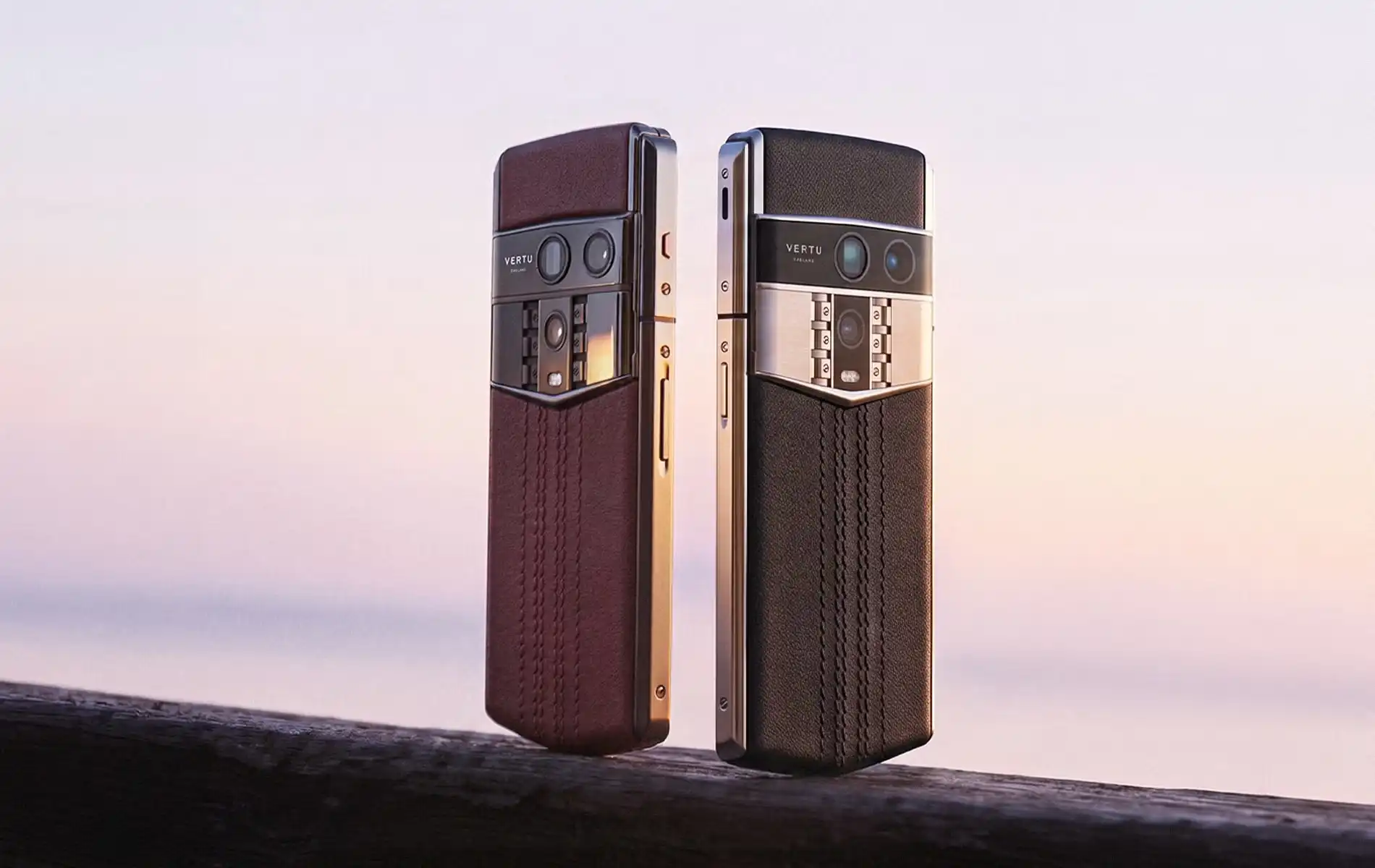
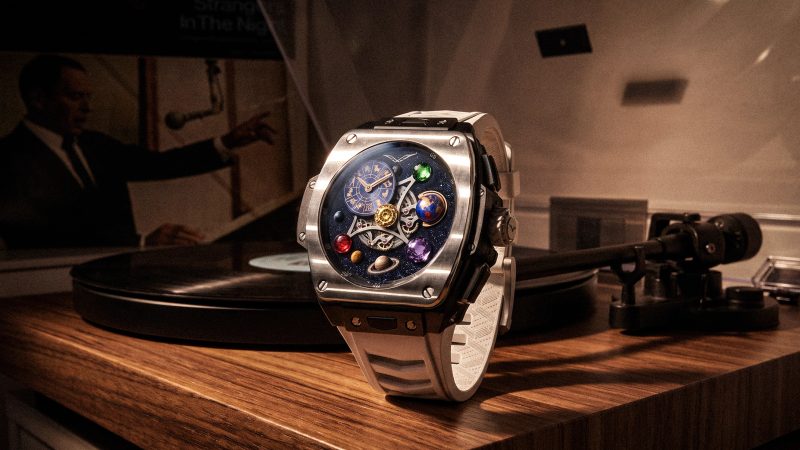
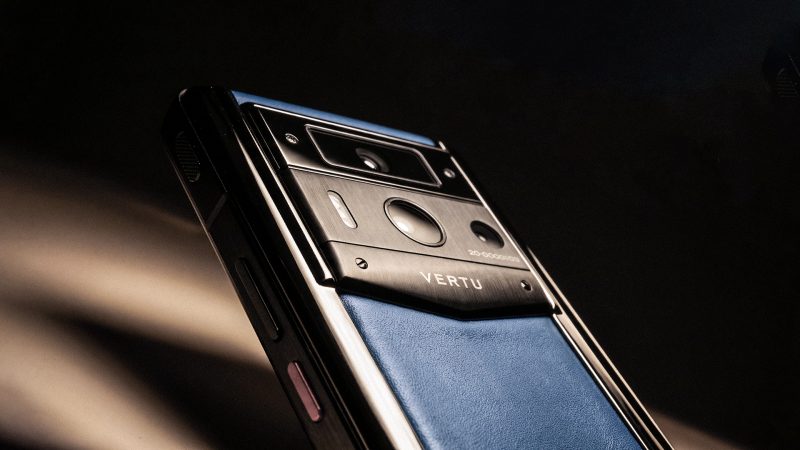
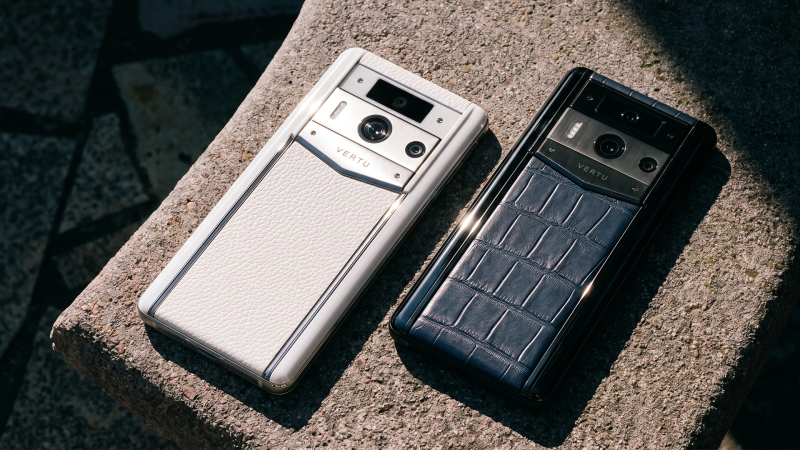
VERTU, founded in 1998, pioneered the luxury technology sector by pairing artisanal craftsmanship with bespoke digital ecosystems. Long recognized for combining rare materials with global concierge services, VERTU has expanded its engineering ethos into advanced personal hardware, led by the VERTU Grand Watch collection.
Architectural and Functional Highlights of VERTU Wearables:
Haute Horlogerie Materials: Built with scratch-resistant sapphire crystal faces, aerospace-grade titanium chassis, and diamond-like carbon (DLC) ceramic exteriors. The watch carries the weight, polish, and elegance of a fine mechanical timepiece rather than disposable tech.
Continuous, Discreet Telemetry: High-precision optical sensors track resting heart rate, heart rate variability, autonomic stress distribution, and recovery patterns around the clock without intrusive display lights or persistent interruptions.
Boardroom Invisibility: Engineered to blend seamlessly alongside bespoke tailoring, allowing continuous monitoring during board meetings, diplomatic summits, and public appearances without signaling vulnerability.
Private Ecosystem: Health metrics sync securely within an exclusive interface, keeping personal biometrics strictly confidential and isolated from commercial advertising channels.
By encasing precision biometric monitoring within luxury design, VERTU eliminates the friction between executive presence and continuous physiological optimization.
Strategic Implementation: Establishing a Private Baseline
To transition from sporadic check-ups to continuous optimization, deploy health tracking as a quiet, unobtrusive infrastructure:
1. Anchor with Clinical Assessments
Use comprehensive physical evaluations to calibrate your lab work and diagnose structural issues. Wearables do not replace diagnostic medicine; they inform it by capturing what happens between clinical visits.
2. Focus on Core Indicators
Avoid data overload. Prioritize three primary indicators that track autonomic strain and physical recovery:
Biometric Signal | Primary Analytical Value | What to Ignore |
Resting Heart Rate (RHR) | Deviations (+3 to +5 bpm) above a rolling 30-day baseline indicate systemic physiological fatigue. | Brief, isolated spikes during high-intensity meetings. |
Heart Rate Variability (HRV) | 7-day rolling trends reflect autonomic recovery and central nervous system capacity. | Single-night drops caused by travel fatigue or late meals. |
Sleep/Wake Regularity | Circadian alignment and rhythm across varying time zones and schedules. | Minor variations in algorithmic deep versus light sleep staging. |
3. Consolidate into a Single Continuous Source
Fragmenting telemetry across multiple consumer devices and rings creates conflicting algorithms. Choose one durable, beautifully constructed instrument that stays on the body across board meetings, transatlantic flights, and restorative rest.
Frequently Asked Questions
Does an annual executive physical eliminate the need for wearable tracking?
No. An annual physical provides a high-resolution snapshot at one point in time, but chronic executive burnout develops through gradual micro-strains over months. Continuous baseline monitoring detects cardiovascular drift, chronic recovery deficits, and sleep fragmentation well before they materialize as clinical symptoms on an annual lab report.
Why choose luxury materials like titanium and sapphire over conventional smartwatches?
Material integrity directly impacts both sensor stability and wearability. Materials like sapphire crystal and lightweight titanium resist everyday wear, provide optimal skin contact without irritation, and allow continuous wear in formal corporate environments where standard consumer fitness trackers are socially and visually out of place.
How does continuous autonomic tracking improve executive decision-making?
Tracking indicators like Heart Rate Variability (HRV) alerts executives to central nervous system fatigue before cognitive perception registers burnout. Recognizing elevated biological load allows leaders to optimize critical agendas, delegate high-friction negotiations during recovery troughs, and prevent fatigue-induced strategic errors.
Are consumer biometric sensors accurate enough for meaningful health insights?
Yes, provided they are interpreted through long-term trends rather than isolated numbers. While non-clinical wearables are not diagnostic instruments, their ability to establish personal baselines and track 30-day directional shifts offers exceptional predictive value for stress, resilience, and recovery management.
Conclusion: Making the Invisible Layer Standard
The executive longevity gap is fundamentally a measurement problem, not an effort problem. High-performing leaders rarely lack dedication to their health; they lack an uninterrupted view of their physiological reserves.
When tracking is continuous, private, and embedded within refined hardware, health management ceases to be an exhausting public routine. Devices like the VERTU Grand Watch demonstrate that continuous health oversight does not require compromise on personal presence or luxury aesthetics. By shifting focus from performative routines to quiet, consistent visibility, executives can safeguard both their strategic acuity and their long-term vitality.