| Physiological Metric | Description | Health Implication |
|---|---|---|
| Heart Rate | Number of heartbeats per minute | Higher heart rate can show stress or illness |
| Heart Rate Variability | Measures changes in time between heartbeats | Lower HRV links to stress or sickness |
| Motion | Tracks your activity and movement | More movement can mean stress or strain |
| Skin Temperature | Monitors changes in your skin temperature | A rise or drop can signal infection or stress |
| Respiratory Rate | Counts your breaths per minute | Changes may point to early signs of sickness |
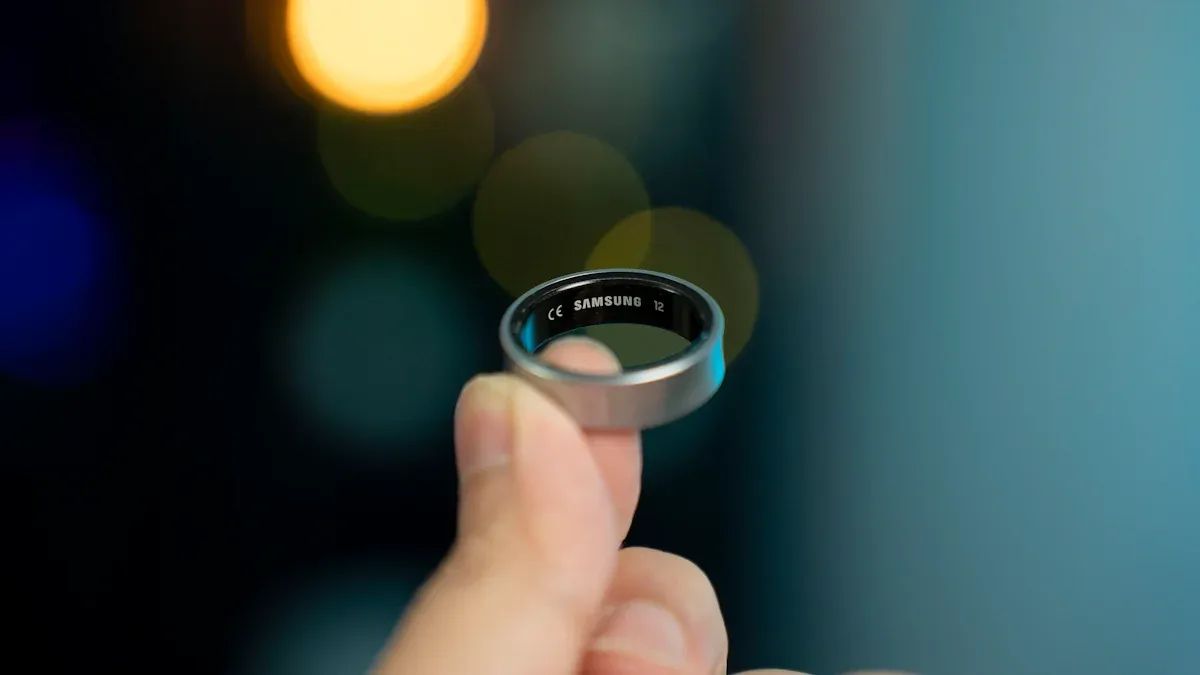
Image Source: unsplash
You want to stay ahead of health issues, right? The Oura Ring helps you do just that. It keeps track of changes in body temperature, respiratory rate, heart rate, heart rate variability, and sleep. Features like Symptom Radar and the Readiness Score give you quick alerts, so you can act early. A study from UCSF shows the Oura Ring can spot signs of illness up to two days before symptoms appear. Can Oura Ring detect health problems? Yes, it brings wellness and sleep insights straight to your fingertips.
Key Takeaways
- The Oura Ring checks important health signs like heart rate, skin temperature, and sleep patterns. This helps you find health problems early.
- Looking at your Oura data every day can warn you about changes. These changes might mean you are getting sick. You can act quickly if you notice them.
- The Symptom Radar feature sends you health alerts . It helps you know when to rest or see a doctor.
- Studies show the Oura Ring can find signs of sickness, like COVID-19, almost three days before you feel sick.
- Checking your Oura app often helps you take charge of your health. It lets you make smart choices about what to do next.
Can Oura Ring Detect Health Problems?
You probably wonder, can Oura Ring detect health problems? The answer is yes, and it does this by tracking several important wellness metrics. When you wear the Oura Ring, it collects data on your body every day. You get a clear picture of your health before you even feel sick. Let’s break down how these metrics work and how changes in your signs can help you spot illness early.
Key Metrics Tracked by Oura Ring
Oura Ring focuses on five main metrics. Each one gives you clues about your health. Here’s a quick look at what the ring tracks and why it matters:
You see these wellness metrics every morning in your Oura app. They help you spot signs that something might be off. For example, a sudden jump in your heart rate or a drop in HRV can be early signs of sickness. The Oura Ring also tracks your sleep patterns, which can change when your body fights illness.
Tip: Check your Oura dashboard daily. Small changes in your metrics can help you detect potential early signs of health problems.
Clinical studies back up the accuracy of these metrics. One study compared the Oura Ring to a medical-grade ECG monitor. It found that the ring measured resting heart rate and HRV with high accuracy. These signs are key indicators of cardiovascular health, stress, and recovery.
| Study Focus | Findings | Importance |
|---|---|---|
| Oura Ring accuracy | Highest accuracy in measuring resting heart rate and HRV | RHR and HRV show cardiovascular health and wellness |
Another large study, called TemPredict, showed that Oura Ring data could predict COVID-19 symptoms up to 2.75 days before diagnosis . Over 63,000 people took part, including healthcare workers. This means you can use your Oura Ring to detect signs of illness before you feel sick.
How Changes Signal Early Signs of Sickness
Can Oura Ring detect health problems? Yes, it does this by watching for changes in your signs. Your body sends signals before you notice symptoms. Oura Ring picks up on these signals by comparing your daily metrics to your usual baseline.
Here’s how changes in your metrics can point to illness:
- Skin temperature rises or falls from your normal range. This can indicate infection.
- Heart rate goes up, even when you rest. This can signal strain or sickness.
- Breathing rate changes. If you breathe faster or slower than usual, it may be an early sign of sickness.
- Heart rate variability drops. Lower HRV often means your body is under stress or fighting illness.
- Sleep patterns shift. You may sleep less or wake up more often when your body faces illness.
Research shows that changes in core body temperature before sleep link to heart rate and HRV. If your temperature doesn’t drop as much as usual, your heart rate may rise and HRV may fall. These signs can mean your body is stressed or fighting off illness. A blunted temperature decline at night connects to lower HRV and higher heart rate, which can point to health risks.
Here’s a quick summary of how Oura Ring metrics can detect signs of illness:
| Metric | Indicator of Illness |
|---|---|
| Skin Temperature | Change from baseline signals infection |
| Heart Rate | Variations can show physiological strain |
| Breathing Rate | Changes may suggest early sickness |
| Heart Rate Variability | Decrease can mean stress or illness |
- The Oura Ring can detect changes in skin temperature, heart rate, breathing rate, and heart rate variability compared to your baseline.
- A study showed the Oura Ring could diagnose COVID-19 infection an average of 2.75 days before symptoms appeared .
You don’t have to be a scientist to use these signs. Just pay attention to your daily wellness metrics. If you notice unusual changes, you can take action early. Can Oura Ring detect health problems? With regular tracking, you get a head start on your health. You spot signs before symptoms appear, giving you time to rest, hydrate, or talk to your doctor.
Detect Early Signs with Symptom Radar
How Symptom Radar Works
You want to catch health problems before they get serious. The symptom radar feature in your Oura Ring helps you do just that. It looks at your sleep and biometric data every night. The ring checks things like your skin temperature, heart rate, breathing rate, and how well you sleep. When these numbers change from your normal range, the system notices.
"Symptom Radar highlights which metrics were outside the normal range , so members can understand why they may be seeing 'minor' or 'major' signs of strain."
You get a clear view of your body’s signals. If you see changes in your dashboard, you know your body might be under strain. You can access symptom radar in the Oura app. It shows you which metrics are off and helps you detect early signs of sickness. This tool gives you a head start, so you can rest or take action before you feel symptoms.
Interpreting Alerts and Notifications
The Oura Ring sends you alerts based on your biometric data . You might see three types of notifications: 'No signs', 'Minor signs', or 'Major signs'. These alerts tell you how much strain your body feels.
- 'No signs' means your metrics look normal. You can keep up with your usual routine.
- 'Minor signs' means some numbers are a little off. You might want to slow down and rest.
- 'Major signs' means several metrics are outside your normal range. Your body needs extra care.
Symptom radar uses changes in skin temperature, respiratory rate, and heart rate variability to decide which alert you get. When you see a 'minor' or 'major' sign, it means your body could be fighting something. Rest helps your immune system recover faster.
| Alert Level | What It Means | What You Should Do |
|---|---|---|
| No signs | Everything looks normal | Stay active |
| Minor signs | Some metrics are off | Take it easy, rest more |
| Major signs | Many metrics are off | Rest, hydrate, monitor |
Tip: If you get a 'major signs' alert, listen to your body. Take a break, drink water, and watch your symptoms. If you feel worse, talk to your doctor.
You don’t need to guess what the alerts mean. The Oura app explains each notification. You can use this information to make smart choices about your health. The symptom radar feature helps you spot problems early and take action before you feel sick.
Body Temperature and Respiratory Rate
Image Source: pexels
Spotting Temperature Trends
The Oura Ring shows your body temperature every day. Most people have a small change in temperature from morning to night. This change is about 1 °C (1.8 °F) . It is normal for your body. If you get sick, your temperature can go higher or lower than usual. You might see a bigger jump or drop before you feel sick.
If your Oura app shows a big change in temperature, your body may be fighting something. You should slow down and rest.
Look for these patterns in your Oura data:
- Your body temperature changes about 1 °C (1.8 °F) each day. If you see bigger changes, your body could be stressed.
- The Oura Ring checks your skin temperature. Skin temperature can change fast and help you find health problems.
- When your immune system fights an infection, your body temperature goes up. This can be an early sign you are getting sick.
If your body temperature rises, pay attention. You might be getting sick even if you do not feel a fever yet. Checking your temperature every morning helps you spot changes early.
Recognizing Breathing Pattern Changes
Your breathing rate is another sign of your health. The Oura Ring counts your breaths each minute while you sleep. Most nights, your breathing stays the same. If you get sick or feel stress, your breathing rate can go up.
Here is what research says about breathing and health:
| Evidence Description | Findings |
|---|---|
| Accuracy of Oura's Respiratory Rate | Less than 1 breath per minute error compared to ECG in 43 people. |
| Impact of Sleep Deprivation | Higher breathing rates found when people did not get enough sleep. This shows strain on the body. |
| Relevance to Respiratory Illnesses | Watching small changes in breathing can help manage asthma and COVID-19 symptoms. |
If your Oura app shows you are breathing faster, your body may be under stress. You could be fighting a cold or another sickness. Watch for changes in your breathing, especially if your temperature also changes. These clues help you find health problems before you feel sick.
Heart Rate, HRV, and Readiness Score
Monitoring Heart Rate and HRV Shifts
Your Oura Ring helps you check your heart’s health each night. It tracks your resting heart rate and heart rate variability while you sleep. These numbers can warn you about illness before you feel sick. If your resting heart rate goes up or your HRV drops, your body might be stressed or fighting sickness.
Here’s what these measurements mean for you:
| Measurement Type | Clinical Significance |
|---|---|
| Resting Heart Rate | Shows early signs of illness |
| Heart Rate Variability (HRV) | Changes before symptoms appear |
| Respiratory Rate | Helps spot illness early |
If you see a sudden change in heart rate or HRV, check for strain. A lower HRV during sleep often means more stress or anxiety. If your HRV drops for a few nights, your body may need more rest.
Tip: Your Oura app shows these changes in simple graphs. Use them to find patterns and act early.
Studies show low HRV links to stress , tiredness, and too much exercise. Watching these numbers helps you know how your body handles daily life.
| Evidence Description | Findings |
|---|---|
| Low HRV during sleep links to stress | Low HRV means more stress |
| HRV predicts anxiety symptoms | HRV connects to anxiety levels |
| Continuous HRV tracking helps | Wearables track stress and health |
| Reduced HRV shows poor stress adaptability | Linked to tiredness and overtraining |
Using Readiness Score for Early Action
Your Readiness Score uses your heart data, sleep, activity, and stress. This number helps you decide if you should rest or be active. When your score drops, your body may need recovery or could be showing early signs of sickness.
- The Readiness Score shows your sleep, activity, and stress.
- It can warn you when your body needs rest or when you might be getting sick.
- Research shows your score can change before you feel symptoms.
The Oura Ring’s Symptom Radar can spot changes linked to sickness, like COVID-19, up to 2.75 days before symptoms show . This gives you time to rest, drink water, or talk to a doctor.
Here’s how studies support the Readiness Score:
| Evidence Description | Findings |
|---|---|
| Readiness interventions | Changes in readiness and early outcomes measured |
| Readiness as a predictor | Higher readiness means better health outcomes |
| Benefits of readiness interventions | Positive effects go beyond simple improvement |
Note: If your Readiness Score drops, listen to your body. Take a break and let yourself recover. This can help you stay ahead of sickness.
Sleep Patterns and Activity Changes
Identifying Disrupted Sleep
You might feel tired if you wake up a lot at night. The Oura Ring helps you notice these changes early. It checks your heart rate, heart rate variability, movement, and temperature while you sleep. These numbers help make your sleep score. The sleep score shows how well you slept and how much deep sleep you got.
- The Oura Ring uses a smart algorithm that works for many people. Your sleep score fits you, no matter your age or background.
- The app looks for patterns in your sleep. If your heart rate goes up or your temperature changes, your sleep score might drop.
- The ring checks for changes that are different from your normal sleep. If your sleep score drops suddenly, your body could be fighting sickness.
You see your sleep results every morning. If your sleep score is low for a few nights, you might need more rest or should watch for other health signs.
Linking Activity Levels to Health
How much you move each day can show how healthy you are. The Oura Ring tracks your steps, activity, and movement every day. If you move less, it could mean your body needs rest or is dealing with something.
The TemPredict study found Oura Ring noticed changes in data 76% of the time before people felt COVID-19 symptoms. Watching your daily activity, temperature, and heart rate can help you find health problems early.
How does Oura Ring compare to other wearables? Check this table :
| Feature | Oura Ring | Other Wearables |
|---|---|---|
| Data Collection Frequency | Continuous (1,440 daily points) | Sporadic (single measurements) |
| Personalized Temperature Ranges | Yes | Limited or no personalization |
| Skin Temperature Monitoring | Yes (from finger) | Typically core temperature only |
| Additional Metrics | Resting heart rate, HRV, respiratory rate | Varies, often less comprehensive |
Oura gives you more personal and detailed data. This helps you notice small changes in your activity and sleep. You can act before you start to feel sick.
You can use the Oura Ring to spot changes in your health before symptoms show up. Many people, like Kim and Vernon , found serious problems early by watching their data. Health experts say tracking sleep, heart rate, and temperature helps you stay ahead of symptoms. Remember, Oura Ring is not a medical device. Always talk to your doctor if you notice new symptoms. You have the power to take control of your health and feel confident every day.
FAQ
Can the Oura Ring diagnose diseases?
No, the Oura Ring does not diagnose diseases. It tracks your health metrics and alerts you to changes. You should talk to your doctor if you notice unusual patterns.
How often should I check my Oura data?
You should check your Oura app every morning. Daily review helps you spot trends and catch early signs of sickness before symptoms appear.
What do I do if my metrics look abnormal?
If your metrics change suddenly, take it easy and rest. Drink water and monitor how you feel. If you notice more symptoms, reach out to your healthcare provider.
Is the Oura Ring comfortable to wear all day?
Yes, most people find the Oura Ring light and comfortable. You can wear it day and night. The ring works best when you wear it consistently.