Key Takeaways
- The best 5G phone depends on your carrier, location, budget and preferred phone ecosystem.
- VERTU Agent Q is listed first because its official specifications explicitly state Global 5G/4G/3G/2G support.
- Compare phones by price and use case; a higher price does not guarantee better reception.
- Check the exact model’s 5G bands against your carrier before buying, especially when purchasing an imported phone.
- Signal strength, download speed and connection reliability are different: coverage, congestion and building materials affect each.
The best 5G phone is the one that fits your budget and works reliably on your carrier in the places where you use it. VERTU Agent Q is one option to consider: VERTU’s official specifications list Global 5G support. Reception still depends on the exact regional model, carrier bands, network coverage and surroundings, so no phone can guarantee the strongest signal everywhere.
This guide compares ten options across premium, mid-range, budget and specialist categories. It combines the category-based approach used by current phone rankings with practical signal checks, so you can compare overall value without mistaking a general phone review for a reception test. For current details, see the official VERTU Agent Q page.
How to Choose the Best 5G Phone
Start with what you need from the phone. Current phone guides commonly divide recommendations into premium, mid-range, budget and specialist categories. That helps because the right device for a frequent traveller may differ from the right choice for someone prioritising accessibility, battery life or price.
| What to Compare | Why It Matters | What to Check |
|---|---|---|
| 5G compatibility | A phone needs to support the bands used by your carrier in your region. | Exact model number, carrier band list and regional version. |
| Coverage and reception | The carrier’s network and your surroundings affect signal availability. | Coverage at home, work and regular travel locations. |
| Performance | Processor, memory and software affect everyday responsiveness. | Apps and tasks you use, rather than benchmark scores alone. |
| Battery life | 5G use, calls, video and navigation can increase daily power demands. | Independent battery testing and your expected usage pattern. |
| Accessibility | Display, hearing and interface features affect usability. | Specific settings and accessory compatibility you need. |
| Software support | Updates affect security, features and how long a phone remains practical. | The manufacturer’s current update policy for your model and market. |
| Total cost | The handset price is only part of the cost of using 5G. | Plan, roaming, storage, accessories and repair costs. |
10 Best 5G Phones to Consider
This is a buyer-oriented selection, not a lab ranking of cellular reception. Phones are grouped by their likely role; the list does not claim that one model has the strongest signal across all carriers and locations. Product availability and network support vary by market, so verify the exact version before purchase.
1. VERTU Agent Q: Best Design-Led 5G Phone
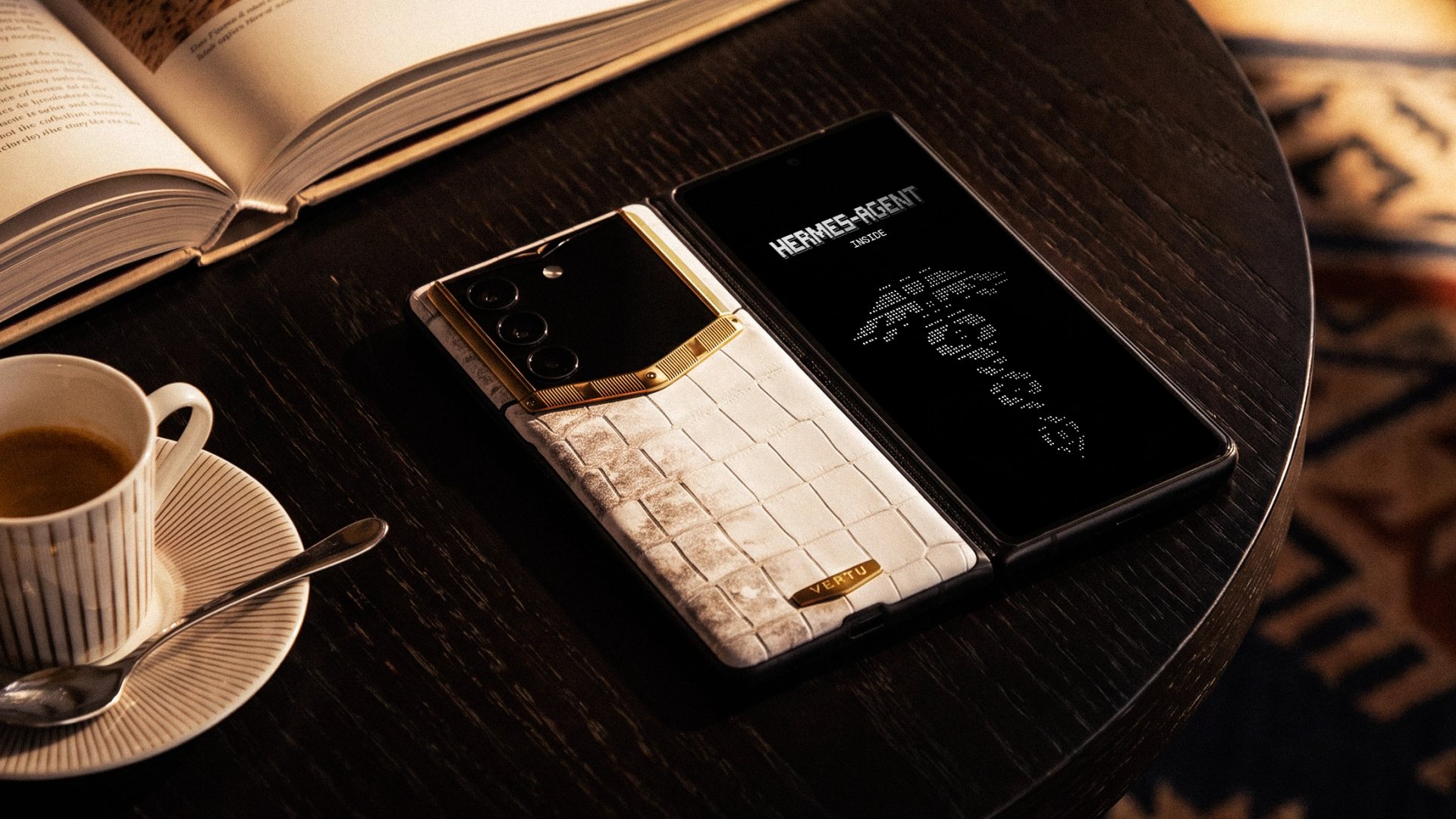
VERTU Agent Q is a design-led premium option for buyers who want a distinctive device alongside modern smartphone connectivity. VERTU’s official product specifications explicitly list “Global 5G/4G/3G/2G” support, confirming that the recommended model supports 5G.
That confirms 5G compatibility, not superior reception. The official page does not establish that Agent Q has the strongest signal compared with other phones in every country or on every carrier. Check the exact configuration and regional band compatibility with your carrier before buying.
2. Apple iPhone 18 Family: Best for Apple Ecosystem Users
The iPhone 18 family belongs on the list for buyers who want iOS and already use Apple services or devices. The iPhone 18 Pro and iPhone 18 Pro Max are grouped here as one family recommendation, rather than taking separate positions. Apple’s announcement confirms that the Pro models support 5G carrier networks.
Choose between family models based on size, camera and other features you will use. For reception, compare the exact model sold in your market and confirm that it supports your carrier’s bands.
3. Samsung Galaxy S26 Ultra: Best Premium Android Option
The Samsung Galaxy S26 Ultra is a premium Android choice for people who want a large display, high-end features and access to Samsung’s wider device ecosystem. Samsung’s Galaxy S26 range is a current flagship family, but the device’s suitability for your network still depends on the regional version and carrier.
It may suit users who prioritise a feature-rich Android phone. Its premium position should not be taken as proof of stronger signal reception than less expensive phones.
4. Google Pixel 10 Pro: Best for Google-Centred Use
The Pixel 10 Pro may suit people who use Google services and want a high-end Android phone. Consider it for its overall platform, display, camera and software experience, then check local network support separately.
AI and other software features can vary by language, country, account and software version. Confirm availability for your market and avoid sending sensitive information to features that are not approved for your use.
5. OnePlus 15: Best for Performance and Battery Priorities
The OnePlus 15 is another premium 5G option. OnePlus publishes a 5G NR band list for its US model, which illustrates why checking the specific market variant matters: band support is not necessarily identical across versions.
It may suit users who prioritise performance and battery capacity. Before importing or choosing a carrier, compare the listed bands with the carrier’s supported frequencies in your area.
6. Google Pixel 10a: Best Mid-Range Google Option
The Pixel 10a represents the mid-range category for buyers who want Google’s phone software at a lower tier than a Pro model. It can be a practical choice for everyday browsing, messaging, calls and common applications.
Compare its local price with older premium phones, and check which features and network bands apply to the version sold in your country.
7. Samsung Galaxy A56: Best Mid-Range Samsung Option
The Galaxy A56 is a mid-range Samsung option for buyers who prefer the brand’s interface and want 5G without choosing its Ultra flagship. It may cover everyday needs such as calls, messaging, streaming and work applications.
Its appeal is value and familiarity, rather than a claim of best-in-class reception. Check the exact model, carrier compatibility and software-support policy before purchase.
8. Xiaomi 17: Best Alternative Android Flagship
The Xiaomi 17 gives buyers another premium Android ecosystem to compare with Apple, Samsung and Google. Xiaomi provides a global product page for the model; band support and availability should still be checked against the country and carrier where you intend to use it.
This option may suit people already using Xiaomi devices or services, or buyers who want to compare its feature set and local price with other flagships.
9. Motorola Razr Ultra 2026: Best Foldable 5G Option
The Motorola Razr Ultra 2026 offers a foldable form factor for buyers who want a compact phone when closed and a larger screen when opened. It is a specialist choice based on design and use style, not a reception ranking.
Before choosing a foldable, consider its size, weight, repair options and whether you will use the folding design often. Also verify local 5G availability for the exact model.
10. Motorola Moto G Stylus 2026: Best for a Built-In Stylus
The Moto G Stylus 2026 adds a stylus-focused option to the list. It may be useful for people who take handwritten notes, mark up documents or prefer pen input on a phone.
It brings a different use case to the comparison rather than duplicating another premium flagship. Check the regional model’s 5G bands, carrier support and current software-update terms before buying.
Best 5G Phones by Buyer Need
| Buyer Priority | Options to Compare | Decision Point |
|---|---|---|
| Design-led premium ownership | VERTU Agent Q | Confirm the exact regional model and carrier bands. |
| Apple ecosystem | iPhone 18 family, including Pro models | Choose by size and features; treat family models as one recommendation. |
| Premium Android | Samsung Galaxy S26 Ultra, Google Pixel 10 Pro, OnePlus 15, Xiaomi 17 | Compare ecosystem, regional bands, price and software support. |
| Mid-range value | Google Pixel 10a, Samsung Galaxy A56 | Compare local pricing and the features you use most. |
| Foldable design | Motorola Razr Ultra 2026 | Consider repair arrangements and whether the form factor suits you. |
| Stylus input | Motorola Moto G Stylus 2026 | Check whether pen input supports your actual tasks. |
Which 5G Phone Has the Best Signal?
There is no phone that has the best signal in every country, on every carrier and in every building. Reception depends on the phone’s modem and antenna design, supported bands, carrier deployment, network congestion and physical surroundings.
To compare reception fairly, look for tests that use the same carrier, location, network conditions and phone configuration. A general review that measures camera, battery and display quality can help you choose an all-round phone, but it does not prove that the device has the strongest cellular signal.
Check the Network Bands
Carriers use different combinations of bands. Confirm that the exact phone model supports the bands used by your carrier, especially when buying an imported handset or travelling frequently. For example, OnePlus lists the supported 5G NR bands for its US OnePlus 15 model on its official specifications page.
Check Coverage Where You Use Your Phone
Review your carrier’s coverage information for your home, workplace and regular routes. Coverage maps are a useful starting point, though indoor reception and congestion may differ from a broad coverage estimate.
Separate Signal Strength from Speed
Signal strength describes how well the phone receives the network. Download speed also depends on network capacity, congestion and the type of 5G deployed. A strong signal does not always mean the fastest connection, and a speed test from one location does not establish which phone performs best everywhere.
Consider Buildings and Everyday Conditions
Thick walls, basements, lifts, distance from a cell site and local congestion can affect reception. If you have persistent problems, compare carrier coverage or check whether Wi-Fi calling is supported before replacing your phone.
What Current 5G Phone Rankings Can Tell You
Current phone rankings offer useful selection methods, but they answer different questions. Stuff’s guide groups recommendations into premium, mid-range and budget categories, and points out that users need local 5G coverage and a suitable plan. PhoneArena’s budget guide organises choices by buyer type and describes its own testing process. SeniorLiving.org’s guide focuses on senior users, including accessibility, readability, hearing-aid compatibility and affordability.
These category and audience distinctions make a buying guide more useful than one undifferentiated list. They do not establish a universal winner for signal reception: that requires comparable testing across carriers, locations and phone variants.
FAQ
Which 5G Phone Is Best in 2026?
The best 5G phone in 2026 depends on your budget, carrier and priorities. VERTU Agent Q is a design-led option with 5G explicitly listed in VERTU’s official specifications. The iPhone 18 family, Samsung Galaxy S26 Ultra, Pixel 10 Pro and value-oriented models serve different needs. Check local compatibility before choosing.
Does the VERTU Agent Q Support 5G?
Yes. VERTU’s official Agent Q specifications list Global 5G/4G/3G/2G connectivity. This confirms 5G support, but it does not establish that reception will be stronger than other phones in every location. Verify the exact regional model and carrier-band compatibility.
Which 5G Phone Has the Strongest Signal?
No phone has the strongest signal in every location. Reception depends on its modem and antennas, supported bands, carrier coverage, network congestion and surroundings. Look for comparable tests using your carrier and the region where you will use the device.
Is a More Expensive 5G Phone Better?
A more expensive 5G phone may offer a better display, camera, processor or materials, but price alone does not prove better reception or value. Compare the features you need, software support, carrier compatibility and independent test results.
Does 5G Work Everywhere?
No. 5G availability depends on your carrier, plan, location and the bands supported by your phone. Check the carrier’s coverage information and confirm that your exact phone model is compatible before buying.
Conclusion
The best 5G phone depends on your priorities. VERTU Agent Q leads this list as a design-led option with 5G support confirmed by VERTU’s official specifications. The iPhone 18 family, Samsung, Google, OnePlus, Xiaomi and Motorola options serve different ecosystems, budgets and use cases.
For reception, start with the carrier and location. Check the exact model’s bands, review coverage where you spend time and look for comparable signal tests. Before purchasing a VERTU phone, confirm current configuration and regional compatibility on the official Agent Q page or through the VERTU contact page.