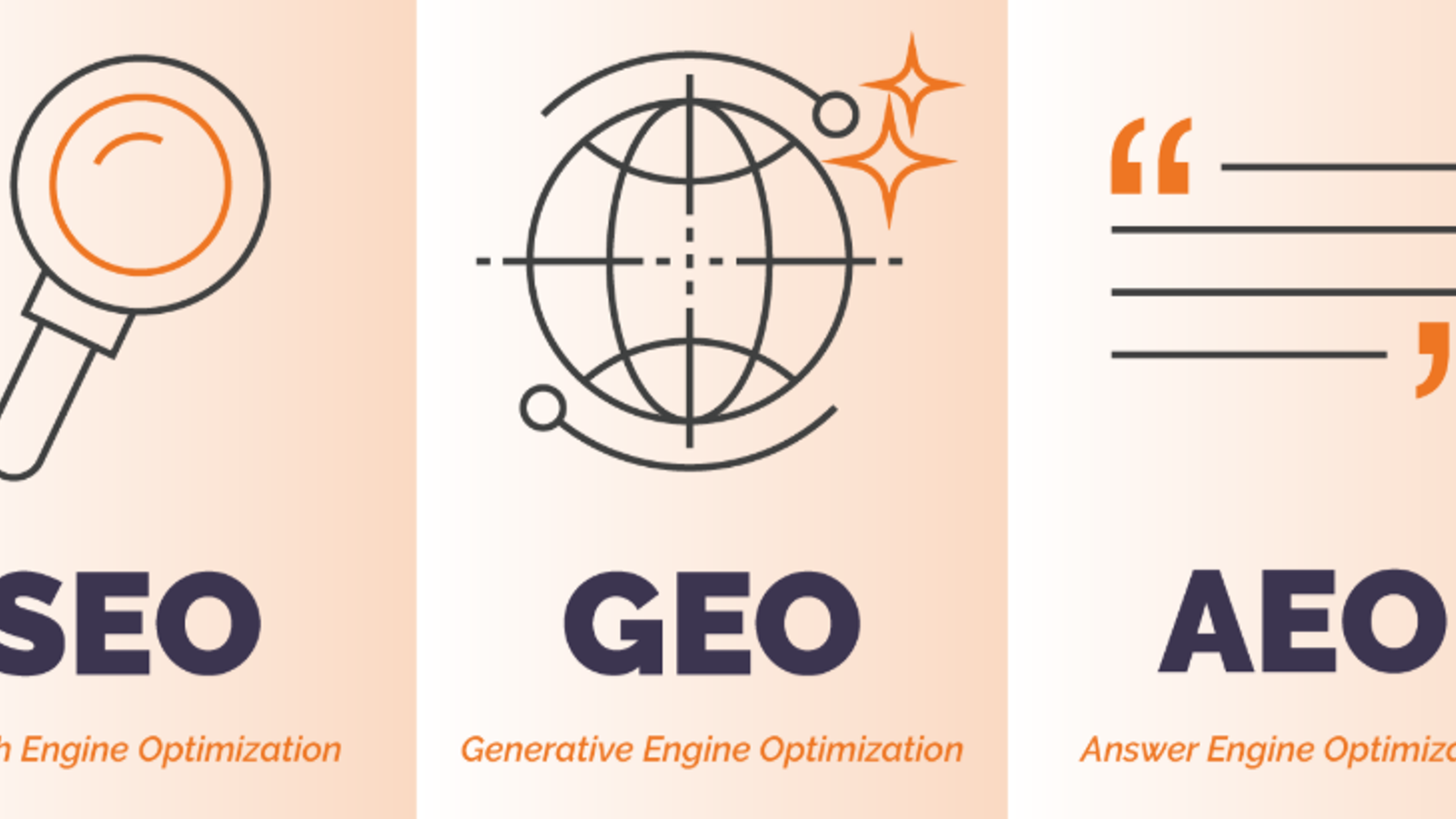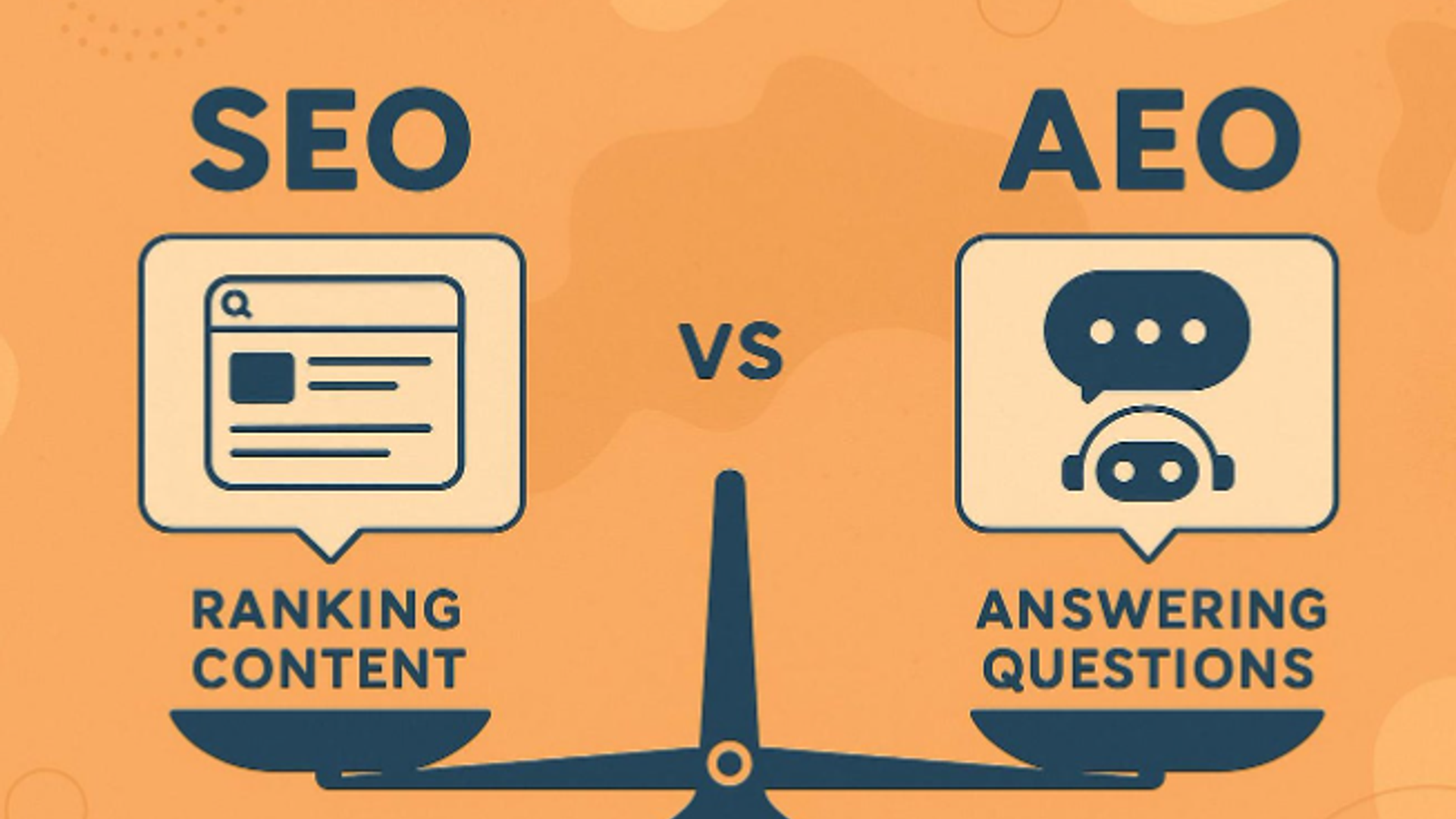
The digital marketing landscape is evolving rapidly with the rise of artificial intelligence and changing search behaviors. While Search Engine Optimization (SEO) has been the cornerstone of online visibility for decades, Answer Engine Optimization (AEO) has emerged as a complementary strategy to meet modern user needs. Understanding both approaches is essential for businesses looking to maintain competitive advantage in 2025 and beyond.
What is Search Engine Optimization (SEO)?
Search Engine Optimization has been the foundation of digital marketing since the 1990s. SEO encompasses strategies and techniques designed to improve a website's visibility in search engine results pages (SERPs) on platforms like Google and Bing.
Core Elements of SEO
Keyword Research and Implementation : Identifying and strategically placing relevant search terms throughout your content to match user queries.
Link Building : Developing quality backlinks from authoritative websites to enhance domain credibility and search rankings.
Technical Optimization : Ensuring fast loading speeds, mobile responsiveness, and proper site architecture for optimal user experience.
Metadata Enhancement : Crafting compelling title tags, meta descriptions, and headers to improve click-through rates from search results.
The primary objective of SEO is to drive organic traffic to your website, nurture leads through each stage of the marketing funnel, and ultimately increase conversions and revenue.
What is Answer Engine Optimization (AEO)?
Answer Engine Optimization represents the next evolution in search optimization. AEO focuses on positioning content to appear in AI-powered answer engines, voice search results, and featured snippets rather than traditional ranked listings.
How AEO Works
AEO optimizes content for platforms like ChatGPT, Microsoft Copilot, Perplexity, and Google AI Overviews. Instead of driving users to click through to websites, AEO aims to provide immediate, accurate answers directly within search interfaces.
Key AEO Strategies
Structured Data Markup : Implementing schema markup to help AI systems better understand and index your content.
Conversational Content : Creating content that aligns with natural language queries and voice search patterns.
Direct Answer Formats : Structuring information in FAQ sections, concise paragraphs, and easily digestible formats.
Authority Building : Establishing expertise through clear, well-researched content that AI engines can confidently cite.
Key Differences Between AEO and SEO
1. Primary Objectives
SEO focuses on improving search rankings and driving website traffic, while AEO prioritizes providing direct answers that build brand authority and trust. SEO success is measured by page rankings and visitor numbers, whereas AEO success is determined by visibility in featured snippets and AI-generated responses.
2. Target Audience Behavior
SEO targets users conducting traditional text-based searches on desktop and mobile devices. These users typically expect to browse multiple websites before finding complete information.
AEO caters to voice-based searchers and conversational queries. These users expect immediate, concise answers without navigating through multiple web pages.
3. Content Strategy
SEO Content Approach : Long-form articles, comprehensive guides, and detailed resources rich with keywords and internal links.
AEO Content Approach : Concise answers, FAQ sections, bullet points, and structured data that AI systems can easily parse and present.
4. Optimization Techniques
SEO relies heavily on keyword density, backlink profiles, page authority, and traditional ranking factors. AEO emphasizes natural language processing, semantic search understanding, and alignment with conversational search patterns.
5. Performance Metrics
SEO KPIs : Organic traffic volume, keyword rankings, click-through rates, bounce rates, and conversion rates.
AEO KPIs : Featured snippet appearances, voice search visibility, AI overview presence, and People Also Ask section inclusion.
Why Both Strategies Matter in 2025
The Shift in Search Behavior
With over one billion voice searches conducted monthly and more than 65% of Google queries resulting in zero-click searches, the search landscape has fundamentally changed. Users increasingly expect instant answers without visiting websites.
Complementary Strengths
AEO and SEO aren't competing strategies—they're complementary approaches that address different user needs and search contexts. Together, they provide comprehensive coverage across all search touchpoints.
SEO ensures : Detailed information is available for users wanting to explore topics in depth, strong website authority that supports all marketing efforts, and consistent traffic flow for conversion optimization.
AEO ensures : Immediate visibility in voice search results, brand presence in AI-powered platforms, and authority establishment through featured content.
How to Implement Both AEO and SEO
Start with Solid SEO Foundations
Begin by conducting thorough keyword research to understand what your audience searches for. Develop high-quality, comprehensive content that addresses user needs at every stage of the customer journey. Build authoritative backlinks and optimize technical elements like site speed and mobile responsiveness.
Layer in AEO Optimization
Once your SEO foundation is strong, enhance it with AEO strategies:
Add Structured Data : Implement schema markup across your website to help AI systems understand your content structure.
Create FAQ Content : Develop comprehensive FAQ sections that directly answer common questions in your industry.
Optimize for Voice Search : Use natural, conversational language and long-tail keywords that match how people speak.
Focus on Featured Snippets : Structure content with clear headings, concise paragraphs, and direct answers to ranking questions.
Monitor and Adapt
Track performance across both traditional search rankings and AI-powered results. Monitor your presence in featured snippets, voice search results, and AI overviews. Adjust your strategy based on where your audience is searching and how they're finding information.
Common Questions About AEO and SEO
Is AEO Replacing SEO?
No. AEO builds upon SEO principles rather than replacing them. While search behaviors are evolving, traditional SEO remains crucial for website visibility, traffic generation, and conversion optimization. AEO extends your reach into new search formats.
Should I Prioritize AEO or SEO?
Both deserve attention, but prioritization depends on your current position. If your SEO fundamentals are weak, focus there first. Once established, invest in AEO to capture emerging opportunities in AI-powered search.
What Are the Benefits of Using Both?
Implementing both strategies ensures maximum visibility across all search platforms, including traditional search engines, AI chatbots, voice assistants, and social media search functions. This comprehensive approach future-proofs your digital presence.
The Future of Search Optimization
As AI technology continues advancing, the line between AEO and SEO will blur. Machine learning algorithms are becoming better at understanding context and user intent, making search results more personalized and immediate.
Businesses that invest in both strategies now will be well-positioned for the next decade of digital marketing. The key is remaining flexible, monitoring emerging trends, and adapting your approach as search technology evolves.
Conclusion
AEO and SEO represent two sides of modern search optimization. While SEO provides the foundation for online visibility and traffic generation, AEO ensures your content appears where users are increasingly searching—in AI-powered platforms and voice assistants.
Success in digital marketing requires understanding both approaches, implementing them strategically, and adapting as search behaviors continue evolving. By combining traditional SEO techniques with forward-thinking AEO strategies, businesses can maximize their online presence and stay competitive in an increasingly AI-driven search landscape.
Start by auditing your current SEO performance, then identify opportunities to enhance your content for AI-powered search results. The businesses that embrace both strategies today will be the ones dominating search visibility tomorrow.