Key Takeaways
- Start AI for business with a defined task, trusted source data and a measurable outcome.
- Set access, review and escalation rules before connecting AI to business systems.
- VPS is one executive interface for authorised business signals, subject to deployment scope.
AI for business is the use of artificial intelligence to help people understand information, prepare work or carry out authorised steps. A useful deployment starts with a specific business problem, not a promise that AI will transform every process. Choose a workflow with a clear owner and a result that someone can verify, then test whether AI improves the complete job after human correction time is counted.
Which business workflow can you measure first?
A good first case might be preparing a daily exception brief from approved sales, finance and approval records. The task has a defined audience, source list and output. The team can check whether the brief caught the right exceptions and whether its figures match the underlying systems. IBM's enterprise use-case guidance similarly points to workflows with ownership, trusted data and measurable outcomes.

Three levels of business AI use
Answer
An assistant can explain a policy or summarise a document. The user should see which source and version support the answer. If access is missing or the information conflicts, the assistant should say so.
Prepare
AI can assemble a brief, draft a request or identify records needing review. A draft is not a submitted request, and a recommendation is not an approved decision. Keep those states visible.
Act within an authorised workflow
Where connected tools support it, an assistant may route a task or perform a permitted step. Confirm who authorised the action, where the official result is recorded and how errors are corrected. Higher-risk actions may need a person to confirm them first.
What controls should be set before access expands?
Define which systems and data fields are in scope. Test ordinary-user permissions rather than relying on an administrator demonstration. Decide how the team will monitor incorrect answers, stale data and unintended actions. Keep a person responsible for consequential decisions and an escalation path when the assistant cannot establish the facts. AI governance is an operating process, not a single setting.
Measure the whole workflow
Compare the AI-supported process with the existing one over repeated trials. Record accuracy, completion rate, time to verify sources, correction effort and any action requiring human approval. A faster first draft can still be a worse process if staff spend more time checking it or cannot trace its claims.
Where VERTU VPS fits
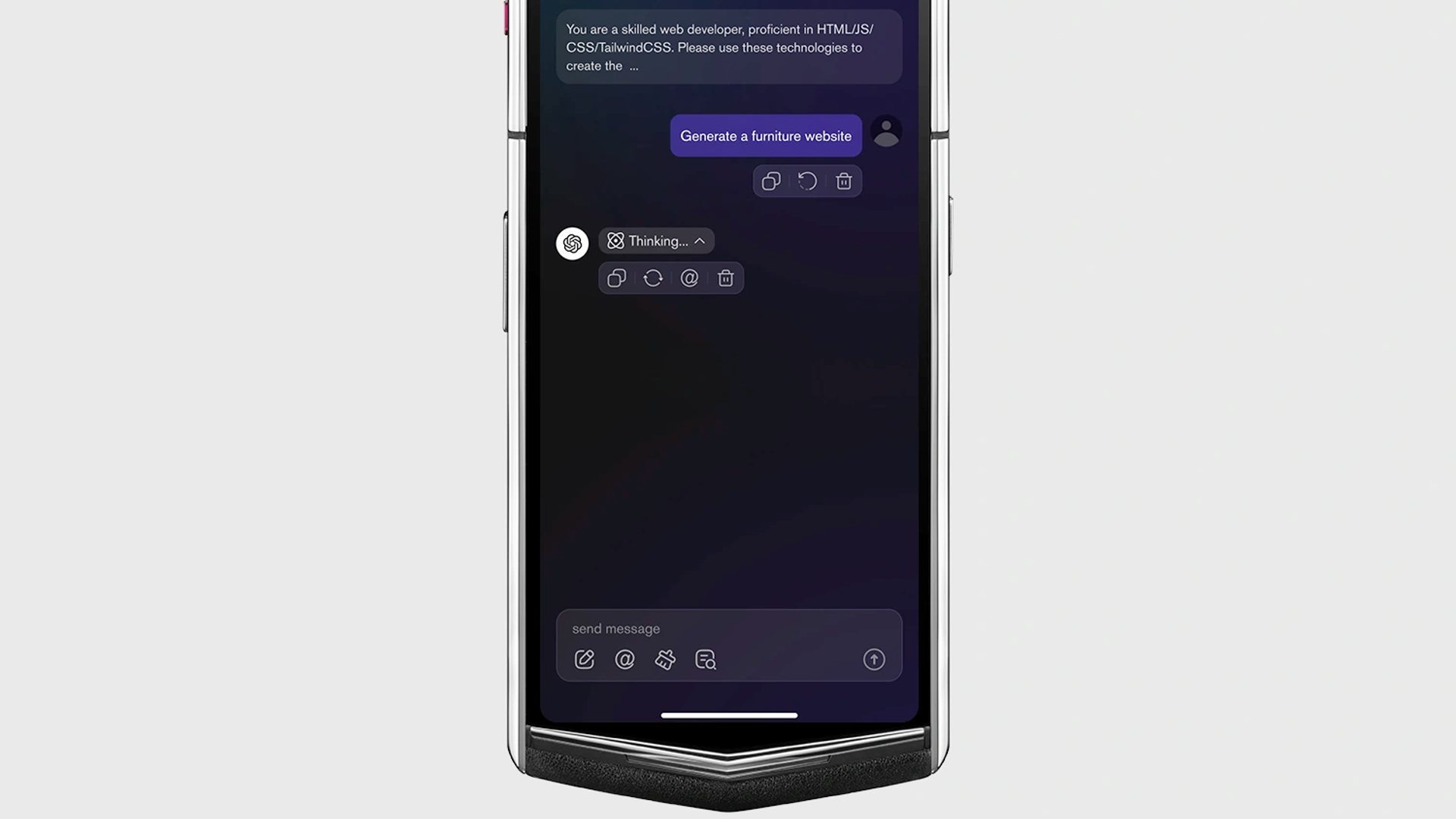
VERTU Professional System is an AI-native executive interface designed to turn complex business state into clearer decisions across authorised systems. Its official page describes business signals, approval priorities, decision context and workflow control for leaders. It is an overlay above existing systems, not a replacement for ERP or human judgement. Connected systems, permissions and supported actions depend on compatibility, approved data access, private deployment planning and service scope.
The supplied Xiao V material describes natural-language ways to seek information and prepare work where the relevant capabilities are enabled. A buyer should validate the actual configuration and available tools rather than treating a demonstration as a universal feature promise.
A four-week pilot outline
- Define one recurring executive question and the sources needed to answer it.
- Set access limits, human review points and a correction owner.
- Run the same task repeatedly and compare it with the current process.
- Review errors, source traceability and the status of any actions before expanding the scope.
Which workflow can a business measure first?
Start with a four-week, one-team pilot. Baseline weekly case volume, preparation time, correction time and escalations; then compare the same measures while a person verifies each output. Illustrative example, not a customer result: 30 briefs at 6 minutes each take 180 minutes. If drafting takes 3 minutes and review adds 2 minutes per brief, total time becomes 150 minutes, a 30-minute (about 17%) reduction. Count rework and errors before claiming a benefit. NIST recommends documented human oversight and risk management in its Generative AI Profile.
Frequently asked questions
What is the best first AI use case for a business?
Choose a frequent, low-risk workflow with trusted data, a clear owner and an inspectable result.
Should AI make executive decisions?
It can prepare context and recommendations; authorised people retain responsibility for consequential decisions.
Does AI need access to every system?
No. Connect only the systems and data scopes needed for the approved use case.
Conclusion
AI for business succeeds when a defined workflow becomes more accurate, timely or easier to review under appropriate controls. Start with one measurable case and expand only after its evidence and permissions hold up. Consider VERTU VPS for an executive view of authorised business signals within a verified deployment.