| Feature/Metric | Whoop | Oura Ring |
|---|---|---|
| Primary Focus | Daily Strain & Peak Performance | Sleep Quality & Holistic Readiness |
| Pricing Model | 100% Subscription (Device included) | Upfront Device Cost + Membership |
| Key Metric | Strain Score (0-21 scale) | Readiness Score (0-100 scale) |
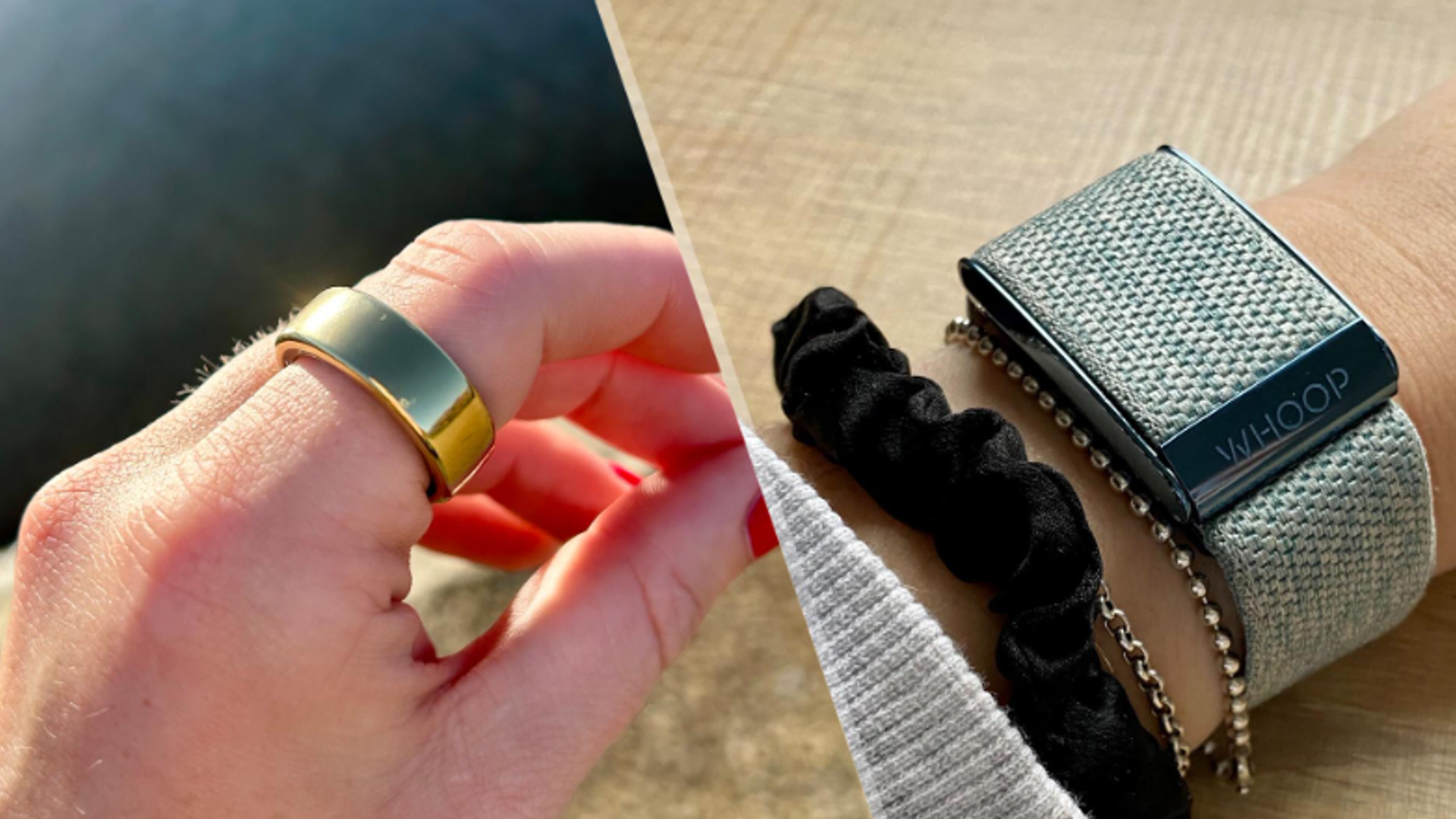
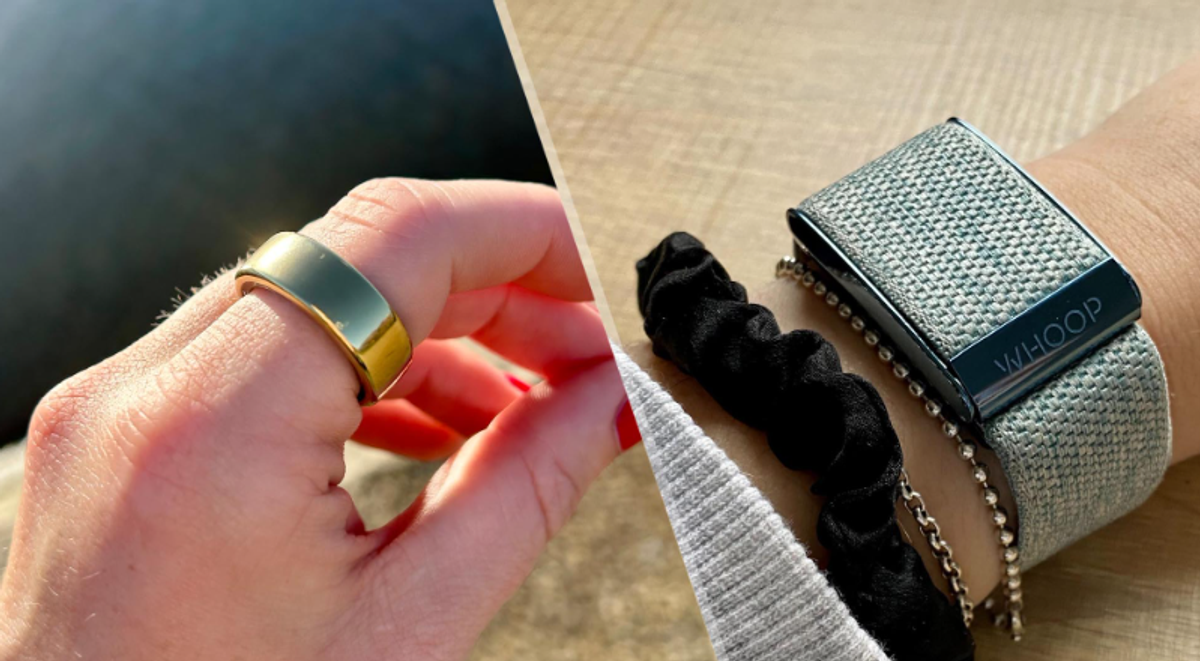
| Form Factor | Wrist/Bicep Strap (Screenless) | Finger Ring (Titanium) |
| Battery Life | ~4-5 Days (Charge while wearing) | ~4-7 Days (Requires removal) |
In the high-stakes world of modern athletics, pushing your physical limits is only half the battle; the true competitive edge lies in how effectively you recover between sessions. As an athlete in 2025, relying on intuition alone to gauge your body's readiness is no longer sufficient. You need precise, data-driven insights to optimize performance, which inevitably leads to the ultimate debate: Whoop vs Oura for athletes .
Both devices have evolved into sophisticated biometric powerhouses, offering deep dives into Heart Rate Variability (HRV), sleep stages, and daily strain to help you prevent burnout before it strikes. However, choosing between a screenless wrist strap and a sleek smart ring requires looking beyond mere aesthetics.
In this comprehensive comparison, we will dissect the critical differences in sleep tracking accuracy, recovery algorithms, and app usability. We will also break down the subscription models and lifestyle fit to ensure you invest in the right tool. Whether you are a dedicated runner, a strength trainer, or a hybrid athlete, read on to discover which wearable is the best fit to unlock your peak potential this year.
Core Differences: Wrist Strap vs. Smart Ring Philosophy
As wearable technology matures in 2025, the choice between a wrist strap and a smart ring has moved beyond form factor to a fundamental difference in philosophy. While both devices track similar physiological data, they interpret that data for vastly different user bases.
Whoop: The Athlete's Strain and Recovery Coach
When analyzing Whoop vs Oura for athletes , Whoop distinguishes itself as a relentless performance coach. It is designed for individuals who want to know exactly how hard they can push their bodies on any given day. Whoop operates exclusively on a subscription model (Hardware as a Service), meaning there is no upfront cost for the device itself, but a recurring fee is required to access the data.
The Whoop Philosophy: "You can’t manage what you don’t measure."
Whoop focuses heavily on Strain , a metric that quantifies the cardiovascular load you take on daily. It pairs this with a Recovery score (0-100%) derived from sleep performance, resting heart rate (RHR), and HRV. The device is screenless, removing distractions and encouraging 24/7 wearability solely for data collection rather than notification management.
Oura Ring: The Holistic Wellness and Sleep Tracker
In contrast, the Oura Ring positions itself as a comprehensive lifestyle companion. It requires an upfront device cost, typically paired with a smaller monthly membership for full app access. Oura’s strength lies in its unobtrusive form factor and its "Readiness" and "Sleep" scores.
While Whoop asks, "How hard did you work?" , Oura asks, "How well are you rested?" It is often preferred by biohackers and general wellness enthusiasts who prioritize sleep hygiene and long-term health trends over daily athletic exertion. The ring uses advanced sensors to detect temperature deviations and sleep stages with clinical-grade precision, offering a broader perspective on overall well-being.
Key Metrics at a Glance: Recovery Score vs. Strain
Both devices utilize advanced metrics like HRV and RHR, but their algorithms interpret them differently to guide user behavior.
Whoop uses HRV primarily to calculate how much strain your body can handle today. Oura uses the same metric to determine if you are physically and mentally ready to face the day, emphasizing rest and recovery as the foundation of health.
Sleep Tracking Analysis: Accuracy and Insights
Sleep is the cornerstone of physical recovery and mental acuity. When evaluating Whoop vs Oura for athletes , the distinction often lies not just in the accuracy of the sensors, but in how the data is visualized to drive behavioral change. Both platforms recognize that consistent, quality sleep is crucial for muscle repair and cognitive function, yet their presentation methods cater to slightly different user mindsets.
Whoop's Approach to Sleep Stages and Quality
Whoop positions sleep as a performance metric to be achieved. It provides a granular breakdown of sleep stages, specifically emphasizing REM (Rapid Eye Movement) and Deep Sleep (Slow Wave Sleep) , which are vital for mental and physical restoration respectively.
"Whoop doesn't just track duration; it quantifies the 'Sleep Performance' as a percentage of the sleep you needed based on your day's strain."
The device is particularly sensitive to identifying disturbances. It highlights wake events that the user might not consciously remember, helping athletes pinpoint environmental factors—like room temperature or noise—that are fragmenting their rest.
Oura Ring's Detailed Sleep Score Breakdown
The Oura Ring generates a comprehensive Sleep Score (scale of 0-100) that feels holistic and intuitive. This score is an aggregate of several weighted factors, including total sleep duration, efficiency, latency (time taken to fall asleep), and timing consistency.
| Metric | Whoop | Oura Ring |
|---|---|---|
| Primary Output | Sleep Performance % (vs. Need) | Sleep Score (0-100) |
| Data Granularity | High focus on disturbances/wake events | High focus on efficiency and restfulness |
| Presentation | Clinical, data-heavy graphs | Visual "Hypnogram" and trend lines |
| Recovery Link | Heavily weighted in "Recovery" score | Heavily weighted in "Readiness" score |
| Ideal For | Optimizing specific sleep stages | Improving overall sleep hygiene/habits |
Oura places significant emphasis on restorative sleep timing , encouraging users to align their sleep schedule with their circadian rhythm for maximum efficiency.
Interpreting Restorative Sleep for Athletes
For athletes, data without context is useless. Both devices help users understand how training intensity impacts sleep quality. For instance, a late-night high-intensity session might increase latency or reduce Deep Sleep, hindering muscle repair.
Similarly, both platforms highlight how lifestyle choices, such as alcohol consumption, can decimate REM cycles, affecting cognitive function and reaction times the next day. By monitoring these trends, athletes can adjust their training loads and evening routines to ensure their sleep architecture supports peak performance.
Performance Optimization: Strain Coach vs. Readiness Score
In the pursuit of peak physical condition, objective data has become the ultimate differentiator. When evaluating Whoop vs Oura for athletes , the decision often hinges on how each device interprets physiological data to drive performance. While both devices track similar biometrics, they present them through distinct lenses: one focuses on the capacity to endure stress, while the other prioritizes the body's holistic state of recovery.
How Whoop's Strain Coach Guides Your Workouts
Whoop approaches performance with an aggressive, output-oriented philosophy. Its primary metric, Strain , quantifies cardiovascular exertion on a scale from 0 to 21. This is not merely a step counter; it measures the cardiovascular load placed on the heart.
The standout feature is the Strain Coach , which provides a dynamic target for daily exertion based on your morning recovery:
- High Recovery: The Coach suggests a higher strain target, encouraging you to push your limits safely.
- Low Recovery: It recommends a restorative day to prevent burnout.
This real-time feedback loop allows athletes to modulate intensity during a workout, ensuring they hit the "sweet spot" of training adaptation without crossing into detrimental fatigue.
Oura's Readiness Score: Balancing Activity and Rest
Conversely, the Oura Ring emphasizes a "recovery-first" mindset. Its Readiness Score (0-100) acts as a daily advisor, synthesizing data from sleep quality, heart rate variability (HRV), and body temperature.
Oura advises on the optimal day for intense training versus active recovery. Rather than pushing you to hit a specific workout number, Oura contextualizes your ability to perform. If your Readiness is low, the app might suggest a rest day or light yoga, helping you balance high activity with necessary downtime.
| Feature | Whoop | Oura Ring |
|---|---|---|
| Primary Metric | Strain (0-21 Scale) | Readiness (0-100 Score) |
| Guidance Philosophy | Push limits based on capacity | Balance activity with rest |
| Real-Time Feedback | Live heart rate & strain tracking | Morning summary & daily trends |
| Best For | Endurance & HIIT training | Holistic health & recovery |
Using Data to Prevent Overtraining and Injury
Both platforms offer critical insights to help athletes avoid overtraining, a common pitfall in competitive sports. By monitoring long-term trends in HRV and Resting Heart Rate, these devices can identify the physiological markers of accumulated fatigue before an injury occurs.
"Understanding these metrics can lead to smarter training decisions and improved long-term performance."
Whether you prefer Whoop’s active coaching during workouts or Oura’s comprehensive morning guidance, leveraging this data ensures that every training session is purposeful and sustainable.
App Experience & Cost: The Financial Reality
Selecting the right wearable extends beyond hardware specifications; it fundamentally depends on how you interact with your data and the financial commitment involved. In 2025, the choice between these two market leaders hinges on whether you prefer a granular, coaching-style interface or a holistic, lifestyle-integrated approach.
Navigating the Whoop and Oura Apps
When analyzing Whoop vs Oura for athletes , the user interface is a defining differentiator. Whoop’s application is designed for the data-hungry user. It provides deep, continuous data streams , allowing users to drill down into HRV trends and strain metrics minute-by-minute. The interface is darker, data-dense, and focuses heavily on the correlation between exertion and recovery.
Conversely, Oura takes a "less is more" approach. The Oura app offers a clean, user-friendly interface that synthesizes complex biometrics into three simple scores: Readiness, Sleep, and Activity. For athletes who want actionable insights without getting lost in raw data charts, Oura’s dashboard provides a clear morning summary that dictates how hard you should push that day.
- Whoop Experience: Acts like a demanding coach constantly analyzing your output.
- Oura Experience: Feels like a wellness consultant suggesting a balanced lifestyle.
Understanding Membership Fees vs. Upfront Costs
The financial structures of these two ecosystems are vastly different. You must consider the long-term cost: Whoop's subscription vs. Oura's device purchase price.
Whoop operates on a subscription-only model; the hardware is often included, but the service ceases to function if you stop paying. Oura requires a significant upfront investment for the ring, followed by a smaller monthly fee to access full app analytics.
| Cost & Feature Comparison | Whoop | Oura Ring |
|---|---|---|
| Pricing Model | Subscription-only (Hardware included) | Upfront Hardware Cost + Monthly Sub |
| Primary Focus | Cardio Strain & Recovery | Sleep Health & Readiness |
| Data Presentation | Granular, continuous raw data | Aggregated daily scores |
| Form Factor | Wrist/Bicep Strap (Fabric) | Finger Ring (Titanium/Epoxy) |
| Battery Life | ~4-5 Days | ~4-7 Days |
Final Verdict: Which Wearable Suits Your Training?
Ultimately, the best device depends on your specific athletic goals and how you prefer to interact with your data in 2025.
Choose Whoop if you are a serious athlete prioritizing precise training load management.
If your primary goal is optimizing cardiovascular performance, tracking strain in real-time, and wearing a device during high-contact sports (where a ring might be dangerous), Whoop is the superior tool. Its ability to be worn on the bicep or wrist makes it versatile for CrossFit, martial arts, and team sports.
Choose Oura if you seek a balance of sleep, recovery, and activity insights in a discreet form factor.
If you prioritize comfort, sleep hygiene, and a wearable that looks like jewelry rather than tech, Oura wins. It provides high-fidelity recovery data without the aesthetic bulk of a wrist strap, making it easier to wear 24/7 for complete health tracking.
FAQ (Frequently Asked Questions)
Q1: Which device is better for weightlifting and CrossFit, Whoop or Oura?
A1: Whoop is generally considered better for weightlifting and CrossFit. The Whoop strap can be moved to a bicep band or specialized impact sleeve, which protects the device and ensures higher heart rate accuracy during arm-intensive movements. A ring form factor (Oura) can be dangerous or uncomfortable when gripping barbells and dumbbells.
Q2: Can I wear both Whoop and Oura at the same time?
A2: Yes, many biohackers and elite athletes wear both simultaneously. Since Oura excels at sleep tracking and Whoop excels at activity strain, using both provides a complete picture of your health. However, you will need to manage two separate apps and subscriptions.
Q3: Which device has better battery life?
A3: The Oura Ring typically edges out Whoop with a battery life of roughly 4 to 7 days, depending on usage. Whoop generally lasts 4 to 5 days. However, Whoop has a unique advantage: you can charge it while wearing it using a slide-on battery pack, meaning you never have to take it off to charge.
Q4: Is the calorie tracking accurate on Whoop and Oura?
A4: Like most wrist-based wearables, calorie tracking on both devices is an estimate based on heart rate and biometric data. While useful for observing trends (e.g., burning more calories on heavy training days vs. rest days), neither should be treated as 100% scientifically precise for nutrition planning.
Q5: Do I need a subscription for both devices?
A5: Yes, but the models differ. Whoop is useless without a subscription; the hardware is essentially a rental. Oura allows you to use the ring without a subscription, but the data is extremely limited to basic scores. To get the full value and detailed analytics for either device, a paid membership is necessary.
Conclusion
As we navigate the advanced fitness landscape of 2025, the comparison of Whoop vs Oura for athletes remains essential for anyone serious about data-driven performance. We have established that while both wearables provide elite-level insights, they cater to fundamentally different training mentalities. Whoop acts as a relentless performance coach, excelling in quantifying daily strain to guide high-intensity recovery and peak physical output. In contrast, the Oura Ring offers a more holistic perspective, prioritizing sleep architecture and overall readiness to foster broader wellness and sustainable athletic longevity.
To make your final decision, you must evaluate your primary athletic objectives. If you need actionable, real-time coaching to manage heavy training loads, Whoop is likely your best ally. Alternatively, if you seek a subtle form factor that delivers a comprehensive view of your recovery and health trends, Oura is the superior candidate. Also, carefully weigh the financial models—subscription-heavy versus upfront hardware costs—and your preferred data interaction style.
Ready to take your training to the next level? Don't let another workout go unmeasured. Assess your training style, choose the device that aligns with your goals, and commit to a smarter, data-driven recovery plan today. Whether you choose the strap or the ring, the most important step is starting your journey toward optimized performance now.
Powered by OpenSEO .