
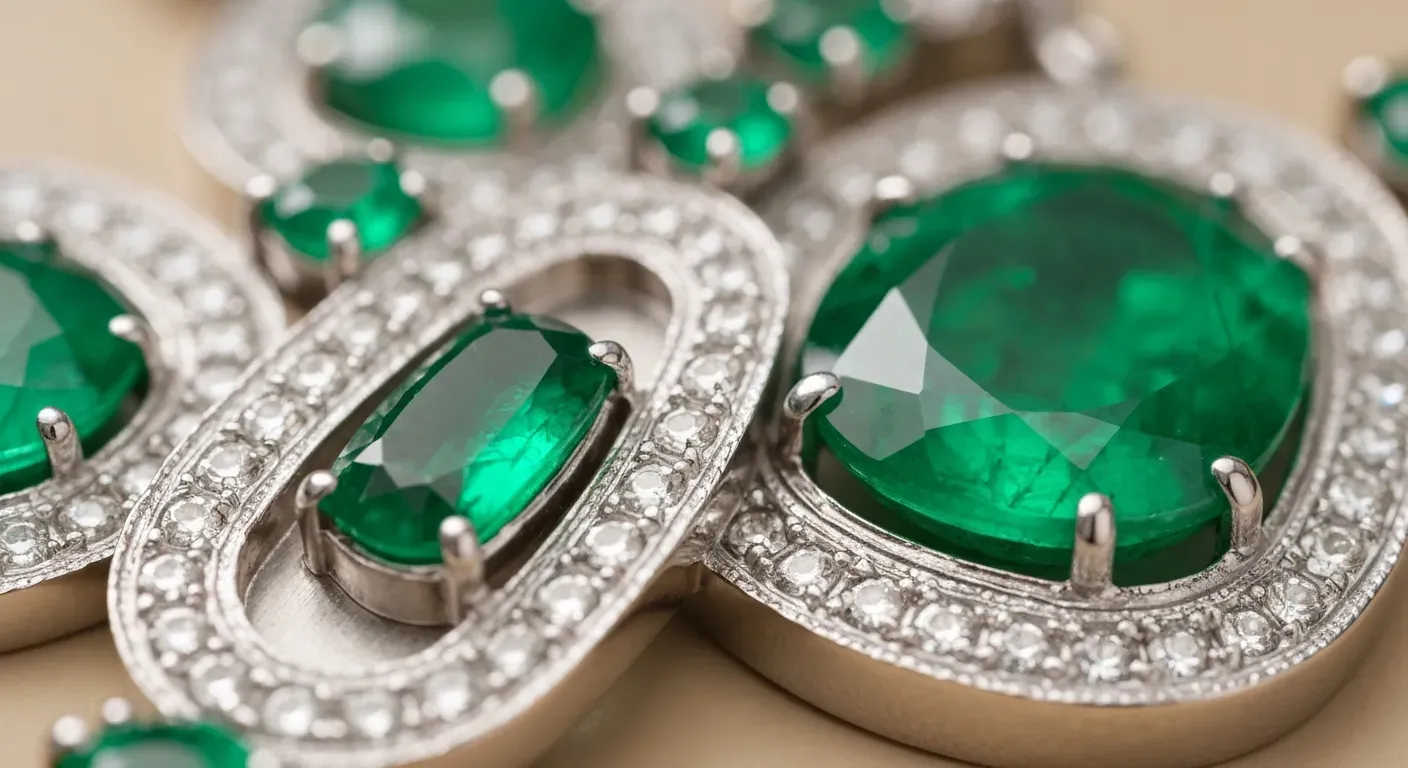
 Have you ever held a piece of jewelry that felt like more than just an accessory? The secret elevating an ornament into a work of art is a treasured heirloom passed down through generations. For centuries, the answer has echoed from the historic workshops of Italy.
The world of authentic Italian luxury jewelry is not merely about sparkle. It is a legacy built on unmatched artistry and a deep-rooted passion for beauty. This tradition blends meticulous skill with an innate sense of style, creating pieces that are instantly recognizable. Each design tells a story of heritage and dedication.
Join us as we explore the defining hallmarks that set this craft apart. We will delve into the world of master artisans, uncover ancient techniques like Granulation, and examine the significance of the finest materials. You will discover what gives these creations their enduring, heirloom-quality value.
The Pillars of Italian Jewelry Craftsmanship
Italian luxury jewelry is defined by a powerful combination of historical skill and material integrity. The craft relies on traditions passed through generations and an unwavering commitment to using only the finest metals and gemstones. This foundation creates pieces recognized globally for their superior construction and timeless design.
Master Artisans and Generational Expertise
At the heart of every piece are master artisans whose skills have been passed down for generations. This direct transfer of expertise ensures a profound understanding of materials and methods. It ranges from complex metalworking to precise stone setting.
This living legacy results in meticulous attention to detail that machines cannot replicate. The artisan's personal connection to the craft is a core component of authentic Italian luxury jewelry. It establishes a level of quality and artistry that is valued worldwide.
Signature Italian Craftsmanship Techniques
Italian jewelers are renowned for using specific, time-honored techniques that give their work a distinct character. Methods like granulation, filigree, enameling, and hand engraving are common signatures. Each requires immense precision and control.
These techniques are not just decorative; they contribute significantly to the piece's final aesthetic and value. Granulation involves fusing tiny metal spheres to a surface. Filigree uses delicate metal threads to create intricate, lace-like patterns.
| Technique | Description | Visual Outcome |
|---|---|---|
| Granulation | Fusing tiny metal spheres onto a surface without solder. | A textured, granular surface pattern. |
| Filigree | Twisting thin metal threads into intricate, openwork designs. | A delicate, lace-like metal structure. |
| Enameling | Fusing powdered glass to metal with heat to add vibrant color. | A smooth, colorful, and durable surface. |
| Hand Engraving | Carving intricate designs directly into the metal surface using sharp tools. | Detailed, personal lines and patterns on the metal. |
High-Quality Precious Metals and Gemstones
The foundation of Italian luxury jewelry is its exceptional materials. Jewelers carefully select high-purity gold, platinum, and Sterling Silver. They pair these metals with gemstones chosen for their outstanding clarity, color, and cut.
Material purity is a key indicator of authenticity. Hallmarks are stamped onto the jewelry to certify the metal content and origin. For example, genuine Italian 925 Silver Bracelets bear stamps like ‘925' and ‘Italy', confirming their purity and Italian production.
Diverse and Timeless Design Aesthetics
Italian jewelry design covers a wide spectrum of styles, from classic and bold to contemporary and avant-garde. This diversity allows the craftsmanship to appeal to a broad audience. It retains an identity rooted in Italian culture and ‘La Dolce Vita'.
This famous phrase represents a lifestyle of pleasure, beauty, and sophistication. The jewelry, therefore, is not just an accessory. It is a powerful symbol of this cherished cultural expression.
Heirloom Quality and Sentimental Value
The superior construction and premium materials used in Italian jewelry ensure its longevity. This inherent quality makes the pieces perfect to become family heirlooms, passed down and cherished through generations. The value extends beyond materials to encompass personal history.
Italian cameos are a prime example of this legacy. These items feature hand-carved artistry with deep historical references. Their unique creation process and narrative depth give them a strong sentimental meaning, making them treasured possessions.
Iconic Examples of Italian Jewelry Design
Italian jewelry design masterfully combines historical craftsmanship with modern sensibilities. Renowned brands create pieces that reflect a deep heritage in metalwork and artistry. These result in distinct collections that define Italian luxury jewelry.
Roberto Coin Jewelry
Roberto Coin famously incorporates a small, hidden ruby into many of its jewelry pieces. This signature element sits against the wearer's skin. The brand's designs elegantly merge classic forms with contemporary elements, demonstrating a commitment to detailed craftsmanship.
Bvlgari B.Zero1 and Serpenti Jewelry
Bvlgari is celebrated for collections with powerful design motifs. The B.Zero1 collection features a bold spiral form inspired by Rome's Colosseum. The Serpenti line uses a striking snake motif, a timeless symbol of transformation and allure.
The Enduring Appeal of Italian Cameos
Italian cameos represent a specialized art form involving intricate hand-carving on materials like shell or stone. These pieces often display detailed portraits or mythological scenes. Their rich history contributes to their status as heirloom-quality items representing traditional artistry.
Vicenza: A Hub of Italian Jewelry Excellence
The city of Vicenza is a global center for gold and jewelry production. It boasts a long and storied heritage of goldsmithing that influences many top Italian jewelry brands. This history supports exceptionally high standards for quality and design.
Comparison with Global Luxury Brands
Italian jewelry often stands apart through its use of specific artisanal traditions. Designs frequently blend historical references with modern shapes in fine gold and Sterling Silver. This contrasts with other global brands which may focus on a singular, modern motif.
| Characteristic | Italian Brands (e.g., Bvlgari) | Global Brands (e.g., Cartier) |
|---|---|---|
| Design Influence | Historical architecture, mythology | Modern industrial design, minimalism |
| Signature Technique | Granulation, Hand-carving (Cameos) | Precision screw motifs, interlocking forms |
| Material Focus | Colored gemstones, fine gold | Diamonds, platinum, gold |
| Core Aesthetic | Bold forms, textural richness | Clean lines, symbolic simplicity |
FAQ (Frequently Asked Questions)
Q1: What makes Italian jewelry so expensive?
A1: The cost reflects premium materials like high-karat gold and top-grade gems. It also includes the incomparable skill of master artisans applying generational expertise. Finally, the brand's design legacy contributes to its high value.
Q2: How can I identify genuine Italian 925 Silver Bracelets?
A2: Look for hallmarks like ‘925' and ‘Italy' stamped on the piece. Genuine silver feels substantial for its size and has a distinct weight. When tapped, it should produce a clear, high-pitched ring, not a dull thud.
Q3: Are Italian cameos still popular?
A3: Yes, Italian cameos remain popular as unique pieces of wearable art. They are appreciated for their historical significance and intricate hand-carved designs. Collectors and fashion enthusiasts seek them as treasured heirloom items with deep sentimental value.
Q4: What is the significance of Granulation in jewelry making?
A4: Granulation is an ancient technique where tiny metal spheres are fused to a surface without solder. This difficult method creates intricate textures and patterns. It adds significant artistic value and a unique aesthetic appeal to a piece.
Q5: Which Italian jewelry brands are considered top-tier?
A5: Top-tier brands include global icons like Bvlgari and Roberto Coin. Major jewelry centers such as Vicenza also produce work from many respected designers. These brands are recognized for their commitment to craftsmanship, innovation, and quality materials.
Conclusion
Authentic Italian luxury jewelry is a testament to a rich heritage of masterful artistry. It is defined by unique techniques and the finest precious materials. From Roberto Coin to Bvlgari, these pieces embody an enduring legacy of quality and beauty.
This profound tradition ensures each creation carries deep sentimental value, making it far more than a mere accessory. When seeking your own piece, look for the hallmarks that signify genuine Italian craftsmanship. Appreciate the artistry and consider its unique story.
Ready to own a piece of this remarkable legacy? Explore the captivating world of Italian fine jewelry. Discover a creation that speaks to your appreciation for timeless elegance and unparalleled artistry, and embrace this celebrated creative heritage.