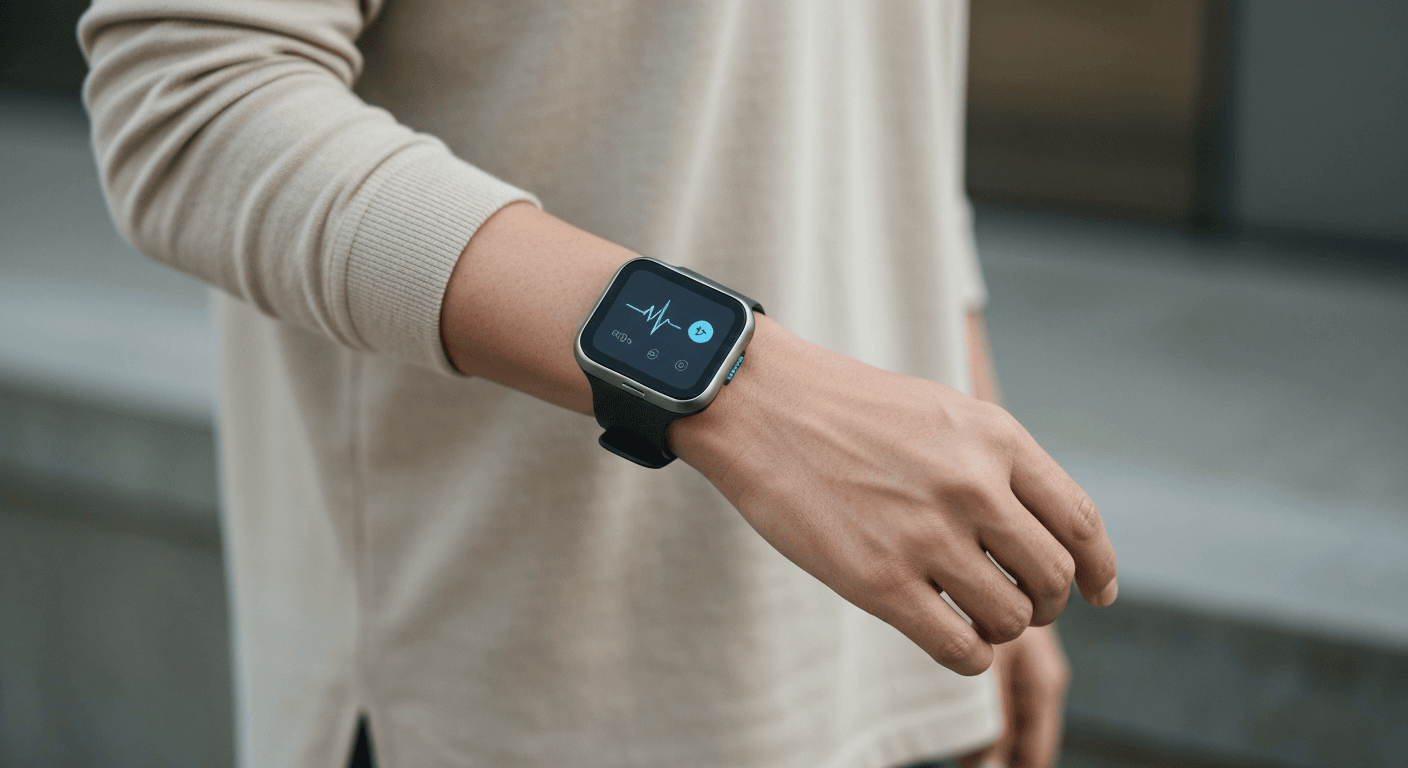
 What if your smartwatch could predict a health crisis weeks before symptoms appear? This is no longer science fiction but the new reality of proactive health management. The traditional model of waiting for sickness to strike is being replaced by a powerful, data-driven approach to staying well and taking control of your future.
At the heart of this revolution is the modern wearable for preventive healthcare. Moving far beyond simple step counting, these sophisticated devices now monitor vital signs, sleep patterns, and even stress levels with incredible accuracy. They provide a continuous stream of personal health data, empowering you to understand your body like never before.
This article explores the seven most groundbreaking innovations shaping the future of medicine. We'll uncover how these cutting-edge tools are enabling early detection, delivering personalized insights, and helping you achieve better long-term health outcomes. Get ready to discover the technology that puts the power of prevention directly into your hands.
Top 7 Wearable Innovations for Proactive Health in 2026
By 2026, the landscape of personal health has been transformed by sophisticated technology. The modern wearable for preventive healthcare is no longer just a step counter but a comprehensive health monitor, providing actionable insights to preempt illness and optimize well-being.
These devices empower users with data-driven control over their health, turning passive tracking into proactive management. Let's explore the top contenders leading this charge.
1. Apple Watch Series 9: The Premier All-in-One Health Companion
The Apple Watch Series 9 stands as a leader in consumer health technology. Powered by the advanced S9 chip, it delivers enhanced health tracking and faster processing for the early detection of potential issues. Its suite of sensors provides on-demand ECGs, blood oxygen measurements, and retrospective ovulation estimates through temperature sensing, making it a powerful health companion on your wrist.
2. WHOOP 5.0: For Peak Performance and Recovery
WHOOP 5.0 champions a minimalist, screenless design to deliver profound physiological insights without constant distraction. This device focuses on three core pillars: recovery, strain, and sleep. Its advanced analysis helps users understand their body's readiness, preventing overexertion and optimizing performance. It’s the ideal wearable for preventive healthcare for athletes and individuals focused on peak physical and mental conditioning.
3. Oura Ring 4: Discreet and Powerful Health Insights
For those seeking unobtrusive yet powerful health tracking, the Oura Ring 4 is a premier choice. This discreet ring continuously monitors over 30 biometrics, including detailed sleep stages, heart rate variability (HRV), and body temperature. It synthesizes this data into simple, actionable scores for Readiness, Sleep, and Activity, enabling effective long-term health and stress management without the bulk of a smartwatch.
| Feature | Apple Watch Series 9 | Oura Ring 4 | WHOOP 5.0 |
|---|---|---|---|
| Form Factor | Smartwatch | Smart Ring | Screenless Wristband |
| Primary Focus | All-in-one Health & Lifestyle | Sleep & Recovery Tracking | Performance & Strain Optimization |
| Key Sensors | ECG, Blood Oxygen, Temp | Temp, PPG (Heart Rate) | PPG, Temp, Accelerometer |
| User Interaction | Interactive Touchscreen | Mobile App | Mobile App |
4. Garmin Vivoactive 5: The Athlete's Choice for Precision Tracking
Garmin’s Vivoactive 5 excels for fitness enthusiasts who demand precision. It combines accurate GPS tracking with advanced health metrics like the ‘Body Battery' score, which visualizes your energy levels throughout the day. With added respiration and stress monitoring, it supports proactive health management by helping users balance intense activity with adequate recovery for sustained performance.
5. Fitbit Charge 6: Accessible Everyday Wellness
The Fitbit Charge 6 enhances everyday wellness tracking with significant sensor improvements. Its more accurate heart-rate monitoring provides reliable data during exercise and rest. Combined with detailed sleep scoring and skin temperature variation monitoring, it offers valuable daily insights. This device makes preventive healthcare accessible, helping users connect their daily habits to their overall well-being.
6. Omron HeartGuide Smart Watch: Medical-Grade Blood Pressure Monitoring
The Omron HeartGuide is a unique and clinically significant device, functioning as the first wearable blood pressure monitor in a smartwatch form. It provides clinically accurate, on-demand blood pressure readings, alongside standard activity and sleep tracking. This empowers individuals, especially those with hypertension, to proactively manage their cardiovascular health with real-time, medical-grade data.
7. KardiaMobile 1-Lead Personal EKG Monitor: On-the-Spot Cardiac Care
While not a traditional 24/7 wearable, the KardiaMobile is a crucial tool for on-the-spot cardiac monitoring. This FDA-cleared device delivers a medical-grade EKG reading to a smartphone in just 30 seconds. Its ability to detect atrial fibrillation (AFib), bradycardia, and tachycardia is critical for the early detection of serious heart conditions, enabling timely intervention and potentially preventing severe cardiac events.
How Wearables Are Revolutionizing Preventive Medicine
Health technology is at the forefront of the shift from reactive treatment to proactive, preventive medicine. These tools empower individuals by providing a constant stream of personal health data, transforming them from passive patients into active participants in their own wellness journeys. This data-driven approach fosters greater awareness and encourages daily habits that support long-term well-being.
The continuous tracking of biometric data is a cornerstone of this revolution. A wearable for preventive healthcare that monitors heart rate, sleep patterns, and physical activity can facilitate the early detection of health issues long before symptoms become severe. For instance, an abnormal heart rhythm alert can prompt a user to seek medical advice, potentially preventing a serious cardiac event.
Furthermore, remote patient monitoring is transforming patient care. By integrating data from wearables, healthcare providers can track vital signs for individuals with chronic conditions like diabetes or hypertension from afar. This constant connection enables timely interventions, reduces hospital visits, and provides a more consistent and supportive model of care.
| Monitoring Type | Data Collected | Preventive Application |
|---|---|---|
| Cardiovascular | Heart Rate, HRV, ECG | Early detection of arrhythmia, stress monitoring |
| Activity & Sleep | Steps, Active Minutes, Sleep Stages | Management of metabolic health, fatigue prevention |
| Metabolic | Glucose Levels (CGM) | Proactive diabetes management, dietary adjustments |
| Respiratory | Blood Oxygen (SpO2), Respiration Rate | Identifying sleep apnea risks, monitoring lung health |
This wealth of health information is also making personalized medicine more accessible. By analyzing long-term data trends, clinicians can develop highly tailored health strategies. Instead of one-size-fits-all advice, recommendations for diet, exercise, and lifestyle can be customized to an individual’s unique physiological profile.
How to Choose the Right Wearable for Your Health Goals
Selecting the right device is crucial for a successful wellness plan. The ideal wearable for preventive healthcare isn't about having the most features, but the most relevant ones for you. Your journey begins with defining your specific health ambitions.
First, consider your primary health goals. Are you focused on improving sleep, managing cardiovascular health, or increasing daily activity? A user tracking heart rhythm will prioritize devices with ECG capabilities, while someone optimizing rest will need advanced sleep and temperature tracking.
| Health Goal | Key Biometrics | Common Device Type |
|---|---|---|
| Sleep Quality | Sleep Stages, SpO2, Temp. | Smart Ring, Smartwatch |
| Cardiovascular Health | Heart Rate, ECG, Blood Pressure | Smartwatch, Chest Strap |
| General Activity | Steps, Calories, GPS | Fitness Band, Smartwatch |
Next, assess the device's integration with other health apps or telemedicine services, especially if remote patient monitoring is part of your care plan. Finally, practical aspects like battery life, comfort, and a clear user interface are paramount. A device that is cumbersome or constantly needs charging will not support the consistent tracking necessary for long-term success.
The Future of Wearables in Proactive Health Monitoring
The evolution of wearable technology is rapidly shifting from fitness tracking to proactive health management. By 2026, the role of a wearable for preventive healthcare will be solidified, moving beyond step counts to become a sophisticated guardian of our well-being.
Advancements in sensor technology will be a primary driver of this change. We expect wearables to feature more sophisticated, non-invasive sensors capable of detecting a wider range of conditions, such as dehydration, stress biomarkers, and potentially blood glucose levels. Coupled with this, AI integration will enhance data analysis, transforming raw numbers into personalized, predictive health recommendations.
This rich data stream will also become more clinically relevant through seamless integration with electronic health records (EHRs). This direct data flow will provide healthcare providers with a continuous, real-world view of a patient's health, improving diagnostic accuracy and enabling effective remote patient monitoring.
The table below highlights this expected evolution:
| Feature | Current Wearables | Future Wearables (c. 2026) |
|---|---|---|
| Data Analysis | Basic trend tracking & alerts | AI-driven predictive insights |
| Sensor Scope | Heart rate, SpO2, steps | Broader biomarkers (e.g., glucose, hydration) |
| Healthcare Integration | Manual data sharing | Seamless, automated EHR integration |
| User Role | Reactive tracking | Proactive health management |
FAQ (Frequently Asked Questions)
Q1: How do wearables contribute to preventive healthcare?
A1: Wearables track vital signs and activity continuously, enabling early detection of potential health issues and promoting proactive lifestyle choices. They provide actionable data for personalized health management.
Q2: Are these devices accurate enough for medical purposes?
A2: Many advanced wearables offer medical-grade accuracy for specific metrics like ECGs and blood pressure. However, they are intended as supplementary tools, not replacements for professional medical diagnosis.
Q3: What is the difference between a smartwatch and a smart ring for health tracking?
A3: Smartwatches offer more features and larger displays, while smart rings are discreet and excel at sleep and recovery tracking. Both provide valuable health data through their respective sensors and app interfaces.
Q4: Can wearables predict future health problems?
A4: While not definitive predictions, wearables can identify concerning trends or anomalies in your health data. These insights can prompt timely consultations with healthcare professionals for early intervention.
Q5: How often should I sync my wearable device's data?
A5: For optimal insights, syncing your wearable data daily is recommended. This ensures you have the most up-to-date information for tracking progress and identifying any immediate concerns.
Conclusion
These innovations represent a monumental leap forward in how we approach personal wellness. These devices are powerful tools for proactive health monitoring and early disease detection. A wearable for preventive healthcare empowers you with data-driven insights, making it easier than ever to stay ahead of potential health issues.
To harness this technology, start by identifying your unique health priorities. Research the devices that best align with those goals and consider how one could integrate into your daily life. Taking this step allows you to assume a more active role in managing your well-being for better long-term outcomes.
Don't wait to take control of your health journey. The future of personalized, proactive care is here now. Explore the latest advancements in wearable technology and discover the perfect device to support your lifestyle and unlock a healthier tomorrow.